

Key Takeaways
- Aim for 20 grams of protein or more per freezer meal. The recipes here run 16-32 grams, and the two cheapest need an egg or a half can of tuna on top to clear that bar.
- Batch-cook freezer meals cost $1.85-$3.75 per serving versus a meal plan at $3,500-$5,500 per academic year, most of which goes part-eaten.
- Microwave reheating at 50% power for double time prevents uneven heating and food safety risks.
- Prepare 8-10 meal servings per recipe to maximize one weekend cooking day monthly.
- Ship frozen meals using dry ice for $50 to maintain temperature integrity during 48-hour transit.
- Buying store-bought frozen instead of cooking: check servings per container first, then look for 600 mg of sodium or less and protein at or above the same 20 gram bar.
Your kid's leaving for college in three weeks, and you're already picturing them surviving on ramen and energy drinks. Here's the reality check: food insecurity affects nearly 40% of college students, and poor nutrition directly impacts academic performance (PMC, 2019). But you can change this story with strategic meal prep.
Freezer meals college students actually want to eat aren't the cardboard casseroles of your childhood. They're portable, nutritious, and designed to work with dorm microwaves and mini-fridges. The secret lies in understanding what college life really demands: meals that reheat perfectly, pack serious nutrition, and won't break your student's budget.
Join the early access waitlist and we will email you the day it launches.
Why Traditional College Meal Plans Fall Short
Most dining halls close by 9 PM. Late-night study sessions stretch until 2 AM. Your student needs fuel that works with their actual schedule, not the university's ideal one.
A meal plan costs $3,500-$5,500 per academic year, and prepaid meals go unused. According to the USDA Economic Research Service, 31 percent of the available US food supply was lost at the retail and consumer levels in 2010. Meanwhile, having backup freezer meals means they can skip overpriced campus food when they're broke at month's end. Smart parents think beyond the meal plan.
That band is the cheap end of a wide market, not the middle of it. Published prices sit far apart. Indiana University charges $4,404 to $5,563 for its required 7-day plans in 2026-27, with an optional 125-scan plan at $3,376 (Indiana University). Michigan State charges $7,970 for the year on its cheapest on-campus plan and $8,570 on the top tier (Michigan State University). Harvard bills $8,598 for board alone on the 2025-26 term bill (Harvard University). The national average board charge was $5,951 in 2023-24 (NCES). We use the friendly end of that spread on purpose, and your own school's dining page beats all of them.
The BeCute app is being built to help students track their actual eating patterns, showing when they're most likely to skip meals or grab junk food. That data will point to the right timing for your homemade freezer stash.
The stash you build runs out, and the week after it does is your student's problem to plan. That question is already answered in free meal planning apps for college students, which is worth forwarding along with the containers. BeCute is the one there without a price, because it is not on the App Store or Google Play, and the early access list is what tells you the day that changes.
Dorm Kitchen Reality Check
Your student's "kitchen" consists of a microwave, mini-fridge, and maybe a hot plate if they're lucky. Forget elaborate reheating instructions. Every meal needs to work with basic equipment.
Freezer space is premium real estate. A typical dorm mini-fridge freezer holds maybe 8-10 meal containers maximum. Choose recipes that pack maximum nutrition per cubic inch.
Store-Bought Frozen Meals: What to Check on the Label
Move-in week rarely goes to plan. The homemade stash is not built yet, the dining hall opens on its own schedule, and the nearest real food is the freezer aisle. Store-bought frozen meals are a fair answer to that week, whether you are the student buying them or the parent stocking a mini-fridge before driving home. They are not a failure of meal prep, they are the bridge until the cooking starts. The whole skill is reading the back of the box instead of the front.
Sodium is where frozen meals usually lose
The Daily Value for sodium on US labels is 2,300 mg (FDA), and the FDA rule of thumb for reading any panel is that 5% DV or less per serving is low and 20% DV or more is high (FDA). Cleveland Clinic recommends limiting a frozen meal to 600 mg of sodium or less (Cleveland Clinic). Even that ceiling is about a quarter of a whole day's sodium in a single tray, so two frozen dinners in one day leave almost no room for anything else salty.
Protein: read the grams, not the badge
The Daily Value used for protein on labels is 50 g (FDA). The make-ahead recipes further down this page run from 16 to 32 g per serving, so the honest bar to hold a frozen tray to is 20 g and up, the same line the cheapest recipes on this page fail. If it comes in under 20 g, treat it as a base rather than a finished meal: a fried egg, a scoop of cottage cheese, a handful of edamame or half a can of tuna on top closes the gap. One detail worth knowing is that a %DV for protein has to be printed only when the package makes a protein claim (FDA), so the gram number is the honest one to compare.
Check the serving count first
Every number on the Nutrition Facts panel refers to one serving, and one tray is not always one serving (FDA). A package that quietly lists two servings doubles the sodium and the calories you just read. Look at servings per container before you look at anything else.
Three more filters that take ten seconds
- Saturated fat: 3 g or less per meal (Cleveland Clinic).
- Ingredient list: fewer than seven ingredients usually means you are closer to whole food than to a formula (Cleveland Clinic).
- Fiber: the one number to look for rather than avoid. The Daily Value is 28 g (FDA), so a tray with 5 g covers roughly a fifth of the day.
Cleveland Clinic also calls under 400 calories a good limit when you are watching your weight. If you are not, a 300-calorie tray is a starting point rather than dinner, and a bag of frozen mixed vegetables heats in the same three minutes and turns it into a full plate.
Cheaper is not automatically worse
Store brands are not a downgrade by default. According to the USDA Economic Research Service, store-brand foods were priced about 25 percent below national brands at two major US supermarket chains in the 14 months after the recession, July 2009 to August 2010, and noted that private-label products carry lower advertising and procurement costs (USDA ERS, 2012). Those are costs of selling food, not costs of the food. Because the Nutrition Facts panel is standardized, the test is simple: put the store brand next to the national brand at the same serving size and compare the panels line by line. FDA advice on the label says to use %DV for exactly that comparison. When the numbers match, the difference you are paying for is the box.
None of this replaces a freezer full of food someone cooked for you. It covers the first weeks before that freezer gets filled, and it keeps the frozen aisle from costing a day of sodium at a time. The recipes below are the cheaper long game.
Essential Freezer Meal Prep Equipment
Start with portion-appropriate containers. College students eat differently than families - they need single-serving sizes that fit their lifestyle and appetite.
| Container Type | Best For | Freezer Life | Microwave Safe |
|---|---|---|---|
| Glass meal prep containers (24oz) | Casseroles, pasta dishes | 3-4 months | Yes |
| Silicone freezer bags | Soups, stews, smoothie packs | 6 months | No (transfer needed) |
| Aluminum containers with lids | Baked dishes, lasagna | 2-3 months | No |
| Vacuum seal bags | Marinated meats, breakfast burritos | 6-8 months | No |
Labeling is non-negotiable. Use freezer tape and permanent markers. Include the meal name, date frozen, and reheating instructions. Your sleep-deprived student won't remember what "chicken thing from Mom" actually contains.
Freezer-Safe Ingredients That Actually Work
Some foods freeze beautifully. Others turn into mush. Stick with ingredients that maintain texture and flavor after thawing.
- Proteins: Ground meats, chicken thighs, fish fillets, beans, lentils
- Vegetables: Bell peppers, onions, carrots, broccoli, spinach (cooked)
- Grains: Rice, quinoa, pasta (slightly undercooked)
- Avoid: Raw potatoes, lettuce, cucumber, high-water fruits
High-Protein Freezer Meals That Build Muscle and Brain Power
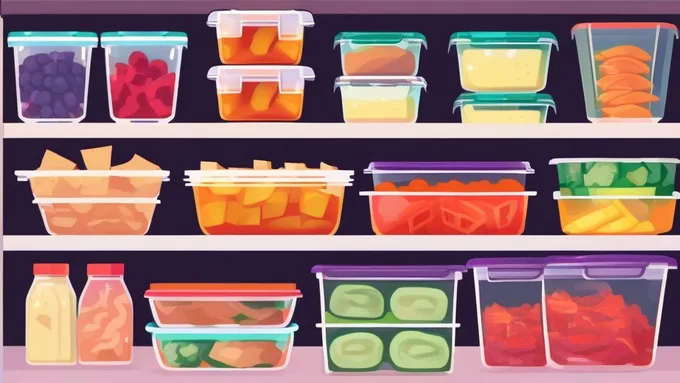
College students need protein for muscle recovery from intramural sports and brain function during finals week. The four recipes in this section were built for that and land between 24 and 32 grams a serving. The budget table further down is a different trade: the bean and rice bowl at 18 g and the lentil soup at 16 g buy you a cheap serving, not a finished one, and the rule from the label section applies to your own cooking too. Under 20 grams, it is a base.
For students serious about fitness, our guide on high-protein meal prep covers advanced strategies for maximizing muscle-building nutrition on a tight schedule.
Power-Packed Protein Freezer Recipes
- Turkey and Black Bean Power Bowls: Ground turkey (93/7), black beans, brown rice, salsa, and cheese. 32g protein per serving. Freezes for 4 months.
- Chicken Tikka Masala with Quinoa: Boneless thighs in coconut curry sauce over protein-rich quinoa. 28g protein, loads of flavor.
- Beef and Vegetable Stir-Fry Packs: Pre-cooked lean beef strips with frozen stir-fry vegetables. Add to microwaved rice. 26g protein.
- Lentil and Sausage Soup: Turkey sausage, red lentils, vegetables in rich broth. 24g protein per bowl, incredibly filling.
Each recipe makes 8-10 servings. Cook once, eat for weeks. That's the parent meal prep advantage.
Quick Breakfast Solutions
Most college students skip breakfast or grab sugary pastries. Your freezer meals can change this pattern completely.
Breakfast burrito assembly line: Scrambled eggs, turkey sausage, cheese, and hash browns wrapped in whole wheat tortillas. Wrap individually in foil, then freeze in batches. Microwave for 90 seconds from frozen.
Overnight oats freeze surprisingly well. Make mason jar portions with oats, protein powder, frozen berries, and almond milk. They thaw perfectly in the fridge overnight.
Budget-Smart Freezer Meal Strategies
Sending food to college students shouldn't cost more than their textbooks. Strategic shopping and batch cooking keep costs under $4 per meal.
Buy proteins when they're on sale and freeze immediately. Ground turkey at $2.99/lb becomes 6-8 meals. Chicken thighs at $1.49/lb stretch even further. Stock up during sales, then batch cook.
| Meal Type | Cost Per Serving | Prep Time | Protein Content |
|---|---|---|---|
| Bean and rice bowls | $2.50 | 45 minutes | 18g |
| Chicken curry | $3.75 | 1 hour | 28g |
| Turkey meatballs with pasta | $3.25 | 1.5 hours | 24g |
| Lentil soup | $1.85 | 30 minutes | 16g |
The two cheapest rows are cheap for a reason. Beans and lentils carry a serving on their own for under $2.50, and both come in under the 20 g bar this page holds a frozen tray to. Treat them the way you would treat a light tray from the freezer aisle: a fried egg, a scoop of cottage cheese or half a can of tuna stirred in at the dorm costs about 40 cents and puts either bowl over 25 grams. The two mid-priced rows, chicken curry at 28 g and turkey meatballs at 24 g, already stand alone.
Bulk Cooking Techniques
Dedicate one weekend day per month to bulk cooking. This isn't daily meal prep - it's strategic batch production for maximum efficiency.
Start with your slow cooker and Instant Pot running simultaneously. While those cook, prep vegetables and portion out ingredients for assembly-line style meal building.
- Morning: Start slow cooker meals (soups, stews, pulled meats)
- Afternoon: Pressure cook grains and legumes in batches
- Evening: Assemble individual meal containers while everything's still warm
Shipping and Storage Solutions for Long-Distance Students
Your student is far away at college. Shipping frozen meals requires strategy, but it's absolutely doable with proper planning.
Dry ice shipping works for large batches. A 10-pound dry ice package keeps a box of meals frozen for 48 hours in transit. Cost runs about $50 including shipping - still cheaper than a semester of takeout orders.
The number to hold is the one the FDA sets for storage at home: the freezer at 0°F or below, the fridge at 40°F or below. Pack enough dry ice that the box never leaves that range, and ask your student to move everything into the freezer the hour it arrives.
Packaging for Cross-Country Shipping
Double-wrap everything. Vacuum-sealed portions inside insulated shipping boxes with dry ice packs. Include detailed reheating instructions printed on waterproof paper.
Ship on Monday or Tuesday to avoid weekend delays. Friday shipments risk thawing in transit over weekends when shipping facilities close.
Microwave-Friendly Meal Architecture
Dorm microwaves are weak, old, and inconsistent. Your meals need to reheat evenly without creating hot spots or cold centers that could cause food safety issues.
Layer strategically. Dense proteins on the bottom, vegetables in the middle, starches on top. This creates even heat distribution during reheating.
The Mayo Clinic recommends specific techniques for freezer meal preparation that ensure food safety and optimal reheating results.
Reheating Instructions That Actually Work
Generic "microwave 2-3 minutes" instructions fail constantly. Give your student specific power settings and timing for their actual equipment.
- Defrost first: Move from freezer to fridge 8-12 hours before eating
- Pierce plastic wrap: Prevents explosive steam buildup
- 50% power for double time: Better than full power for half time
- Stir halfway through: Redistributes heat for even warming
Include a meat thermometer with your care package. Internal temperature should reach 165°F for food safety, especially important for reheated frozen meals.
Nutritional Density for Academic Performance
Your student's brain runs on glucose, but steady energy comes from complex carbohydrates paired with healthy fats and complete proteins. Design meals that fuel 3-hour study sessions, not sugar crashes.
You might also find our guide on you meals: personalize your nutrition journey helpful.
You might also find our guide on nutrition meals: top picks for a balanced diet helpful.
Which carbohydrate you build on decides how long that energy lasts. Harvard's Nutrition Source explains that minimally processed whole grains take longer to digest, so blood sugar rises more slowly than after refined grains, which have had the bran and the germ milled out (Harvard T.H. Chan School of Public Health). Brown rice, whole oats or barley in the base of a freezer meal beat white rice for that reason.
The Cleveland Clinic emphasizes that the best frozen meals contain balanced macronutrients and minimal processed ingredients.
Students using meal tracking apps like BeCute report better academic performance when they maintain consistent nutrition. The app's barcode scanning feature works even for homemade frozen meals if you create custom entries with accurate nutritional data.
Brain-Boosting Ingredient Combinations
Omega-3 fatty acids support memory and focus. Include salmon, walnuts, or chia seeds in your freezer meals. Iron prevents fatigue - pair lean meats with vitamin C-rich vegetables for better absorption.
- Salmon and sweet potato bowls: Omega-3s plus complex carbs
- Spinach and chickpea curry: Iron, folate, and plant protein
- Turkey chili with beans: B-vitamins and sustained energy
- Quinoa stuffed peppers: Complete amino acid profile
For students managing specific dietary goals, our meal prep for weight loss guide provides additional strategies for portion control and metabolic support.
Special Dietary Accommodations
Your student might develop food sensitivities or dietary restrictions during college. Build flexibility into your freezer meal system from the start.
Gluten-free options freeze just as well as traditional meals. Use rice, quinoa, or certified gluten-free oats as your starch base. Label everything clearly to prevent cross-contamination.
Dairy-free meals often freeze better than dairy-heavy ones anyway. Coconut milk-based curries, tomato-based sauces, and olive oil dressings maintain better texture after thawing.
Allergen-Safe Meal Prep
If your student has severe allergies, dedicate specific prep days and equipment to allergen-free cooking. Color-code containers by allergen status - red lids for contains nuts, green for nut-free, etc.
The FDA counts nine major food allergens - milk, eggs, fish, crustacean shellfish, tree nuts, peanuts, wheat, soybeans and sesame - and there is still no cure, so strictly avoiding the food is the entire prevention. Write the full ingredient list on the lid, not just the name of the dish.
Creating a Sustainable System
One massive cooking session won't sustain your student all semester. Build a system that works with your schedule and their changing needs throughout the academic year.
Monthly cooking sessions work better than weekly ones for freezer meals. Schedule around your student's exam periods - they'll need the most support during midterms and finals when they're least likely to cook.
Our food eating plan guide shows how to structure sustainable nutrition habits that work with academic schedules and changing lifestyle demands.
Seasonal Menu Planning
September meals should be hearty and comforting - your student's adjusting to college life. January meals need to be lighter and energizing for new semester motivation. May meals should be brain-boosting for final exams.
Track what your student actually eats and requests more of. Harvard's meal prep guide opens on the same instruction: discuss what types of foods and favorite meals they like to eat, then plan from that list (Harvard T.H. Chan School of Public Health).
Quick Meal Solutions for Busy Students
Sometimes your student needs food in 5 minutes, not 50. Stock their freezer with ultra-quick options that still provide real nutrition.
For complete quick meal strategies, check out our 15-minute college meals guide with recipes specifically designed for students rushing between classes.
Smoothie packs freeze perfectly and blend in 60 seconds. Pre-portion fruits, vegetables, protein powder, and healthy fats in freezer bags. Add liquid and blend - instant nutrition.
Emergency Meal Backup Plan
Keep 3-4 "emergency" meals in the freezer at all times. These are the meals your student reaches for at midnight when everything else is closed and they're too tired to cook.
- Loaded baked potato soup: Comfort food that reheats perfectly
- Breakfast burrito wraps: Works for any meal, any time of day
- Thai curry with rice: Satisfying, flavorful, fills them up
- Turkey and vegetable chili: High protein, high fiber, very filling
The American Heart Association toolkit emphasizes that consistent access to nutritious foods directly impacts student success and wellbeing.
Your freezer meal system becomes your student's nutritional safety net throughout college. When meal plans fail, budgets run tight, or stress levels spike, they'll have real food that tastes like home and fuels their success.
A three-semester survey at a large public university in the Northeast (n = 98, 104, 90) found diet quality correlated positively with GPA (Rho = 0.265, P < 0.05) and negatively with anxiety, stress and depression (American Journal of Lifestyle Medicine). That is a correlation, not a promise. It still runs the way you would expect, and the freezer is the part of it you can control from home.
The Move-In Week Freezer List: What to Pack Before Drop-Off
Move-in week is the one week with no cooking day yet. The dorm freezer is still empty when the car pulls up, the dining hall hours are still a mystery, and the boxes aren't unpacked. This is the list built for exactly that week: meals that go from freezer to microwave in under five minutes and are sized to the 8-10 container limit of a mini-fridge freezer.
| Frozen Meal | Microwave Time | What It Needs |
|---|---|---|
| Turkey and Black Bean Power Bowl (from the recipe above) | 3 min at 50% power, stir halfway | Microwave-safe bowl |
| Breakfast burrito (from the recipe above) | 90 sec from frozen | Paper towel underneath, flip halfway |
| Lentil and Sausage Soup portion (from the recipe above) | 3 min, stir halfway | Microwave-safe cup with vented lid |
| Frozen chicken bites or mini corn dogs, store-bought (6-8 pieces) | 2 min | Paper towel liner to catch grease |
| Frozen dumplings or potstickers (10-12 pieces) | 3 min with 2 tbsp water added | Microwave-safe bowl, lid vented |
| Individual mac and cheese cup, frozen | 2.5 min, stir halfway | Nothing extra |
| Frozen mixed vegetables plus a cup of cooked rice | 4 min combined | Bowl; a soy sauce packet helps |
| Frozen waffles or pancakes (2-3 pieces) | 60-90 sec | Syrup or peanut butter packet |
| Frozen smoothie pack (fruit, spinach, protein powder) | No microwave, blend from frozen | Personal blender, splash of milk |
| Frozen edamame, shelled (1 cup) | 2 min | Pinch of salt |
Freeze the homemade batch no more than 3-4 days before the drive to campus. A freezer that gets opened and closed daily during move-in packing loses cold air fast, and containers riding in a car for several hours need to still be solid when they reach the dorm. Fill all 8-10 slots the freezer can hold, and mix the list rather than repeating one dish, so the first week has variety instead of the same bowl on day four.
What You Need to Know About Freezer Meals for College Students
Are freezer meals worth it for college students?
Absolutely, freezer meals can save college students up to $200 a month on food costs. By preparing meals in advance, students avoid the high prices of dining out or buying convenience foods. Plus, freezer meals help in maintaining a balanced diet, which is crucial for academic performance and overall health. With BeCute still being built, a label on the container with the date and the contents is what keeps the nutrition visible for now. So, not only do you save money, but you also invest in your health.
How do I start making freezer meals for college?
Start by planning a menu and shopping for ingredients in bulk to save time and money. Choose recipes that are easy to freeze and reheat, like casseroles, soups, and stir-fries. Spend a weekend cooking and portioning meals into single servings, then store them in airtight containers. Label each meal with the date and contents for easy selection. Nutritional values and portion sizes are what a freezer stack hides, and BeCute is being built to keep both on record.
What’s the difference between freezer meals and regular meal prep?
The main difference is that freezer meals are designed to last for weeks or even months, while regular meal prep usually covers just a week. Freezer meals are cooked and then frozen, allowing for long-term storage without losing flavor or nutritional value. Regular meal prep involves preparing fresh meals that are stored in the fridge and meant to be eaten within a few days. Freezer meals offer more convenience and flexibility, especially for busy college students.
How much does it cost to prepare freezer meals for college students?
On average, preparing freezer meals can cost around $50 to $100 for two weeks' worth of meals. This is significantly cheaper than dining out or buying pre-packaged meals, which can easily add up to $200 or more for the same period. By buying ingredients in bulk and cooking in large batches, you can maximize savings. Plus, tracking spending and intake in the same place is what shows whether the money is buying nutrition or convenience.
Can I send freezer meals to a college student long-distance?
Yes, you can send freezer meals to a college student, but it requires careful planning. Use insulated shipping containers and dry ice to keep meals frozen during transit. Choose meals that can withstand slight temperature changes, like stews or baked pasta dishes. Coordinate with the recipient to ensure someone is available to receive the package promptly. This way, your college student can enjoy homemade meals even when they're miles away.
What frozen meals are good for college move-in week?
Judge them by the panel, not the brand. Look for 600 mg of sodium or less, 3 g of saturated fat or less, a short ingredient list, and enough protein to count as a meal rather than a snack. Check servings per container first, because a package listing two servings doubles every number on the label. Anything under 20 grams of protein works better as a base with a fried egg, tuna or frozen vegetables added on top. Store brands are worth comparing line by line against the national brand at the same serving size: the Nutrition Facts panel is standardized, the price is not.
FAQ
How long do homemade freezer meals stay safe to eat?
Most properly stored freezer meals maintain quality for 3-4 months and remain safe indefinitely at 0°F. However, texture and flavor start declining after 4 months. Label everything with freeze dates and use oldest meals first. Vacuum-sealed meals last 6-8 months with better quality retention. Write the date on the lid, and the contents next to it. BeCute is being built to keep the contents side of that from the barcodes you cooked with.
Meal prep is what Freezer Meals for College Students turns on, and it is a habit BeCute is being built to support with plans, reminders and streaks rather than to replace, and numbers like the 3-4 months above are what a plan has to carry; the app behind it is not yet on the App Store or Google Play.
Can I ship frozen meals to my college student across the country?
Yes, with proper packaging and dry ice. Use insulated shipping boxes with 10-15 pounds of dry ice for 2-day shipping. Cost runs $40-60 but feeds your student for weeks. Ship early in the week to avoid weekend delays. Include detailed reheating instructions and a meat thermometer for food safety.
Readers who arrive at Freezer Meals for College Students usually cook in a small kitchen on a small budget, and BeCute is being built for them as much as for anyone else, and the 10-15 pounds above is a number from this page, not from the app; BeCute itself is not yet on the App Store or Google Play.
What's the best container size for college dorm freezers?
Single-serving containers around 16-24 ounces work best. Dorm freezers are tiny, so maximize space efficiency. Rectangular containers stack better than round ones. Glass containers are microwave-safe but heavier for shipping. Silicone freezer bags save space but require transferring to microwave-safe dishes. Single servings also make the numbers easy: one container is one entry. BeCute is being built so that entry comes off the barcodes that went into it.
If Freezer Meals for College Students has you comparing tools, compare them on what they do today, and what BeCute has today is not an app, and the 16-24 ounces above is this page's own number rather than a default; the app is not yet on the App Store or Google Play, so the early access waitlist at becute.app is all there is to join today.
How do I prevent freezer burn on homemade meals?
Remove as much air as possible before sealing. Use vacuum sealers for best results, or press air out of freezer bags manually. Double-wrap items in plastic wrap, then aluminum foil. Keep freezer temperature at 0°F or below. Don't overpack the freezer - air needs to circulate around containers.
Weight loss on Freezer Meals for College Students comes down to holding a target and replanning around what was actually eaten rather than around what was planned, which is what BeCute is being built to do; BeCute itself is not yet on the App Store or Google Play.
Which foods should I never put in freezer meals for college students?
Avoid raw potatoes, lettuce, cucumbers, and high-water vegetables that turn mushy when thawed. Skip cream-based sauces that separate. Don't freeze cooked pasta completely - slightly undercook it since reheating continues the cooking process. Fried foods lose their crispiness and become soggy.
Questions like the one above on Freezer Meals for College Students are exactly what BeCute, an AI meal planning and nutrition app, is being built around; the app is not yet on the App Store or Google Play.
How can I make sure my student actually eats the freezer meals I send?
Ask what they want before cooking. Include familiar comfort foods alongside new recipes. Make reheating instructions foolproof with specific times and power levels. Send variety packs rather than 10 servings of the same meal. Include their favorite snacks or treats with each shipment to increase excitement about the package. And once they are on campus, the list has to become theirs. BeCute is being built to hold it for them. It is not yet on the App Store or Google Play, so the way in is the early access list on the home page at becute.app, and their first personalized plan is waiting on the day BeCute opens - free during early access, no credit card.
A reader who lands on Freezer Meals for College Students lands on a site for an app that does not exist yet: BeCute is being built by our team, and nothing here is software you can install, and the 10 servings above is this page's own number rather than a default; BeCute is not yet on the App Store or Google Play, so what you can use here today is the free 5 meals a day schedule at becute.app/tools/5-meals-a-day-schedule - no email, no account, nothing to install - while the early access waitlist at becute.app covers the app.
Sources
- PMC (2019). "Food Insecure College Students and Objective Measurements of Their..." PMC
- U.S. Food and Drug Administration. "Refrigerator Thermometers - Cold Facts about Food Safety." FDA
- Mayo Clinic Press. "5 meals you can freeze." Mayo Clinic Press
- Cleveland Clinic Health Essentials. "What Are the Best Frozen Meals?" Cleveland Clinic
- U.S. Food and Drug Administration. "Food Allergies: What You Need to Know." FDA
- Harvard T.H. Chan School of Public Health. "Meal Prep Guide - The Nutrition Source." Harvard Nutrition Source
- American Heart Association. "Healthy Food Drive Toolkit." American Heart Association
- American Journal of Lifestyle Medicine (2025). "A Cross-Sectional Analysis of College Students' Diet, Mental Health, and Hindrances to Healthy Lifestyles." PMC
- U.S. Food and Drug Administration. "How to Understand and Use the Nutrition Facts Label." FDA
- U.S. Food and Drug Administration. "Daily Value on the Nutrition and Supplement Facts Labels." FDA
- USDA Economic Research Service (2012). "Food Retailers Adjust Private-Label Prices as Costs and Consumer Demand Change." USDA ERS
- Harvard T.H. Chan School of Public Health. "Carbohydrates and Blood Sugar - The Nutrition Source." Harvard Nutrition Source

Written by
Oleksandr PaduraFounder & CEO at BeCute
Oleksandr Padura is the founder of BeCute. He is building an AI nutrition planner that turns personal goals into a daily meal plan. The app is not yet on the App Store or Google Play, and the waitlist gets access first.
Published: 2026-04-11
Disclaimer: This article is for informational purposes only and is not a substitute for professional medical advice, diagnosis, or treatment. Always consult a qualified healthcare provider before making changes to your diet or health routine.