
Key Takeaways
- Aim for 25-30 grams protein per meal to maximize satiety and muscle maintenance.
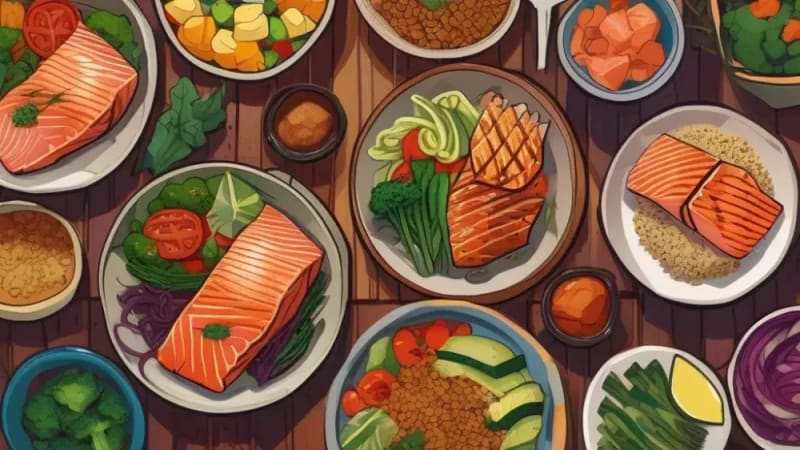
- Build plates as half vegetables, one-quarter lean protein, one-quarter whole grains.
- Dried beans and lentils cost approximately $1.50 per pound for budget nutrition.
- According to the National Academies Dietary Reference Intakes, the acceptable range for adults is 45-65 percent of calories from carbohydrate, 20-35 percent from fat and 10-35 percent from protein.
- Batch-prep ingredients weekly on one designated day for flexible mix-and-match meals.
Your phone buzzes with another food delivery notification while you're staring at your empty fridge, wondering how you'll hit your nutrition goals today. Sound familiar? The gap between wanting to eat well and actually doing it has never been wider, especially when complete nutrition meals feel like they require a culinary degree and three hours of prep time.
But here's what changed the game for me: nutrition meals don't have to be complicated. The best ones combine protein, healthy fats, complex carbs, and plenty of vegetables in portions that actually satisfy you. Whether you're meal prepping on Sunday or grabbing something quick between meetings, the right approach transforms eating well from a daily struggle into an automatic habit.
Join the early access waitlist and we will email you the day it launches.
What Makes a Meal Nutritionally Complete
A truly complete nutrition meal hits four key macronutrient targets while delivering essential vitamins and minerals your body craves. Think of it as building blocks: lean protein for muscle maintenance and satiety, complex carbohydrates for sustained energy, healthy fats for hormone production and nutrient absorption, and fiber-rich vegetables for digestive health and micronutrients.
The magic happens when you nail the ratios. Pick a split inside the band the National Academies publish, and keep the carbohydrate mostly complex. But forget the calculator stress. Your plate should be roughly half vegetables, one quarter lean protein, and one quarter whole grains or starchy vegetables.
The Protein Foundation
Protein anchors every solid nutrition meal because it keeps you full longer and supports muscle synthesis. Aim for 20-30 grams per meal, which translates to a palm-sized portion of chicken, fish, tofu, or legumes. Greek yogurt, eggs, and cottage cheese work brilliantly for breakfast options.
Plant-based proteins require a bit more planning since they're often incomplete amino acid profiles. Combine rice with beans, hummus with whole grain pita, or quinoa with nuts to create complete proteins that rival animal sources.
Smart Carbohydrate Choices
Ditch the refined carb guilt trip. Your brain runs on glucose, and complex carbohydrates provide steady fuel without the energy crashes. Brown rice, quinoa, sweet potatoes, and oats digest slowly, keeping blood sugar stable for hours.
Timing matters too. Front-load carbs earlier in the day when you need sustained energy, then shift toward more vegetables and protein for dinner. This natural rhythm supports better sleep and recovery.
Top 15 Complete Nutrition Meals for Every Schedule
Real nutrition happens in real kitchens with real time constraints. These fifteen meals deliver complete nutrition without requiring professional chef skills or exotic ingredients you'll use once and forget about.
Quick Morning Options
Greek Yogurt Power Bowl: Mix 1 cup plain Greek yogurt with 1/4 cup rolled oats, 2 tablespoons chopped walnuts, 1 cup mixed berries, and a drizzle of honey. This combination delivers 25 grams of protein, healthy fats, and fiber that keeps you satisfied until lunch.
Vegetable Scramble: Sauté 2 cups spinach, bell peppers, and mushrooms in olive oil, then scramble with 3 eggs and 1/4 cup shredded cheese. Serve with 1 slice whole grain toast. The vegetables bulk up the meal while providing folate, vitamin K, and antioxidants.
Overnight Oats Plus: Combine 1/2 cup rolled oats, 1 cup milk, 1 tablespoon chia seeds, 1/2 sliced banana, and 2 tablespoons almond butter. Prepare the night before for grab-and-go convenience.
Satisfying Lunch Solutions
Mediterranean Quinoa Bowl: Layer 3/4 cup cooked quinoa with 4 oz grilled chicken, cucumber, cherry tomatoes, olives, feta cheese, and tahini dressing. This meal provides complete proteins plus heart-healthy monounsaturated fats.
Asian-Inspired Salmon Salad: Top mixed greens with 4 oz baked salmon, edamame, shredded carrots, avocado, and sesame ginger dressing. The omega-3 fatty acids in salmon support brain health while the fiber keeps you full.
Black Bean Power Wrap: Fill a whole wheat tortilla with 3/4 cup black beans, brown rice, roasted vegetables, salsa, and Greek yogurt. Roll tightly for a portable meal that delivers plant-based protein and complex carbs.
| Meal Type | Protein (g) | Prep Time | Key Nutrients |
|---|---|---|---|
| Greek Yogurt Bowl | 25 | 5 minutes | Probiotics, Calcium, Fiber |
| Mediterranean Quinoa | 35 | 15 minutes | Complete Amino Acids, Iron |
| Salmon Salad | 28 | 20 minutes | Omega-3, Vitamin D |
| Lentil Curry | 18 | 30 minutes | Folate, Potassium, Fiber |
Hearty Dinner Options
Sheet Pan Chicken and Vegetables: Roast 5 oz chicken breast with Brussels sprouts, sweet potatoes, and red onion tossed in olive oil and herbs. One pan, complete nutrition, minimal cleanup.
Lentil Curry with Brown Rice: Simmer red lentils with coconut milk, curry spices, and vegetables. Serve over brown rice for a plant-based meal rich in protein, fiber, and anti-inflammatory compounds.
Stuffed Bell Peppers: Fill bell peppers with a mixture of ground turkey, quinoa, diced tomatoes, and cheese. Bake until peppers are tender for a colorful, nutrient-dense dinner.
Meal Planning Strategies That Actually Work
The difference between good intentions and consistent nutrition lies in your planning system. Successful meal planning isn't about perfection-it's about creating sustainable routines that adapt to your real life.
You might also find our guide on nutritional meals for seniors: tailored health plans helpful.
Start by choosing one day each week for planning and prep. Sunday afternoon works for most people, giving you time to review your schedule, plan meals around commitments, and prep ingredients. But if Wednesday evening fits better, own it.
- Audit your week ahead: Check your calendar for late meetings, social plans, or travel days that might derail your usual eating schedule.
- Plan around your energy levels: Schedule more complex cooking on days when you'll have time and motivation, simpler meals when you're swamped.
- Batch similar ingredients: If you're roasting vegetables for one meal, roast extra for salads or grain bowls later in the week.
- Prep components, not complete meals: Cook grains, chop vegetables, and prepare proteins separately so you can mix and match throughout the week.
- Keep backup options ready: Stock your freezer with pre-portioned proteins and vegetables for weeks when planning falls apart.
The BeCute app is being built to take the guesswork out of meal planning by reading your nutrition goals and suggesting balanced combinations from foods you already enjoy. Instead of generic meal plans that ignore your preferences, the AI learns what you like and builds realistic plans around those foods.
Smart Grocery Shopping for Nutrition Meals
Your grocery strategy determines whether you'll actually eat those nutrition meals or watch expensive ingredients rot in your fridge. Shop the perimeter first-produce, dairy, meat, and seafood-then venture into center aisles for pantry staples like whole grains, canned beans, and healthy oils.
Buy versatile ingredients that work in multiple meals. Chicken thighs can become curry one night, grain bowl protein the next day, and soup base later in the week. Sweet potatoes work roasted as a side, mashed for breakfast bowls, or diced in salads.
For practical grocery shopping strategies tailored to tight budgets and busy schedules, our complete beginner's guide to grocery shopping covers everything from store layout navigation to seasonal produce selection.
Budget-Friendly Complete Nutrition Meals
Eating well doesn't require premium prices if you focus on nutrient-dense whole foods instead of expensive packaged alternatives. The most cost-effective nutrition meals center around affordable protein sources like eggs, canned fish, dried beans, and chicken thighs paired with seasonal vegetables and bulk grains.
Dried beans and lentils cost roughly $1.50 per pound and provide the same protein quality as meat at a fraction of the price. One cup of cooked lentils delivers 18 grams of protein plus fiber, iron, and folate. Combine with rice or quinoa for complete amino acids.
Weekly Meal Prep on $50
Strategic shopping can create five days of complete nutrition meals for under $50. Focus on versatile ingredients that stretch across multiple meals rather than single-use specialty items.
- Protein foundation: 3 lbs chicken thighs ($8), 2 dozen eggs ($4), 2 cans salmon ($6)
- Grain base: 2 lbs brown rice ($3), 1 lb quinoa ($4), rolled oats ($3)
- Vegetable variety: Frozen mixed vegetables ($4), seasonal fresh produce ($12), canned tomatoes ($2)
- Healthy fats: Olive oil ($3), nuts/seeds ($5)
This foundation recombines into a different meal most nights. Chicken thighs become curry over rice, scrambled eggs with vegetables, salmon quinoa bowls, and overnight oats with nuts. Total cost: $50 for about fifteen complete meals.
Seasonal Eating for Maximum Value
Seasonal produce costs less than out-of-season alternatives and tastes better. According to the CDC, 12.3 percent of US adults met the federal fruit recommendation in 2019. According to the CDC report, 10.0 percent met the vegetable recommendation. Summer brings affordable berries, stone fruits, and leafy greens. Fall offers winter squash, apples, and root vegetables. Winter focuses on citrus fruits and stored vegetables like potatoes and onions.
Build your nutrition meals around what's naturally abundant each season. Summer meals feature fresh tomato and basil combinations, fall meals center on roasted squash and root vegetables, winter meals incorporate citrus for vitamin C and stored grains for warming comfort.
Meal Prep Techniques for Busy Schedules
Effective meal prep isn't about spending entire weekends in the kitchen-it's about strategic preparation that multiplies your effort. The goal is creating components you can quickly assemble into complete nutrition meals throughout the week.
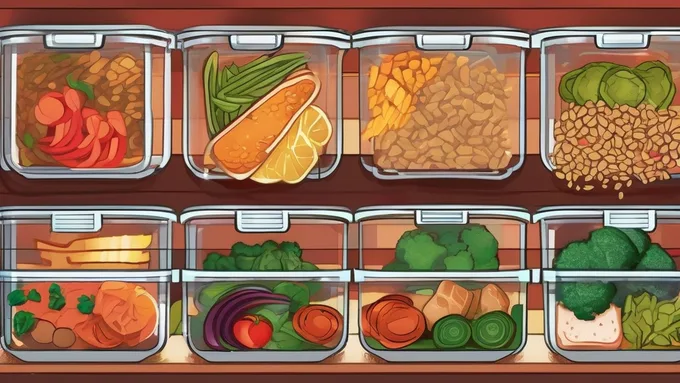
Batch cooking works best when you prep ingredients separately rather than complete meals. Cook large quantities of grains, roast sheet pans of vegetables with different seasonings, and prepare several protein options. This approach prevents meal fatigue while maintaining flexibility.
| Prep Component | Storage Time | Best Uses | Pro Tips |
|---|---|---|---|
| Cooked Grains | 5-7 days refrigerated | Bowl bases, side dishes | Cook in broth for extra flavor |
| Roasted Vegetables | 4-5 days refrigerated | Salads, grain bowls, sides | Season differently each batch |
| Cooked Proteins | 3-4 days refrigerated | Quick meal assembly | Undercook slightly for reheating |
| Chopped Raw Vegetables | 3-5 days refrigerated | Salads, snacks, quick cooking | Store in airtight containers |
If you're setting up your first kitchen for healthy meal prep, our complete kitchen setup guide covers the essential tools and equipment that make nutrition meal preparation efficient and enjoyable.
Container Strategy
Your storage system determines whether prepped ingredients stay fresh and appetizing or turn into expensive compost. Invest in quality glass containers with tight-fitting lids for cooked components. Glass doesn't absorb odors or stains and reheats evenly in the microwave.
Use different container sizes strategically. Large containers for batch-cooked grains and proteins, medium containers for roasted vegetables, small containers for sauces and dressings. Label everything with contents and date-trust me on this one.
Quick Assembly Nutrition Meals
The fastest nutrition meals come from smart combinations of prepped ingredients rather than cooking from scratch each time. Master a few flexible formulas and you can create satisfying, balanced meals in under five minutes.
According to 7-day healthy eating meal plans for men and women proven by science, this approach is supported by current research.
According to Recipes - Nutrition.gov, this approach is supported by current research.
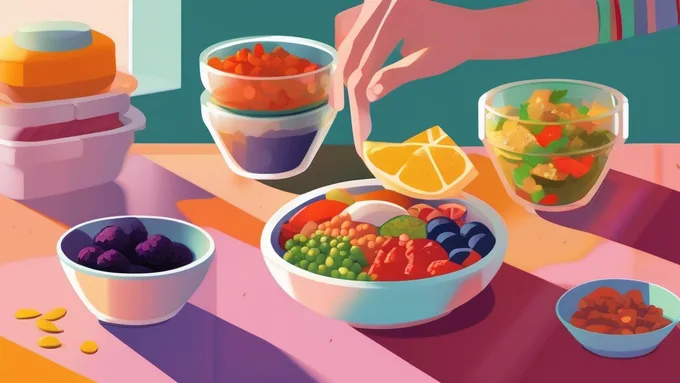
The Bowl Formula: Grain base + protein + roasted vegetables + fresh vegetables + healthy fat + flavorful sauce. Mix and match components based on what you have prepped and what flavors you're craving.
The Wrap Formula: Whole grain tortilla + protein + vegetables + healthy fat + sauce. Roll tightly and slice in half for easy eating. Works hot or cold.
The Salad Formula: Leafy greens + protein + complex carbs + healthy fats + colorful vegetables + dressing. The key is varying textures and temperatures to keep salads interesting.
- Mediterranean Bowl: Quinoa + grilled chicken + roasted vegetables + cucumber + olives + tahini dressing
- Mexican-Inspired Wrap: Black beans + brown rice + roasted peppers + avocado + salsa + Greek yogurt
- Asian Fusion Salad: Mixed greens + baked tofu + edamame + shredded carrots + sesame ginger dressing
- Breakfast Bowl: Oatmeal + Greek yogurt + berries + nuts + drizzle of honey
For students managing nutrition on a tight schedule and budget, these freezer meal ideas provide ready-made nutrition options that reheat beautifully and deliver complete nutrition without daily cooking.
Technology Tools for Nutrition Tracking
Smart nutrition tracking goes beyond calorie counting to help you understand how different foods affect your energy, mood, and overall health. The best apps learn your preferences and provide personalized insights rather than generic recommendations.
Modern food tracking apps use AI to recognize meals from photos, making logging effortless. Instead of searching through endless food databases, you simply snap a picture and the app identifies ingredients and calculates nutrition. This technology removes the biggest barrier to consistent tracking-the time and hassle of manual entry.
The BeCute app is what we are building toward that, and it is still in development. The design pairs photo recognition, barcode scanning and meal suggestions drawn from your own log, so the app will work from your real eating patterns, your restrictions and your goals. The rule we set ourselves: it should not tell you what you ought to eat, it should learn what you already enjoy and make those choices healthier.
Beyond Basic Tracking
Advanced nutrition apps provide insights that help you improve meal timing, identify nutrient gaps, and understand how different foods affect your energy levels. Look for features like meal pattern analysis, micronutrient tracking, and integration with fitness devices.
The most valuable insights come from tracking how you feel after different meals, not just what you ate. Note energy levels, hunger patterns, and mood changes to identify which nutrition meal combinations work best for your body and lifestyle.
Special Dietary Considerations
Complete nutrition meals adapt to virtually any dietary restriction or preference with smart ingredient substitutions and careful planning. The key principles-balanced macronutrients, adequate protein, and plenty of vegetables-remain constant regardless of your specific needs.
Plant-based nutrition requires attention to protein combining and vitamin B12, but offers advantages in fiber, antioxidants, and anti-inflammatory compounds. Combine complementary proteins like rice and beans, quinoa and nuts, or hummus and whole grain bread to ensure complete amino acid profiles (PMC).
Gluten-Free Nutrition Meals
Gluten-free eating focuses on naturally gluten-free whole foods rather than processed alternatives. Build meals around rice, quinoa, potatoes, and corn as your grain base. Protein sources like meat, fish, eggs, and legumes are naturally gluten-free and provide the foundation for satisfying meals.
Watch for hidden gluten in sauces, seasonings, and processed foods. Read labels carefully and choose certified gluten-free products when necessary. Many nutrition meal formulas work perfectly gluten-free with simple grain swaps.
Low-Carb Adaptations
Low-carb nutrition meals emphasize protein and healthy fats while using non-starchy vegetables for volume and nutrients. Replace grain bases with cauliflower rice, zucchini noodles, or extra vegetables. Increase healthy fats from avocados, nuts, olive oil, and fatty fish to maintain satiety.
The challenge with low-carb eating is getting enough fiber and micronutrients typically found in whole grains and fruits. Focus on colorful, non-starchy vegetables and consider targeted supplementation for nutrients like magnesium and potassium.
For creative meal solutions that work with minimal cooking equipment, these electric kettle recipes show how to create complete nutrition meals using just hot water and smart ingredient combinations.
Building a sustainable nutrition meal routine starts with understanding your real constraints-time, budget, cooking skills, and food preferences-then working within those limits rather than against them. The most successful approach combines batch preparation with flexible formulas that adapt to your changing schedule and cravings.
Focus on progress over perfection. Start with one or two nutrition meal formulas you genuinely enjoy, master those combinations, then gradually expand your repertoire. Consistency with simple, balanced meals beats sporadic attempts at complex recipes you'll abandon after a week.
Sources
- CDC (2024). "Healthy Eating Tips." Centers for Disease Control and Prevention
- PMC (2022). "Nutrition, Food and Diet in Health and Longevity: We Eat What We Are." PubMed Central
What You Need to Know About Nutrition Meals
What makes a meal nutritionally complete?
A nutritionally complete meal is balanced with macronutrients and essential vitamins. It typically includes a mix of proteins, carbohydrates, and healthy fats, along with vitamins and minerals. Think of it like this: a plate with half vegetables and fruits, a quarter lean protein, and a quarter whole grains. This balance helps maintain energy levels and supports overall health. For example, a meal of grilled chicken, quinoa, and mixed veggies hits all the right notes. Tracking these components takes a minute a meal on paper today, and BeCute is being built to keep that count for you. Remember, variety is key to getting all the nutrients you need.
You might also find our guide on you meals: personalize your nutrition journey helpful.
How do I start planning nutrition meals?
Start by setting clear goals and organizing your meals around them. Begin with a weekly plan that includes breakfast, lunch, dinner, and snacks. Use a template to list out meals and ingredients needed, focusing on whole foods. Meal suggestions that follow your dietary preferences are what BeCute is being built to produce, and it is not downloadable yet. Start small-maybe plan just dinners for the first week-and gradually expand as you get comfortable. Consistency is more important than perfection, so don't stress over occasional slip-ups.
Are nutrition meals worth the cost?
Yes, investing in nutrition meals can save you money and health costs in the long run. While some ingredients might seem pricier upfront, they often provide more nutrients per calorie compared to processed foods. For instance, a bag of quinoa might cost more than a box of pasta, but it offers more protein and fiber. Plus, meal planning reduces food waste and unnecessary grocery trips. Over time, the health benefits, like reduced risk of chronic diseases, make it a worthwhile investment.
What's the difference between nutrition meals and regular meals?
Nutrition meals are specifically designed to provide balanced nutrients, while regular meals might not meet these criteria. Regular meals can often be high in calories but low in essential nutrients, leading to energy crashes and nutrient deficiencies. In contrast, nutrition meals focus on whole, unprocessed ingredients that offer a balanced intake of proteins, carbs, and fats. They aim to support your body's needs, improve energy levels, and enhance overall well-being.
How can technology help with nutrition tracking?
Technology makes nutrition tracking easier and more accurate. BeCute is being built so that once it opens you will scan barcodes, recognize meals from photos, and get personalized nutrition insights. This technology helps you understand what you're eating and how it fits into your dietary goals. You can track calories, macronutrients, and even micronutrients with just a few taps. This data-driven approach can lead to better eating habits and improved health outcomes over time.
FAQ
How much protein should each nutrition meal contain?
Aim for 20-30 grams of protein per meal to support muscle synthesis and maintain satiety between meals. This translates to about a palm-sized portion of meat, fish, or tofu, or 3/4 cup of legumes combined with grains for plant-based options.
For a page like Nutrition Meals, grams beat guesses, and counting protein and the rest of the macros off the label is one of the things BeCute is being built to do, and numbers like the 20-30 grams above are what a plan has to carry; the app is not yet on the App Store or Google Play.
Can I meal prep complete nutrition meals for the entire week?
While you can prep components for a full week, assembled meals stay fresh for 3-4 days maximum. Instead, batch cook proteins, grains, and roasted vegetables separately, then combine them into fresh meals throughout the week for better taste and food safety.
Meal prep is what Nutrition Meals turns on, and it is a habit BeCute is being built to support with plans, reminders and streaks rather than to replace, and numbers like the 3-4 days above are what a plan has to carry; the app behind it is not yet on the App Store or Google Play.
What's the most cost-effective way to get complete nutrition?
Focus on affordable protein sources like eggs, canned fish, dried beans, and chicken thighs paired with seasonal vegetables and bulk grains. This approach provides complete nutrition for roughly $3-4 per meal compared to $8-12 for prepared alternatives.
For the money side of Nutrition Meals, the answer from us is that BeCute is free during early access, and free is a promise about launch rather than a product you can obtain today, and a figure like the $3-4 above only means something once it is yours; the app is not yet on the App Store or Google Play.
How do I track nutrition in homemade meals accurately?
Use apps with photo recognition technology that can identify ingredients and calculate nutrition automatically. For complex recipes, log ingredients by weight during cooking, then divide by servings. Consistency matters more than perfect accuracy for long-term success.
On Nutrition Meals, logging a meal by barcode or by photo is one of the features BeCute is being built around; BeCute is not yet on the App Store or Google Play, and the early access waitlist at becute.app is what exists in the meantime.
Are nutrition meal replacement shakes as good as whole food meals?
Whole food meals provide fiber, satiety, and nutrients that processed shakes can't match. While meal replacement products work for occasional convenience, they shouldn't replace regular meals long-term. Your body processes whole foods more effectively than isolated nutrients.
Questions like the one above on Nutrition Meals are exactly what BeCute, an AI meal planning and nutrition app, is being built around; the app is not yet on the App Store or Google Play.
What's the biggest mistake people make with nutrition meal planning?
Overcomplicating the process with too many different recipes and ingredients. Start with 3-4 flexible meal formulas using ingredients you actually enjoy, master those combinations, then gradually expand your options. Consistency beats complexity every time.
A week gets rewritten sooner or later, and on Nutrition Meals rewriting one without rewriting every meal in it is what BeCute is being built to handle; the app behind it is not yet on the App Store or Google Play, and what does work today is the free 5 meals a day schedule at becute.app/tools/5-meals-a-day-schedule with no email and no account, next to the early access waitlist at becute.app for the app.

Written by
Oleksandr PaduraFounder & CEO at BeCute
Oleksandr Padura is the founder of BeCute. He is building an AI nutrition planner that turns personal goals into a daily meal plan. The app is not yet on the App Store or Google Play, and the waitlist gets access first.
Published: 2026-04-23
Disclaimer: This article is for informational purposes only and is not a substitute for professional medical advice, diagnosis, or treatment. Always consult a qualified healthcare provider before making changes to your diet or health routine.