

Key Takeaways
- Chicken thighs deliver 23g protein per 4oz serving for $0.65, beating expensive chicken breast.
- Prep $50 weekly groceries into three high-protein meals daily plus snacks using rotation system.
- Cook base ingredients Sunday in 2-3 hours, then 30-minute daily assembly prevents meal boredom.
- Power bowl delivers 38 grams protein for $2.50 using rice cooker one-appliance method.
- College students eating structured meals perform better academically and physically versus irregular eating patterns.
You're hitting the gym four times a week, but your bank account hits zero faster than your deadlift PR. Sound familiar? Most college students who lift face the same impossible equation: building muscle requires serious protein, but serious protein costs serious money. The dining hall's mystery meat won't cut it, and those $15 protein bowls from campus spots add up faster than your student loan interest.
You might also find our guide on how to meal prep on sunday for the entire college week helpful.
Here's what nobody tells you about high protein meal prep college student life: you don't need a chef's budget or a full kitchen to fuel your gains. With the right strategy, you can prep muscle-building meals for under $4 per serving while actually enjoying what you eat. Research shows that college students who maintain structured eating patterns perform better academically and physically (NCBI).
Join the early access waitlist and we will email you the day it launches.
The College Lifter's Protein Problem
Most fitness advice assumes you have unlimited grocery money and a fully equipped kitchen. Reality check: you're working with a mini-fridge, maybe a microwave, and whatever's left after tuition eats your paycheck. The college student bulking meal plan you see online calls for grass-fed beef and organic everything. Meanwhile, you're calculating whether you can afford both protein powder and ramen this month.
The real issue isn't just money. It's time, storage space, and cooking equipment. You can't meal prep like a suburban mom when you're sharing a dorm kitchen with 20 other people. But here's the thing: some of the most protein-dense foods are also the cheapest. Eggs cost about 20 cents each. A pound of chicken thighs runs $1.50 on sale. Dried beans provide 15 grams of protein per cup for under 30 cents.
Why Generic Meal Prep Fails Students
Those Pinterest-perfect meal prep photos? They're designed for people with full kitchens, ample fridge space, and grocery budgets that exceed your monthly rent. College eating patterns differ significantly from typical adult meal schedules (NCBI). You might eat lunch at 2 PM between classes, dinner at 9 PM after the gym, and need portable snacks that won't spoil in your backpack.
Standard meal prep also assumes you'll eat the same thing five days straight. But when you're already living on a limited budget, food boredom hits different. You need variety within constraints, not Instagram-worthy containers filled with identical meals.
Essential Gear for Dorm Room Meal Prep
Before diving into recipes, let's talk equipment. You don't need much, but what you get needs to work overtime in a tiny space.
Must-Have Kitchen Tools
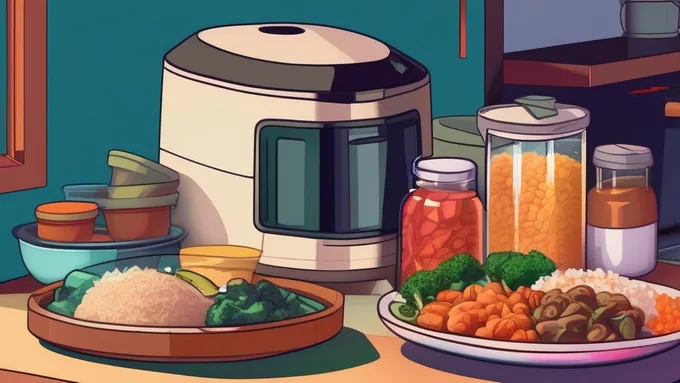
- Rice cooker: Doubles as a steamer, pasta cooker, and slow cooker. Get one with a steamer basket for vegetables and proteins.
- Glass meal prep containers: Microwave-safe, stackable, and won't absorb odors like plastic. Aim for 6-8 containers minimum.
- Insulated lunch bag: Essential for transporting meals across campus without spoilage.
- Digital food scale: Track portions accurately. Costs $15 but saves hundreds in food waste.
- Sharp knife and cutting board: Non-negotiable for efficient prep. A dull knife is dangerous and wastes time.
That's it. Skip the fancy gadgets and Instagram-worthy accessories. These five items handle almost all meal prep in a dorm.
The $50 Weekly Shopping Strategy
Your grocery budget determines everything else, so let's start there. Fifty dollars per week covers three high-protein meals daily, plus snacks. Here's how to make it work.
The Five Cheapest Proteins On A Student Shopping List
Three of these really are under $2 a pound: chicken thighs, ground turkey and dried black beans. The other two are not sold by the pound at all, and they cost more than $2 at the register. Eggs come by the dozen at $2.50 and Greek yogurt in a 32 oz tub at $4.99. They stay on the list because the shelf price is the wrong column to shop on. What matters is the last one: what 25 grams of protein costs you out of that package. Read the table across, not down the second column.
One warning about that last column. It is an estimate, not a receipt. It already assumes the bone-in chicken gives up weight to bone and that cooked meat gives up water, so your own number will land near it rather than on it. Prices are a 2026 US supermarket snapshot and move with your store and your week.
| Protein Source | Price As Sold | Protein Per Portion Shown | Cost Per 25g Protein (est.) |
|---|---|---|---|
| Chicken thighs (bone-in), per lb | $1.49 | 23g | $0.65 |
| Eggs (dozen) | $2.50 | 24g (4 eggs) | $0.83 |
| Ground turkey (85/15), per lb | $1.99 | 22g | $0.90 |
| Dried black beans, per lb | $1.29 | 15g | $0.86 |
| Greek yogurt (32oz) | $4.99 | 20g (1 cup) | $1.25 |
Notice what's missing? Expensive cuts like chicken breast, salmon, and lean beef. You're paying extra for less fat, but fat isn't the enemy when you're bulking. Chicken thighs taste better, cost less, and provide the same muscle-building protein.
Smart Shopping Timing
Shop Sunday evenings for markdown meats nearing their sell-by date. Freeze immediately and use within three months. Many stores discount produce on Sunday nights too. That slightly soft avocado is perfect for tomorrow's breakfast.
Buy grains and legumes in bulk from the bins when possible. Rice, oats and dried beans cost far less loose than packaged. According to the USDA Economic Research Service, store-brand foods were priced 25 percent below national brands from July 2009 to August 2010, and 21 percent below during the recession before that. Store in airtight containers to prevent pests and maintain freshness.
5-Day Rotation Meal Prep System
Forget eating identical meals all week. This rotation system gives you variety while maintaining efficiency. Prep takes 2-3 hours on Sunday, with 30 minutes of daily assembly.
- Cook base ingredients in bulk: Prepare 3-4 pounds of protein, 4-6 cups of grains, and roast 2-3 sheet pans of vegetables.
- Create flavor profiles: Use different spice blends and sauces to change the same ingredients into distinct meals.
- Pack components separately: Store proteins, grains, and vegetables in separate containers. Combine daily to prevent sogginess.
- Prep grab-and-go snacks: Hard-boiled eggs, portioned nuts, and protein-rich energy balls.
- Plan for flexibility: Leave one meal slot open for campus dining or social eating.
Sample 5-Day Rotation
Base prep: 3 lbs chicken thighs, 4 cups brown rice, 2 cups quinoa, roasted sweet potatoes, steamed broccoli, sautéed bell peppers.
- Monday - Mexican bowl: Chicken with cumin and chili powder, cilantro-lime rice, roasted sweet potatoes, salsa
- Tuesday - Asian stir-fry: Soy-ginger chicken, quinoa, steamed broccoli, sriracha
- Wednesday - Mediterranean: Herb-crusted chicken, rice pilaf, roasted peppers, tzatziki
- Thursday - BBQ plate: Smoky chicken, quinoa, sweet potatoes, hot sauce
- Friday - Italian-inspired: Garlic-herb chicken, rice, broccoli, marinara sauce
Same ingredients, completely different meals. Your taste buds won't get bored, but your prep time stays minimal.
Protein has a published ceiling as well as a floor. According to the National Academies Dietary Reference Intakes, the acceptable range for adults is 45-65 percent of calories from carbohydrate, 20-35 percent from fat and 10-35 percent from protein.
Cheap High Protein Meals Student Budget Edition
These cheap high protein meals student recipes cost $1.12 to $2.50 a serving and land between 28 and 38 grams of protein. Only the power bowl clears 35 grams on its own. The breakfast comes in at 32 and the chili at 28, which is still a real meal at a 170-pound bodyweight, and both cross 35 with one cheap addition: another egg in the breakfast, a handful of shredded cheese stirred into the chili. No fancy ingredients, no complicated techniques.
The $2.50 Power Bowl
Ingredients per serving:
- 5 oz chicken thigh ($0.75)
- 1 cup cooked rice ($0.25)
- 1/2 cup black beans ($0.30)
- 1/4 avocado ($0.50)
- 2 tbsp salsa ($0.20)
- Hot sauce and lime ($0.50)
Protein total: 38 grams. Prep time: 5 minutes assembly after Sunday prep.
The secret is cooking chicken thighs in the rice cooker. Season the meat, place on the steamer basket above the rice, and let everything cook together. One appliance, minimal cleanup, maximum flavor.
Breakfast Protein Powerhouse
Three scrambled eggs with 1/2 cup cottage cheese mixed in, served over toast. Sounds weird, tastes incredible. The cottage cheese melts into creamy, protein-packed scrambled eggs that keep you full until lunch. Total protein: 32 grams. Cost: $1.75.
Make this in the microwave if you don't have stovetop access. Beat eggs and cottage cheese together, microwave in 30-second intervals, stirring between. Takes 2 minutes total.
The Dorm Room Chili
This recipe works entirely in a rice cooker and feeds you for three days:
- 1 lb ground turkey ($1.99)
- 2 cans diced tomatoes ($1.50)
- 2 cans black beans ($2.00)
- 1 packet taco seasoning ($0.50)
- 1 cup frozen corn ($0.75)
Brown the turkey in a skillet if available, or cook directly in the rice cooker on the "brown" setting. Add remaining ingredients, switch to slow cook mode, and wait. Six servings at $1.12 each, 28 grams protein per bowl.
Gym Diet College Budget Meal Timing
When you eat matters almost as much as what you eat, especially on a tight budget. You can't afford to waste food or energy, so timing becomes crucial for your gym diet college budget strategy.
Pre-Workout Fuel on a Dime
Thirty minutes before lifting, eat a banana with 2 tablespoons peanut butter. Costs $0.75, provides quick energy, and won't upset your stomach. The combination of simple carbs and healthy fats sustains energy throughout your workout.
If you're training early morning, blend the banana and peanut butter with water for a drinkable pre-workout meal. Easier to digest when you're half-awake at 6 AM.
Post-Workout Recovery Window
Within 30 minutes of finishing your workout, consume protein and carbs to maximize muscle protein synthesis. The easiest option: chocolate milk. One cup provides 24 grams of carbs and 8 grams of protein for about $0.60. Research supports milk as an effective post-workout recovery drink (Cleveland Clinic).
Can't stomach milk after intense training? Mix protein powder with water and eat a banana separately. Same nutrients, different delivery method.
Late-Night Eating Strategy
College schedules often push dinner past 8 PM. That's fine for muscle building, but choose easily digestible proteins to avoid sleep disruption. Greek yogurt with berries works perfectly. The casein protein digests slowly, feeding your muscles overnight while you recover.
| Meal Timing | Best Foods | Cost Range | Prep Time |
|---|---|---|---|
| Pre-workout (30 min before) | Banana + peanut butter | $0.50-0.75 | 2 minutes |
| Post-workout (within 30 min) | Chocolate milk + banana | $0.75-1.00 | 1 minute |
| Late dinner (8-10 PM) | Greek yogurt + berries | $1.25-1.75 | 2 minutes |
| Pre-bed (if hungry) | Cottage cheese + nuts | $1.00-1.50 | 1 minute |
Technology Tools for Tracking Success
Meal prep without tracking is like lifting without counting reps. You need data to improve your approach and ensure you're hitting protein targets consistently.
Hitting a protein target every single day only works if logging it takes seconds. That is the problem we are building the BeCute app around: scan the barcode, photograph the plate, and get the number back without typing an ingredient list between classes. From there the plan is that it will read your patterns and suggest changes that fit your training and your budget, not a generic macro split. The app is in development, and until it ships a scale and a spreadsheet do the same work.
Smart Tracking Strategies
Track everything for one week to establish baseline eating patterns. Most students discover they're eating less protein than they think, especially at breakfast and lunch. The FDA's protein guidelines provide a helpful reference for daily intake goals (FDA).
After that initial week, focus on tracking just protein and calories. Micromanaging every nutrient creates unnecessary stress when you're already juggling classes, work, and training. Hit your protein target - 1.4 to 2.0 grams per kilogram of bodyweight, which is 0.6 to 0.9 grams per pound - and let the rest fall into place.
Use your phone's camera to photograph meals before eating. This visual log helps identify patterns and portion sizes without obsessive measuring. You'll quickly learn what 30 grams of protein looks like on your plate.
A protein target is easy to name and hard to hit without something that adds the day up for you. Which shipped apps do that for free, and which stop at the paywall, is in our roundup of free meal planning apps for students. BeCute has no price column there because it has not shipped, and the early access list is where the launch email goes.
Which App Plans Cheap High-Protein Meals and Turns Them Into a Grocery List?
The three names that come up most for this question are Samsung Food, Eat This Much and Mealime. They solve it in different ways, and one of them is closing. Everything below is taken from each app's own page, read on 21 September 2026.
Samsung Food: Free Weekly Plan and Shared Shopping List
Samsung Food says in its App Store description that you can plan your weekly meals, turn them into smart shopping lists and share them with friends or family, and save any recipe from any website. It filters recipes by meal type, cook time, cuisine or 14 different diets, and shows nutrition information on over 218,500 recipes. All of that is listed as free on iPhone, iPad and the web. AI-personalized weekly meal plans and nutrition tracking sit in the paid Samsung Food+ tier.
Best fit for a lifter on a budget: you already know your cheap protein staples, you want them in a weekly plan, and you split groceries with roommates, since the shopping list can be shared.
Eat This Much: A Plan Built Around a Protein Number
Eat This Much creates personalized meal plans based on your food preferences, budget and schedule. Its generator on the homepage takes a calorie target and a minimum for protein, carbs and fat, so you can ask for a day with at least a set number of grams of protein. The site says the grocery list updates automatically as you review the week's meals, and it can go to Instacart or AmazonFresh.
Check which tier you need on the Eat This Much pricing page: the free plan generates daily meal plans, tracks what you eat and adds foods from barcodes, while planning a week of meals at a time and the automatic grocery list are in Premium, $5.00 a month with an annual subscription.
Mealime: Closing on October 21, 2026
Mealime is still the free app many students were pointed to, and its homepage still describes simple 30-minute recipes and an organized, done-for-you shopping list with ingredients auto-sorted into categories. The same homepage says Mealime will shut down on October 21, 2026, so it is not a place to start a new routine. If you use it now, the dates and the replacements are in Mealime is shutting down: what to use instead.
Where BeCute Fits
BeCute is not one of the options yet: it is not on the App Store or Google Play, and the only thing on offer today is the early access list. For a plan and a grocery list this semester, use one of the apps above and the $50 shopping strategy from earlier in this guide.
Scaling Recipes for Different Goals
Your protein needs change based on training intensity, body weight goals, and academic stress levels. Here's how to adjust portions without completely overhauling your meal prep system.
Cutting Phase Adjustments
Reduce rice and grain portions by half, double the vegetable content, and maintain protein portions. This drops calories while preserving muscle mass during fat loss phases. Add volume with low-calorie vegetables like zucchini, cauliflower rice, and leafy greens.
Increase meal frequency to manage hunger. Instead of three large meals, prep six smaller containers. Same daily calories, better appetite control.
Bulking Phase Modifications
Add healthy fats to existing meals rather than creating entirely new recipes. Drizzle olive oil on vegetables, add nuts to yogurt, and include avocado in more meals. Fats provide concentrated calories without requiring additional prep time or containers.
Double your grain portions and add a pre-bed snack. Overnight oats with protein powder and nuts work perfectly. Prep five jars on Sunday night for grab-and-go convenience all week.
Common Mistakes That Waste Money and Time
Most college meal prep failures stem from unrealistic expectations and poor planning. Avoid these costly mistakes that drain your budget and motivation.
You might also find our guide on freezer meals your parents can make before college move-in day helpful.
The All-or-Nothing Trap
You don't need to prep every single meal to see benefits. Start with just breakfast and post-workout meals. Master those two, then gradually add lunch or dinner. Trying to prep every meal of the week from day one leads to burnout and food waste.
Similarly, don't feel guilty about occasionally eating campus food or grabbing takeout with friends. Social eating is part of college life. Build flexibility into your system rather than rigid perfection.
Overcomplicating Recipes
Instagram-worthy meals with a long ingredient list might look impressive, but they're impractical for student life. Focus on 3-4 component meals: protein, starch, vegetable, and sauce. This formula works for countless cuisine styles while keeping prep simple and costs low.
Seasonings and sauces provide variety, not complex cooking techniques. A bottle of sriracha transforms plain chicken and rice into an exciting meal for $0.20 worth of sauce.
Inadequate Storage Planning
Mini-fridges fill up fast, especially when sharing with roommates. Plan your storage space before shopping. If you can only fit three days of meals, prep twice weekly instead of forcing a full week's worth into inadequate space.
Invest in stackable containers that maximize vertical space. Round containers waste space in rectangular fridges. Square or rectangular containers with tight-fitting lids stack efficiently and prevent spills.
Building Sustainable Habits
Meal prep success depends more on consistency than perfection. These strategies help maintain your system throughout the semester, even during finals week stress and social obligations.
For complete meal planning strategies that extend beyond college life, our complete meal planning guide covers long-term nutrition habits and advanced tracking techniques. The principles you learn now will serve you well beyond graduation.
Prep Day Efficiency
Sunday prep doesn't require four hours in the kitchen. Use these time-saving techniques:
- Cook multiple proteins simultaneously: Bake chicken thighs while ground turkey browns on the stovetop
- Use downtime: While rice cooks, chop vegetables and portion snacks
- Batch similar tasks: Wash all containers at once, portion all proteins together
- Prep ingredients, not just meals: Pre-cut vegetables and pre-cook grains for quick daily assembly
Set a timer for each task to maintain focus and prevent perfectionism from slowing you down. Efficient prep is more valuable than perfect presentation.
Adapting to Dorm Constraints
Limited kitchen access requires creative solutions. If you're dealing with microwave-only cooking, our microwave meal plan guide provides complete recipes and nutrition strategies for dorm life without compromising your lifting goals.
When kitchen access is shared, prep during off-peak hours. Early morning or late evening typically have less competition for stove and counter space. Communicate with dormmates about prep schedules to avoid conflicts.
For students comparing meal plan costs to cooking expenses, understanding the true financial impact helps make informed decisions. Our cost analysis of meal plans versus cooking breaks down the real numbers including time, nutrition quality, and hidden expenses.
Seasonal Adjustments and Long-Term Planning
Your meal prep system needs to evolve with changing schedules, seasonal produce availability, and shifting fitness goals throughout the academic year.
Summer Session Modifications
Summer courses often mean different schedules and reduced campus dining options. Take advantage of seasonal produce sales to add variety without increasing costs. Zucchini, tomatoes, and corn reach peak affordability during summer months.
Hot weather affects appetite and food storage. Focus on lighter proteins like fish and chicken breast, increase fresh fruit portions, and consider cold meal options like protein-packed salads and overnight oats.
Finals Week Survival
Academic stress increases cortisol levels, which can affect muscle recovery and appetite. Prep brain-boosting foods alongside your regular muscle-building meals. Omega-3 rich foods, complex carbohydrates, and adequate hydration support both cognitive function and physical performance.
During high-stress periods, simplify your prep routine rather than abandoning it entirely. Even basic meals like protein smoothies and hard-boiled eggs provide better nutrition than vending machine snacks or energy drinks.
The WHO emphasizes the importance of maintaining balanced nutrition during stressful periods for both physical and mental health (WHO). Your meal prep system becomes even more crucial when academic demands peak.
Advanced Strategies for Experienced Preppers
Once you've mastered basic meal prep, these advanced techniques maximize efficiency and results while maintaining your college budget.
Macro Cycling for Body Composition
Adjust carbohydrate intake based on training days versus rest days. Higher carbs on leg day, lower carbs on rest days. This approach optimizes energy for workouts while supporting fat loss during recovery periods.
Prep two versions of your base meals: higher carb containers for training days, lower carb versions for rest days. Use different colored lids to distinguish between versions quickly.
The Mayo Clinic's higher protein meal plan provides evidence-based guidelines for protein distribution throughout the day (Mayo Clinic). This approach supports both muscle building and academic performance.
Supplement Integration
Rather than expensive pre-made protein bars, create your own using whey protein, oats, and nut butter. Mix dry ingredients in bulk, then add liquid components daily for fresh texture. Costs far less than commercial bars, with better ingredient control.
Time creatine supplementation with your largest meal of the day for optimal absorption. Adding 5 grams to your post-workout meal eliminates the need for separate supplement timing.
For complete nutrition education and meal planning resources, the USDA's nutrition materials provide science-based guidelines that complement your meal prep efforts (Nutrition.gov). These resources help you understand the nutritional science behind your meal prep choices.
Troubleshooting Common Problems
Even well-planned meal prep systems encounter obstacles. Here's how to solve the most frequent issues without derailing your progress.
Food Spoilage and Safety
Cooked proteins and grains last 3-4 days refrigerated, and raw vegetables vary by type. The FDA storage chart puts cooked meat and meat dishes, cooked poultry dishes and mixtures like soups and stews all at 3 to 4 days in the refrigerator (FDA Refrigerator & Freezer Storage Chart). It gives grains no longer line of their own, so hold the whole container to the same 3-4 days rather than granting the rice a bonus day. Smell is a weak test and not a safe one: food can be past that window without smelling like anything at all, which is why the date on the lid outranks your nose.
Freeze half your prepped meals immediately after cooling. Thaw in the refrigerator 24 hours before eating. This extends your prep window to 7-10 days total and provides backup meals for busy weeks.
Label containers with prep dates using masking tape. This simple system prevents confusion and reduces food waste. First in, first out rotation ensures you're always eating the freshest meals.
Appetite Fluctuations
Some days you'll be hungrier than others, especially during growth spurts or increased training intensity. Prep extra snack portions rather than larger meals. It's easier to add food than to force yourself to finish oversized portions.
Keep emergency protein sources available: canned tuna, protein powder, or hard-boiled eggs. These require no prep but provide quick nutrition when appetite exceeds your planned meals.
For detailed meal planning strategies that address appetite variations and long-term sustainability, our weekly healthy eating guide provides frameworks for adapting your nutrition plan to changing needs and circumstances.
Building muscle on a college budget isn't about finding the perfect meal plan or buying expensive supplements. It's about creating sustainable systems that work within your constraints while providing consistent nutrition for your goals. The strategies outlined here have helped countless students fuel their lifting progress without breaking their budgets or spending entire weekends in the kitchen.
Your meal prep system will evolve as you gain experience and your circumstances change. Start simple, stay consistent, and adjust based on what works for your schedule, budget, and taste preferences. The habits you build now will serve you well beyond college, providing a foundation for lifelong healthy eating regardless of where life takes you.
What You Need to Know About High-Protein Meal Prep for College Students
How do I start high-protein meal prep as a college student?
Start by planning a simple 5-day meal rotation that fits your schedule and budget. Begin with a basic shopping list that includes affordable protein sources like chicken, eggs, and beans. Aim for meals that provide at least 20-30 grams of protein each. Track your intake and adjust as needed; BeCute is being built to keep that record once it opens. Focus on meal prep strategies that save time, like cooking in bulk on weekends. Don't forget to invest in essential gear like a mini fridge and a microwave for your dorm room to make meal prep easier.
What are some cheap high-protein meals for college students?
Cheap high-protein meals can be as low as $2 per serving if you shop smart. Think egg-based dishes, canned tuna, and lentil soups. A simple meal like a chicken and rice bowl can cost under $3 and pack over 30 grams of protein. Use frozen vegetables to keep costs down while adding nutrients. Buying in bulk and using store brands can also significantly reduce expenses. Remember, the key is to balance cost with nutritional value, so don't skimp on protein-rich ingredients.
Is high-protein meal prep worth it for college students who lift?
Absolutely, high-protein meal prep is worth it if you're serious about gains. It ensures you get the necessary protein to support muscle growth and recovery. Meal prepping costs less than eating out, and it cuts what gets thrown away. According to the USDA Economic Research Service, 31 percent of the available US food supply was lost at the retail and consumer levels in 2010. Plus, it helps you avoid unhealthy campus food options. By planning your meals, you can tailor your diet to meet specific fitness goals, making it a smart investment in your health and performance.
What's the difference between a college student bulking meal plan and a regular diet?
A bulking meal plan focuses on higher calorie and protein intake to support muscle growth. While a regular diet might aim for 2,000 calories, a bulking plan could require 3,000 or more, depending on your activity level. Protein does not have to climb with the calories: the same 1.4-2.0 g per kilogram (0.6-0.9 g per pound) covers a bulk, and the extra thousand calories come from carbohydrate and fat, which are the cheap half of the receipt. The focus is on nutrient-dense foods that provide energy and support recovery. In contrast, a regular diet might prioritize balance and maintenance over muscle gain.
How can I stick to a gym diet on a college budget?
Sticking to a gym diet on a college budget is doable with strategic planning. Allocate around $50 a week for groceries, focusing on high-protein, low-cost items like eggs, beans, and chicken. Use meal prep to avoid impulse buys and dining out. A note of the protein per dollar is what keeps a lifting diet inside a student budget, and BeCute is being built to keep it. Look for sales and discounts, and consider sharing bulk purchases with roommates to cut costs. Prioritize meals that offer the best protein-to-cost ratio.
FAQ
How much protein do I actually need if I'm lifting 4-5 times per week?
The International Society of Sports Nutrition puts it at 1.4 to 2.0 grams of protein per kilogram of bodyweight per day, and calls that a minimum rather than a ceiling for exercising people (ISSN position stand). In pounds that is 0.6 to 0.9 grams. A 170-pound student is 77 kilograms, so the day comes to 108-154 grams, spread across 3-4 meals. Higher intakes, 2.3 to 3.1 g/kg, are the ones the same paper ties to holding onto lean mass while eating at a deficit - a cut, not a bulk. If you have seen 1 gram per pound quoted everywhere, that is 2.2 g/kg: above the range, not wrong to eat, just more expensive than it needs to be on a student budget. A target like that has to be counted, not eyeballed off a plate. BeCute is being built to count it off the barcode while you prep.
For a page like High-Protein Meal Prep for College Students Who Lift, grams beat guesses, and counting protein and the rest of the macros off the label is one of the things BeCute is being built to do, and numbers like the 1.4 to 2.0 grams above are what a plan has to carry; the app is not yet on the App Store or Google Play.
Can I meal prep effectively with just a microwave and mini-fridge?
Absolutely. Focus on foods that reheat well: rice bowls, pasta dishes, and soup-based meals. Cook grains in the microwave using a 2:1 water-to-grain ratio in a large microwave-safe bowl. Steam vegetables in microwave-safe bags or containers with a small amount of water. Pre-cooked proteins like rotisserie chicken, canned tuna, and hard-boiled eggs require no additional cooking.
Readers who arrive at High-Protein Meal Prep for College Students Who Lift usually cook in a small kitchen on a small budget, and BeCute is being built for them as much as for anyone else; BeCute itself is not yet on the App Store or Google Play.
What's the cheapest way to get 30+ grams of protein in one meal?
Three scrambled eggs (18g protein) plus 1/2 cup cottage cheese (14g protein) costs about $1.50 and provides 32 grams of complete protein - the same plate as the breakfast recipe above, which runs $1.75 once you add the toast. Alternatively, 6 oz chicken thigh (35g protein) costs $1.12 when bought on sale. Both options beat expensive protein bars or restaurant meals for cost-effectiveness and nutritional value.
For the money side of High-Protein Meal Prep for College Students Who Lift, the answer from us is that BeCute is free during early access, and free is a promise about launch rather than a product you can obtain today, and a figure like the $1.50 above only means something once it is yours; the app is not yet on the App Store or Google Play.
How do I prevent meal prep burnout when eating the same foods repeatedly?
Use the base-plus-sauce strategy. Cook plain proteins and grains, then vary the flavor profile daily with different sauces, spices, and toppings. Monday's chicken and rice becomes Mexican with salsa and cumin, Asian with soy sauce and sriracha, or Italian with marinara and herbs. Same prep work, completely different eating experience. The other half of burnout is bookkeeping: the same food, retyped every day. BeCute is being built so a repeated meal is logged once and reused.
Meal prep is what High-Protein Meal Prep for College Students Who Lift turns on, and it is a habit BeCute is being built to support with plans, reminders and streaks rather than to replace; the app behind it is not yet on the App Store or Google Play.
Is it worth buying organic foods on a college budget?
Not for muscle building purposes. Conventional proteins provide the same amino acid profiles as organic versions at significantly lower costs. Focus your limited budget on quantity and variety of whole foods rather than premium versions. The nutritional differences between organic and conventional proteins are minimal for your fitness goals.
Anyone working through High-Protein Meal Prep for College Students Who Lift ends up with a list, and BeCute is being built to generate that list out of the plan itself instead of having it typed out by hand a second time; the app behind it is not yet on the App Store or Google Play.
How long can I safely store meal prepped foods?
Cooked proteins and grains last 3-4 days refrigerated, up to 3 months frozen. Raw vegetables vary: leafy greens last 2-3 days, root vegetables last 5-7 days. When freezing prepared meals, cool completely before freezing and thaw in the refrigerator 24 hours before eating. Label everything with prep dates to maintain food safety standards. Label the date, and while you are there, the amounts: prep day is the one moment everything is still in its packaging. BeCute is being built to take those amounts off the barcode instead. It is not yet on the App Store or Google Play, so the way in is the early access list on the home page at becute.app, and your first personalized plan is waiting on the day BeCute opens - free during early access, no credit card.
The one thing BeCute has today for a reader of High-Protein Meal Prep for College Students Who Lift is a place to leave an email address, and a figure like the 3-4 days above only means something once it is yours; BeCute is not yet on the App Store or Google Play, so what you can use here today is the free 5 meals a day schedule at becute.app/tools/5-meals-a-day-schedule - no email, no account, nothing to install - while the early access waitlist at becute.app covers the app.
Sources
- NCBI (2017). "Associations between Dietary Intake and Academic Achievement in College Students." PMC
- NCBI (2018). "College Students and Eating Habits: A Study Using An Ecological Model for Healthy Behavior." PMC
- Cleveland Clinic. "21 High Protein Foods." Cleveland Clinic Health Essentials
- FDA (2021). "Interactive Nutrition Facts Label - Protein." FDA
- WHO. "Healthy diet." World Health Organization
- Nutrition.gov. "Printable Materials and Handouts." USDA
- Harvard T.H. Chan School of Public Health. "Meal Prep Guide." The Nutrition Source
- Mayo Clinic. "The Higher Protein meal plan." Mayo Clinic Diet
- Jager et al. (2017). "International Society of Sports Nutrition Position Stand: protein and exercise." Journal of the International Society of Sports Nutrition. PMC
- CDC. "School Meals." Centers for Disease Control and Prevention
- FDA (2018). "Refrigerator & Freezer Storage Chart." FDA

Written by
Oleksandr PaduraFounder & CEO at BeCute
Oleksandr Padura is the founder of BeCute. He is building an AI nutrition planner that turns personal goals into a daily meal plan. The app is not yet on the App Store or Google Play, and the waitlist gets access first.
Published: 2026-04-08
Disclaimer: This article is for informational purposes only and is not a substitute for professional medical advice, diagnosis, or treatment. Always consult a qualified healthcare provider before making changes to your diet or health routine.