
Key Takeaways
- Americans spend $3,500 yearly on dining out; meal prep cuts that by $1,750 annually.
- Fill half your plate with fruits/vegetables, quarter with lean protein, quarter with whole grains.
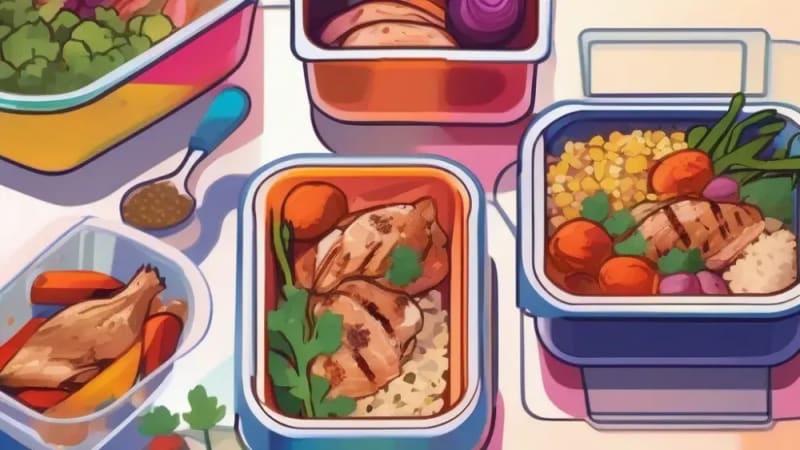
- Prep components like quinoa, roasted vegetables, and grilled proteins separately for mix-and-match flexibility.
- Budget-friendly proteins cost $0.15-$0.75 per serving: beans, eggs, canned fish, Greek yogurt.
- Roasted vegetables stay fresh 5 days, cooked quinoa lasts 7 days when refrigerated properly.
Sunday rolls around and you're staring at an empty fridge, wondering how you'll eat anything remotely healthy this week. Sound familiar? You're not alone. Research shows that people who spend more time on home food preparation consume significantly more fruits, vegetables, and whole grains while eating less fast food.
The secret isn't willpower or complicated recipes. It's meal prep healthy food systems that work with your schedule, not against it. When you prep smart, eating well becomes automatic rather than a daily struggle.
Join the early access waitlist and we will email you the day it launches.
Why Traditional Meal Prep Fails (And What Actually Works)
Most people approach meal prep like they're feeding an army for a month. They spend entire Sundays cooking elaborate meals, only to find themselves eating the same sad chicken and broccoli by Wednesday. Meal prep burnout is real, and it happens because people focus on the wrong things.
The National Institutes of Health emphasizes that successful meal planning starts with realistic goals and flexible systems. Instead of prepping complete meals, focus on prepping components. Cook a big batch of quinoa, roast several sheet pans of vegetables, and grill multiple protein portions. Mix and match throughout the week.
This component-based approach prevents flavor fatigue and gives you options when your Monday mood doesn't match your Sunday planning session. Flexibility beats perfection every time.
The Real Cost of Not Meal Prepping
Beyond the obvious health impacts, poor meal planning hits your wallet hard. The average American spends over $3,500 annually on dining out and takeout. Even cutting that by half through strategic meal prep saves you $1,750 per year. That's vacation money sitting in your kitchen cabinet.
Time costs add up too. Those daily "what's for dinner" decisions and grocery store runs consume mental energy and actual hours. Decision fatigue around food choices affects other areas of your life, making you less effective at work and more stressed at home.
Essential Equipment for Meal Prep Success
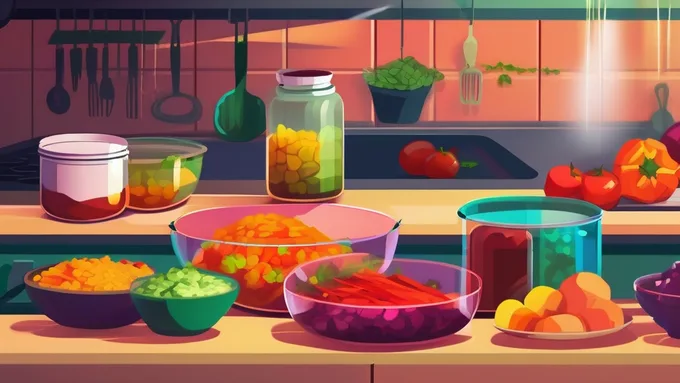
You don't need a restaurant kitchen to meal prep effectively. Start with these basics and build from there:
- Glass containers with tight lids: Pyrex or similar brands last years and won't absorb odors or stains
- Sheet pans: Two large rimmed baking sheets handle most roasting jobs
- Sharp chef's knife: Cuts prep time in half compared to dull blades
- Cutting boards: One for produce, one for proteins to prevent cross-contamination
- Digital food scale: Essential for portion control and recipe consistency
- Slow cooker or Instant Pot: Set-and-forget cooking for busy schedules
Quality containers make the biggest difference. Cheap plastic containers crack, leak, and make your food taste like storage. Invest in glass containers that stack efficiently in your fridge. The FDA recommends glass or BPA-free plastic for food storage to maintain both safety and quality.
Smart Storage Solutions
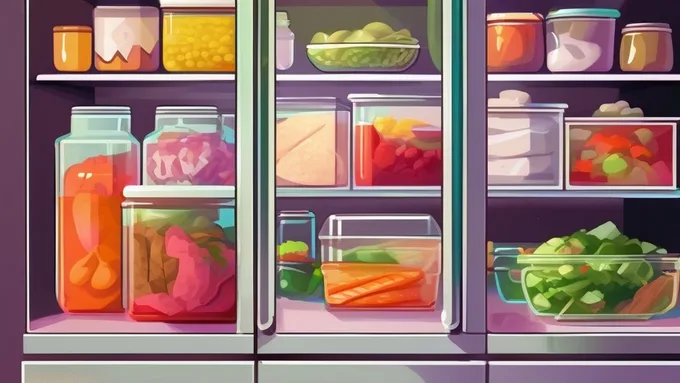
Organization prevents waste and saves time during busy weekdays. Label everything with contents and date using masking tape and a permanent marker. Store similar items together and keep grab-and-go snacks at eye level in your fridge.
Mason jars work perfectly for overnight oats, salad dressings, and portioned nuts or seeds. They're stackable, see-through, and dishwasher safe. Plus, they look Instagram-worthy if that motivates you to stick with your meal prep routine.
Building Your Weekly Meal Prep System
Successful meal prep for busy professionals starts with a realistic schedule. Pick one day per week for your main prep session. Sunday afternoon works well for most people, but choose whatever fits your lifestyle.
- Plan your menu: Choose 3-4 base recipes that share common ingredients
- Create your shopping list: Group items by store section to speed up shopping
- Prep ingredients first: Wash, chop, and portion everything before cooking
- Cook in batches: Use your oven, stovetop, and slow cooker simultaneously
- Portion and store: Divide everything into individual serving containers
- Label everything: Include contents, date, and reheating instructions
The CDC recommends filling half your plate with fruits and vegetables, one quarter with lean protein, and one quarter with whole grains. Use this visual guide when portioning your prep containers.
Time-Saving Prep Techniques
Multitasking cuts your prep time significantly. While your oven roasts vegetables, use the stovetop to cook grains and proteins. Start slow-cooking items first since they take longest.
Batch cooking similar items together saves both time and energy costs. Roast all your vegetables on the same sheet pans, seasoned differently. Cook multiple proteins using the same method but different marinades or spices.
| Prep Task | Time Required | Serves | Storage Life |
|---|---|---|---|
| Roasted vegetables | 45 minutes | 6-8 portions | 5 days refrigerated |
| Cooked quinoa | 20 minutes | 8-10 portions | 7 days refrigerated |
| Grilled chicken breast | 25 minutes | 4-6 portions | 4 days refrigerated |
| Hard-boiled eggs | 15 minutes | A dozen eggs | 7 days refrigerated |
Healthy Food Preparation That Saves Money
Smart shopping cuts your grocery bill without sacrificing nutrition. Buy proteins in bulk when they're on sale, then portion and freeze them. A whole chicken costs less per pound than individual parts and provides multiple meals worth of meat plus bones for stock.
Seasonal produce offers the best value and peak flavor. Stock up when prices drop and preserve excess through freezing or dehydrating. Frozen vegetables often contain more nutrients than fresh ones that have traveled long distances, plus they're pre-washed and chopped.
The World Health Organization notes that a healthy diet doesn't require expensive specialty foods. Focus your budget on whole foods rather than processed alternatives. A bag of dried beans costs less than a single can of organic soup and provides more protein and fiber.
Budget-Friendly Protein Sources
Eggs, canned fish, and legumes deliver high-quality protein at fraction of the cost of meat. Canned salmon and sardines provide omega-3 fatty acids plus convenience. Dried beans and lentils cost pennies per serving and store for months.
- Eggs: $0.25 per serving, complete protein with all essential amino acids
- Canned tuna: $0.75 per serving, high protein and omega-3s
- Black beans: $0.15 per serving, protein plus fiber and folate
- Greek yogurt: $0.50 per serving, protein plus probiotics
- Peanut butter: $0.20 per serving, protein plus healthy fats
According to the USDA Economic Research Service, store-brand foods were priced 25 percent below national brands from July 2009 to August 2010, and 21 percent below during the recession before that. Store brands often come from the same facilities as name brands but cost significantly less. Focus your spending on organic items where it matters most: the "Dirty Dozen" produce list.
Technology Tools That Change Meal Prep
Modern apps eliminate the guesswork from healthy eating. BeCute is being built to recognize meals from photos with AI and to return the nutritional analysis on the spot. Scan a barcode or snap a picture of your prepped meal, and the app will calculate calories, macros, and micronutrients for you.
For more on this topic, see our guide on meal guides: smart nutrition planning made simple.
The app learns your preferences and suggests meal combinations that meet your specific goals. Planning to build muscle? It recommends higher protein options. Trying to lose weight? It suggests lower-calorie alternatives that keep you satisfied.
For college students managing tight budgets, our guide on best free meal planning apps covers additional tools that help stretch grocery dollars while maintaining nutrition standards.
Smart Shopping with Apps
Digital tools simplify grocery shopping and prevent impulse purchases. Apps that organize your list by store layout save time and reduce forgotten items. Some apps track prices across multiple stores, helping you find the best deals on staple items.
The USDA's Nutrition.gov provides evidence-based meal planning resources that integrate well with tracking apps. Combining government nutrition guidelines with modern technology creates a powerful system for long-term success.
Meal Prep Recipes That Actually Taste Good
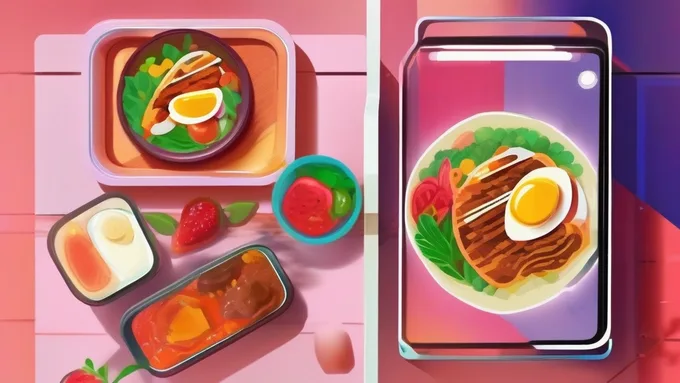
Boring food kills motivation faster than anything else. The key is building flavor through smart seasoning and varied cooking methods. One batch of chicken becomes three different meals when you use different spice blends and cooking techniques.
Mediterranean flavors work particularly well for meal prep because they improve over time. Olive oil, herbs, and acid from lemon juice or vinegar actually enhance flavors as they sit. Greek-inspired bowls with quinoa, roasted vegetables, olives, and feta cheese taste better on day three than day one.
The Harvard T.H. Chan School of Public Health emphasizes variety in meal planning to ensure adequate nutrient intake. Rotate your protein sources, try different whole grains, and experiment with seasonal vegetables to prevent boredom.
Make-Ahead Breakfast Solutions
Breakfast prep sets the tone for your entire day. Overnight oats require zero morning effort and provide sustained energy. Mix rolled oats with Greek yogurt, milk, and your choice of fruits or nuts. Prepare five jars on Sunday for the entire work week.
Egg-based breakfast burritos freeze beautifully and reheat in minutes. Scramble eggs with vegetables, add a small amount of cheese, and wrap in whole wheat tortillas. Wrap individually in foil and freeze for up to three months.
| Breakfast Option | Prep Time | Protein (g) | Storage Method |
|---|---|---|---|
| Overnight oats with Greek yogurt | 5 minutes | 15-20g | Refrigerate 5 days |
| Breakfast burrito | 20 minutes | 12-18g | Freeze 3 months |
| Hard-boiled egg with avocado | 15 minutes | 8-12g | Refrigerate 7 days |
| Protein smoothie packs | 10 minutes | 20-25g | Freeze 6 months |
Avoiding Common Meal Prep Mistakes
The biggest mistake beginners make is trying to prep every single meal for the entire week. This leads to food waste, flavor fatigue, and eventual abandonment of the system. Start small with just lunches or dinners, then expand as you build confidence and efficiency.
Overcooking vegetables ruins both texture and nutrients. Roast vegetables until they're just tender, not mushy. They'll finish cooking when you reheat them during the week. Properly cooked vegetables maintain their color, crunch, and nutritional value throughout the storage period.
Storage mistakes cause food safety issues and waste. Cool foods completely before refrigerating to prevent bacterial growth. Divide large batches into smaller containers so they cool faster. The Cleveland Clinic recommends consuming refrigerated meal prep within 3-4 days for optimal safety and quality.
Preventing Flavor Fatigue
Eating the same meal five days straight gets old fast. Prep components instead of complete meals, then mix and match throughout the week. Cook one protein three different ways or use the same vegetables in different cuisines.
Sauces and dressings change simple ingredients into exciting meals. Keep several homemade dressings in your fridge to change up flavors instantly. A basic vinaigrette, tahini sauce, and salsa verde can make the same bowl of quinoa and vegetables taste completely different.
- Monday: Mediterranean bowl with lemon-herb dressing
- Tuesday: Asian-inspired bowl with sesame-ginger sauce
- Wednesday: Mexican-style bowl with cilantro-lime dressing
- Thursday: Indian-spiced bowl with yogurt-mint sauce
- Friday: Italian-style bowl with balsamic vinaigrette
Advanced Strategies for Meal Prep Masters
Once you've mastered basic meal prep, advanced techniques can save even more time and expand your options. Freezer meal prep lets you prepare entire meals weeks in advance. Soups, stews, and casseroles freeze beautifully and provide backup options for busy weeks.
Batch cooking proteins using different methods creates variety without extra work. While chicken breasts bake in the oven, use your stovetop to sauté chicken thighs with different seasonings. Both cook in similar timeframes but provide different flavors and textures.
For those focused on muscle building, our complete guide on meal prep for weight gain provides specific calorie targets and protein timing strategies that support strength training goals.
Seasonal Meal Prep Adjustments
Adapt your meal prep to seasonal produce for better flavors and lower costs. Summer calls for lighter meals with fresh herbs and minimal cooking. Winter prep focuses on heartier ingredients and longer cooking methods like braising and slow cooking.
Spring vegetables like asparagus and peas have short seasons but freeze well when blanched properly. Take advantage of peak season prices and preserve excess for later use. This strategy keeps your meal prep interesting year-round while maximizing nutritional value.
The UCLA Health system provides seasonal recipe collections that work well for meal prep, emphasizing nutrient-dense ingredients that support long-term health goals.
Meal Prep for Special Dietary Needs
Special diets don't have to complicate meal prep. Plant-based proteins like tofu, tempeh, and legumes prep just as easily as animal proteins. Marinate tofu overnight, then bake or pan-fry for different textures throughout the week.
Gluten-free meal prep focuses on naturally gluten-free whole foods rather than processed substitutes. Rice, quinoa, potatoes, and vegetables form the foundation of most meals. Check our detailed meal guides for specific strategies that work with various dietary restrictions.
Low-carb meal prep emphasizes healthy fats and proteins while incorporating non-starchy vegetables. Cauliflower rice, zucchini noodles, and spaghetti squash provide satisfying bases for meals without the carbs from traditional grains.
Allergen-Free Meal Prep
Managing food allergies requires extra attention to ingredient labels and cross-contamination prevention. Prep allergen-free meals first, using clean equipment and surfaces. Store these meals separately from others to prevent accidental exposure.
The NHS provides family-friendly recipes that accommodate common allergies while maintaining nutritional balance. Many of these recipes work perfectly for meal prep and appeal to both adults and children.
Digital tools like apps for healthy meals can help identify potential allergens in packaged foods through barcode scanning and ingredient analysis. This technology prevents accidental exposure while simplifying meal planning.
Mastering meal prep healthy food transforms your relationship with eating from reactive to proactive. You're no longer scrambling for options or settling for whatever's convenient. Instead, you're making intentional choices that support your health goals while saving time and money.
The key is starting simple and building systems that work with your lifestyle rather than against it. Focus on component-based prep, invest in quality storage containers, and use technology to track your progress. Most importantly, remember that consistency beats perfection every single time.
A 7-Day Batch Cooking Schedule and Budgeted Shopping List
Here is a week you can copy exactly: two short cooking sessions instead of one long one, timed to match how long each component actually keeps in the fridge.
| Day | Time | What You Do |
|---|---|---|
| Sunday | 3:00-5:00 PM | Main session: roast 2 sheet pans of mixed vegetables (45 min), cook 2 cups dry quinoa (20 min), grill 2 lb chicken breast (25 min), boil one dozen eggs (15 min). Portion into 10 containers. |
| Sunday | 5:00-5:15 PM | Fill 5 mason jars with overnight oats for Monday through Friday breakfasts. |
| Monday-Tuesday | Grab and go | Eat from the Sunday batch: an oats jar for breakfast, a quinoa-chicken-vegetable bowl for lunch and dinner. |
| Wednesday | 7:00-7:20 PM | Mid-week top-up (20 min): boil a second dozen eggs and roast one more sheet pan of vegetables, since Sunday's batch is now at its 5-day limit. |
| Thursday-Friday | Grab and go | Eat from the Wednesday top-up plus the remaining quinoa, which is still good through day 7. |
| Saturday | No cooking | Clean-out day: finish whatever is left in the containers before next Sunday's session. |
Budget Shopping List: $39.40 for the Week
| Item | Quantity | Price |
|---|---|---|
| Chicken breast | 2 lb | $6.00 |
| Eggs | 2 dozen | $4.40 |
| Quinoa, dry | 12 oz bag | $3.50 |
| Rolled oats | 1 lb | $2.00 |
| Greek yogurt | 32 oz tub | $4.00 |
| Mixed vegetables (broccoli, bell pepper, zucchini, carrots) | about 4 lb | $7.00 |
| Canned black beans | 3 cans | $2.25 |
| Canned tuna | 3 cans | $2.25 |
| Whole wheat tortillas | 1 pack of 10 | $3.00 |
| Olive oil and spices | pantry staples, prorated | $2.00 |
| Bananas or apples | 7 | $3.00 |
That totals $39.40 for seven breakfasts, seven lunches, and seven dinners for one person, about $5.60 a day.
What You Need to Know About Meal Prep Healthy Food
How do I start meal prepping healthy food?
Start meal prepping healthy food by planning your meals for the week, shopping for ingredients, and setting aside a few hours to cook. Begin with simple recipes that require minimal ingredients and prep time, like grilled chicken with roasted vegetables. Use containers to portion out meals for each day, ensuring you have a balanced mix of proteins, carbs, and fats. A short log of your meals and their nutrition makes the next prep easier, and BeCute is being built to keep it. Remember, the key is consistency, so stick to a routine that works for you.
Is meal prepping healthy food worth the cost?
Yes, meal prepping healthy food is worth the cost because it can save you money in the long run. By buying ingredients in bulk and reducing food waste, you can significantly lower your grocery bills. Plus, you'll avoid the temptation of expensive takeout meals. On average, meal prepping can save you up to $50 per week compared to eating out. Not only does it benefit your wallet, but it also helps you maintain a healthier diet by controlling portion sizes and ingredients.
What is the difference between meal prep and meal planning?
Meal prep involves cooking and portioning meals in advance, while meal planning is the process of deciding what meals to make. Meal prep is the execution phase where you cook and store meals for the week, ensuring you have ready-to-eat options. Meal planning, on the other hand, is about organizing your meals on paper or an app like BeCute, considering nutritional needs and personal preferences. Both are essential for a successful healthy eating strategy, but they serve different purposes in your routine.
What are the best tools for meal prep healthy food?
The best tools for meal prep healthy food include quality containers, a sharp knife, a cutting board, and a slow cooker or Instant Pot. Containers should be durable and microwave-safe, allowing for easy reheating. A sharp knife and cutting board make chopping vegetables and proteins more efficient. Slow cookers or Instant Pots are great for batch cooking, saving you time and effort. Additionally, using a food scale can help with portion control, ensuring you stick to your dietary goals.
How does meal prep save money?
Meal prep saves money by reducing food waste and cutting down on dining out expenses. By planning meals and buying ingredients in bulk, you can lower your grocery bills significantly. For instance, cooking at home can cost as little as $3 per meal, compared to $10 or more for takeout. Meal prep also helps you avoid impulse purchases and unhealthy snacks, further saving you money. With a bit of organization, you can enjoy nutritious meals without breaking the bank.
FAQ
How long does meal prepped food stay fresh?
Most meal prepped foods stay fresh for 3-4 days in the refrigerator when stored properly in airtight containers. Cooked grains and roasted vegetables can last up to 5 days, while proteins like chicken and fish should be consumed within 3-4 days. Always cool foods completely before refrigerating and store at 40°F or below.
Meal prep is what Meal Prep Healthy Food turns on, and it is a habit BeCute is being built to support with plans, reminders and streaks rather than to replace, and numbers like the 3-4 days above are what a plan has to carry; the app behind it is not yet on the App Store or Google Play, and what does work today is the free 5 meals a day schedule at becute.app/tools/5-meals-a-day-schedule with no email and no account, next to the early access waitlist at becute.app for the app.
Can I freeze meal prepped food?
Yes, many meal prepped foods freeze well for 2-3 months. Soups, stews, casseroles, and cooked grains freeze beautifully. Avoid freezing foods with high water content like lettuce, cucumbers, or hard-boiled eggs as they become mushy when thawed. Label everything with contents and date before freezing.
Questions like the one above on Meal Prep Healthy Food are exactly what BeCute, an AI meal planning and nutrition app, is being built around, and the 2-3 months above is one of this page's own figures; the app is not yet on the App Store or Google Play.
How much should I spend on meal prep containers?
Invest $50-75 in quality glass containers with tight-fitting lids. This initial investment pays for itself quickly through reduced food waste and takeout purchases. Look for containers that stack efficiently and are dishwasher, microwave, and freezer safe. Cheap plastic containers crack and retain odors, making them false economy.
For the money side of Meal Prep Healthy Food, the answer from us is that BeCute is free during early access, and free is a promise about launch rather than a product you can obtain today, and a figure like the $50-75 above only means something once it is yours; the app is not yet on the App Store or Google Play.
What's the best day for meal prep?
Sunday afternoon works best for most people, allowing you to prep for the upcoming work week. However, choose whatever day fits your schedule consistently. Some people prefer Wednesday evening to prep for the rest of the week, while others do mini-prep sessions twice weekly on Sunday and Wednesday.
If Meal Prep Healthy Food has you comparing tools, compare them on what they do today, and what BeCute has today is not an app; the app is not yet on the App Store or Google Play, so the early access waitlist at becute.app is all there is to join today.
How do I prevent meal prep from getting boring?
Prep components rather than complete meals, then mix and match throughout the week. Keep 3-4 different sauces or dressings on hand to change flavors instantly. Vary your cooking methods and seasonings even when using the same base ingredients. Focus on different cuisines each week to maintain interest.
Keeping a plan is harder than writing one, and for readers of Meal Prep Healthy Food the daily tracking, streaks and reminders are what BeCute is being built to carry; BeCute itself is not yet on the App Store or Google Play.
Do I need to count calories when meal prepping?
Calorie counting isn't necessary for everyone, but it helps if you have specific weight goals. Focus first on portion control and balanced meals with protein, healthy fats, and vegetables. Calculating calories from a photo of a prepped meal is what BeCute is being built to do, so tracking stops being manual, and it is not out yet.
Here on Meal Prep Healthy Food, the calorie and macro numbers BeCute is being built to give come from the published Mifflin-St Jeor equation rather than from a proprietary score; the app behind it is not yet on the App Store or Google Play.
Sources
- Wolfson, J.A. & Bleich, S.N. (2015). "Time Spent on Home Food Preparation and Indicators of Healthy Eating." PMC
- National Institutes of Health (2024). "Food & Nutrition Meal Planning." NIH Wellness
- Centers for Disease Control and Prevention (2024). "How to Have Healthier Meals and Snacks." CDC
- U.S. Food and Drug Administration (2024). "Food Safety in Your Kitchen." FDA
- World Health Organization (2024). "Healthy diet." WHO
- U.S. Department of Agriculture (2024). "Meal Prep and Cooking Tips." Nutrition.gov
- Harvard T.H. Chan School of Public Health (2024). "Meal Prep Guide." Harvard Nutrition Source
- Cleveland Clinic (2024). "75 Healthy Meal Prep Ideas for Breakfast, Lunch and Dinner." Cleveland Clinic
- UCLA Health (2024). "Healthy Recipes for Cancer Patients." UCLA Simms Mann Center
- National Health Service (2024). "Recipes - Healthier Families." NHS

Written by
Oleksandr PaduraFounder & CEO at BeCute
Oleksandr Padura is the founder of BeCute. He is building an AI nutrition planner that turns personal goals into a daily meal plan. The app is not yet on the App Store or Google Play, and the waitlist gets access first.
Published: 2026-04-29
Disclaimer: This article is for informational purposes only and is not a substitute for professional medical advice, diagnosis, or treatment. Always consult a qualified healthcare provider before making changes to your diet or health routine.