

Key Takeaways
- Build 15-minute meals using proteins cooking under 10 minutes: eggs, canned beans, pre-cooked chicken.
- Spend 30 minutes weekly on ingredient prep to create building blocks for multiple quick meals.
- Stock $25 weekly essentials: eggs, rice, beans, frozen vegetables, tortillas, peanut butter, Greek yogurt.
- Use one non-stick pan and a rice cooker to cover most quick cooking tasks at once.
- Frozen vegetables eliminate 5-10 minutes prep time versus fresh produce without sacrificing nutritional quality.
You've got 20 minutes between your biology lab and economics lecture. Your stomach is growling, your meal plan ran out last week, and that vending machine sandwich looks less appetizing by the minute. Sound familiar? The reality is that quick meals college students can actually make don't have to involve processed junk or expensive takeout orders.
Research shows that college students face unique nutritional challenges, with fast-food environments significantly impacting daily food choices (PMC, 2022). But here's what most students don't realize: you can prepare nutritious, satisfying meals in the same time it takes to walk to the campus food court and wait in line.
Join the early access waitlist and we will email you the day it launches.
The 15-Minute Rule That Changes Everything
Forget the myth that healthy cooking requires hours of prep time. 15-minute college meals work because they focus on simple cooking techniques and smart ingredient choices. The key isn't complex recipes-it's understanding which foods cook quickly and how to combine them efficiently.
Start with proteins that cook in under 10 minutes: eggs, canned beans, pre-cooked chicken strips, or thin fish fillets. Add quick-cooking grains like instant brown rice or quinoa. Throw in vegetables that soften rapidly-spinach, bell peppers, zucchini, or frozen mixed veggies. That's your foundation.
The BeCute app is being built to make this even simpler: once it opens you will scan ingredient barcodes and see the nutrition of the meal without typing anything in. That is the part meant to end the guessing about whether your quick meal hits your protein targets or fits your daily calorie goals.
Essential Equipment for Speed
Your dorm kitchen setup determines how quickly you can execute these recipes. A single non-stick pan handles most quick cooking tasks. Add a microwave-safe bowl, a sharp knife, and a cutting board, and you're equipped for most fast easy meals college students actually want to eat.
One game-changing tool: a rice cooker with a steamer basket. Cook your grain and steam vegetables simultaneously while you prep protein in a pan. Total active cooking time: 5 minutes of actual work.
20 Lightning-Fast College Recipes
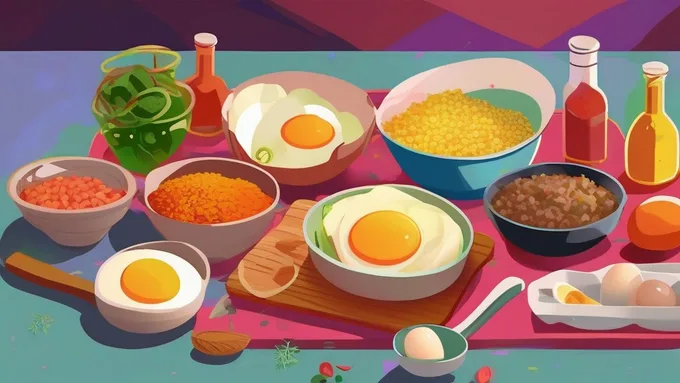
These recipes prioritize speed without sacrificing nutrition. Each one takes 15 minutes or less from start to finish, uses minimal dishes, and provides balanced macronutrients to fuel your study sessions.
Protein-Packed Breakfast Options
- Microwave Veggie Scramble: Beat 2 eggs with splash of milk in microwave-safe bowl. Add diced bell pepper, spinach, and shredded cheese. Microwave 90 seconds, stir, repeat until set. Serve with toast.
- Greek Yogurt Power Bowl: Mix 1 cup Greek yogurt with 2 tbsp peanut butter, 1 sliced banana, and granola. Drizzle with honey. Zero cooking required.
- Breakfast Quesadilla: Scramble 1 egg in pan, remove. Add tortilla, sprinkle cheese, add egg and salsa, fold. Cook 2 minutes per side until crispy.
- Overnight Oats Express: Combine ½ cup oats, ½ cup milk, 1 tbsp chia seeds, berries in jar. Refrigerate overnight. Eat cold or microwave 30 seconds.
- Avocado Toast Plus: Toast bread, mash ½ avocado with lime juice and salt. Top with sliced tomato and everything bagel seasoning. Add fried egg if desired.
Speedy Lunch Solutions
- 15-Minute Fried Rice: Heat oil in pan, scramble 1 egg, remove. Add 1 cup cooked rice, frozen vegetables, soy sauce, and garlic powder. Stir-fry 5 minutes, add egg back.
- Black Bean Power Wrap: Warm tortilla, spread hummus, add canned black beans (rinsed), diced cucumber, shredded carrots, and hot sauce. Roll tightly.
- Tuna Melt Flatbread: Mix canned tuna with mayo and diced celery. Spread on naan bread, top with cheese, broil 3 minutes until bubbly.
- Caprese Grilled Cheese: Layer mozzarella, tomato slices, and basil between bread. Grill in buttered pan 3 minutes per side.
- Ramen Upgrade Bowl: Cook instant ramen according to package (skip seasoning packet). Drain, toss with soy sauce, sesame oil, and sriracha. Top with soft-boiled egg and green onions.
Quick Dinner Winners
- One-Pan Chicken and Vegetables: Cut chicken breast into strips, season with Italian herbs. Sauté 5 minutes, add zucchini and bell peppers, cook 5 more minutes. Serve over instant rice.
- Spaghetti Aglio e Olio: Cook thin spaghetti. Meanwhile, heat olive oil with sliced garlic and red pepper flakes. Toss hot pasta with oil mixture, add parmesan.
- Bean and Cheese Quesadilla: Mash half a can of black beans with cumin. Spread between tortillas with cheese, cook 3 minutes per side in dry pan.
- Salmon Teriyaki Bowl: Pan-fry salmon fillet 4 minutes per side, brush with teriyaki sauce. Serve over microwaved frozen vegetables and instant brown rice.
- Shakshuka Express: Heat jarred marinara sauce in pan, crack 2 eggs into sauce, cover and cook 5 minutes. Sprinkle with feta cheese, eat with bread.
Late-Night Study Fuel
- Protein Smoothie Bowl: Blend frozen banana, protein powder, milk, and spinach. Pour into bowl, top with nuts and berries.
- Microwave Mac and Cheese Plus: Make boxed mac and cheese, stir in canned tuna and frozen peas during last minute of cooking.
- Peanut Butter Toast Deluxe: Toast whole grain bread, spread natural peanut butter, top with sliced apple and cinnamon.
- Hummus Veggie Wrap: Spread hummus on large tortilla, add cucumber, carrots, bell peppers, and lettuce. Roll tightly, slice in half.
- Instant Oatmeal Upgrade: Make packet oatmeal with milk instead of water, stir in nut butter and frozen berries while hot.
Smart Shopping for Speed Cooking
Your ingredient choices make or break the 15-minute timeline. Stock your mini-fridge and pantry with items that cook quickly or require zero preparation. The goal is to eliminate as many prep steps as possible without sacrificing nutrition quality.
| Category | Quick-Cook Options | Prep Time Saved |
|---|---|---|
| Proteins | Eggs, canned beans, pre-cooked chicken strips, canned tuna | 10-15 minutes |
| Grains | Instant brown rice, quick oats, whole wheat tortillas | 20-30 minutes |
| Vegetables | Baby spinach, pre-cut bell peppers, frozen mixed vegetables | 5-10 minutes |
| Flavor Boosters | Garlic powder, pre-made sauces, everything bagel seasoning | 3-5 minutes |
Focus your grocery budget on versatile ingredients that work across multiple recipes. A dozen eggs can become scrambles, fried rice protein, or pasta carbonara. Canned black beans work in wraps, quesadillas, or rice bowls. This approach keeps costs down while maximizing meal variety.
The CDC emphasizes the importance of balanced nutrition for students, particularly adequate protein and vegetable intake (CDC). Planning your shopping list around these quick-cooking nutrient sources ensures you're not just eating fast, but eating well.
Budget Breakdown: $25 Weekly Essentials
- Eggs (18-count): $4 - provides protein for 9 meals
- Instant brown rice (2 lbs): $3 - base for a dozen or more meals
- Canned black beans (4 cans): $4 - protein and fiber powerhouse
- Frozen mixed vegetables (2 lbs): $3 - no chopping required
- Whole wheat tortillas (8-count): $2 - wraps, quesadillas, breakfast burritos
- Peanut butter (18 oz): $4 - protein, healthy fats, satiety
- Greek yogurt (32 oz): $5 - breakfast base, protein source
According to the USDA Economic Research Service, store-brand foods were priced 25 percent below national brands from July 2009 to August 2010, and 21 percent below during the recession before that. This $25 foundation covers protein, carbohydrates, and vegetables for multiple quick meals throughout the week. Add fresh fruits, cheese, or specific proteins as your budget allows.
Meal Prep Strategies That Actually Work
Traditional meal prep advice assumes you have Sunday afternoons free and full-size kitchen equipment. College reality is different. Your prep strategy needs to fit around classes, work, and social commitments while working with limited storage space.
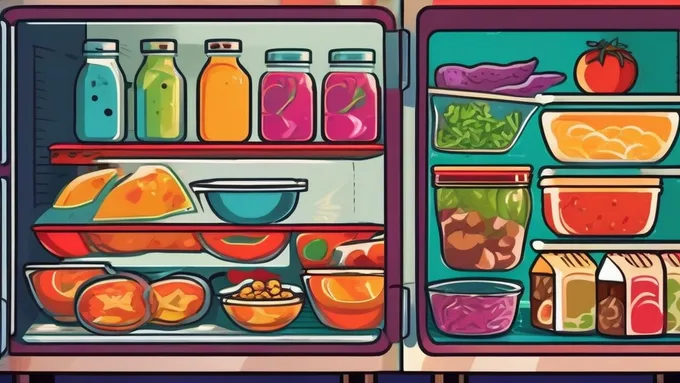
Spend 30 minutes once a week on "ingredient prep" rather than full meal assembly. Cook a large batch of rice in your rice cooker. Hard-boil 6 eggs. Wash and chop vegetables that don't brown quickly. Pre-mix dry seasonings in small containers.
This approach gives you building blocks for 15 minute college meals without the commitment of eating identical lunches all week. Monday you might make fried rice with your prepped ingredients. Wednesday, you use the same rice for a burrito bowl with different toppings.
The 5-Container System
Use five small containers to store your weekly prep work:
- Container 1: Cooked grain (rice, quinoa, or pasta)
- Container 2: Hard-boiled eggs or cooked protein
- Container 3: Chopped raw vegetables (bell peppers, carrots, cucumber)
- Container 4: Washed leafy greens
- Container 5: Mixed seasonings or pre-made sauce
Each container stays fresh for 4-5 days and can be combined in different ways for variety. The key is flexibility-you're not locked into specific meal combinations, just armed with ready-to-use components.
For detailed budget planning and more extensive meal prep strategies, our $30/Week College Meal Plan guide breaks down exactly how to stretch your food budget while maintaining nutrition quality.
According to the CDC, 12.3 percent of US adults met the federal fruit recommendation in 2019. According to the CDC report, 10.0 percent met the vegetable recommendation. Fifteen minutes is enough to fix that on most days.
Nutrition Without the Stress
Quick doesn't have to mean nutritionally empty. The World Health Organization emphasizes the importance of establishing healthy eating patterns during young adulthood, as these habits typically persist throughout life (WHO, 2026). Your 15-minute meals can absolutely support long-term health goals.
Each recipe in this collection includes at least two macronutrients-protein, carbohydrates, or healthy fats. Most include all three. This balance helps maintain steady energy levels during long study sessions and prevents the afternoon crash that comes from eating only refined carbohydrates.
The FDA provides specific food safety guidelines for young adults, emphasizing proper storage and handling of perishable ingredients (FDA). When you're cooking quickly, these basics become even more important-wash hands, keep cold foods cold, and don't leave cooked food at room temperature for more than 2 hours.
| Meal Component | Nutrition Goal | Quick Examples |
|---|---|---|
| Protein | 20-25g per meal | 2 eggs, ½ cup beans, 3 oz chicken |
| Complex Carbs | 30-45g per meal | ½ cup rice, 1 slice bread, ⅓ cup oats |
| Vegetables | 1-2 cups per meal | Spinach, bell peppers, frozen mixed veggies |
| Healthy Fats | 10-15g per meal | ½ avocado, 2 tbsp nuts, 1 tbsp olive oil |
Using a nutrition tracking app helps ensure your quick meals meet these targets without requiring detailed calculations. The BeCute app's photo recognition feature is particularly useful for college students-just snap a picture of your finished meal and get instant nutritional feedback.
Hydration and Timing Strategies
Meal timing affects how well your body uses the nutrients from these quick meals. Eating protein within 2 hours of waking up helps stabilize blood sugar throughout the day. Having a small snack 30 minutes before intense study sessions can improve focus and retention.
Don't forget hydration. Dehydration mimics hunger signals, leading to unnecessary snacking. Keep a water bottle at your desk and aim for pale yellow urine as your hydration gauge. Simple, but effective.
For complete guidance on building sustainable eating routines around your class schedule, check out our daily meal routine strategies that work specifically for student lifestyles.
Avoiding Common Quick-Cooking Mistakes
Speed cooking has pitfalls that can turn your 15-minute meal into a 30-minute disaster or a nutritional disappointment. Learning to avoid these mistakes saves time and improves results from day one.
You might also find our guide on college apartment first kitchen setup: everything you need helpful.
According to George A. Poultsides, MD, MS - Stanford Health Care, this approach is supported by current research.
The biggest error is not reading the entire recipe before starting. When you only have 15 minutes, discovering halfway through that you need to let something "rest for 10 minutes" derails your timeline completely. Read through, check that you have all ingredients, and understand the sequence before turning on any heat.
Another common mistake: trying to multitask too aggressively. Yes, you can cook rice while preparing vegetables, but attempting to simultaneously cook three different components often leads to burned food and longer cleanup. Master simple combinations first, then add complexity as your skills improve.
Temperature Control and Timing
- High heat burns food faster than it cooks: Use medium heat for most quick-cooking proteins and vegetables
- Cold ingredients slow everything down: Take eggs and dairy out of the fridge 10 minutes before cooking
- Overcrowded pans steam instead of searing: Cook in batches if necessary for proper browning
- Residual heat continues cooking: Remove eggs and fish from heat just before they look done
Food safety becomes critical when cooking quickly. The temptation to undercook proteins to save time can lead to foodborne illness. Use a food thermometer if you're unsure-chicken should reach 165°F, and eggs should be cooked until both whites and yolks are firm.
Nutrition.gov provides complete meal planning resources that emphasize food safety alongside speed and convenience (Nutrition.gov). These guidelines become especially important in shared dorm kitchens where cleanliness standards may vary.
Technology Tools for Smarter Eating
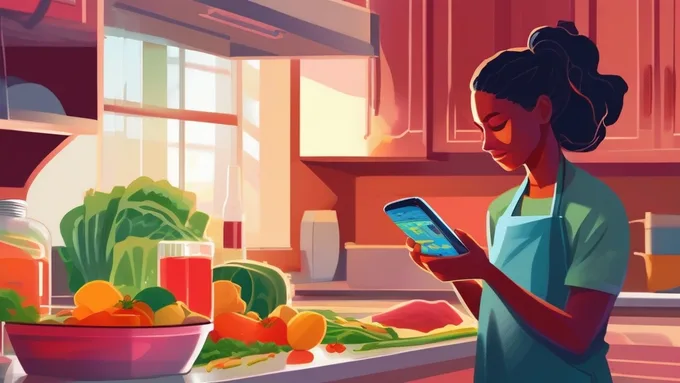
Your smartphone can simplify both meal planning and nutrition tracking in ways that weren't possible even five years ago. The right apps eliminate guesswork and help you make informed decisions about your quick meals without adding complexity to your routine.
Barcode scanning technology has changed ingredient tracking. Instead of manually entering nutritional information, you can scan packaged foods and get instant feedback about how they fit into your daily nutrition goals. This is particularly useful for college students who rely on some packaged ingredients for speed and convenience.
Even prestigious university dining services recognize the value of nutrition technology. Harvard University Dining Services now provides detailed nutritional information for all menu items, allowing students to make informed choices even when eating in campus facilities (Harvard Dining Services).
Meal Planning Apps vs. Recipe Apps
Recipe apps show you what to cook, but meal planning apps help you decide what to cook based on your goals, schedule, and available ingredients. For college students juggling unpredictable schedules, meal planning functionality often proves more valuable than a huge recipe library.
Look for apps that integrate with your calendar, suggest meals based on available time, and adapt to your dietary preferences. Some apps even generate grocery lists based on your planned meals, eliminating the guesswork of shopping for ingredients you'll actually use.
Cleveland Clinic's meal prep recommendations emphasize the importance of planning ahead, even for quick meals (Cleveland Clinic). Technology can make this planning process more efficient and personalized to your specific needs and constraints.
Building Long-Term Healthy Habits
These 15-minute recipes aren't just about surviving college-they're about building cooking skills and nutrition awareness that will serve you well beyond graduation. The habits you develop now around food preparation and ingredient selection often persist into your professional life.
You might also find our guide on freezer meals your parents can make before college move-in day helpful.
Start by mastering five recipes completely. Cook them repeatedly until you can prepare them without referring to instructions. This builds confidence and muscle memory that makes cooking feel less like a chore and more like a practical life skill.
Recent research on meal timing suggests that the order in which you eat different macronutrients can affect satiety and blood sugar response (UCLA Health). While this might seem like an advanced concept, it's actually simple to implement: eat your vegetables and protein before your starches when possible.
The key to sustainable change is starting small and building gradually. Don't try to overhaul your entire eating pattern at once. Instead, replace one daily meal with a homemade quick option. Once that becomes routine, add another meal. This approach prevents overwhelm and increases your chances of long-term success.
Expanding Your Cooking Repertoire
As your basic skills improve, you can start experimenting with flavor profiles and cooking techniques that keep meals interesting. Learn to use herbs and spices effectively-they change simple ingredients into exciting meals without adding cooking time or complexity.
Keep a running list of successful modifications you make to recipes. Maybe you discovered that adding sriracha to scrambled eggs makes them more satisfying, or that cooking vegetables with garlic powder instead of fresh garlic saves prep time without sacrificing flavor. These personal discoveries become the foundation of your individual cooking style.
If weight management is one of your goals, our weight loss meals guide provides specific recipes and strategies that work within the constraints of college life while supporting healthy weight goals.
For students interested in more structured approaches to nutrition planning, our 3-day meal planning guide offers a systematic approach to setting and achieving short-term nutrition goals that fit around academic demands.
Mastering quick meals as a college student isn't just about convenience-it's about taking control of your nutrition and building skills that will benefit you for years to come. These twenty recipes provide a solid foundation, but the real value comes from understanding the principles behind fast, healthy cooking and adapting them to your specific situation and preferences.
The difference between students who eat well and those who survive on processed food often comes down to having a few reliable, quick recipes and the confidence to execute them consistently. Start with the recipes that appeal to you most, master the basic techniques, and gradually expand your repertoire as your skills and confidence grow.
What You Need to Know About Quick Meals for College Students
How can I make quick meals as a college student?
Start with recipes that take 15 minutes or less. You can whip up meals like a veggie stir-fry or a chicken wrap in just a quarter of an hour. Look for ingredients that require minimal prep, like pre-washed greens or canned beans. Planning is key: keep your pantry stocked with essentials like pasta, rice, and sauces. Read the barcode on what you grab between classes and note the numbers; BeCute is being built to do that reading for you, and it is not out yet.
Are quick meals for college students worth the cost?
Yes, quick meals can be budget-friendly and nutritious. You can prepare meals for as low as $3 per serving by buying in bulk and choosing seasonal produce. Compare this to eating out, which can easily cost $10 or more per meal. By cooking at home, you not only save money but also control the ingredients, making it easier to eat healthily.
What's the difference between 15-minute meals and fast easy meals for college?
15-minute meals are specifically designed to be prepared in 15 minutes or less, focusing on efficiency. Fast easy meals might take a bit longer but still emphasize simplicity and minimal ingredients. Both types aim to save time, but 15-minute meals are perfect for those tight between-class schedules. With either option, you can maintain a balanced diet without sacrificing time.
How do I start meal prepping for quick college meals?
Begin by planning your meals for the week and making a shopping list. Choose recipes that share common ingredients to save time and money. Dedicate an hour or two on the weekend to prep ingredients like chopping veggies or cooking grains. Store them in portioned containers for easy grab-and-go meals. A one-line note per meal is enough to see whether the day was balanced. BeCute is being built to keep that note without the typing.
What are some common mistakes to avoid when making quick meals?
Avoid overcomplicating recipes with too many ingredients. Stick to 5-ingredient meals to keep it simple. Another mistake is not prepping in advance; having ingredients ready can save you a lot of time. Also, make sure to use the right tools-like a sharp knife and a good pan-to speed up the cooking process. Lastly, don't forget to check nutrition labels to ensure you're making healthy choices.
FAQ
Can I really make nutritious meals in 15 minutes or less?
Absolutely. The key is choosing ingredients that cook quickly and combining them efficiently. Eggs cook in 3-5 minutes, instant brown rice takes 10 minutes, and most vegetables soften in 5-7 minutes. By cooking components simultaneously and using pre-prepped ingredients like canned beans or frozen vegetables, you can create balanced, nutritious meals within the 15-minute timeframe. The recipes in this guide are specifically designed to maximize nutrition while minimizing cooking time. The cooking is the easy half. BeCute is the nutrition app we are building for the half that comes after: once it opens, a photo of the finished plate will stand in for the typing.
Time is the constraint on 15-Minute College Meals, and planning around the time you actually have rather than around the time a recipe assumes is what BeCute is being built to do, and numbers like the 3-5 minutes above are what a plan has to carry; the app is not yet on the App Store or Google Play.
What kitchen equipment do I absolutely need in my dorm?
You can make most of these recipes with just a non-stick pan, a microwave-safe bowl, a sharp knife, and a cutting board. If you have space and budget for one additional appliance, choose a rice cooker with a steamer basket-it allows you to cook grains and steam vegetables simultaneously while you prepare protein in your pan. A small food storage container set is also essential for ingredient prep and leftovers. One more thing is worth setting up before the first cook, and that is the record itself. BeCute is being built around barcode scanning, so packaged ingredients go into the log the same day they go into the cupboard.
Readers who arrive at 15-Minute College Meals usually cook in a small kitchen on a small budget, and BeCute is being built for them as much as for anyone else; BeCute itself is not yet on the App Store or Google Play.
How can I make these meals more affordable on a tight budget?
Buy the staples, not the recipes. The $25 list above stretches across a week precisely because every item crosses several meals: the 18-count of eggs at about $4 is protein for nine meals, 2 lbs of instant brown rice at about $3 is the base for twelve or more, and four cans of black beans at about $4 cover wraps, quesadillas and rice bowls without you touching a knife. Frozen mixed vegetables at about $3 for 2 lbs beat fresh on price, need no chopping, and do not rot in a shared fridge while you are in class. Three habits do the rest. Buy proteins when they are on sale and portion them into the freezer the same day. Cook grains and beans in one large batch rather than per meal, because the cost of a burnt second attempt is the ingredients. Keep your recipe list short enough that leftovers actually get eaten. At roughly $3 a serving cooked against $10 or more for a delivered meal, the money is made in the orders you do not place, not in the coupons you clip. Staples only pay off if they get eaten, and the fastest record of what came home is the barcode on the box. That scan is what BeCute is being built around.
For the money side of 15-Minute College Meals, the answer from us is that BeCute is free during early access, and free is a promise about launch rather than a product you can obtain today, and a figure like the $25 above only means something once it is yours; the app is not yet on the App Store or Google Play.
Are these recipes safe to make in shared dorm kitchens?
Yes, with proper food safety practices. Always wash your hands and clean surfaces before cooking. Store perishable ingredients in the refrigerator and don't leave cooked food at room temperature for more than 2 hours. Use separate cutting boards for raw proteins and vegetables if possible, or wash thoroughly between uses. Cook proteins to safe internal temperatures-165°F for chicken, and eggs until both whites and yolks are firm.
Cooking is the point on 15-Minute College Meals, and recipe ideas built from your goals and the ingredients already in your kitchen are on the BeCute build list, and the 2 hours above is a number from this page, not from the app; the app is not yet on the App Store or Google Play.
How do I track nutrition when I'm modifying recipes or cooking without measurements?
Log the recipe once, then log servings of it. Build your five regulars as custom recipes in whichever app you use, scanning the barcode of every packaged ingredient so the base is accurate, and after that a modified meal is the base plus the one thing you changed rather than a fresh entry every time. When there is nothing to measure with, your hand is the measure: a palm of protein, a fist of vegetables, a cupped hand of grains. Hold that against the targets in the table above, 20-25 g of protein per meal, 30-45 g of complex carbohydrate, one to two cups of vegetables and 10-15 g of fat, and you will be close enough to answer the only question the log needs to answer, which is whether the day came up short on protein. Same-kind swaps do not need re-entry: chicken for tofu, rice for quinoa, one frozen vegetable for another. Re-enter when the fat changes, because oil, cheese and nut butter move the number far more than the swap you were worried about. BeCute is being built for exactly this loop, with barcode scanning for packaged ingredients and photo recognition for the finished plate. It is not on the App Store or Google Play yet, so the early access list at becute.app is the whole of it today.
On 15-Minute College Meals, logging a meal by barcode or by photo is one of the features BeCute is being built around; BeCute is not yet on the App Store or Google Play, and the early access waitlist at becute.app is what exists in the meantime.
What should I do if I don't have access to a full kitchen?
Many of these recipes can be adapted for microwave-only cooking. Focus on microwave-friendly options like scrambled eggs, steamed vegetables, and grain bowls. Invest in microwave-safe containers and consider no-cook options like yogurt bowls, wraps, and overnight oats. Even with limited equipment, you can still prepare nutritious meals that are far superior to processed alternatives. A microwave week is still worth logging. Once BeCute opens, a photo of the bowl will do that logging.
A reader who lands on 15-Minute College Meals lands on a site for an app that does not exist yet: BeCute is being built by our team, and nothing here is software you can install; BeCute is not yet on the App Store or Google Play, so what you can use here today is the free 5 meals a day schedule at becute.app/tools/5-meals-a-day-schedule - no email, no account, nothing to install - while the early access waitlist at becute.app covers the app.
Sources
- PMC (2022). "A College Fast-Food Environment and Student Food and Beverage Choices." PMC
- CDC. "School Meals | School Nutrition." CDC
- WHO (2026). "WHO urges schools worldwide to promote healthy eating for children." WHO
- FDA. "Everyday Food Safety for Young Adults." FDA
- Nutrition.gov. "Food Shopping and Meal Planning." Nutrition.gov
- Harvard Dining Services. "This Week's Undergraduate Menus." Harvard Dining Services
- Cleveland Clinic. "Meal Prep Ideas for Breakfast, Lunch and Dinner." Cleveland Clinic
- UCLA Health. "Does the order in which you eat food matter?" UCLA Health

Written by
Oleksandr PaduraFounder & CEO at BeCute
Oleksandr Padura is the founder of BeCute. He is building an AI nutrition planner that turns personal goals into a daily meal plan. The app is not yet on the App Store or Google Play, and the waitlist gets access first.
Published: 2026-04-08
Disclaimer: This article is for informational purposes only and is not a substitute for professional medical advice, diagnosis, or treatment. Always consult a qualified healthcare provider before making changes to your diet or health routine.