
Key Takeaways
- Muscle building requires 30-40g protein per meal, versus 25-30g for weight loss goals.
- The 3-2-1 method: rotate 3 breakfasts, 2 lunches, 1 dinner formula for sustainable variety.
- Prepped meal components stay fresh 4-5 days, enabling realistic weekly meal planning windows.
- Metabolic rates vary 200-300 calories daily between similar-sized individuals due to genetics and age.
- Check ingredient lists first - if sugar ranks top-three in 'healthy' granola, it's candy with oats.
Your relationship with food is uniquely yours, yet most nutrition advice treats everyone the same. The days of following generic meal plans that ignore your taste preferences, schedule constraints, and health goals are over. You meals represent a personalized approach to nutrition that adapts to your life, not the other way around.
Smart technology now makes it possible to create truly customized eating patterns that work with your budget, time constraints, and nutritional needs. Instead of forcing yourself into rigid diet structures, you can build sustainable habits around foods you actually enjoy eating.
Join the early access waitlist and we will email you the day it launches.
Understanding Your Personal Nutrition Profile
Creating effective you meals starts with understanding what your body actually needs. Your age, activity level, health conditions, and even genetic factors influence how you process different nutrients (World Health Organization). A 25-year-old marathon runner needs different fuel than a 45-year-old office worker managing diabetes.
Most people skip this crucial step and jump straight into meal planning. That's like trying to handle without knowing your starting point. Your personal nutrition profile becomes the foundation for every food choice you make.
Key Factors That Shape Your Meal Needs
Your metabolic rate determines how many calories you burn at rest. This varies significantly between individuals - some people naturally burn 200-300 more calories daily than others of similar size and activity level. Age, muscle mass, and genetics all play roles here.
Food sensitivities and allergies create non-negotiable boundaries around your meal options. But don't confuse preferences with restrictions. If you hate Brussels sprouts, plenty of other vegetables carry the same nutrients.
Your daily schedule heavily influences when and how you can eat. A nurse working 12-hour shifts needs different meal timing strategies than someone with a standard office job. The right diet schedule can make or break your nutrition goals.
Building Your Personalized Meal Framework
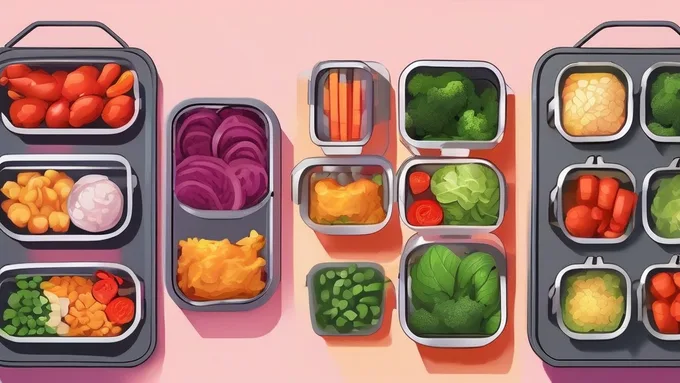
Successful you meals follow a flexible framework rather than rigid rules. Think of it as creating your personal food operating system - consistent enough to build habits, flexible enough to handle life's curveballs.
Start by identifying your anchor meals - the 5-7 meals you genuinely enjoy and can prepare consistently. These become your reliable foundation. A busy parent might anchor around overnight oats for breakfast, mason jar salads for lunch, and sheet pan dinners.
The 3-2-1 Meal Planning Method
- Choose 3 breakfast options you can rotate weekly. Focus on combinations that provide protein, healthy fats, and fiber to keep you satisfied until lunch.
- Develop 2 go-to lunch templates that work with your schedule. These might be grain bowls you can customize or sandwich combinations that travel well.
- Master 1 dinner formula you can adapt endlessly. For example: protein + roasted vegetables + grain/starch, prepared different ways throughout the week.
This approach prevents decision fatigue while maintaining variety. You're not eating the same thing every day, but you're working within familiar patterns that make shopping and prep more efficient.
Customizing Portions for Your Goals
Portion control doesn't mean eating tiny amounts of everything. It means eating the right amounts of the right foods for your specific objectives. Someone trying to build muscle needs more protein per meal than someone focused on weight maintenance.
| Goal | Protein per Meal | Carb Timing | Fat Focus |
|---|---|---|---|
| Weight Loss | 25-30g | Earlier in day | Moderate, quality sources |
| Muscle Building | 30-40g | Around workouts | Higher overall intake |
| Maintenance | 20-25g | Evenly distributed | Balanced throughout day |
| Endurance Training | 20-30g | Higher pre/post exercise | Focus on recovery |
Smart Technology for Meal Personalization
Technology transforms how we approach personalized nutrition, but only if you use the right tools effectively. BeCute is the nutrition app we are building for that job: AI that learns your eating patterns and gets more accurate at recommending the more it sees. BeCute is not yet on the App Store or Google Play.
Barcode scanning is being built to take the guesswork out of grocery shopping. Point your phone at a packaged food and you will see how it fits the goals for the day, and the more you scan, the closer the suggested alternatives get to your targets. None of that is on your phone yet, because BeCute is still in early access.
Photo Recognition for Real-World Eating
Restaurant meals and home-cooked dishes don't come with barcodes, but they represent a huge portion of what most people eat. BeCute is being built around photo food recognition for exactly that gap: a picture of the plate instead of a search through a database, with the nutritional breakdown read off the picture. It has not shipped yet.
That matters most when you are eating out or trying a new recipe, which is where manual entry loses most people. Instead of typing ingredients one at a time, you will snap a photo and get the calories, the macronutrients and how the meal fits the targets you set for the day. Until BeCute opens, the early access list is the whole of it.
Meal Prep Strategies That Actually Work
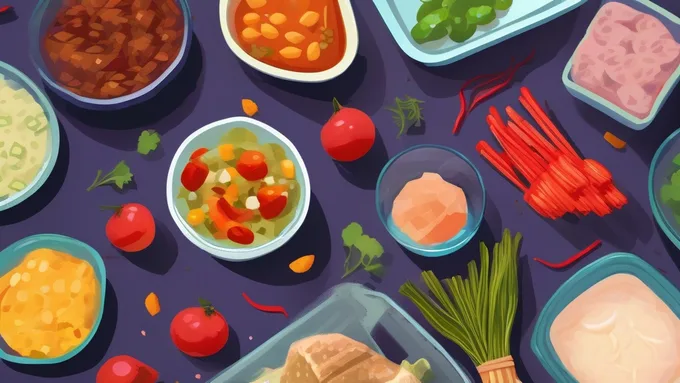
Meal prep doesn't mean eating the same sad container of chicken and broccoli every day. Smart prep focuses on components rather than complete meals, giving you building blocks to create variety throughout the week.
Prep proteins in different flavors: baked chicken with herbs, ground turkey with taco seasoning, hard-boiled eggs, and baked tofu with soy-ginger marinade. Cook grains in large batches: quinoa, brown rice, farro, and bulgur. Roast vegetables with different seasoning profiles.
The Container Strategy
Invest in quality glass containers in multiple sizes. Large containers hold batch-cooked grains and proteins. Medium containers work for roasted vegetables and prepared salads. Small containers store sauces, dressings, and toppings that add flavor variety.
Label everything with prep dates. Most prepared components stay fresh for 4-5 days in the refrigerator. This gives you a realistic window for using ingredients before they decline in quality.
- Sunday prep session: Cook grains, roast vegetables, prepare 2-3 protein options
- Wednesday refresh: Wash and chop fresh vegetables, prepare quick-cooking proteins
- Daily assembly: Combine components into meals, add fresh elements like herbs or avocado
Reading Labels Like a Nutrition Expert
Food labels contain valuable information, but companies design packaging to highlight their products' best features while downplaying potential concerns. Learning to read between the lines helps you make better choices for your you meals (FDA).
Start with the ingredient list, not the nutrition facts panel. Ingredients appear in order by weight, so the first few items make up the majority of the product. If sugar appears in the top three ingredients of a "healthy" granola bar, you're looking at candy with some oats mixed in.
Decoding Marketing Claims
Terms like "natural," "made with real fruit," and "contains whole grains" sound healthy but don't guarantee nutritional value. A product can contain whole grains and still be loaded with added sugars and sodium.
| Marketing Term | What It Actually Means | What to Look For Instead |
|---|---|---|
| "Natural" | Minimal processing requirements | Specific ingredient quality |
| "Made with whole grains" | Contains some whole grains | Whole grains as first ingredient |
| "Reduced sodium" | Less sodium than the original version | Actual sodium content per serving |
| "No artificial flavors" | Uses natural flavor compounds | Overall ingredient list quality |
According to the FDA Nutrition Facts label guide, 20 percent of the Daily Value or more per serving counts as high and 5 percent or less counts as low. Focus on the numbers that matter for your goals. If you're managing blood pressure, sodium content takes priority. For weight management, pay attention to calories per serving and serving size accuracy.
Personalisation stops at the two limits that are published for everyone. According to the Dietary Guidelines for Americans, added sugars should stay under 10 percent of daily calories and saturated fat under 10 percent.
Budget-Friendly Personalized Nutrition
Personalized nutrition doesn't require expensive specialty foods or supplements. The most nutrient-dense options - beans, eggs, seasonal vegetables, and whole grains - typically cost less than processed alternatives.
Plan your you meals around sales and seasonal availability. Frozen vegetables often provide better nutrition value than fresh options that have traveled long distances. A bag of frozen broccoli costs about $1.50 and provides the same nutrients as fresh broccoli at $3-4 per pound.
Strategic Shopping for Meal Personalization
Shop the perimeter of the store first, where fresh foods are typically located. Fill your cart with proteins, vegetables, and dairy before moving to packaged goods. This natural approach helps you prioritize whole foods in your budget.
Buy proteins in larger quantities when they're on sale, then portion and freeze them. A family pack of chicken thighs might cost $1.99 per pound compared to $4.99 for individual portions. Spend 30 minutes dividing and freezing the bulk purchase, and you've saved significant money on future meals.
- Bulk bin savings: grains, nuts and dried beans cost less loose than packaged
- Seasonal eating: In-season produce costs less and tastes better than imported options
- Generic brands: Store brands of basic ingredients (rice, oats, canned tomatoes) offer identical nutrition at lower prices
- Batch cooking: Making large portions reduces per-serving costs and saves time
Adapting Meals for Different Dietary Approaches
Your you meals might need to accommodate specific dietary patterns - whether for health reasons, ethical choices, or personal preferences. The key is understanding how to maintain nutritional balance within whatever framework you choose.
Plant-based eating requires more attention to protein combining and certain nutrients like B12 and iron. Our vegan diet planner guide covers the specifics of meeting all nutritional needs without animal products.
Common Dietary Adaptations
Low-carb approaches work well for some people, particularly those managing diabetes or trying to lose weight. But "low-carb" doesn't mean "no-carb." Focus on nutrient-dense carbohydrates like vegetables and moderate portions of whole grains rather than eliminating entire food groups.
Mediterranean-style eating emphasizes olive oil, fish, vegetables, and moderate amounts of whole grains. This pattern consistently shows up in research as supporting long-term health outcomes (PMC).
Intermittent fasting affects when you eat rather than what you eat. If you choose this approach, focus on nutrient density during your eating windows. You have fewer opportunities to meet your nutritional needs, so every meal counts more.
Tracking Progress Without Obsession
Effective tracking focuses on patterns rather than perfection. You don't need to log every bite of food for the rest of your life, but paying attention to your eating patterns helps you understand what works for your body.
Metrics That Actually Matter
Weight fluctuates daily on hydration, sleep, stress and a long list of other things. Energy levels, sleep quality, and how your clothes fit provide more meaningful feedback about whether your you meals are working.
Pay attention to hunger and satiety cues. Meals that leave you hungry an hour later or uncomfortably full might need adjustments in portion size or macronutrient balance. The goal is feeling satisfied and energized, not restricted or stuffed.
- Energy consistency: Stable energy throughout the day without crashes
- Sleep quality: Falling asleep easily and waking refreshed
- Digestive comfort: Regular bowel movements without bloating or discomfort
- Mood stability: Fewer food-related mood swings or cravings
- Physical performance: Maintaining strength and endurance during activities
Building Long-Term Success
Sustainable you meals evolve with your changing needs and circumstances. The eating pattern that works during a stressful work period might need adjustments when your schedule changes or your health goals shift.
Build flexibility into your approach from the beginning. Have backup meal options for busy days, strategies for eating out, and ways to handle social food situations without abandoning your nutrition goals entirely.
The most successful people treat their nutrition journey as an ongoing experiment rather than a fixed destination. They pay attention to what works, adjust what doesn't, and stay curious about new approaches that might serve them better.
For students heading to college, having reliable meal options becomes even more crucial. Check out our guide on freezer meals parents can prepare before the big move - it's packed with practical recipes that actually taste good reheated.
Creating personalized you meals isn't about following the latest diet trend or restricting yourself into misery. It's about developing a sustainable relationship with food that supports your health goals while fitting into your actual life. The combination of smart planning, appropriate technology, and attention to your body's feedback creates a nutrition approach that can adapt and grow with you over time.
Start small, stay consistent, and remember that perfect eating doesn't exist. Focus on progress over perfection, and you'll build habits that serve you well for years to come. For complete meal planning that takes the guesswork out of balanced eating, explore our complete guide to nutrition meals for practical options that fit any lifestyle.
What You Need to Know About You Meals
How do I start personalizing my meals?
Start personalizing your meals by understanding your unique nutrition needs. First, assess your dietary goals, whether it's weight loss, muscle gain, or maintaining a balanced diet. Track your current eating habits for a week and mark what you would change. BeCute is being built to do that reading for you. Next, create a meal plan that incorporates your favorite foods while meeting your nutritional requirements. Don't forget to adjust portion sizes and include a variety of food groups to ensure a balanced intake. Finally, monitor your progress and tweak your plan as needed to stay on track.
What is the cost of using personalized meal planning apps?
Personalized meal planning apps can range from free to around $10 per month. Many apps offer basic features at no cost, but premium versions with advanced features like AI meal suggestions and detailed nutrition tracking might require a subscription. Most trackers keep basic logging free and charge for deeper analysis, so check what the free plan actually includes before you commit to one. Consider your needs and budget to decide if upgrading to a paid plan is worth it for you.
What is the difference between personalized meal planning and regular meal planning?
Personalized meal planning tailors meals to your specific nutritional needs, while regular meal planning follows a more generic approach. Personalized plans consider factors like your age, weight, activity level, and dietary preferences, ensuring that you get the nutrients you need. In contrast, regular meal planning might not account for these individual differences, potentially leading to nutritional gaps. A meal plan that follows your health goals and your life rather than a template is what BeCute is being built to produce, and it is not downloadable yet.
How can I read food labels like a nutrition expert?
Reading food labels like a pro involves focusing on key information such as serving size, calories, and nutrient content. Start by checking the serving size to ensure you're consuming the right amount. Next, look at the calories per serving and compare them to your daily intake goals. Pay attention to nutrients like fiber, protein, and vitamins, while keeping an eye on saturated fats, sodium, and added sugars. Practice makes perfect, so read the label before you buy; BeCute is being built to return that from a scan instead.
Is personalized nutrition really worth it?
Yes, personalized nutrition can significantly enhance your health and well-being. By tailoring your diet to your specific needs, you can improve energy levels, support weight management, and reduce the risk of chronic diseases. Personalized nutrition helps you make informed food choices and develop sustainable eating habits. While it may require some initial effort and investment, the long-term benefits of better health and improved quality of life make it a worthwhile endeavor.
FAQ
How long does it take to see results from personalized meal planning?
Most people notice changes in energy levels and sleep quality within 1-2 weeks of consistent meal planning. Weight changes and other physical improvements typically become apparent after 3-4 weeks. The key is giving your body enough time to adapt to new eating patterns while tracking meaningful metrics beyond just the scale. Those weeks are only readable if they were written down. BeCute is being built around a photo of the plate for that reason: a log that takes seconds is the only kind that survives a busy week.
Whether You Meals is working for you comes out of your own log, and progress charts and milestones are part of what BeCute is being built to show, and the 1-2 weeks above is one of this page's own figures; the app behind it is not yet on the App Store or Google Play.
Can I still eat out while following a personalized meal plan?
Absolutely. Successful meal personalization includes strategies for restaurant dining and social eating. Review menus ahead of time when possible, focus on grilled or roasted proteins with vegetables, and don't stress about perfect adherence. One restaurant meal won't derail your progress if you return to your planned meals afterward.
Sooner or later You Meals runs into a restaurant menu, and a plan only survives one if it can be replanned, which is what BeCute is being built to do; BeCute itself is not yet on the App Store or Google Play.
What's the difference between meal prep and meal planning?
Meal planning involves deciding what you'll eat and when, while meal prep refers to the actual cooking and preparation work. You can meal plan without extensive prep by choosing simple meals that require minimal advance preparation. Conversely, you can meal prep components without planning every specific meal combination. BeCute is being built to hold both halves, the plan for the week and the record of what was actually eaten, so the difference stops being a matter of memory.
Meal prep is what You Meals turns on, and it is a habit BeCute is being built to support with plans, reminders and streaks rather than to replace; the app behind it is not yet on the App Store or Google Play.
How do I handle food cravings while following personalized meals?
Cravings often indicate nutritional gaps or emotional triggers rather than true hunger. Ensure your meals include adequate protein, healthy fats, and fiber to maintain stable blood sugar. When cravings hit, drink water first, then consider whether you're actually hungry or responding to stress, boredom, or habit patterns. The CDC publishes the plain version of that advice. BeCute is being built to show the pattern behind a craving, because a week of logged meals says more than one hungry evening.
Nothing on You Meals is yours until it is adjusted, and personalization in BeCute is being built from your goals, preferences and restrictions rather than from a template chosen for you; BeCute itself is not yet on the App Store or Google Play.
Should I count calories when creating personalized meals?
Calorie counting can be a useful tool initially to understand portion sizes and food energy density, but it's not necessary long-term for everyone. Focus on eating nutrient-dense whole foods, paying attention to hunger and fullness cues, and tracking how different foods make you feel. Some people benefit from periodic calorie awareness without daily counting. BeCute is not on the App Store or Google Play yet, so the honest answer today is a waiting list rather than a feature: the early access page at becute.app is where that counting will start.
Here on You Meals, the calorie and macro numbers BeCute is being built to give come from the published Mifflin-St Jeor equation rather than from a proprietary score; the app behind it is not yet on the App Store or Google Play.
How often should I update my personalized meal plan?
Review and adjust your meal plan every 4-6 weeks, or whenever your routine, goals, or preferences change significantly. Seasonal adjustments help you take advantage of fresh, affordable produce while preventing boredom. Major life changes like new jobs, moving, or health diagnoses may require more immediate plan modifications. The NIH keeps a short guide to meal planning for the same reason. BeCute is being built to make that review a look at the last month rather than a memory test.
The one thing BeCute has today for a reader of You Meals is a place to leave an email address, and a figure like the 4-6 weeks above only means something once it is yours; BeCute is not yet on the App Store or Google Play, so what you can use here today is the free 5 meals a day schedule at becute.app/tools/5-meals-a-day-schedule - no email, no account, nothing to install - while the early access waitlist at becute.app covers the app.
Sources
- World Health Organization. "Healthy diet." WHO
- U.S. Food and Drug Administration. "Using the Nutrition Facts Label and MyPlate to Make Healthier Choices." FDA
- Wolfson JA, Bleich SN. "Cooking at Home: A Strategy to Comply With U.S. Dietary Guidelines at No Extra Cost." PMC
- Centers for Disease Control and Prevention. "Healthy Eating Tips." CDC
- National Institutes of Health. "Food & Nutrition Meal Planning." NIH

Written by
Oleksandr PaduraFounder & CEO at BeCute
Oleksandr Padura is the founder of BeCute. He is building an AI nutrition planner that turns personal goals into a daily meal plan. The app is not yet on the App Store or Google Play, and the waitlist gets access first.
Published: 2026-04-27
Disclaimer: This article is for informational purposes only and is not a substitute for professional medical advice, diagnosis, or treatment. Always consult a qualified healthcare provider before making changes to your diet or health routine.