

Key Takeaways
- Food decisions pile up all day; meal prep spends them once, when willpower is highest.
- Fill containers: half non-starchy vegetables, quarter lean protein, quarter complex carbohydrates for satiety.
- Budget-friendly meal prep costs under $4 per meal using chicken thighs at $1.25 per serving.
- Prepare most of the week and leave the rest flexible, to prevent all-or-nothing failures.
- One Sunday prep session takes 2-3 hours but yields 12-15 complete meals and snacks.
Your Sunday afternoon spent chopping vegetables and portioning proteins isn't just meal prep-it's your secret weapon against weekday food decisions that derail weight loss goals. Meal prep for weight loss transforms chaotic eating patterns into structured success, but most people approach it backwards, focusing on restriction rather than strategic abundance.
You might also find our guide on how to meal prep on sunday for the entire college week helpful.
The difference between meal prep that works and meal prep that gets abandoned by Wednesday? Understanding that sustainable weight loss happens when you make healthy choices effortless, not when you white-knuckle through another week of bland chicken and broccoli. Research shows that home meal preparation significantly improves diet quality and supports weight management.
Join the early access waitlist and we will email you the day it launches.
The Science Behind Strategic Meal Preparation
Your brain spends the day making decisions, and food choices take a large share of them. Each decision depletes mental energy, making you more likely to grab convenient, calorie-dense options by evening. Meal prep eliminates decision fatigue by front-loading choices when your willpower is strongest.
Studies demonstrate that people who prepare meals at home consume fewer calories, less sugar, and more nutrients than those who rely on restaurants or convenience foods (Optimal Diet Strategies for Weight Loss and Weight Loss Maintenance). The CDC reinforces this, noting that planned meals and snacks support healthy weight maintenance.
Calorie Control Without Counting
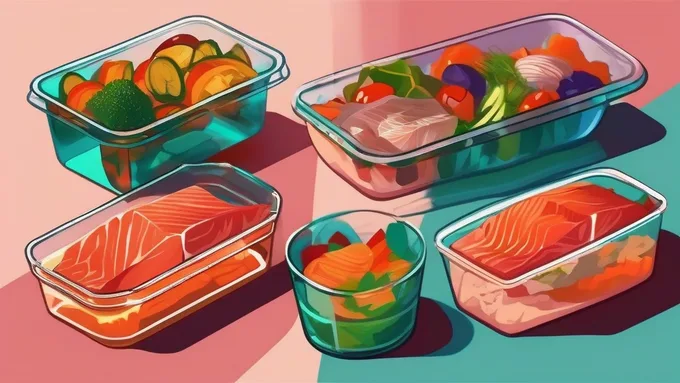
Effective weight loss meal prep focuses on portion control through container systems rather than obsessive calorie counting. A standard meal prep container holds approximately 2-3 cups, naturally limiting portions while ensuring satisfaction. Fill half with non-starchy vegetables, one quarter with lean protein, and one quarter with complex carbohydrates.
The BeCute app is being built to scan barcodes and recognize meals from photos, so the nutritional values are calculated without manual input. Users can track their prepared meals once and replicate successful combinations throughout the week.
Building Your Weight Loss Meal Prep Foundation
Successful meal prep starts with understanding your actual eating patterns, not idealized versions. Track what you currently eat for three days-including weekend splurges and late-night snacks. This baseline reveals where calories accumulate and which meals cause the most decision stress.
Essential Equipment That Actually Matters
Skip the expensive gadgets. You need five items: glass containers with tight lids, a digital food scale, sharp knives, sheet pans, and a slow cooker or Instant Pot. Glass containers prevent plastic chemicals from leaching into food and maintain freshness longer than plastic alternatives.
| Container Size | Best Use | Typical Portions |
|---|---|---|
| 1-cup containers | Snacks, sauces | Nuts, hummus, dressings |
| 2-cup containers | Single meals | Lunch portions, breakfast bowls |
| 3-cup containers | Dinner portions | Complete meals with sides |
| Large containers | Batch cooking | Soups, stews, grain salads |
The Prep Philosophy
Prepare most of your weekly meals and leave the rest flexible for social events, cravings or schedule changes. This prevents the all-or-nothing mentality that destroys long-term consistency. Flexibility within structure beats rigid perfection every time.
Step-by-Step Weekly Meal Prep System
Change Sunday afternoons into efficient prep sessions with this proven sequence. The order matters-proteins take longest to cook, while vegetables can roast simultaneously.
- Start proteins first: Season and cook chicken breasts, lean ground turkey, or fish fillets. Use a meat thermometer to ensure proper doneness without overcooking.
- Prep complex carbohydrates: Cook quinoa, brown rice, or sweet potatoes in large batches. These store well and reheat perfectly throughout the week.
- Roast vegetables: Cut broccoli, bell peppers, zucchini, and Brussels sprouts. Toss with olive oil and seasonings, then roast on sheet pans at 425°F.
- Assemble containers: Fill each container with one protein, one carbohydrate, and vegetables. Add healthy fats like avocado or nuts just before eating.
- Prepare grab-and-go snacks: Portion nuts, cut vegetables, and prepare protein-rich options like hard-boiled eggs or Greek yogurt parfaits.
- Label and store: Write contents and date on each container. Store in refrigerator for up to four days or freezer for up to three months.
This system typically takes 2-3 hours but provides 12-15 meals and snacks. The time investment pays dividends in reduced daily stress and consistent nutrition choices.
According to the CDC, 12.3 percent of US adults met the federal fruit recommendation in 2019. According to the CDC report, 10.0 percent met the vegetable recommendation. Prepping is mostly a way of making the vegetables already cooked.
Budget-Friendly Weight Loss Meal Prep
Effective meal prep doesn't require expensive superfoods or organic everything. Strategic shopping and bulk cooking can reduce per-meal costs to under $4 while supporting weight loss goals.
Smart Shopping Strategies
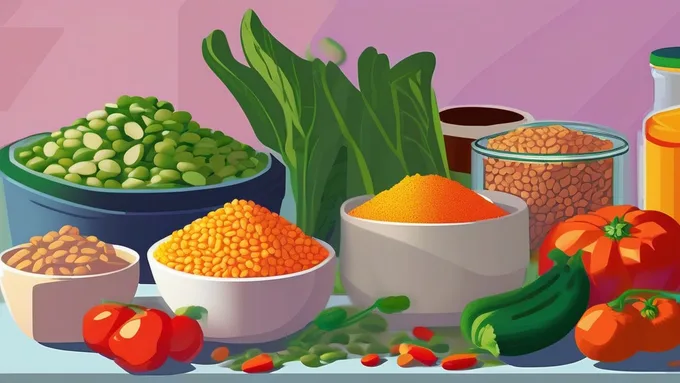
Buy proteins on sale and freeze immediately. Chicken thighs cost significantly less than breasts but provide more flavor and stay moist during reheating. Canned beans, lentils, and eggs offer affordable protein alternatives that store well.
- Seasonal vegetables: Purchase what's in season for lower prices and peak nutrition. Frozen vegetables work perfectly for meal prep and often contain more nutrients than fresh options shipped long distances.
- Bulk grains and legumes: Buy quinoa, brown rice, and dried beans in large quantities. Store in airtight containers for extended freshness.
- Generic brands: According to the USDA Economic Research Service, store-brand foods were priced 25 percent below national brands from July 2009 to August 2010, and 21 percent below during the recession before that. Compare ingredient lists rather than relying on marketing claims.
- Manager's specials: Purchase discounted proteins near expiration dates and use immediately or freeze for later prep sessions.
| Ingredient | Cost Per Serving | Prep Time | Storage Life |
|---|---|---|---|
| Chicken thighs | $1.25 | 25 minutes | 4 days refrigerated |
| Brown rice | $0.35 | 45 minutes | 5 days refrigerated |
| Frozen broccoli | $0.75 | 10 minutes | 3 days refrigerated |
| Black beans | $0.50 | 5 minutes | 4 days refrigerated |
Customizing Meal Prep for Different Weight Goals
Weight loss and weight gain require different approaches to meal prep, but both benefit from structured planning. The WHO emphasizes that healthy diets must be individualized based on personal characteristics and lifestyle.
Meal Prep for Weight Loss
Focus on volume and satiety rather than restriction. Harvard's Nutrition Source recommends incorporating high-fiber foods and lean proteins to promote fullness. Prepare large portions of low-calorie, high-volume foods like vegetable soups, salads with protein, and roasted vegetables.
Create satisfying meals by including healthy fats in controlled portions. Add half an avocado, a tablespoon of nuts, or olive oil-based dressings to prevent feeling deprived. Our customized meal plans for weight loss guide provides detailed strategies for personalizing your approach based on individual preferences and goals.
Meal Prep for Weight Gain
Weight gain meal prep requires calorie-dense, nutrient-rich combinations that don't cause uncomfortable fullness. Focus on healthy fats, complex carbohydrates, and protein-rich foods that pack calories into smaller volumes.
- Calorie-dense proteins: Salmon, nuts, seeds, and full-fat dairy provide concentrated calories with essential nutrients.
- Healthy fat additions: Drizzle olive oil on vegetables, add nut butters to smoothies, and include avocado in multiple meals daily.
- Complex carbohydrates: Quinoa, oats, and sweet potatoes provide sustained energy and support muscle building when combined with protein.
- Liquid calories: Smoothies with protein powder, nut butter, and fruits offer easy-to-consume calories between meals.
Technology Integration for Smarter Meal Prep
Modern meal prep benefits enormously from technology integration. The FDA encourages using nutrition labels and digital tools to make informed food choices.
You might also find our guide on meal fuel: energize your day with smart nutrition choices helpful.
Recognizing a prepared meal and calculating its macronutrients is what BeCute is being built to do, and it is not out yet. Scan ingredients while shopping to compare options, then photograph your completed meal prep containers to log entire weeks of nutrition data in minutes.
AI-Powered Meal Planning
Artificial intelligence transforms meal prep from guesswork into precision nutrition. Advanced apps learn your preferences, dietary restrictions, and weight goals to suggest optimal combinations of ingredients you actually enjoy eating.
The technology adapts to your schedule, suggesting quicker prep options during busy weeks and more elaborate meals when time allows. This personalization prevents the meal prep burnout that occurs when following generic plans that don't match your lifestyle.
Common Meal Prep Mistakes and Solutions
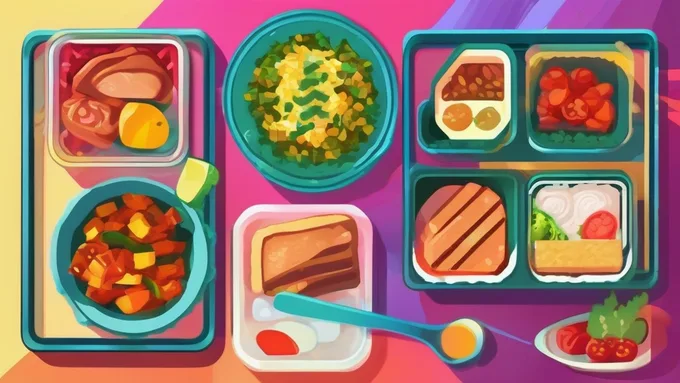
Most meal prep failures stem from overambitious planning rather than lack of willpower. Start small and build consistency before expanding your prep repertoire. Cleveland Clinic suggests beginning with just one meal per day to establish sustainable habits.
Avoiding Flavor Fatigue
Eating identical meals for five days straight kills motivation faster than any diet restriction. Prepare base ingredients separately and combine them differently throughout the week. Cook plain chicken breasts, then season portions with different spice blends, sauces, or marinades.
The same roasted vegetables taste completely different with Mediterranean herbs versus Asian-inspired seasonings. This approach provides variety without multiplying prep time.
Preventing Food Safety Issues
Proper storage prevents foodborne illness and maintains meal quality throughout the week. Cool cooked foods completely before refrigerating, and store proteins separately from vegetables when possible. Label containers with preparation dates and consume refrigerated meals within four days.
Freeze portions you won't eat within the safe window. Most prepared meals freeze well for up to three months, providing backup options for particularly busy weeks.
Advanced Strategies for Long-Term Success
Sustainable meal prep evolves with your lifestyle changes, seasonal preferences, and goal adjustments. Penn Medicine's metabolic specialists emphasize that successful weight management requires adaptable strategies rather than rigid rules.
Seasonal Meal Prep Adaptations
Adjust your prep strategy based on seasonal produce availability and temperature preferences. Summer meal prep focuses on cold salads, grilled proteins, and fresh vegetables that don't require reheating. Winter preparations emphasize warming soups, stews, and roasted vegetables that provide comfort during colder months.
This seasonal approach prevents boredom while taking advantage of peak nutrition and lower prices when produce is in season. Our weekly meal plan guide includes seasonal templates that adapt to changing preferences and availability.
Special Dietary Considerations
Vegetarian meal prep requires extra attention to protein combining and nutrient density. Legume and grain combinations provide complete proteins, while nuts, seeds, and dairy add essential amino acids. The American Diabetes Association provides specific guidance for meal planning with blood sugar management.
Those managing diabetes benefit from consistent carbohydrate portions and timing. Meal prep naturally supports this by providing predictable nutrition content and eliminating impulsive food choices that can spike blood glucose levels.
Building Your Personal Meal Prep System
The Academy of Nutrition and Dietetics emphasizes that successful meal prep requires developing personal systems that fit individual schedules and preferences. Your system should feel sustainable rather than burdensome.
Start by identifying your biggest food challenges. Do you skip breakfast? Grab fast food for lunch? Overeat at dinner? Target your meal prep efforts toward these problem areas first, then expand to other meals once you've established consistent habits.
For those seeking structured guidance, our 7-day diet plan provides a complete framework for getting started with meal prep while focusing on sustainable weight loss strategies.
Creating Backup Plans
Life disrupts even the best meal prep intentions. Build flexibility into your system with emergency options that don't derail your progress. Keep frozen vegetables, canned beans, and pre-cooked proteins on hand for quick meal assembly when fresh prep runs out.
Identify healthy restaurant options near your work and home for unavoidable dining situations. Many chains now provide detailed nutrition information, making it easier to choose options that align with your goals. The key is having a plan rather than making desperate decisions when hunger strikes.
Effective meal prep transforms weight management from a daily struggle into an automatic system that supports your goals without constant willpower. The combination of strategic planning, smart shopping, and technology integration creates sustainable habits that adapt to life's inevitable changes.
Success comes from starting small, focusing on consistency over perfection, and gradually building a system that feels natural rather than restrictive. Whether your goal is weight loss, weight gain, or simply eating more nutritious meals, the principles remain the same: plan ahead, prep smart, and stay flexible enough to maintain long-term success. For complete support in this journey, our balanced diet plan guide offers AI-powered strategies that personalize your approach to sustainable weight management.
Sources
- PMC (2020). "Home Meal Preparation: A Powerful Medical Intervention." PMC
- PMC (2021). "Optimal Diet Strategies for Weight Loss and Weight Loss Maintenance." PMC
- CDC (2024). "How to Have Healthier Meals and Snacks." CDC
- WHO (2024). "Healthy diet." WHO
- Harvard T.H. Chan School of Public Health (2024). "Meal Prep Guide." Harvard Nutrition Source
- FDA (2024). "Using the Nutrition Facts Label and MyPlate to Make Healthier Choices." FDA
- Cleveland Clinic (2024). "Meal Prep Ideas for Breakfast, Lunch and Dinner." Cleveland Clinic
- Penn Medicine (2024). "Metabolic Medicine." Penn Medicine
- American Diabetes Association (2024). "Simple Diabetes Meal Plan: Manage Blood Glucose with the Diabetes Plate." American Diabetes Association
- Academy of Nutrition and Dietetics (2024). "Basics of Meal Prepping." Academy of Nutrition and Dietetics
What You Need to Know About Meal Prep for Weight Loss
How do I start meal prep for weight loss?
Start meal prep for weight loss by planning a simple weekly menu. Pick 3-4 easy recipes that you can batch cook, like grilled chicken with veggies or quinoa salad. Set aside 2-3 hours on a weekend to cook and portion your meals into containers. This way, you’ll have healthy meals ready to grab during the week. Track your calorie intake against your weight loss goals; BeCute is being built to keep that count once it opens. Remember, the key is consistency, so keep your prep manageable and gradually build from there.
Is meal prep for weight loss worth the cost?
Yes, meal prep for weight loss is worth the cost if you do it smartly. On average, meal prepping can save you around $20-30 per week compared to eating out. Buying ingredients in bulk and choosing seasonal produce can further cut costs. Plus, meal prepping reduces food waste and helps you stick to your diet, which can save you money on health-related expenses in the long run. The upfront cost of containers and initial grocery shopping might seem high, but the savings and health benefits make it worthwhile.
What's the difference between meal prep for weight loss and weight gain?
The main difference between meal prep for weight loss and weight gain is the calorie and macronutrient content. For weight loss, meals are lower in calories and higher in fiber and protein to keep you full. For weight gain, meals are higher in calories and often include more healthy fats and carbohydrates. Both require planning and portion control, but the focus shifts based on your goals. Adjusting meal prep to a specific target, up or down, is what BeCute is being built to support, and it is not downloadable yet.
What are some easy meal prep ideas for weight loss beginners?
For beginners, easy meal prep ideas for weight loss include dishes like overnight oats, grilled chicken with roasted vegetables, and quinoa bowls. These meals are simple to prepare and can be made in bulk. Start with recipes that require minimal ingredients and cooking skills. Use spices and herbs to keep flavors interesting without adding extra calories. As you become more comfortable, you can experiment with more complex recipes. The goal is to make meal prep a sustainable part of your routine.
Are there budget-friendly meal prep options for weight loss?
Absolutely, there are many budget-friendly meal prep options for weight loss. Focus on using affordable staples like beans, lentils, brown rice, and seasonal vegetables. These ingredients are not only cost-effective but also nutritious. Buying in bulk and planning meals around sales can further reduce costs. Preparing meals at home is generally cheaper than dining out, and you have control over portion sizes and ingredients, which is crucial for weight loss.
FAQ
How long do meal prepped foods stay fresh in the refrigerator?
Most meal prepped foods stay fresh for 3-4 days in the refrigerator when stored properly in airtight containers. Cooked proteins and vegetables maintain quality for up to four days, while prepared grains and legumes can last up to five days. Always cool foods completely before refrigerating and label containers with preparation dates to track freshness.
Meal prep is what Meal Prep for Weight Loss turns on, and it is a habit BeCute is being built to support with plans, reminders and streaks rather than to replace, and numbers like the 3-4 days above are what a plan has to carry; the app behind it is not yet on the App Store or Google Play.
Can I freeze meal prepped containers for longer storage?
Yes, most meal prep containers freeze well for up to three months. Avoid freezing foods with high water content like lettuce or cucumber, as they become mushy when thawed. Soups, stews, cooked grains, and proteins freeze excellently. Leave some space in containers for expansion and thaw frozen meals in the refrigerator overnight before reheating.
Questions like the one above on Meal Prep for Weight Loss are exactly what BeCute, an AI meal planning and nutrition app, is being built around; the app is not yet on the App Store or Google Play.
What's the best way to reheat meal prepped foods without losing nutrition?
Microwave reheating preserves the most nutrients when done properly. Add a tablespoon of water to vegetables to create steam, cover containers, and heat in 30-second intervals to prevent overcooking. For proteins, reheat gently to avoid tough, dry textures. Steaming or gentle stovetop reheating also work well for maintaining food quality and nutrition.
Weight loss on Meal Prep for Weight Loss comes down to holding a target and replanning around what was actually eaten rather than around what was planned, which is what BeCute is being built to do; BeCute itself is not yet on the App Store or Google Play.
How much should I spend weekly on meal prep ingredients?
A realistic meal prep budget ranges from $50-80 per week for one person, depending on protein choices and organic preferences. Focus spending on quality proteins and healthy fats, while saving money on bulk grains, seasonal vegetables, and frozen options. Shopping sales and buying in bulk can reduce costs to $40-60 weekly without sacrificing nutrition quality.
For the money side of Meal Prep for Weight Loss, the answer from us is that BeCute is free during early access, and free is a promise about launch rather than a product you can obtain today, and a figure like the $50-80 per week above only means something once it is yours; the app is not yet on the App Store or Google Play.
Should I prep all meals for the week or just some?
Start by prepping just lunch or dinner for the week, then expand as the habit becomes natural. Most successful meal preppers prepare the bulk of the week and leave the rest flexible for social events or cravings. This prevents all-or-nothing thinking while providing structure for the majority of your eating decisions.
A week gets rewritten sooner or later, and on Meal Prep for Weight Loss rewriting one without rewriting every meal in it is what BeCute is being built to handle; the app behind it is not yet on the App Store or Google Play, and what does work today is the free 5 meals a day schedule at becute.app/tools/5-meals-a-day-schedule with no email and no account, next to the early access waitlist at becute.app for the app.
What if I get bored eating the same meals every day?
Prepare base ingredients separately and combine them differently throughout the week. Cook plain proteins and season individual portions with different spice blends or sauces. Use the same roasted vegetables in different combinations - Mediterranean one day, Asian-inspired the next. This approach provides variety without multiplying prep time or complexity.
The one thing BeCute has today for a reader of Meal Prep for Weight Loss is a place to leave an email address; BeCute is not yet on the App Store or Google Play, and the early access waitlist at becute.app is what exists in the meantime.

Written by
Oleksandr PaduraFounder & CEO at BeCute
Oleksandr Padura is the founder of BeCute. He is building an AI nutrition planner that turns personal goals into a daily meal plan. The app is not yet on the App Store or Google Play, and the waitlist gets access first.
Published: 2026-03-30
Disclaimer: This article is for informational purposes only and is not a substitute for professional medical advice, diagnosis, or treatment. Always consult a qualified healthcare provider before making changes to your diet or health routine.