

Key Takeaways
- Seniors need 1.2g protein per kilogram body weight daily, up from 0.8g in younger adults.
- Build meals with 20-25g breakfast protein, 25-30g lunch, 25-30g dinner, plus 10-15g snacks.
- Frozen vegetables cost less than fresh and keep most of their nutrients.
- Batch cooking two hours weekly reduces daily stress while ensuring consistent nutrition throughout week.
- According to the National Academies Dietary Reference Intakes, 10 to 30 percent of older people may be unable to absorb naturally occurring vitamin B12.
Your grandmother's appetite isn't what it used to be. She picks at her food, skips meals, and you're watching her energy decline week by week. This scenario plays out in home after home across America, where well-meaning families struggle to address the unique nutritional challenges that come with aging.
Creating effective nutritional meals for seniors requires understanding how aging affects everything from taste buds to digestive function. The good news? With the right approach, you can design meal plans that not only meet changing nutritional needs but actually improve quality of life and energy levels.
Join the early access waitlist and we will email you the day it launches.
Understanding Senior Nutritional Needs
Aging bodies process nutrients differently than younger ones. Protein requirements actually increase after age 65, jumping from 0.8 grams per kilogram of body weight to 1.2 grams per kilogram (Penn Medicine). This means a 150-pound senior needs about 82 grams of protein daily, significantly more than younger adults.
Digestive changes compound the challenge. Stomach acid production decreases with age, making it harder to absorb vitamin B12, iron, and calcium (UCLA Health). Taste and smell sensitivity also decline, leading to reduced food enjoyment and smaller portion sizes.
Key Nutritional Priorities
Focus on these essential nutrients that become more critical with age:
- Calcium and Vitamin D: bone density falls steadily from middle age onwards
- Vitamin B12: absorption falls with age, which is why the National Academies tell people over 50 to get B12 from fortified food or a supplement
- Fiber: Supports digestive health and prevents constipation
- Omega-3 fatty acids: Combat inflammation and support brain function
- Potassium: Helps manage blood pressure and heart health
Common Nutritional Challenges Seniors Face
Beyond changing nutrient needs, practical barriers make healthy eating more difficult for older adults. Medication side effects frequently suppress appetite or alter taste perception. Arthritis makes food preparation painful, while vision changes make reading nutrition labels nearly impossible.
Social isolation compounds these problems. Eating alone reduces meal enjoyment and portion sizes, creating a cycle where poor nutrition leads to decreased energy and further social withdrawal (PMC).
Budget Constraints
Fixed incomes make nutritious food choices challenging. Fresh produce and lean proteins cost more than processed alternatives, forcing many seniors to choose quantity over quality. Older households spend a larger share of their income on food than younger ones.
Smart shopping strategies can stretch budgets without sacrificing nutrition. Frozen vegetables keep most of their nutrients and cost less than fresh. Canned fish provides affordable protein and omega-3s, while dried beans offer fiber and protein at under $2 per pound.
The band a plan has to sit inside does not change with age. According to the National Academies Dietary Reference Intakes, the acceptable range for adults is 45-65 percent of calories from carbohydrate, 20-35 percent from fat and 10-35 percent from protein.
Designing Age-Appropriate Meal Plans
Successful meal planning for seniors starts with understanding individual preferences and limitations. A structured diet schedule helps maintain consistent nutrition intake throughout the day, which becomes increasingly important as appetite fluctuates.
Build meals around nutrient-dense foods rather than empty calories. Each meal should include a lean protein source, colorful vegetables, whole grains, and healthy fats. This combination provides sustained energy while meeting increased protein requirements.
Sample Daily Meal Structure
| Meal | Protein Target | Key Components | Portion Guide |
|---|---|---|---|
| Breakfast | 20-25g | Eggs, Greek yogurt, fortified cereal | Palm-sized protein, 1 cup dairy |
| Lunch | 25-30g | Lean meat, fish, legumes | Deck of cards protein portion |
| Dinner | 25-30g | Poultry, seafood, tofu | 3-4 oz cooked protein |
| Snacks | 10-15g | Nuts, cheese, protein smoothies | 1/4 cup nuts, 1 oz cheese |
Practical Meal Preparation Strategies
Batch cooking transforms meal preparation from daily chore to weekly project. Spend two hours on Sunday preparing proteins, grains, and vegetables that can be mixed and matched throughout the week. This approach reduces daily cooking stress while ensuring consistent nutrition.
- Prep proteins in bulk: Grill chicken breasts, bake salmon fillets, or slow-cook lean beef. Portion into individual containers for easy reheating.
- Cook grains in large batches: Brown rice, quinoa, and barley store well in the refrigerator for up to five days.
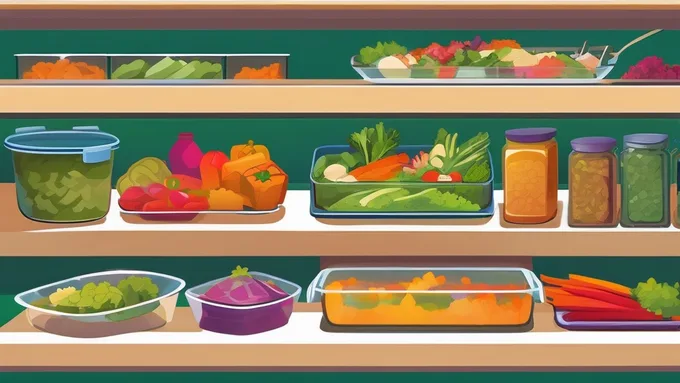
- Wash and chop vegetables: Store cut vegetables in clear containers for easy visibility and access.
- Prepare grab-and-go snacks: Portion nuts, cut fruit, or make protein balls for convenient between-meal options.
- Label everything clearly: Use large, clear labels with preparation dates to ensure food safety and reduce waste.
Kitchen Modifications for Easier Cooking
Simple kitchen adjustments make food preparation safer and more manageable. Install pull-out shelves in lower cabinets to reduce bending. Use lightweight cookware with easy-grip handles to prevent strain and accidents.
Technology can bridge gaps where physical limitations create barriers. Barcode scanning is one of the first features we are building into the BeCute app, and vision is the reason: a scan will pull the nutrition panel onto a screen you control, instead of holding a jar at arm's length under kitchen light. The app is in development. Voice-activated recipe assistants that already exist can guide cooking steps hands-free today.
According to the USDA Economic Research Service, store-brand foods were priced 25 percent below national brands from July 2009 to August 2010, and 21 percent below during the recession before that.
Budget-Friendly Nutrition Solutions
Eating well on a fixed income requires strategic shopping and creative meal planning. Focus spending on nutrient-dense staples rather than processed convenience foods. A $50 weekly grocery budget can provide excellent nutrition with careful planning.
Protein bargains include eggs ($3 per dozen provides 12 servings), canned salmon ($2 per can with two servings), and dried lentils ($1.50 per pound with 16 servings). These options deliver high-quality protein at under $0.50 per serving.
Cost-Effective Shopping Strategy
- Shop seasonal produce: in-season vegetables cost far less than out-of-season options
- Buy frozen when fresh is expensive: Frozen berries, spinach, and broccoli retain nutrients at lower costs
- Purchase generic brands: store brands offer identical nutrition for less
- Use senior discounts: many stores discount on specific shopping days
- Stock up during sales: Non-perishable proteins and grains can be stored safely for months
Community resources extend food budgets significantly. Senior nutrition programs provide meals at reduced costs, while food banks often stock fresh produce and proteins specifically for older adults (CDC).
Managing Health Conditions Through Diet
Many seniors juggle multiple health conditions that require dietary modifications. Diabetes management focuses on consistent carbohydrate intake and balanced meals, while heart disease requires limiting sodium and saturated fats. These restrictions don't mean bland, boring food.
Heart-healthy meals can burst with flavor using herbs, spices, and citrus instead of salt. Mediterranean-style cooking provides excellent templates, emphasizing olive oil, fish, vegetables, and whole grains (Cleveland Clinic).
Condition-Specific Meal Modifications
| Condition | Key Dietary Changes | Recommended Foods | Foods to Limit |
|---|---|---|---|
| Diabetes | Consistent carb timing | Whole grains, lean proteins, non-starchy vegetables | Refined sugars, white bread, sugary drinks |
| Heart Disease | Reduce sodium, increase fiber | Fish, nuts, olive oil, fruits, vegetables | Processed meats, fried foods, excess salt |
| Osteoporosis | Increase calcium and vitamin D | Dairy products, leafy greens, fortified foods | Excessive caffeine, alcohol |
| High Blood Pressure | DASH diet principles | Potassium-rich foods, whole grains, lean proteins | High-sodium processed foods, alcohol |
Technology Tools for Better Nutrition
Modern technology bridges many gaps in senior nutrition management. Smartphone apps can track nutrient intake, remind about meal times, and provide recipe suggestions based on dietary restrictions. Voice assistants read recipes aloud, eliminating vision-related cooking challenges.
Photo recognition is one of the first things being built into the BeCute app, and portion estimation is the reason: that is where the guessing starts. The app is not out yet, so today a cup measure and a written note do that job. Once BeCute opens, a photograph of the plate will replace both.
Helpful Digital Resources
Meal delivery services designed for seniors address both nutrition and convenience concerns. Services like Silver Cuisine focus on heart-healthy, diabetic-friendly options with clear nutritional labeling (Healthline). While more expensive than home cooking, they provide excellent nutrition education and portion control examples.
For complete guidance on balanced eating, our detailed nutrition meals guide covers meal planning strategies that work particularly well for older adults managing multiple dietary needs.
Social and Community Aspects of Senior Nutrition
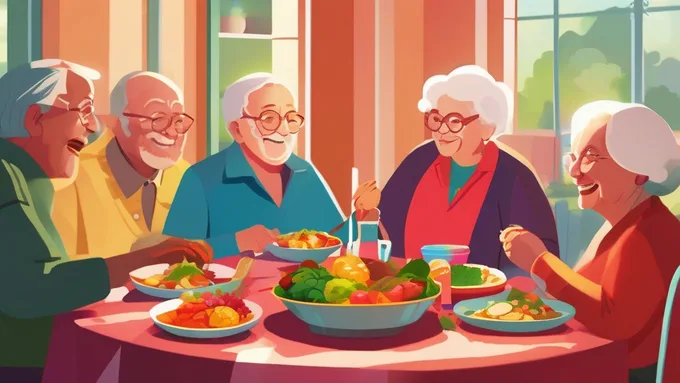
Eating remains fundamentally social, and isolation significantly impacts nutritional status in older adults. Community meal programs serve dual purposes, providing nutritious food while creating social connections that improve overall wellbeing (WHO).
Family involvement makes dramatic differences in senior nutrition outcomes. Adult children can help with grocery shopping, meal preparation, or simply sharing meals regularly. Even virtual dinner dates via video calls improve meal enjoyment and portion sizes.
Building Support Systems
- Organize cooking clubs: Seniors can share meal preparation responsibilities and costs
- Establish shopping partnerships: Neighbors can coordinate grocery trips and bulk purchases
- Create meal-sharing arrangements: Cooking for two and sharing reduces individual effort
- Join community gardens: Growing vegetables provides activity, social interaction, and fresh produce
Special Considerations for Different Senior Populations
Not all seniors have identical nutritional needs. Active older adults require more calories and protein to support continued physical activity, while those with limited mobility need fewer calories but the same nutrient density. Cognitive changes affect meal planning and preparation abilities differently across individuals.
For more on this topic, see our guide on vegan meal plan for college: $40/week no kitchen required.
Seniors living independently face different challenges than those in assisted living facilities. Independent seniors must manage shopping, cooking, and meal planning alone, while facility residents may struggle with limited food choices and institutional meal timing (NHS).
Cultural and Personal Preferences
Successful nutrition plans honor cultural food traditions and personal preferences. Forcing dramatic dietary changes rarely works long-term. Instead, modify traditional recipes to meet current nutritional needs while preserving familiar flavors and textures.
For seniors transitioning from family cooking to individual meal preparation, starting with simplified versions of favorite family recipes maintains emotional connections to food while building confidence in the kitchen.
Professional Resources and Support
Registered dietitians specializing in geriatric nutrition provide invaluable guidance for complex situations. Many insurance plans cover nutrition counseling for seniors with diabetes, heart disease, or other chronic conditions. These professionals can create personalized meal plans that address multiple health conditions simultaneously.
For more on this topic, see our guide on freezer meals your parents can make before college.
The Academy of Nutrition and Dietetics offers extensive resources specifically for older adults, including meal planning guides, recipe modifications, and shopping strategies (Academy of Nutrition and Dietetics). These evidence-based resources help families make informed decisions about senior nutrition.
Healthcare partnerships between nutrition professionals and community organizations create complete support systems. Programs like Stanford Healthcare's Food & Nutrition Services demonstrate how medical institutions can address food insecurity while providing nutrition education (Stanford Healthcare).
Creating sustainable nutritional meals for seniors requires balancing changing physiological needs with practical limitations and personal preferences. Success comes from understanding that perfect nutrition matters less than consistent, enjoyable eating patterns that can be maintained long-term.
The investment in proper senior nutrition pays dividends in energy levels, cognitive function, and overall quality of life. Whether you're planning meals for yourself or a loved one, remember that small, consistent improvements create lasting positive changes in health outcomes.
What You Need to Know About Nutritional Meals for Seniors
How do I start planning nutritional meals for seniors?
Start by focusing on balance and variety. Seniors need a mix of proteins, healthy fats, and complex carbohydrates. Aim for at least five servings of fruits and vegetables daily, and include lean proteins like chicken or fish. Use whole grains instead of refined ones, and don't forget to keep hydration in check with plenty of water. For personalized meal planning, a dietitian and a written log are what work today, and BeCute is being built to take the log off your hands once it opens. Consulting a dietitian can also provide tailored advice based on specific health needs.
What are the differences between senior and adult nutritional needs?
Seniors typically need fewer calories but more nutrients. As metabolism slows with age, seniors require fewer calories to maintain their weight, but they need more vitamins and minerals like calcium, vitamin D, and B12 to support bone health and cognitive function. Unlike younger adults, seniors should focus on nutrient-dense foods to avoid deficiencies. Additionally, fiber intake is crucial to aid digestion and prevent constipation, a common issue among older adults.
Are nutritional meals for seniors worth the cost?
Absolutely, investing in nutritional meals for seniors can significantly impact health and quality of life. While it might seem costly upfront, the benefits of a balanced diet can reduce medical expenses by preventing chronic diseases like diabetes and heart disease. Budget-friendly options include buying in bulk, choosing seasonal produce, and utilizing community resources like senior meal programs. In the long run, a healthy diet is a cost-effective way to maintain independence and well-being.
What are some budget-friendly nutritional meals for seniors?
Budget-friendly meals can still be nutritious and delicious. Think oatmeal with fruit for breakfast, a hearty vegetable soup for lunch, and a stir-fry with tofu or chicken for dinner. Buying frozen vegetables and canned beans can save money while providing essential nutrients. Planning meals around sales keeps the cost down, and a note of what each shop trip cost shows the pattern inside a month. BeCute is being built to keep that record for you, and it is not out yet.
How can technology help with senior nutrition?
Technology can make senior nutrition easier and more effective. BeCute is being built around barcode scanning and meal recognition, and once it opens it will track nutritional intake without extra work. These tools provide personalized insights, helping seniors and caregivers make informed dietary choices. Additionally, online resources and virtual consultations with dietitians can offer guidance and support, making it easier to maintain a healthy diet from home.
FAQ
How many calories should a senior eat per day?
Most sedentary senior women need 1,600-2,000 calories daily, while sedentary senior men need 2,000-2,600 calories. Active seniors require 200-400 additional calories. Individual needs vary based on height, weight, activity level, and health conditions, so consulting with a healthcare provider provides the most accurate recommendations. Numbers on a chart are one thing, the week that was actually eaten is another. BeCute is being built to read the plate from a barcode or a photo, so the daily total comes from what happened rather than from an estimate.
Here on Nutritional Meals for Seniors, the calorie and macro numbers BeCute is being built to give come from the published Mifflin-St Jeor equation rather than from a proprietary score, and the 1,600-2,000 calories above is a number from this page, not from the app; the app behind it is not yet on the App Store or Google Play.
What's the best protein source for seniors on a budget?
Eggs provide the most affordable complete protein at about $0.25 per serving. Dried beans and lentils offer excellent protein and fiber for under $0.15 per serving. Canned fish like salmon and sardines provide protein plus omega-3s for around $0.75 per serving. These options cost significantly less than fresh meat while delivering superior nutrition. Cheap protein still has to add up to enough protein. BeCute is being built to keep that running total for the day, so a budget plate can be checked instead of assumed.
For a page like Nutritional Meals for Seniors, grams beat guesses, and counting protein and the rest of the macros off the label is one of the things BeCute is being built to do, and numbers like the $0.25 above are what a plan has to carry; the app is not yet on the App Store or Google Play.
How can seniors with diabetes manage blood sugar through meals?
Consistent meal timing helps maintain stable blood sugar levels. Each meal should include lean protein, non-starchy vegetables, and a measured portion of complex carbohydrates. Avoid skipping meals, which causes blood sugar spikes when eating resumes. The plate method works well: fill half the plate with vegetables, one quarter with protein, and one quarter with whole grains or starchy vegetables. Consistency is easier to see than to remember. BeCute is being built to show the week as a record of meals rather than a list of numbers, and it is nutrition software, not medical advice, so the targets still come from the healthcare provider.
Nothing on this page, Nutritional Meals for Seniors, is medical advice: BeCute is being built by software engineers, with no nutritionist on staff and no medical review board; BeCute itself is not yet on the App Store or Google Play.
What kitchen tools make cooking easier for seniors with arthritis?
Lightweight cookware with large, cushioned handles reduces joint stress. Electric can openers, jar openers with good grip, and ergonomic knives with built-up handles make food preparation manageable. Slow cookers and pressure cookers minimize active cooking time while producing tender, easy-to-chew results.
Cooking is the point on Nutritional Meals for Seniors, and recipe ideas built from your goals and the ingredients already in your kitchen are on the BeCute build list; the app is not yet on the App Store or Google Play.
Are meal delivery services worth the cost for seniors?
Meal delivery services cost $8-15 per serving but provide portion control, balanced nutrition, and convenience that may justify the expense. They're particularly valuable for seniors with limited mobility, those recovering from illness, or family caregivers managing multiple responsibilities. Many services offer senior-specific menus addressing common health conditions. Before paying for a service it helps to know what the current week already costs and what it already contains. BeCute is not on the App Store or Google Play yet, so the early access list at becute.app is the only step available today.
For the money side of Nutritional Meals for Seniors, the answer from us is that BeCute is free during early access, and free is a promise about launch rather than a product you can obtain today, and a figure like the $8-15 above only means something once it is yours; the app is not yet on the App Store or Google Play.
How can families help seniors maintain good nutrition from a distance?
Online grocery delivery services allow family members to order groceries remotely and have them delivered to seniors' homes. Regular video calls during meals provide social connection that improves eating habits. Setting up automatic deliveries for nutritious staples ensures consistent access to healthy foods. Many families also arrange for local meal preparation services or coordinate with neighbors for shopping assistance. Distance makes the eating invisible, and that is the real problem here. Once BeCute opens, a logged meal will be a photo rather than a phone call, and a family can look at that together.
The one thing BeCute has today for a reader of Nutritional Meals for Seniors is a place to leave an email address; BeCute is not yet on the App Store or Google Play, so what you can use here today is the free 5 meals a day schedule at becute.app/tools/5-meals-a-day-schedule - no email, no account, nothing to install - while the early access waitlist at becute.app covers the app.
Sources
- Penn Medicine. "Changing nutritional needs for older adults." Penn Medicine
- UCLA Health. "How to keep your digestive system healthy as you age." UCLA Health
- PMC. "Enriching nutrition programs to better serve the needs of a diverse aging population." PMC
- CDC. "Nutrition: Home-delivered and Congregate Meal Services for Older Adults." CDC
- Cleveland Clinic. "Nutrition for Older Adults: Why Eating Well Matters as You Age." Cleveland Clinic
- Healthline. "7 Best Meal Delivery Services for Seniors." Healthline
- WHO. "Supplemental nutrition with dietary advice for older people affected by malnutrition." WHO
- NHS. "Care home booklet." NHS
- Academy of Nutrition and Dietetics. "For Seniors." Academy of Nutrition and Dietetics
- Stanford Healthcare. "Food & Nutrition Services Program." Stanford Healthcare

Written by
Oleksandr PaduraFounder & CEO at BeCute
Oleksandr Padura is the founder of BeCute. He is building an AI nutrition planner that turns personal goals into a daily meal plan. The app is not yet on the App Store or Google Play, and the waitlist gets access first.
Published: 2026-04-29
Disclaimer: This article is for informational purposes only and is not a substitute for professional medical advice, diagnosis, or treatment. Always consult a qualified healthcare provider before making changes to your diet or health routine.