

Key Takeaways
- Space meals 4-5 hours apart to maintain steady blood glucose and prevent energy crashes.
- Rotate 10-15 meals you enjoy to prevent boredom while keeping grocery shopping manageable.
- Dedicate one hour weekly to planning and grocery shopping for consistent weekday nutrition.
- Include protein at every meal to maintain muscle mass and improve satiety levels.
- Fill half your plate with vegetables and fruits, one-quarter with whole grains, one-quarter protein.
Your smartphone buzzes with another food delivery notification while you stare at an empty fridge, wondering how you'll eat something healthy today. Sound familiar? The difference between people who maintain consistent healthy eating and those who don't isn't willpower-it's having a structured food eating plan that removes daily decision fatigue.
A well-designed eating plan transforms chaotic food choices into predictable patterns that support your health goals. Instead of scrambling for meals or defaulting to processed options, you'll know exactly what to eat and when. Research shows that meal planning is associated with food variety, diet quality and body weight management, making it one of the most effective tools for long-term nutritional success.
Join the early access waitlist and we will email you the day it launches.
Understanding Food Eating Plan Fundamentals
An effective food eating plan differs from restrictive diets by focusing on sustainable patterns rather than temporary restrictions. While fad diets eliminate entire food groups, a structured eating plan incorporates all nutrients your body needs in appropriate portions and timing.
The foundation starts with understanding your individual needs. Your age, activity level, health conditions, and personal preferences all influence what constitutes an optimal eating pattern. A 25-year-old marathon runner requires different fuel than a 45-year-old office worker managing diabetes.
Core Components of Successful Plans
Every effective food eating plan includes three essential elements: balanced macronutrients, consistent meal timing, and built-in flexibility. Macronutrients-proteins, carbohydrates, and fats-should appear in every meal to maintain stable blood sugar and sustained energy.
Meal timing matters more than most people realize. Eating at regular intervals prevents energy crashes and reduces the likelihood of overeating later. Your body thrives on predictability, releasing digestive enzymes and hunger hormones on schedule when you maintain consistent eating windows.
Flexibility prevents the all-or-nothing mentality that derails many well-intentioned plans. Build in options for social events, travel, and those inevitable days when life doesn't go according to schedule.
Evidence-Based Approaches
The DASH Eating Plan provides a science-backed framework that emphasizes whole foods while reducing sodium intake. Originally developed to combat high blood pressure, DASH principles apply to general health maintenance and weight management.
Harvard's Healthy Eating Plate offers visual guidance for meal composition: half your plate filled with vegetables and fruits, one quarter with whole grains, and one quarter with healthy protein sources. This simple visual removes guesswork from portion control.

Building Your Personal Food Eating Plan
Creating a sustainable eating plan requires honest assessment of your current habits, realistic goal setting, and systematic implementation. Start by tracking what you currently eat for one week without making changes. This baseline reveals patterns you might not notice otherwise.
Many people discover they eat well during weekdays but struggle on weekends, or they maintain good breakfast habits but skip lunch regularly. These insights guide where to focus your planning efforts.
Step-by-Step Plan Development
- Calculate your caloric needs: Use your basal metabolic rate plus activity level to determine daily calorie requirements. Online calculators provide estimates, but consider consulting a registered dietitian for precision.
- Design your meal structure: Decide on three meals plus one or two snacks, or experiment with intermittent fasting windows if they suit your lifestyle and health status.
- Plan your protein sources: Include lean proteins at every meal to maintain muscle mass and satiety. Rotate between animal proteins, legumes, nuts, and seeds for variety.
- Map your carbohydrate timing: Focus complex carbohydrates around your most active periods. If you exercise in the morning, include more carbs at breakfast and lunch.
- Incorporate healthy fats: Add sources like avocados, olive oil, nuts, and fatty fish to support hormone production and nutrient absorption.
- Schedule your prep time: Designate specific times for grocery shopping, meal preparation, and cooking. Consistency in planning creates consistency in execution.
Technology Integration
Modern food tracking apps eliminate much of the guesswork in meal planning. BeCute is being built to scan barcodes and recognize meals from photos, and once it opens it will calculate the nutritional content and track your progress toward daily goals.
The app's personalized insights adapt to your eating patterns over time, suggesting meal modifications based on your nutritional gaps and preferences. This technology transforms meal planning from a tedious chore into an efficient, data-driven process.
Meal Planning Strategies That Work
Successful meal planning balances variety with simplicity. The goal isn't to create restaurant-quality meals every day but to ensure consistent nutrition with minimal daily decision-making.
Start with a rotation of 10-15 meals you genuinely enjoy. This provides enough variety to prevent boredom while keeping grocery shopping and preparation manageable. Once these become routine, gradually introduce new recipes to expand your repertoire.
Weekly Planning Framework
Dedicate one hour each week to planning and grocery shopping. Sunday afternoon works well for most people, allowing ingredient prep before the busy weekday schedule begins.
- Inventory check: Review what you already have before creating your shopping list to reduce waste and save money.
- Weather consideration: Plan lighter meals during hot weather and warming soups during cold spells to match your natural cravings.
- Schedule awareness: Build quick meals into days with evening commitments and save elaborate cooking for relaxed weekends.
- Leftover strategy: Plan meals that create intentional leftovers for easy lunches or dinner components later in the week.
For detailed weekly planning strategies, our weekly meal plan for healthy eating guide covers specific templates and time-saving techniques that work in 2026's busy lifestyle.
Batch Cooking Techniques
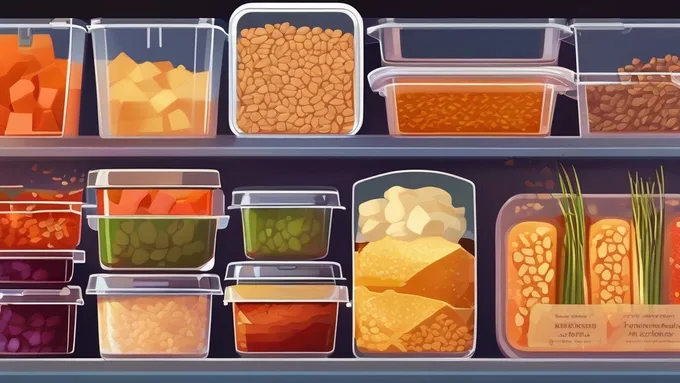
Batch cooking multiplies your time investment by preparing multiple meals simultaneously. Cook large quantities of versatile base ingredients that combine into different meals throughout the week.
- Grain preparation: Cook brown rice, quinoa, and farro in large batches. Store separately and combine with different proteins and vegetables.
- Protein variety: Grill chicken breasts, bake salmon fillets, and slow-cook beans simultaneously. Each provides the foundation for multiple meals.
- Vegetable roasting: Roast sheet pans of different vegetables with varying seasonings. Mix and match throughout the week for diverse flavors.
- Sauce preparation: Make large batches of versatile sauces like pesto, tahini dressing, or marinara to change simple ingredients into exciting meals.
Nutrition Timing and Frequency
When you eat affects how your body processes nutrients almost as much as what you eat. Meal timing influences energy levels, workout performance, sleep quality, and metabolic efficiency.
For more on this topic, see our guide on healthy eating schedule: optimize your nutrition.
Your circadian rhythm naturally prepares your digestive system for food at regular intervals. Eating at consistent times each day optimizes this biological programming, improving nutrient absorption and reducing digestive discomfort.
Optimal Eating Windows
Most people function best with meals spaced 4-5 hours apart, allowing complete digestion before the next eating episode. This spacing prevents energy crashes while maintaining steady blood glucose levels.
Breakfast within two hours of waking kickstarts your metabolism and provides fuel for morning activities. A substantial morning meal often reduces afternoon cravings and evening overeating.
Our complete guide on healthy eating schedule optimization provides specific timing recommendations based on different lifestyle patterns and work schedules.
Pre and Post-Workout Nutrition
Exercise timing affects your nutritional needs significantly. Eating 2-3 hours before intense workouts provides sustained energy without digestive discomfort. Focus on easily digestible carbohydrates with moderate protein.
Post-workout nutrition becomes critical within 30 minutes of finishing exercise. Your muscles absorb nutrients most efficiently during this window, making it ideal for protein consumption and glycogen replenishment.
| Timing | Food Focus | Examples | Avoid |
|---|---|---|---|
| 2-3 hours before exercise | Complex carbs + moderate protein | Oatmeal with banana, whole grain toast with almond butter | High fiber, high fat foods |
| 30-60 minutes before | Simple carbohydrates | Banana, dates, small smoothie | Protein, fat, fiber |
| Within 30 minutes after | Protein + simple carbs | Protein shake with fruit, chocolate milk | High fiber foods |
| 2 hours after | Complete balanced meal | Grilled chicken with sweet potato and vegetables | Processed foods |
Budget-Friendly Plan Implementation
Healthy eating doesn't require premium ingredients or expensive specialty products. Strategic shopping and cooking techniques make nutritious meals affordable for any budget.
Focus your spending on versatile whole foods rather than processed convenience items. A bag of dried beans costs less than pre-made protein bars but provides more nutrition per dollar. Seasonal produce offers peak flavor at lowest prices.
Cost-Effective Protein Sources
Protein often represents the largest portion of grocery budgets, but economical options deliver excellent nutrition. Eggs provide complete protein for roughly 25 cents each. Dried legumes cost significantly less than meat while offering protein plus fiber.
Buy whole chickens and learn basic butchering techniques. You'll pay less per pound than pre-cut pieces while gaining cooking skills and ingredient versatility. Freeze portions you won't use immediately.
- Egg versatility: Hard-boiled for snacks, scrambled for breakfast, poached over salads for complete meals
- Legume rotation: Lentils cook quickly without soaking, black beans work in multiple cuisines, chickpeas provide salad protein
- Canned fish: Sardines and mackerel offer omega-3 fatty acids at fraction of fresh fish costs
- Protein powder: Calculate cost per gram of protein-often cheaper than whole food sources for post-workout needs
Smart Shopping Strategies
Shop with a detailed list organized by store layout to reduce impulse purchases and forgotten essentials. Buy generic brands for basic staples like rice, oats, and canned tomatoes-nutritional content matches name brands.
Frozen vegetables often contain more nutrients than fresh options that traveled long distances. They're available year-round at consistent prices and won't spoil if meal plans change.
| Food Category | Budget Option | Cost Per Serving | Nutritional Benefit |
|---|---|---|---|
| Whole Grains | Brown rice, oats, whole wheat pasta | $0.15-0.30 | B vitamins, fiber, sustained energy |
| Protein | Dried beans, eggs, canned fish | $0.25-0.75 | Complete amino acids, minerals |
| Vegetables | Seasonal fresh, frozen varieties | $0.50-1.00 | Vitamins, antioxidants, fiber |
| Healthy Fats | Olive oil, nuts, seeds | $0.20-0.50 | Essential fatty acids, vitamin E |

Tracking Progress and Adjustments
Your food eating plan should evolve based on results, changing circumstances, and new nutritional knowledge. Regular monitoring reveals what works and what needs modification.
Track more than just weight changes. Energy levels, sleep quality, workout performance, and digestive comfort provide valuable feedback about your plan's effectiveness. Some people feel energized by higher carbohydrate intake while others thrive on increased protein.
Key Metrics to Monitor
BeCute's AI-powered tracking is being built to capture detailed nutritional data without the manual input tedium. Once it opens the app will recognize food from photos and suggest portion adjustments based on your goals and progress patterns.
Beyond basic calorie counting, monitor micronutrient intake to prevent deficiencies. Iron, vitamin D, B12, and omega-3 fatty acids commonly fall short in modern diets, regardless of total calorie consumption.
- Energy stability: Note times of day when energy dips occur and adjust meal timing or composition accordingly
- Satiety duration: Track how long meals keep you satisfied to improve portion sizes and macronutrient ratios
- Sleep quality: Large evening meals or late-night eating often disrupts sleep patterns
- Workout performance: Changes in strength or endurance may indicate inadequate fuel or recovery nutrition
When to Modify Your Plan
Life changes require plan adjustments. New job schedules, seasonal activity shifts, health condition developments, or family situation changes all impact your optimal eating pattern.
Plateau periods in weight management signal the need for plan modifications. Your metabolism adapts to consistent calorie intake, requiring periodic adjustments to continue progress toward health goals.
For complete meal planning strategies that adapt to changing needs, our complete meal plan guide provides frameworks for different life situations and health objectives.
Common Challenges and Solutions
Even well-designed eating plans encounter obstacles. Anticipating common challenges and preparing solutions prevents temporary setbacks from becoming permanent derailments.
Social situations often present the biggest hurdle to consistent eating patterns. Birthday parties, work lunches, and family gatherings rarely align with your planned meals. The key isn't avoiding these events but developing strategies to handle them successfully.
Social Eating Strategies
Review restaurant menus online before arriving to identify options that align with your eating plan. Most establishments offer grilled proteins and vegetable sides that fit various nutritional approaches.
Eat a small portion of your planned meal before attending events where food options might be limited. This prevents excessive hunger that leads to poor choices while allowing you to participate socially.
- Restaurant navigation: Ask for dressings and sauces on the side, substitute vegetables for refined starches, request grilled instead of fried preparations
- Party strategies: Bring a healthy dish to share, focus on protein and vegetable options, limit alcohol which reduces inhibition around food choices
- Travel planning: Pack portable snacks, research grocery stores near your destination, maintain meal timing despite schedule changes
- Work environment: Keep healthy snacks in your desk, suggest restaurants with varied options for team lunches, prepare responses to food pushers
Time Constraint Solutions
Busy schedules sabotage eating plans when healthy options require more time than available. Preparation during less hectic periods prevents this common downfall.
Invest in kitchen tools that reduce cooking time: pressure cookers, slow cookers, and quality knives make meal preparation more efficient. A rice cooker produces perfect grains while you prepare other meal components.
Our guide on establishing daily meal routines provides time-saving strategies for maintaining consistent nutrition despite packed schedules.
Long-Term Success Strategies
Sustainable eating plans become lifestyle habits rather than temporary interventions. The transition from conscious effort to automatic behavior typically takes 8-12 weeks of consistent practice.
You might also find our guide on freezer meals your parents can make before college move-in day helpful.
Focus on progress rather than perfection. Sticking to the plan most days produces better long-term results than perfect execution for two weeks followed by complete abandonment. According to the National Academies Dietary Reference Intakes, the acceptable range for adults is 45-65 percent of calories from carbohydrate, 20-35 percent from fat and 10-35 percent from protein.
Building Sustainable Habits
Start with small changes that feel manageable rather than overhauling your entire diet simultaneously. Add one serving of vegetables to existing meals before eliminating foods you enjoy. This positive approach builds momentum without creating feelings of deprivation.
Environmental design supports habit formation. Keep healthy snacks visible and convenient while storing less nutritious options out of sight. Your kitchen setup should make good choices easier than poor ones.
The World Health Organization's healthy diet recommendations emphasize gradual implementation of sustainable changes rather than dramatic short-term modifications.
Flexibility Within Structure
Rigid eating plans often fail because they don't accommodate real life variability. Build flexibility into your structure by planning for imperfection and creating easy recovery strategies.
Develop a repertoire of quick, healthy meals for days when original plans fall through. Keep ingredients on hand for simple options like scrambled eggs with vegetables or canned salmon over salad greens.
A successful food eating plan removes daily decision fatigue while providing your body with consistent, quality nutrition. The initial investment in planning and preparation pays dividends through improved energy, better health markers, and reduced stress around food choices.
Start with one week of detailed planning and see how it affects your energy and satisfaction levels. Most people discover that structured eating actually provides more food freedom than chaotic patterns, creating space for intentional indulgences within an overall healthy framework.
What You Need to Know About Food Eating Plan
How do I start a food eating plan?
Kickstarting a food eating plan is easier than you think! Start by identifying your dietary goals-whether it's weight loss, muscle gain, or simply eating healthier. Next, track your current eating habits for a week to understand your baseline. Log meals as you eat them rather than at the end of the day; BeCute is being built to make that a scan instead of a form. Once you have your data, plan meals around whole foods like vegetables, lean proteins, and whole grains. Aim for balanced meals and set realistic, achievable goals. Remember, consistency is key, so start small and build up your plan gradually.
Is a food eating plan worth the cost?
Absolutely, investing in a food eating plan can save you money in the long run! By planning your meals, you reduce food waste and avoid impulsive, costly takeouts. While some apps or services might have a fee, the benefits of improved health and financial savings often outweigh the initial costs. Plus, many resources are free or low-cost, and BeCute is being built as one of them, with early access free while it is built. Consider it an investment in your health and well-being.
What is the difference between a food eating plan and a diet?
A food eating plan is a sustainable lifestyle choice, while a diet is often a short-term fix. A food eating plan focuses on long-term healthy eating habits and balanced nutrition, whereas diets typically have restrictive rules aimed at quick results. Eating plans are flexible and can be adjusted to fit your lifestyle, making them more sustainable. In contrast, diets can be hard to maintain and may lead to yo-yo dieting. Choose a food eating plan for lasting health benefits.
How can I make a food eating plan on a budget?
Creating a food eating plan on a budget is totally doable! Start by planning meals around seasonal produce and affordable staples like beans, rice, and oats. Buy in bulk and take advantage of sales and discounts. Meal prep in advance to avoid last-minute expensive choices. A spreadsheet and your shop receipts will track spending and intake today. BeCute is being built to do both in one place. Remember, healthy eating doesn't have to be expensive!
How often should I adjust my food eating plan?
Adjust your food eating plan every 4-6 weeks to keep it effective and aligned with your goals. Regular adjustments help accommodate changes in your lifestyle, activity level, or dietary needs. Monitor your progress using a food tracking app to identify areas for improvement. If you're not seeing the desired results, tweak portion sizes, try new recipes, or incorporate different foods. Staying flexible and responsive to your body's needs is crucial for long-term success.
FAQ
How long does it take to see results from a food eating plan?
Most people notice improved energy levels and better digestion within the first week of consistent meal planning. Weight changes typically become apparent after 2-3 weeks, while lasting habit formation takes 8-12 weeks of regular practice. Focus on non-scale victories like stable energy and improved sleep quality during the initial phases.
Whether Food Eating Plan is working for you comes out of your own log, and progress charts and milestones are part of what BeCute is being built to show, and the 2-3 weeks above is one of this page's own figures; the app behind it is not yet on the App Store or Google Play.
Can I follow a food eating plan if I have dietary restrictions?
Absolutely. Food eating plans adapt to any dietary restriction including gluten-free, dairy-free, vegetarian, or medical requirements like diabetes management. The planning principles remain the same-you simply work within your specific food parameters. Many people find that restrictions actually simplify meal planning by eliminating decision overwhelm.
The restrictions Food Eating Plan deals with are an input rather than an afterthought in the personalized plans BeCute is being built to generate; the app is not yet on the App Store or Google Play.
What's the difference between meal planning and a food eating plan?
Meal planning focuses on what you'll eat each day, while a food eating plan encompasses broader nutritional strategy including timing, portion control, and long-term habit formation. Think of meal planning as the tactical execution of your strategic eating plan. Both work together to create sustainable healthy eating patterns.
If Food Eating Plan has you comparing tools, compare them on what they do today, and what BeCute has today is not an app; the app is not yet on the App Store or Google Play, so the early access waitlist at becute.app is all there is to join today.
How much should I spend on groceries for a healthy eating plan?
A nutritious eating plan can cost anywhere from $50-150 per person weekly, depending on your location and food preferences. Focus spending on versatile whole foods like grains, legumes, seasonal produce, and economical proteins. Processed convenience foods typically cost more per serving than home-prepared meals using basic ingredients.
Anyone working through Food Eating Plan ends up with a list, and BeCute is being built to generate that list out of the plan itself instead of having it typed out by hand a second time, and the $50-150 above is this page's own number rather than a default; the app behind it is not yet on the App Store or Google Play.
Should I count calories or just focus on food quality?
It is an order of operations, not a choice between two camps. Quality comes first, because it decides how full a given number of calories leaves you: build the plate the way Harvard's Healthy Eating Plate does, half vegetables and fruit, a quarter whole grains, a quarter protein, and a good part of the counting question answers itself. Then count, briefly and for a reason. One honest week logged against the calorie need you calculated shows where the plan and the reality part company, and it is almost always portion drift on the things nobody thinks to measure, the oil in the pan, the cheese on top, whatever gets eaten standing up. After that week, track what actually changes the plan: satiety, energy, sleep, workout quality, and the micronutrients that commonly fall short regardless of calorie total, iron, vitamin D, B12 and omega-3. Calories are a measuring tool you pick up when progress stalls and put down when it resumes, not a daily tax on eating.
Here on Food Eating Plan, the calorie and macro numbers BeCute is being built to give come from the published Mifflin-St Jeor equation rather than from a proprietary score; the app behind it is not yet on the App Store or Google Play.
How do I handle cravings while following an eating plan?
Cravings often indicate nutritional gaps or emotional triggers rather than true hunger. Ensure your eating plan includes adequate protein and healthy fats to maintain satiety. When cravings strike, drink water first and wait 10 minutes-many disappear with hydration. If the craving persists, incorporate small portions of desired foods into your plan rather than fighting them completely.
A week gets rewritten sooner or later, and on Food Eating Plan rewriting one without rewriting every meal in it is what BeCute is being built to handle, and numbers like the 10 minutes above are what a plan has to carry; the app behind it is not yet on the App Store or Google Play, and what does work today is the free 5 meals a day schedule at becute.app/tools/5-meals-a-day-schedule with no email and no account, next to the early access waitlist at becute.app for the app.
Sources
- Ducrot P, Méjean C, Aroumougame V, et al. (2017). "Meal planning is associated with food variety, diet quality and body weight status in a large sample of French adults." International Journal of Behavioral Nutrition and Physical Activity
- National Heart, Lung, and Blood Institute. "DASH Eating Plan." NHLBI, NIH
- Harvard T.H. Chan School of Public Health. "Healthy Eating Plate." The Nutrition Source
- World Health Organization. "Healthy diet." WHO
- Mayo Clinic. "Simple Meal Plan." Mayo Clinic Diet
- UCLA Health. "Sample Meal Plans." Weight Management
- Penn Medicine. "Nonsurgical weight loss options." Penn Medicine
- Mount Sinai Health System. "My 30 Day Healthy Lifestyle Eating Plan." Mount Sinai Health System
- NHS. "The Eatwell Guide." NHS
- American Heart Association. "The American Heart Association Diet and Lifestyle Recommendations." American Heart Association

Written by
Oleksandr PaduraFounder & CEO at BeCute
Oleksandr Padura is the founder of BeCute. He is building an AI nutrition planner that turns personal goals into a daily meal plan. The app is not yet on the App Store or Google Play, and the waitlist gets access first.
Published: 2026-03-26
Disclaimer: This article is for informational purposes only and is not a substitute for professional medical advice, diagnosis, or treatment. Always consult a qualified healthcare provider before making changes to your diet or health routine.