

Key Takeaways
- The schedule is five eating occasions three hours apart: 7:00 AM, 10:00 AM, 1:00 PM, 4:00 PM, 7:00 PM. Move the whole column if your day starts later.
- The trial in our source list compared two larger meals with six smaller ones, not five with three, and the two-meal pattern did better.
- Aim for 20-25g protein per main meal and 10-15g per snack for satiety and muscle preservation.
- Sample 1,800-calorie daily plan distributes nutrition across five meals instead of three large meals.
- Use hand-portion method: palm protein, fist vegetables, cupped carbs, thumb fats - no calorie counting required.
- Sunday meal prep reduces decision fatigue while keeping five-meal plans budget-friendly with bulk-cooked proteins.
Your energy crashes at 3 PM like clockwork. You're starving by dinner and end up overeating. Sound familiar? Eating 5 small meals a day is the standard answer to that. This page gives you the clock times, the portions and a five-day plan - plus the part of the evidence most versions of this advice leave out.
A 5 meals a day diet plan spreads the same daily calories across smaller, more frequent meals. That is a scheduling decision, not a metabolic one. The trial our own source list opens with compared six small meals with two larger ones and found the two-meal pattern did better in people with type 2 diabetes (PMC); the details are further down this page. What five meals do change is portion size, the length of the gap between eating occasions, and how many times a day you have to decide what to eat. Most people get those three wrong.
Join the early access waitlist and we will email you the day it launches.
The Clock This Page Runs On: Five Slots, Three Hours Apart
Five eating occasions, three hours apart, 7:00 AM to 7:00 PM. If the hours are the only thing you came for, the page built for the clock alone is the shorter read. This section keeps the food and the calories that sit behind each slot.
The calorie column below is not a separate guess: it is the range each slot actually lands in across the five days further down this page, so both halves of this page run on one set of numbers. Your own daily total decides where inside each band you sit.
| # | Meal | Time | Gap since the last one | Typical calories |
|---|---|---|---|---|
| 1 | Breakfast | 7:00 AM | - | 380-420 |
| 2 | Mid-morning snack | 10:00 AM | 3 hours | 170-260 |
| 3 | Lunch | 1:00 PM | 3 hours | 450-520 |
| 4 | Afternoon snack | 4:00 PM | 3 hours | 220-260 |
| 5 | Dinner | 7:00 PM | 3 hours | 470-500 |
| Day | 5 meals | 12-hour window | 4 gaps of 3 hours | 1,730-1,900 |
Those two snack rows are higher than the 200-calorie snack most plans print, and the food is the reason. USDA FoodData Central puts plain low-fat Greek yogurt at 73 calories per 100 g, so a 6 oz tub is 124 before anything goes on top; english walnuts are 654 per 100 g, which makes a tablespoon of chopped walnuts about 48; prepared edamame is 121 per 100 g, so a 155 g cup is 188. A snack carrying enough protein to hold you for three hours lands between 170 and 260 calories. Write 200 into the plan and the 4:00 PM slot goes to whatever is nearest instead.
Move the column, not one row. A 9:00 AM start makes it 9:00 AM, 12:00 PM, 3:00 PM, 6:00 PM and 9:00 PM; a 5:00 AM shift start makes it 5:00 AM, 8:00 AM, 11:00 AM, 2:00 PM and 5:00 PM. The spacing is the part doing the work, not the hour on the clock. The five-day version of this schedule, with the food and the numbers filled in, is further down this page.
If 7:00 AM is not when you get up, you do not have to redo the column by hand. The 5 meals a day schedule calculator takes the time you actually wake up and prints all five times from it, still three hours apart, with the fifth meal 12 hours after you got up. It runs on the page itself, free, and asks for no email and no account.
That dedicated page - the 5 meals a day time schedule - gives worked columns for a 5:30 AM, 6:30 AM, 8:00 AM and 10:00 AM start, a night-shift variant that follows the NIOSH guidance, and the place a training session goes. This page keeps the food, the portions and the evidence.
Holding this schedule for two days is easy. Holding the record of it until Thursday is the part that fails, and five eating occasions mean five entries a day instead of three. BeCute is the nutrition app we are building for exactly that record, and it has not shipped yet - the early access list is where you find out when it does.
What Five Meals a Day Actually Changes
Five meals break the day into portions small enough to judge by eye and gaps short enough to plan around. That is the whole mechanism. The next meal is close enough that you are not choosing your food while starving, and no single plate has to carry a third of the day.
Smaller meals produce smaller rises in blood sugar after eating, for the simple reason that there is less food in each one. Whether flattening those rises makes your afternoon feel steadier is individual, and it is not what the study below measured: that trial tracked weight and blood markers, not how anyone felt at 3 PM.
The national guidance is quieter on this than most articles make it sound. The DASH Eating Plan "requires no special foods and instead provides daily and weekly nutritional goals" - servings of vegetables, fruit, grains and dairy, and a sodium ceiling. How many sittings you divide those servings into is left entirely to you.
What the research actually says
The study at the top of our source list is Kahleova and colleagues, Diabetologia 2014, and it never compared five meals with three. It compared two larger meals with six smaller ones. Fifty-four patients with type 2 diabetes, all on oral medication, aged 30 to 70, ate a diet cut by 2,092 kJ (500 kcal) a day for 12 weeks in each pattern, crossing over to the other pattern for the next 12 weeks. Both arms had, in the paper's words, "the same macronutrient and energy content". The six-meal arm was "three main meals (breakfast, lunch and dinner), and three smaller snacks in between" - which is the plan this page is about.
The two-meal pattern won on nearly every measure. Body weight fell 3.7 kg on breakfast and lunch alone against 2.3 kg on six meals. Fasting glucose, C-peptide and liver fat dropped further, glucagon fell on two meals while it rose on six, and calculated insulin sensitivity improved more. The authors' conclusion, word for word: "These results suggest that eating two larger meals a day (breakfast and lunch) may be more beneficial for patients with type 2 diabetes than six smaller meals during the day."
The same paper names its own limits, and so should we: "The short duration of our study and provision of food precludes a generalisation of our study to free-living conditions." Half the participants were handed every meal, the group had short diabetes duration and were all on oral drugs rather than insulin, and nobody in the trial was asked about energy, hunger or the afternoon slump.
So the honest reading is this. Meal frequency is not the lever it is sold as: with calories matched, six eating occasions did not beat two. If you have type 2 diabetes and you are eating at a deficit, the strongest evidence on this page argues for fewer, earlier, larger meals, and that is a decision for the clinician who set your medication, not for an article.
Five meals still has a job, a narrower one than the headline version. It keeps portions small enough to estimate without a scale, it shortens the gap that makes some people overeat at night, and it puts food near training when you need it there. Those are practical reasons to use the plan below. They are not metabolic ones.
The Metabolism Myth
Your metabolism does not speed up from eating more frequently - that is a persistent myth, and the trial above is the clearest answer to it. Splitting the same day into five plates instead of three changes the shape of the day, not the arithmetic of it. The calorie total still decides the outcome.
If you have diabetes or prediabetes, do not treat five meals as the safe default: the trial above found the opposite for type 2 diabetes on a reduced-calorie diet. Consistent timing and portion control still matter, and the CDC publishes meal-planning guidance for diabetes, but how many meals you split the day into is a question for the clinician who set your medication.
Building Your 5-Meal Framework
Success with a five-meal plan requires structure, not spontaneity. Each meal serves a specific purpose in your daily energy cycle, and the timing matters as much as the content.
Meal Timing Ranges for Real Weeks
The table above gives one clock. Most weeks need some room in it, so here is the same schedule written as ranges - keep the gaps between 3 and 4 hours and any hour inside these windows works:
- Breakfast (7:00-8:00 AM): Kickstart metabolism after overnight fasting
- Mid-Morning Snack (10:00-11:00 AM): Bridge the gap to lunch, prevent late-morning energy crash
- Lunch (1:00-2:00 PM): Provide sustained afternoon energy
- Afternoon Snack (4:00-5:00 PM): Prevent evening overeating and maintain focus
- Dinner (7:00-8:00 PM): Support overnight recovery and muscle repair
Adjust these times based on your schedule, but maintain the 3-4 hour spacing. If you wake up at 6 AM, start earlier. Night shift workers should follow the same pattern but shifted to their active hours.
Portion Control Without Measuring
Forget complicated calorie counting for each mini-meal. Use the hand method for quick portion estimates:
- Protein: Palm-sized portion (3-4 oz)
- Vegetables: Fist-sized serving
- Carbohydrates: Cupped-hand portion
- Fats: Thumb-sized amount
Not every meal needs all four components. Snacks might focus on protein plus a small amount of healthy fat, while lunch includes all categories for sustained energy.
The hand method leaves out one number on purpose: the daily total those five portions are dividing up. If you would rather have that number than a guess, the BeCute home page names the Mifflin-St Jeor equation behind its calorie target, with the journal and the DOI, so you can run the arithmetic yourself before anyone asks for your email.
5 Small Meals a Day Sample Menu: One Full Day
Here's what a balanced day looks like in practice, with real foods and realistic portions. These examples provide approximately 1,800 calories total, suitable for most active adults.
| Meal | Food Items | Key Nutrients | Prep Time |
|---|---|---|---|
| Breakfast | 2 eggs scrambled, 1 slice whole grain toast, 1/2 avocado | Protein: 18g, Fiber: 8g | 8 minutes |
| Mid-Morning | Greek yogurt (6 oz) with 1 tbsp almonds | Protein: 20g, Probiotics | 2 minutes |
| Lunch | Grilled chicken salad with mixed greens, chickpeas, olive oil dressing | Protein: 25g, Fiber: 12g | 15 minutes |
| Afternoon | Apple slices with 2 tbsp almond butter | Fiber: 5g, Healthy fats | 3 minutes |
| Dinner | Baked salmon, roasted sweet potato, steamed broccoli | Omega-3s, Complex carbs | 25 minutes |
Notice how each meal combines protein with either fiber or healthy fats to slow digestion and extend satiety. The FDA's MyPlate guidelines support this balanced approach across all eating occasions.
Meal Prep Strategies for Success
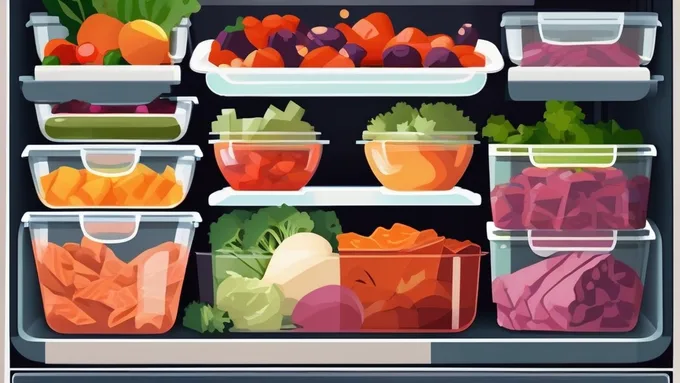
Preparing five meals daily sounds overwhelming until you batch-cook strategically. Sunday meal prep becomes your secret weapon for consistency throughout the week.
Cook proteins in bulk: grill several chicken breasts, hard-boil a dozen eggs, or bake a large piece of salmon. Wash and chop vegetables for the entire week. Portion snacks into grab-and-go containers immediately after shopping.
Prepping is the easy half. Keeping the record of five eating occasions a day is where the plan usually dies. The BeCute app is being built so that step is one picture of the prepped container rather than a search through a food database. That has not shipped yet: BeCute is in early access, and the list is where you find out when the photo starts doing the logging.
Handling Common Challenges
Even with perfect planning, real life throws curveballs at your five-meal schedule. Here's how to handle the most frequent obstacles without derailing your progress.
The Busy Schedule Problem
Your 10 AM meeting runs until noon, pushing lunch to 2 PM and throwing off your entire day. Instead of skipping meals, keep emergency snacks in your desk, car, and bag. Mixed nuts, protein bars, or individual nut butter packets work perfectly.
When meetings interfere with meal timing, eat something small beforehand and finish the full meal afterward. A handful of almonds before your meeting prevents hunger pangs, then complete your planned lunch when possible.
Social Eating Situations
Restaurant meals often contain 2-3 times the calories of your planned portions. Order first to avoid influence from others, ask for dressing on the side, and immediately box half your entrée for tomorrow's lunch.
At parties or events, eat your planned snack beforehand so you're not ravenous around appetizers. Focus on socializing rather than the food table, and choose one special item to enjoy rather than grazing continuously.
Budget Concerns
Five meals doesn't mean five times the grocery bill. You're redistributing the same amount of food into smaller portions. Focus on affordable protein sources like eggs, canned tuna, and dried beans. Frozen vegetables cost less than fresh and retain the same nutritional value.
Buy in bulk when items go on sale, then portion and freeze immediately. A whole chicken provides multiple meals at a fraction of the cost of pre-cut pieces. Rice, oats, and potatoes are inexpensive carbohydrate bases that keep you satisfied. If you are a student working to a fixed weekly sum, our college meal plan for $30 a week with the exact grocery list shows how that money splits across proteins, grains, produce and dairy.
Customizing for Your Goals
Your five-meal plan should align with your specific health objectives, not follow a one-size-fits-all template. Weight loss, muscle building, and maintenance each require different approaches to meal composition and timing.
For more on this topic, see our guide on calorie controlled diet meal plan: 7-day precision guide.
For Weight Loss
Emphasize protein and fiber at each eating occasion to maximize satiety while creating a moderate calorie deficit. Aim for 20-25 grams of protein per main meal and 10-15 grams per snack. This approach helps preserve muscle mass during weight loss.
Fill half your plate with non-starchy vegetables at lunch and dinner. These foods provide volume and nutrients with minimal calories. The World Health Organization recommends at least 400g of fruits and vegetables daily for optimal health.
Track your intake initially to understand portion sizes, then rely on hunger and satiety cues. Many people find that frequent meals naturally reduce overall calorie intake by preventing extreme hunger that leads to overeating.
For Muscle Building
Distribute protein evenly across all five meals instead of saving most of it for dinner. In a 7-day crossover feeding trial, healthy adults given about 30 grams of protein at each of breakfast, lunch and dinner ran a 24-hour muscle protein synthesis rate 25% higher than on the same daily protein skewed toward the evening meal (Mamerow et al., Journal of Nutrition, 2014). That trial used three meals; across five, the per-meal portion is smaller, but the rule it points to is the same one, which is that no meal should be left with almost no protein in it.
Include carbohydrates around your workouts to fuel performance and recovery. Time your largest carbohydrate portions within 2 hours post-exercise when your muscles are most receptive to glycogen replenishment.
Don't fear healthy fats-they support hormone production essential for muscle growth. Include sources like nuts, olive oil, and fatty fish in your daily rotation.
For Maintenance and Energy
Focus on nutrient density rather than restriction. Each meal should provide vitamins, minerals, and phytonutrients along with macronutrients. The Harvard Healthy Eating Plate offers an excellent visual guide for balanced meal composition.
Pay attention to your energy patterns throughout the day. Some people need more carbohydrates in the morning for mental clarity, while others perform better with higher protein breakfasts. Adjust your meal composition based on how you feel and perform.
Technology Tools for Tracking Success
Managing five meals daily requires organization, and technology can simplify the process significantly. The right tools make the difference between success and abandoning the plan after two weeks.
Smart Tracking Solutions
Traditional food diaries become tedious when you're logging five separate eating occasions. Modern apps solve this through barcode scanning and photo recognition. BeCute is being built around the photo half of that: point the camera at the plate instead of typing the entry, and the nutrition for your frequent small meals gets filled in for you. BeCute is not yet on the App Store or Google Play, so the only thing to do with it today is leave your email and hear from us the day it opens.
Set reminders for meal times during your first few weeks until the schedule becomes automatic. Your phone's built-in timer works, but dedicated nutrition apps often include meal timing features alongside calorie tracking.
Look for apps that sync with your fitness tracker to adjust recommendations based on activity levels. More active days require additional fuel, while sedentary days might need smaller portions.
Meal Planning Integration
The Nutrition.gov resources emphasize planning as crucial for dietary success. Digital meal planners help you map out weekly menus, generate shopping lists, and scale recipes for your household size.
Many apps now integrate meal planning with grocery delivery services, making the transition from planning to execution seamless. You can build your five-meal template once, then repeat and modify it weekly based on preferences and schedule changes.
Which app holds that template is the next question. Five of them, with what each one actually costs, are in our roundup of free meal planning apps for students.
Which App Builds a 5 Small Meals a Day Plan and a Grocery List?
Five names come up most when you ask an assistant this: Eat This Much, Prospre, MyFitnessPal, Plan to Eat and Fitia. They do different jobs. Eat This Much and Prospre generate the meals from a calorie target, Plan to Eat builds the grocery list from recipes you pick, and MyFitnessPal counts what you eat. Everything below is taken from each app's own website, read on 21 September 2026.
Eat This Much: Five Meals Is a Setting
Eat This Much creates personalized meal plans based on your food preferences, budget and schedule. The planner on its home page asks how many calories you want to eat and in how many meals, from 1 to 6, so five meals a day is a menu choice rather than a workaround. On its pricing page the free plan generates daily meal plans, tracks what you eat and adds foods from barcodes. Planning a week of meals at a time, the automatic grocery list and customizing every day of the week are in Premium, $5.00 a month with an annual subscription.
Prospre: A Week of Meals From Your Calorie and Macro Targets
Prospre generates meal plans from the calories, protein, fat and carbohydrates you enter, for the whole week, and lets you swap out the days or meals you don't like. Its macro tracker logs what you eat, with a barcode scanner. On its pricing page the free tier lists macro tracking, custom meal plans and grocery lists. Premium, $19.99 a month or $99.99 billed once a year, removes the ads and adds an AI coach and room for treats in the plan.
MyFitnessPal: Counting the Calories
MyFitnessPal calls itself the #1 nutrition tracking app, and its free account covers nutrition and weight tracking and exercise tracking. Barcode scan and meal scan, voice log, macro tracking with custom goals, ad-free logging and intermittent fasting are on the Premium side. Premium is paid, with a 7-day free trial for anyone who has never had Premium or a Premium trial before. The page we read describes tracking, not a meal-plan generator, so it is where you would log the five meals, not where they come from.
Plan to Eat: Your Recipes, Its Grocery List
Plan to Eat works the other way round: you pick your meals and it builds the grocery list, laid out aisle by aisle. You save recipes you find online into one collection and place them on a meal planning calendar, and nutrition and macro tracking is listed among its features. There is a free trial with no card required, then it costs $5.95 a month or $49 a year.
Fitia is the fifth name in these answers. Its website answered our reader with a security check on 21 September 2026, so we have nothing from its own pages to report and do not describe it here.
Where the Free Schedule on This Page Fits
You do not need any of these to follow this page. The free 5 meals a day schedule takes the time you wake up and prints all five meal times, three hours apart, in the browser with no email and no account, and the 25 meals further down this page come with calories and protein. If you want the meals generated and the grocery list made for you, Eat This Much and Prospre say they do that; if you only want to count calories against this plan, MyFitnessPal is a tracker. BeCute has no app for either job yet: it is not on the App Store or Google Play, and the only thing on offer today is the early access waitlist.
Advanced Strategies for Long-Term Success
After mastering the basics of five-meal eating, these advanced techniques help you fine-tune the approach for optimal results and prevent plateaus.
Nutrient Timing Optimization
Consider your circadian rhythms when planning meal composition. Your body handles carbohydrates most efficiently in the morning and post-workout, while protein is important throughout the day for muscle maintenance.
Experiment with different macronutrient ratios at each meal. Some people thrive on higher fat breakfasts for sustained morning energy, while others need carbohydrates to kickstart their day. Your individual response matters more than generic recommendations.
Seasonal and Lifestyle Adaptations
Your five-meal plan should evolve with your life circumstances. Summer might call for lighter, more frequent meals, while winter could require heartier portions. Travel, work changes, and family schedules all impact your eating patterns.
Build flexibility into your system from the start. Know which meals you can easily modify or combine when necessary. Having backup plans prevents complete derailment when life gets chaotic.
For more detailed guidance on meal timing strategies, our diet schedule guide covers advanced timing protocols and their specific benefits.
Special Considerations and Variations
Certain health conditions, dietary restrictions, and life stages require modifications to the standard five-meal approach. Here's how to adapt the framework for specific needs.
Diabetes Management
This is where the evidence argues with the premise of the page. In the trial cited above, patients with type 2 diabetes on a reduced-calorie diet did better on two larger meals a day than on six smaller ones: more weight lost, lower fasting glucose, less liver fat. Consistent timing and steady carbohydrate distribution still matter. The number of eating occasions is not settled in favour of five.
Work with your healthcare provider to adjust medication timing if you switch from three large meals to five smaller ones. Monitor your blood glucose more frequently during the transition period to understand how your body responds to the new pattern.
Focus on pairing carbohydrates with protein or healthy fats at each eating occasion. This combination slows glucose absorption and provides more stable blood sugar levels throughout the day.
Plant-Based Adaptations
Vegetarian and vegan diets work perfectly with five-meal eating, but require attention to protein combining and B12 intake. Plant proteins often have lower biological value than animal proteins, so including variety becomes even more important.
Legumes, nuts, seeds, and whole grains should appear across multiple meals to ensure complete amino acid profiles. Our vegan diet planner guide provides detailed strategies for meeting nutritional needs with plant-based five-meal plans.
Consider supplementing with B12, vitamin D, and omega-3 fatty acids, which can be challenging to obtain in adequate amounts from plant foods alone.
Active Lifestyle Integration
Athletes and highly active individuals need to coordinate their five meals with training schedules. Pre-workout meals should emphasize easily digestible carbohydrates, while post-workout meals require protein for recovery.
Time your largest meals around your most intense training sessions. If you exercise in the morning, breakfast becomes your most substantial meal. Evening workouts call for a more substantial dinner with adequate recovery nutrition.
Hydration becomes even more critical when eating frequently. Aim for water intake between meals rather than during eating to avoid diluting digestive enzymes.
Meal Planning Resources and Sample Menus
Building sustainable five-meal plans requires variety and practical preparation strategies. These resources provide templates and inspiration for long-term success.
Weekly Menu Templates
The Mayo Clinic provides sample meal plans that demonstrate balanced nutrition across multiple eating occasions. Use these as starting points, then customize based on your preferences and schedule.
Create theme days to simplify planning: Meatless Monday, Taco Tuesday, or Fish Friday. This approach reduces decision fatigue while ensuring variety throughout the week.
Batch similar preparations together. If you're grilling chicken for Monday's lunch, grill extra for Wednesday's dinner. Cook grains in large batches and use them across multiple meals in different preparations.
Budget-Friendly Options
Eating five times daily doesn't require expensive specialty foods. Focus on affordable staples like eggs, dried beans, seasonal produce, and whole grains. These ingredients provide excellent nutrition at minimal cost.
Shop sales and plan menus around discounted items. When chicken goes on sale, build several meals around it. Frozen vegetables often cost less than fresh and work perfectly in most preparations.
Consider batch cooking and freezing portions. Our guide to freezer meal preparation includes strategies that work for five-meal planning, not just college students.
International Flavors
Prevent boredom by incorporating flavors from different cuisines throughout your five daily meals. Mediterranean breakfasts, Asian-inspired snacks, and Latin American dinners keep your palate engaged.
Many traditional cuisines naturally emphasize frequent, smaller eating occasions. Spanish tapas culture, Japanese bento boxes, and Middle Eastern mezze plates all provide inspiration for balanced mini-meals.
Stock your spice cabinet with versatile blends that change basic ingredients. Cumin, paprika, and garlic powder can make the same protein feel completely different across multiple meals.
Comparing Alternative Eating Patterns
Understanding how five-meal eating compares to other popular approaches helps you make informed decisions about the best strategy for your lifestyle and goals.
| Eating Pattern | Meal Frequency | Best For | Potential Challenges |
|---|---|---|---|
| Traditional 3 Meals | Every 5-6 hours | Simple schedules, family meals, fewer things to log | Long gaps, larger portions to judge by eye |
| 5-6 Small Meals | Every 3-4 hours | Small portions, short gaps, food around training | Planning complexity, five things to log, social challenges |
| Intermittent Fasting | 1-2 meals in eating window | Weight loss, simplicity | Energy dips, social restrictions |
| Grazing | Continuous small amounts | Never feeling hungry | Overeating, poor nutrition quality |
The Cleveland Clinic discusses various eating patterns and their health implications. No single approach works for everyone, and your choice should align with your lifestyle, health status, and personal preferences.
When Five Meals Isn't Right
Some people thrive on fewer, larger meals and feel constantly preoccupied with food when eating every few hours. If you find yourself thinking about food all day or struggling with portion control at frequent meals, a different approach might serve you better.
People with certain eating disorders may find frequent meals triggering or anxiety-provoking. Always consult with healthcare providers familiar with your history before making significant dietary changes.
Shift workers, frequent travelers, and people with highly irregular schedules might find three larger, more flexible meals easier to maintain consistently.
Professional Guidance and Medical Considerations
While five-meal eating is safe for most healthy adults, certain medical conditions require professional oversight when making dietary changes.
When to Consult Healthcare Providers
Anyone taking medication for diabetes, blood pressure, or other chronic conditions should discuss meal timing changes with their doctor. Medication effectiveness can be influenced by when and how often you eat.
People with a history of eating disorders should work with specialized healthcare providers when modifying meal patterns. The focus on frequent eating could be helpful or harmful depending on individual circumstances.
If you experience persistent digestive issues, fatigue, or other symptoms when switching to five meals daily, consult with a registered dietitian for personalized guidance.
Monitoring Your Progress
Track more than just weight when evaluating your five-meal plan's effectiveness. Energy levels, sleep quality, exercise performance, and mood all provide important feedback about whether this eating pattern suits your body.
The UCLA Health weight management resources emphasize complete progress monitoring beyond the scale. Take body measurements, photos, and notes about how you feel throughout the day.
Give any new eating pattern at least 2-3 weeks before evaluating its effectiveness. Your body needs time to adjust to new meal timing, and initial challenges often resolve as you develop new habits.
A well-structured five-meal daily eating plan transforms your relationship with food from reactive to proactive. Instead of fighting energy crashes and hunger pangs, you're providing your body with steady, consistent fuel that supports sustained performance throughout the day.
The key lies not in perfection, but in consistency and flexibility. Start with the basic framework, then adjust timing, portions, and food choices based on your individual response and lifestyle demands. With proper planning and the right tracking tools, eating five meals daily becomes as natural as any other healthy habit-and significantly more enjoyable than the energy roller coaster of traditional eating patterns.
Five Days of Menus: 25 Meals With Calories and Protein
Five days, five meals each: 25 meals. Same three-hour clock - 7:00, 10:00, 1:00, 4:00, 7:00 - and the same 1,730-1,900 calorie range as the table at the top of this page, with a different set of meals each day so no plate repeats two days running. Every daily total is the sum of its own five rows - add them up if you like.
These five days are written as menus, not as a shopping trip. If what you want is Monday to Friday with one grocery list and one cook session behind it, that is a different page: the 5-day plan from Monday to Friday runs five dinners off one shop, with the list and the weekend session written out.
Day 1: Mediterranean-Style
| Meal | Time | Food | Calories | Protein |
|---|---|---|---|---|
| Breakfast | 7:00 AM | Veggie and feta omelet (3 eggs) with 1/2 cup oatmeal | 420 kcal | 28g |
| Mid-Morning | 10:00 AM | 1 cup low-fat cottage cheese with pineapple chunks | 180 kcal | 24g |
| Lunch | 1:00 PM | Turkey and hummus whole-wheat wrap with cucumber | 450 kcal | 30g |
| Afternoon | 4:00 PM | Whey protein shake with 1 banana | 240 kcal | 20g |
| Dinner | 7:00 PM | Grilled shrimp (5 oz) with quinoa and roasted zucchini | 490 kcal | 32g |
| Daily Total | 1,780 kcal | 134g |
Day 2: Plant-Forward
| Meal | Time | Food | Calories | Protein |
|---|---|---|---|---|
| Breakfast | 7:00 AM | Overnight oats with chia seeds, almond milk and mixed berries | 380 kcal | 14g |
| Mid-Morning | 10:00 AM | 1 cup steamed edamame | 190 kcal | 17g |
| Lunch | 1:00 PM | Black bean and brown rice bowl with avocado and salsa | 480 kcal | 20g |
| Afternoon | 4:00 PM | Low-fat Greek yogurt (6 oz) with 1 tbsp walnuts and 1/2 cup blueberries | 220 kcal | 18g |
| Dinner | 7:00 PM | Baked tofu (6 oz) with roasted sweet potato and sauteed kale | 480 kcal | 26g |
| Daily Total | 1,750 kcal | 95g |
Day 3: High-Protein Training Day
| Meal | Time | Food | Calories | Protein |
|---|---|---|---|---|
| Breakfast | 7:00 AM | 1 whole egg plus 4 egg whites scrambled, with whole-grain toast | 400 kcal | 32g |
| Mid-Morning | 10:00 AM | 20g protein bar with 1 medium apple | 260 kcal | 20g |
| Lunch | 1:00 PM | Grilled chicken breast (6 oz) with brown rice and steamed broccoli | 520 kcal | 42g |
| Afternoon | 4:00 PM | Tuna packet (5 oz) with whole-grain crackers | 220 kcal | 26g |
| Dinner | 7:00 PM | Lean beef and bell pepper stir-fry with jasmine rice | 500 kcal | 34g |
| Daily Total | 1,900 kcal | 154g |
Day 4: Balanced Reset Day
| Meal | Time | Food | Calories | Protein |
|---|---|---|---|---|
| Breakfast | 7:00 AM | 2 protein pancakes topped with Greek yogurt and berries | 410 kcal | 26g |
| Mid-Morning | 10:00 AM | 2 string cheese sticks with baby carrots | 170 kcal | 14g |
| Lunch | 1:00 PM | Salmon salad with mixed greens, chickpeas and lemon-olive oil dressing | 460 kcal | 28g |
| Afternoon | 4:00 PM | 2 hard-boiled eggs with a small orange | 220 kcal | 13g |
| Dinner | 7:00 PM | Turkey meatballs with zucchini noodles and marinara | 470 kcal | 33g |
| Daily Total | 1,730 kcal | 114g |
Day 5: Weekend Prep-Friendly Day
| Meal | Time | Food | Calories | Protein |
|---|---|---|---|---|
| Breakfast | 7:00 AM | Cottage cheese bowl with granola and sliced peach | 400 kcal | 24g |
| Mid-Morning | 10:00 AM | 1/2 cup roasted chickpeas | 180 kcal | 8g |
| Lunch | 1:00 PM | Shrimp and brown rice burrito bowl with black beans and pico de gallo | 500 kcal | 34g |
| Afternoon | 4:00 PM | Protein shake with 1 tbsp peanut butter | 260 kcal | 22g |
| Dinner | 7:00 PM | Grilled pork tenderloin with mashed cauliflower and green beans | 480 kcal | 36g |
| Daily Total | 1,820 kcal | 124g |
Medical disclaimer: This 5-day meal plan is provided for general informational purposes only and does not constitute medical or nutritional advice. Consult your doctor or a registered dietitian before starting this or any new eating plan, particularly if you are pregnant, breastfeeding, or managing a chronic condition such as diabetes, kidney disease, or heart disease. Individual calorie and macronutrient needs vary, so use these numbers as a starting point to adjust under professional guidance.
What You Need to Know About 5 Meals a Day Diet Plan
How does a 5 meals a day diet plan improve energy levels?
Five meals keep the gap between eating occasions short, so you rarely arrive at the next one ravenous, and each meal produces a smaller rise in blood sugar than a large one would. That is the mechanism people feel. It is not a metabolic gain: the trial in our source list found two larger meals beat six smaller ones for patients with type 2 diabetes eating at a deficit. Whether the pattern lifts your own afternoon is something only your record shows, and BeCute is the app we are building to keep that record from a photo of the plate.
Is following a 5 meals a day diet plan worth the cost?
Yes, but it depends on your lifestyle and goals. While a 5 meals a day diet plan might require more planning and potentially higher grocery bills, the benefits often outweigh the costs. You might spend more on fresh produce and lean proteins, but you could save on processed snacks and eating out. Improved metabolism is not one of the benefits, as the section above explains. The honest question is whether the extra planning suits your week, and a few weeks of written-down meals answer it better than any article can.
What’s the difference between 5 meals a day and 3 meals a day?
The main difference is meal frequency and portion size. With a 5 meals a day plan, you eat smaller portions more frequently, which can help stabilize blood sugar levels and prevent hunger pangs. In contrast, a 3 meals a day plan involves larger meals with longer gaps in between, which might lead to energy slumps and increased hunger. People often find that eating more frequently helps with portion control and reduces the temptation to overeat. The choice between the two depends on personal preference, lifestyle, and health goals.
How do I start a 5 meals a day diet plan?
Start by planning your meals and snacks in advance. Begin by dividing your daily caloric intake into five smaller meals, focusing on balanced portions of proteins, carbs, and fats. It’s crucial to prepare a weekly menu and grocery list to ensure you have all the ingredients you need. Consider using meal prep techniques to save time and make it easier to stick to your plan. Write down what you actually ate rather than what the plan said: the gap between the two is where the plan gets fixed.
What are some common challenges with a 5 meals a day diet plan?
Common challenges include time management, meal preparation, and maintaining variety. Eating five times a day requires careful planning to avoid repetitive meals and ensure nutritional balance. It can be time-consuming to prepare multiple meals, especially if you have a busy schedule. Additionally, some people struggle with portion control and may end up consuming more calories than intended. Meal prepping in advance handles most of it, and an honest record of what you actually ate handles the rest.
FAQ
What is the time schedule for 5 meals a day?
7:00 AM breakfast, 10:00 AM snack, 1:00 PM lunch, 4:00 PM snack, 7:00 PM dinner: five eating occasions three hours apart across a 12-hour window. Those hours are a default, not a rule. What matters is that no gap runs longer than about four hours and that the last meal sits far enough from bed to suit you. If your day starts at 9:00 or at 5:00, move every meal by the same amount and the schedule still holds.
Meals and snacks on 5 Small Meals a Day count toward the same daily total, and keeping that total honest is what BeCute is being built to do; the app is not yet on the App Store or Google Play, but the free 5 meals a day schedule at becute.app/tools/5-meals-a-day-schedule runs in the browser today with no email and no account, and the early access waitlist at becute.app is for the app itself.
How many calories should each of the 5 meals contain?
Split the daily total you already have across the five meals rather than inventing a new one. On the five-day template on this page that split is 380-420 calories at breakfast, 170-260 at the mid-morning snack, 450-520 at lunch, 220-260 at the afternoon snack and 470-500 at dinner, which adds up to 1,730-1,900 for the day. Those are the same numbers as the schedule table at the top of the page, not a second set. Adjust them to your own daily total and to when you are most active. Five eating occasions also mean five things to keep track of instead of three, which is where the counting usually falls apart. BeCute is being built around photo food recognition, so logging a snack will mean a photo instead of a search.
Here on 5 Small Meals a Day, the calorie and macro numbers BeCute is being built to give come from the published Mifflin-St Jeor equation rather than from a proprietary score, and the 380-420 calories above is a number from this page, not from the app; the app behind it is not yet on the App Store or Google Play.
Can I drink coffee or tea between meals?
Yes, beverages like coffee, tea, and water don't interfere with your five-meal schedule. Avoid adding significant calories through cream, sugar, or specialty drinks that might affect your appetite for planned meals. Plain coffee or tea can actually help bridge the gaps between eating occasions.
What goes in the glass comes up on 5 Small Meals a Day, and BeCute is being built around food, plans and habits rather than around drink advice; BeCute itself is not yet on the App Store or Google Play.
What if I'm not hungry for all 5 meals?
It's normal to feel less hungry initially when switching to frequent meals. Your hunger cues will adjust after 1-2 weeks of consistent timing. Eat smaller portions if you're not hungry, but try to include some protein or healthy fat to maintain stable blood sugar. Skipping meals entirely defeats the purpose of the approach. Writing down what you actually ate, rather than what the plan said, is what shows whether the pattern fits you. BeCute is being built to make that record quick to keep, so the honest version is the one you end up with.
Questions like the one above on 5 Small Meals a Day are exactly what BeCute, an AI meal planning and nutrition app, is being built around, and the 1-2 weeks above is one of this page's own figures; the app is not yet on the App Store or Google Play.
How do I handle eating out with friends on this schedule?
Plan restaurant meals as one of your five eating occasions and adjust the others accordingly. If dinner out will be larger than usual, make your afternoon snack smaller or skip it entirely. Focus on enjoying the social aspect while making reasonable menu choices. One meal won't derail your overall pattern.
Sooner or later 5 Small Meals a Day runs into a restaurant menu, and a plan only survives one if it can be replanned, which is what BeCute is being built to do; BeCute itself is not yet on the App Store or Google Play.
Is it better to eat 5 small meals or 3 larger meals for weight loss?
Both approaches can support weight loss if they create a calorie deficit. Five smaller meals may help some people control hunger and avoid overeating, while others find three larger meals more satisfying and easier to maintain. Choose the pattern that feels most sustainable for your lifestyle and preferences. Either way the deficit is what decides it, and a deficit is a whole-day total that nobody remembers by evening. BeCute is the nutrition app we are building for that job, and it is not yet on the App Store or Google Play. Put your email on the early access list on the home page at becute.app and your first personalized plan is waiting on the day BeCute opens - free during early access, no credit card.
Weight loss on 5 Small Meals a Day comes down to holding a target and replanning around what was actually eaten rather than around what was planned, which is what BeCute is being built to do; BeCute itself is not yet on the App Store or Google Play.
Should I eat at exactly the same times every day?
Consistency helps regulate your hunger hormones and energy levels, but perfect timing isn't required. Aim for roughly the same schedule most days, with flexibility for real-life situations. A 30-60 minute variation won't significantly impact the benefits of frequent eating.
A reader who lands on 5 Small Meals a Day lands on a site for an app that does not exist yet: BeCute is being built by our team, and nothing here is software you can install; BeCute is not yet on the App Store or Google Play, and the early access waitlist at becute.app is what exists in the meantime.
What does a 5 small meals a day meal plan look like on paper?
Five rows, not five recipes: breakfast at 7:00 AM, a snack at 10:00 AM, lunch at 1:00 PM, a second snack at 4:00 PM and dinner at 7:00 PM, with a calorie figure and a protein figure against each row. Day 1 of the template on this page comes to 1,780 kcal and 134g of protein across those five rows, and the whole five-day set stays inside a 1,730-1,900 calorie range. Written that way, the day is checkable at a glance instead of remembered.
A week gets rewritten sooner or later, and on 5 Small Meals a Day rewriting one without rewriting every meal in it is what BeCute is being built to handle, and numbers like the 1,780 kcal above are what a plan has to carry; the app behind it is not yet on the App Store or Google Play.
How do I turn a 5 meals a day meal plan into one shopping week?
Batch the five occasions instead of shopping for them one at a time. Cook proteins in bulk on Sunday - several chicken breasts, a dozen hard-boiled eggs, a large piece of salmon - wash and chop the week's vegetables in the same session, and portion the two snacks into grab-and-go containers straight after shopping. Five meals is not five times the grocery bill, because you are redistributing the same food into smaller portions, and eggs, canned tuna, dried beans and frozen vegetables carry most of the plan cheaply. The week already written out that way, with the list and the order the days run in, is the Monday-to-Friday plan.
Anyone working through 5 Small Meals a Day ends up with a list, and BeCute is being built to generate that list out of the plan itself instead of having it typed out by hand a second time; the app behind it is not yet on the App Store or Google Play.
Where do I start if I do not know how to eat 5 meals a day?
Split the daily calorie total you already have rather than adding meals on top of what you eat now. The split this page uses is 380-420 calories at breakfast, 170-260 at each snack, 450-520 at lunch and 470-500 at dinner. Keep the gaps between 3 and 4 hours and use the hand method for portions - palm of protein, fist of vegetables, cupped hand of carbohydrate, thumb of fat - so nothing has to be weighed in the first week. Hunger cues take about 1-2 weeks to settle into the new spacing, so judge the pattern after that and not on day three.
Plenty of people start at 5 Small Meals a Day, and getting started is the part BeCute is being built to make short: one plan, one list, one target, and a figure like the 380-420 calories above only means something once it is yours; the app is not yet on the App Store or Google Play, and the early access waitlist at becute.app is the only way in before launch.
How are the five days on this page laid out?
Five consecutive days, each with its own set of five meals, so no plate repeats two days running: Mediterranean, plant-forward, a high-protein training day, a balanced reset day and a weekend prep-friendly day. The totals move with the day instead of staying flat - the training day is the highest at 1,900 kcal and 154g of protein, the reset day the lowest at 1,730 kcal. Every daily total is the sum of its own five rows, so the arithmetic can be checked before anything gets cooked.
Readers of 5 Small Meals a Day ask when it opens, and we publish no launch date for BeCute because we do not have one, and a figure like the 1,900 kcal above only means something once it is yours; the app behind it is not yet on the App Store or Google Play.
Sources
- PMC (2014). "Eating two larger meals a day (breakfast and lunch) is more effective than six smaller meals in a reduced-energy regimen for patients with type 2 diabetes." PMC
- NHLBI, NIH. "DASH Eating Plan." NHLBI
- CDC. "Diabetes Meal Planning." CDC
- FDA. "Using the Nutrition Facts Label and MyPlate to Make Healthier Choices." FDA
- World Health Organization. "Healthy diet." WHO
- Nutrition.gov. "Food Shopping and Meal Planning." Nutrition.gov
- Harvard T.H. Chan School of Public Health. "Healthy Eating Plate." Harvard Nutrition Source
- Mayo Clinic Diet. "Simple Meal Plan." Mayo Clinic
- Cleveland Clinic. "Your Guide to the 5:2 Diet." Cleveland Clinic
- UCLA Health. "Sample Meal Plans - Weight Management." UCLA Health

Written by
Oleksandr PaduraFounder & CEO at BeCute
Oleksandr Padura is the founder of BeCute. He is building an AI nutrition planner that turns personal goals into a daily meal plan. The app is not yet on the App Store or Google Play, and the waitlist gets access first.
Published: 2026-04-29
Disclaimer: This article is for informational purposes only and is not a substitute for professional medical advice, diagnosis, or treatment. Always consult a qualified healthcare provider before making changes to your diet or health routine.