

Key Takeaways
- Consume 0.8-1.2 grams protein per pound bodyweight, distributed across 4-5 meals daily.
- Post-workout meals within 2-3 hours combining fast-acting protein with moderate-glycemic carbs optimize recovery.
- Heavy lifting requires 1.2g protein per pound; cardio/endurance needs only 0.8g per pound.
- Quality whey protein delivers 25 grams protein for ~$1.50, matching whole food economics.
- Eggs provide complete protein at roughly $0.20 per serving for budget-conscious athletes.
Your workout routine is dialed in, but you're still not seeing the results you want. The missing piece isn't more gym time-it's what happens in your kitchen. A strategic fitness and meal plan doesn't just fuel your workouts; it becomes the foundation that transforms good intentions into measurable progress.
Most people approach fitness nutrition backwards. They slash calories, eliminate entire food groups, or follow generic meal plans that ignore their training schedule. But here's what actually works: aligning your eating patterns with your fitness goals while building sustainable systems that adapt to your lifestyle changes throughout 2026.
Join the early access waitlist and we will email you the day it launches.
Why Traditional Diet Plans Fail Athletes and Fitness Enthusiasts
Generic meal plans treat all calories the same, but your body doesn't. A 300-calorie protein shake consumed post-workout triggers completely different metabolic responses than 300 calories of pasta eaten while watching TV. Nutrient timing becomes crucial when you're asking your body to build muscle, burn fat, and recover from intense training sessions.
The Harvard Medical School emphasizes that sustainable eating patterns require individualization based on activity levels and metabolic demands (Harvard Health). Cookie-cutter approaches ignore the fact that someone lifting weights four times per week needs different macronutrient ratios than someone focused on endurance training.
Another common mistake: treating meal planning as separate from fitness planning. Your training phase should dictate your nutrition approach. Building muscle requires a caloric surplus with adequate protein timing. Cutting body fat demands precise calorie control while maintaining training intensity. Endurance athletes need strategic carbohydrate periodization.
Building Your Personalized Fitness Meal Planning System
Start with your training schedule, not your food preferences. Map out your weekly workout routine first, then design meals around those energy demands. This approach ensures your nutrition supports performance rather than working against it.
You might also find our guide on meal guides: navigating nutrition with ease helpful.
Calculate Your True Caloric Needs
Forget generic calculators that only consider age, weight, and gender. Your total daily energy expenditure includes your basal metabolic rate plus activity factors that change throughout the week. A rest day requires different caloric intake than a leg day followed by cardio.
Track your intake and weight changes for two weeks. BeCute is being built for exactly that stretch: AI reading your food photos and returning a macronutrient breakdown once it opens. This data becomes your baseline for adjustments.
Master Macronutrient Distribution
Protein requirements increase significantly with resistance training. Aim for 0.8-1.2 grams per pound of body weight, distributed across 4-5 meals to improve muscle protein synthesis. Carbohydrate intake should fluctuate based on training intensity-higher on workout days, moderate on rest days.
Fat intake supports hormone production and nutrient absorption. Keep fat inside the published band, emphasising sources like avocados, nuts and fatty fish that provide additional micronutrients your active body demands.
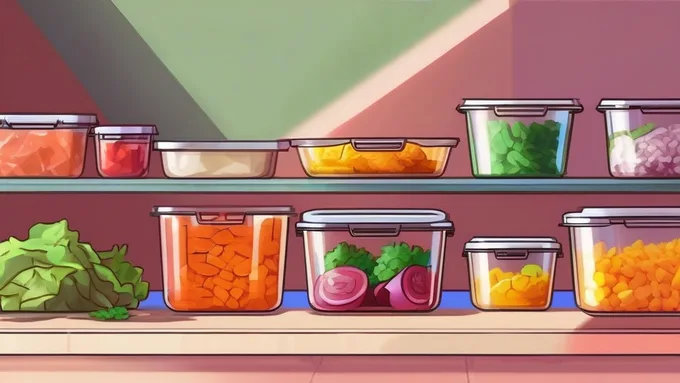
Strategic Meal Prep for Fitness Success
Effective fitness meal prep goes beyond cooking chicken and rice in bulk. You're preparing fuel for specific training adaptations while maintaining variety and nutritional density.
Pre-Workout Nutrition Timing
Consume easily digestible carbohydrates 1-2 hours before training. Bananas with almond butter, oatmeal with berries, or rice cakes with honey provide quick energy without digestive stress. Avoid high-fiber or high-fat foods that slow gastric emptying.
For early morning workouts, keep overnight oats or protein smoothie ingredients prepped. Your body needs fuel even if you don't feel hungry at 5 AM.
Post-Workout Recovery Meals
The post-workout window isn't as narrow as once believed, but consuming protein within 2-3 hours supports recovery. Prepare grab-and-go options like Greek yogurt parfaits, protein-packed wraps, or smoothie ingredients portioned into freezer bags.
Combine fast-acting proteins (whey, egg whites) with moderate-glycemic carbohydrates (sweet potatoes, quinoa) to replenish glycogen stores while providing amino acids for muscle repair.
Batch Cooking Strategies That Actually Work
- Protein preparation: Grill or bake 3-4 different proteins using varied seasonings. Chicken with Mediterranean herbs, salmon with Asian glazes, and lean beef with Mexican spices prevent flavor fatigue.
- Carbohydrate rotation: Cook brown rice, quinoa, and sweet potatoes in separate batches. Different textures and nutrient profiles keep meals interesting while meeting energy needs.
- Vegetable variety: Roast mixed vegetables with different oil and spice combinations. Sheet pan vegetables stay fresh for 4-5 days and add volume without excess calories.
- Sauce and seasoning prep: Prepare 3-4 different sauces or marinades. Tahini-based dressings, salsa verde, and yogurt-based sauces change basic ingredients into exciting meals.
- Grab-and-go snacks: Portion nuts, cut vegetables, and prepare protein balls or energy bites. Having convenient options prevents poor food choices when hunger strikes.
| Training Day Type | Pre-Workout (1-2 hours) | Post-Workout (within 2 hours) | Daily Protein Target |
|---|---|---|---|
| Heavy Lifting | Oatmeal + banana | Protein shake + rice cakes | 1.2g per lb bodyweight |
| Cardio/Endurance | Toast + honey | Chocolate milk + fruit | 0.8g per lb bodyweight |
| Rest Day | N/A | N/A | 0.8g per lb bodyweight |
| Two-a-day Training | Smoothie + granola | Full meal within 1 hour | 1.4g per lb bodyweight |
Technology Integration for Smarter Meal Planning
Manual food tracking becomes tedious, especially when you're eating 5-6 meals per day to support training goals. Recognizing food from a photo and calculating macronutrients from portion size is what BeCute is being built to do, and it is not on the App Store or Google Play yet.
The app's barcode scanning feature proves invaluable for packaged foods and supplements. Instead of manually entering nutrition information for protein powders, pre-workout supplements, and specialty fitness foods, you scan and track in seconds.
Using Data for Continuous Improvement
Track energy levels, workout performance, and recovery markers alongside your nutrition data. Notice patterns: Does higher carbohydrate intake on leg days improve your squat performance? Do certain foods cause digestive issues before morning workouts?
This personalized data becomes more valuable than generic nutrition advice. Your body's responses to different foods and timing strategies create a customized blueprint for optimal performance.
Training does not exempt anyone from the two published limits. According to the Dietary Guidelines for Americans, added sugars should stay under 10 percent of daily calories and saturated fat under 10 percent.
Budget-Conscious Fitness Meal Planning
Quality nutrition doesn't require premium prices, but it does require strategic shopping and preparation. Focus your budget on nutrient-dense whole foods rather than expensive supplements or specialty fitness products.
Cost-Effective Protein Sources
Eggs provide complete protein at roughly $0.20 per serving. Canned tuna, dried legumes, and chicken thighs offer excellent protein-to-cost ratios. Greek yogurt bought in large containers costs far less per ounce than individual servings, with the same probiotics and calcium.
Protein powder becomes economical when you calculate cost per gram of protein. A quality whey protein provides 25 grams of protein for approximately $1.50, comparable to many whole food sources but with superior convenience for post-workout nutrition.
Smart Carbohydrate Investments
Buy grains and starchy vegetables in bulk. A 10-pound bag of brown rice costs less than $15 and carries the grain for weeks. According to the National Academies Dietary Reference Intakes, the acceptable range for adults is 45-65 percent of calories from carbohydrate, 20-35 percent from fat and 10-35 percent from protein. Sweet potatoes, regular potatoes, and oats offer excellent nutritional value per dollar spent.
Frozen vegetables often provide better nutritional value than fresh options that have traveled long distances. They're picked at peak ripeness, flash-frozen to preserve nutrients, and cost significantly less than out-of-season fresh produce.
| Food Category | Budget Option | Cost per Serving | Protein Content |
|---|---|---|---|
| Animal Protein | Chicken thighs | $1.25 | 22g |
| Plant Protein | Dried lentils | $0.35 | 9g |
| Dairy Protein | Greek yogurt (large container) | $0.75 | 15g |
| Supplement | Whey protein powder | $1.50 | 25g |
Meal Timing Strategies for Different Fitness Goals
Your eating schedule should align with your training objectives. Muscle building phases benefit from frequent meals that maintain positive protein balance. Fat loss phases might incorporate intermittent fasting windows that improve insulin sensitivity while preserving muscle mass.
Muscle Building Meal Timing
Distribute protein intake across 4-5 meals to maximize muscle protein synthesis. Each meal should contain 25-40 grams of high-quality protein. Space meals 3-4 hours apart to allow for complete digestion while maintaining elevated amino acid levels.
Include a casein protein source (Greek yogurt, cottage cheese) before bed to provide slow-releasing amino acids during overnight recovery. This strategy becomes particularly important during intensive training phases when muscle breakdown increases.
Fat Loss Meal Distribution
Consider time-restricted eating windows that align with your training schedule. Many athletes find success eating within an 8-10 hour window, consuming larger meals around workout times while allowing for extended fasting periods.
The Mayo Clinic's approach to sustainable weight loss emphasizes meal timing that supports adherence rather than fighting against natural hunger patterns (Mayo Clinic Diet). Find a schedule you can maintain consistently rather than following extreme protocols that lead to binge-restrict cycles.
For detailed strategies on meal prep for weight loss, our guide covers portion control, calorie cycling, and sustainable preparation methods that support long-term success.
Adapting Your Plan Throughout Training Phases
Your nutrition needs change as your training focus shifts. Periodized nutrition matches your eating patterns to your training cycles, improving performance while supporting recovery and adaptation.
Off-Season Nutrition Focus
During lower-intensity training phases, emphasize nutrient density and metabolic flexibility. Include a wider variety of foods, experiment with new recipes, and focus on micronutrient intake that supports overall health.
This phase allows for more flexible meal timing and social eating opportunities. Maintain protein intake to preserve muscle mass while allowing carbohydrate and fat intake to fluctuate based on activity levels and preferences.
Competition Prep Adjustments
As training intensity increases, nutrition precision becomes critical. Track intake more carefully, time nutrients around workouts, and prioritize foods that support performance over variety.
Reduce fiber intake before important training sessions or competitions to minimize digestive stress. Increase sodium and carbohydrate intake during high-volume training weeks to support glycogen replenishment and electrolyte balance.
However, avoid extreme approaches like the 75 Hard Challenge that combine arbitrary nutrition rules with excessive exercise demands. The Cleveland Clinic warns against such programs due to their potential for promoting disordered eating patterns and overtraining (Cleveland Clinic).
Troubleshooting Common Fitness Nutrition Challenges
Even well-planned nutrition strategies encounter obstacles. Recognizing and solving these issues quickly prevents minor setbacks from derailing long-term progress.
Energy Crashes During Workouts
Sudden energy drops usually indicate inadequate pre-workout carbohydrate intake or poor meal timing. Experiment with different pre-workout meals and timing windows to find your optimal fueling strategy.
Some athletes perform better with larger meals 3-4 hours before training, while others prefer smaller snacks 60-90 minutes prior. Your digestive patterns and workout intensity determine the best approach.
Poor Recovery Between Sessions
Incomplete recovery often stems from insufficient post-workout nutrition or inadequate overall calorie intake. Track your energy levels and performance metrics to identify patterns.
Increase post-workout carbohydrate intake if you're training multiple times per day. Add extra calories from healthy fats if you're losing weight too rapidly while trying to build muscle.
Meal Prep Fatigue
Eating the same foods repeatedly leads to psychological burnout and potential nutrient gaps. Rotate protein sources weekly, experiment with different cooking methods, and vary your vegetable selections based on seasonal availability.
Our meal fuel guide provides specific strategies for maintaining variety while meeting performance nutrition needs.
Advanced Strategies for Experienced Athletes
Once basic nutrition habits become automatic, you can implement more sophisticated strategies that provide marginal gains in performance and recovery.
Nutrient Timing Precision
Fine-tune your carbohydrate intake based on training load. Higher-intensity sessions require more pre-workout carbohydrates, while lower-intensity work can be performed in a fasted or low-carb state.
Experiment with different protein sources around workouts. Fast-absorbing proteins like whey work well immediately post-workout, while slower proteins like casein provide sustained amino acid release during longer recovery periods.
Micronutrient Optimization
Monitor key vitamins and minerals that support training adaptations. Iron, vitamin D, B-vitamins, and magnesium commonly become depleted in hard-training athletes. Regular blood testing helps identify deficiencies before they impact performance.
Prioritize food sources over supplements when possible. Leafy greens provide folate and iron, fatty fish supplies vitamin D and omega-3s, and colorful vegetables offer antioxidants that support recovery.
- Iron-rich foods: Lean red meat, spinach, lentils, and fortified cereals support oxygen transport
- Magnesium sources: Nuts, seeds, dark chocolate, and whole grains aid muscle function and sleep quality
- B-vitamin foods: Eggs, nutritional yeast, and organ meats support energy metabolism
- Antioxidant-rich options: Berries, dark leafy greens, and colorful vegetables reduce exercise-induced oxidative stress
For athletes with limited cooking facilities, our microwave meal planning guide demonstrates how to create nutritious meals with minimal equipment.
Those seeking rapid initial results might benefit from our structured 7-day diet plan that provides specific meal timing and portion guidelines.
Success with fitness nutrition comes from treating it as a skill to develop rather than a temporary restriction to endure. Start with basic meal timing and portion control, then gradually add complexity as these habits become automatic. Your body's responses to different foods and timing strategies will guide you toward an individualized approach that supports both performance and long-term health.
The intersection of technology and nutrition continues evolving throughout 2026, making precise tracking and adjustment easier than ever before. But remember that no app or system can replace consistent effort and gradual refinement of your personal nutrition strategy.
What You Need to Know About Fitness and Meal Plan
How do I start a fitness and meal plan?
Kickstart your fitness and meal plan by setting clear, achievable goals. Define what you want to accomplish, whether it's weight loss, muscle gain, or improved endurance. Next, create a balanced meal plan that includes lean proteins, whole grains, and plenty of fruits and vegetables. Count your calories for a week against your nutritional needs; BeCute is being built to keep that count once it ships. For workouts, start with a mix of cardio and strength training exercises. Aim for at least 150 minutes of moderate aerobic activity or 75 minutes of vigorous activity each week, combined with muscle-strengthening activities on two or more days a week. Adjust your plan as needed to keep progressing toward your goals.
Is meal prep for weight loss worth it?
Meal prep for weight loss can save you time, money, and calories. By preparing meals in advance, you control portion sizes and ingredients, which helps avoid unhealthy last-minute food choices. In a large survey of French adults, the people who planned meals ahead ate a wider variety of foods and were more likely to meet national dietary guidelines, and they had lower odds of obesity than the people who never planned; the paper stops short of saying planning caused any of it, because a survey cannot show that (Ducrot et al., International Journal of Behavioral Nutrition and Physical Activity, 2017). Plus, it reduces stress during the week since you know exactly what you're eating. While it might take a few hours on the weekend, the benefits of consistent weight loss and better nutrition make it well worth the effort.
What's the difference between diet meal prep and fitness meal prep?
Diet meal prep focuses on calorie control and weight management, while fitness meal prep emphasizes fueling workouts and recovery. Diet meal prep typically involves portion control and calorie counting to achieve weight loss goals. On the other hand, fitness meal prep includes macronutrient balancing to support energy levels and muscle repair. For example, a fitness meal might include more protein and carbs to aid in muscle recovery, whereas a diet meal might focus on reducing calorie intake. Both approaches can be effective, but your choice should align with your personal health and fitness goals.
How much does a customized meal prep service cost?
Customized meal prep services can range from $8 to $15 per meal, depending on the complexity and ingredients. These services offer convenience and personalization, tailoring meals to your specific dietary needs and fitness goals. While it might seem pricey compared to cooking at home, the time saved and the precision in meeting nutritional goals can be invaluable. Plus, many services offer discounts for bulk orders or subscriptions. Consider your budget and time constraints when deciding if this service is right for you.
How do I make my own meal prep for fitness?
Making your own meal prep for fitness is all about planning and balance. Start by selecting a variety of lean proteins, whole grains, and vegetables. Cook in bulk to save time, and portion meals into containers for easy grab-and-go options. Work out the calories and macronutrients in each meal against your fitness goals; BeCute is being built to do that arithmetic for you later. Aim for meals that are balanced in protein, carbs, and fats to support your workouts and recovery. Keep it simple with recipes you enjoy to make sticking to your plan easier.
FAQ
How many meals should I eat per day for optimal fitness results?
Meal frequency depends on your goals and schedule rather than metabolic advantages. For muscle building, 4-5 meals help distribute protein intake evenly throughout the day. For fat loss, 2-3 larger meals within a time-restricted window often improve adherence. Choose a pattern you can maintain consistently while meeting your total daily nutrition targets.
You might also find our guide on my fitness food: how to choose the best options helpful.
Eating more on purpose takes the same arithmetic as eating less, and on Fitness and Meal Plan that arithmetic is what BeCute is being built to keep, and a figure like the 4-5 meals above only means something once it is yours; the app behind it is not yet on the App Store or Google Play.
Should I eat before early morning workouts?
Light pre-workout nutrition benefits most people, even during early sessions. Try easily digestible options like a banana, handful of dates, or diluted fruit juice 30-45 minutes before training. If you prefer fasted workouts, ensure your previous day's dinner included adequate carbohydrates to support morning glycogen levels.
Time is the constraint on Fitness and Meal Plan, and planning around the time you actually have rather than around the time a recipe assumes is what BeCute is being built to do, and numbers like the 30-45 minutes above are what a plan has to carry; the app is not yet on the App Store or Google Play.
How do I calculate the right portion sizes for my fitness goals?
Start with your palm-sized portion of protein, cupped-hand portion of carbohydrates, and thumb-sized portion of fats at each meal. Adjust based on your training load-increase carbohydrates on high-intensity days and add extra protein during muscle-building phases. Track your progress and energy levels to fine-tune portions over 2-3 weeks.
Whatever Fitness and Meal Plan works out by hand, BeCute is being built to work the same target out from the published Mifflin-St Jeor equation rather than from a proprietary score, and the 2-3 weeks above is this page's own number rather than a default; the app is not yet on the App Store or Google Play.
What's the best post-workout meal timing for recovery?
Consume protein within 2-3 hours after training to support muscle protein synthesis. The exact timing matters less than consistently meeting your daily protein targets. If your next meal is more than 3 hours away, have a protein-rich snack like Greek yogurt or a protein shake to bridge the gap.
Meals and snacks on Fitness and Meal Plan count toward the same daily total, and keeping that total honest is what BeCute is being built to do, and the 2-3 hours above is this page's own number rather than a default; the app is not yet on the App Store or Google Play, but the free 5 meals a day schedule at becute.app/tools/5-meals-a-day-schedule runs in the browser today with no email and no account, and the early access waitlist at becute.app is for the app itself.
How can I meal prep without getting bored of the same foods?
Prepare base ingredients rather than complete meals. Cook 2-3 proteins with different seasonings, prepare various grains and vegetables, then mix and match throughout the week. Keep 4-5 different sauces or dressings on hand to change basic ingredients into diverse flavor profiles. Rotate your protein and vegetable choices weekly.
Meal prep is what Fitness and Meal Plan turns on, and it is a habit BeCute is being built to support with plans, reminders and streaks rather than to replace; the app behind it is not yet on the App Store or Google Play.
Is it necessary to track macros for fitness success?
Macro tracking provides valuable data, especially when starting or making significant changes to your physique. However, it's a tool, not a permanent requirement. Many successful athletes transition to intuitive eating once they understand portion sizes and food quality. Use tracking as an educational phase to build awareness, then adjust based on your personality and lifestyle preferences.
The one thing BeCute has today for a reader of Fitness and Meal Plan is a place to leave an email address; BeCute is not yet on the App Store or Google Play, and the early access waitlist at becute.app is what exists in the meantime.
Sources
- Harvard Health (2024). "The Harvard Medical School 6-Week Plan for Healthy Eating." Harvard Health Publishing
- Mayo Clinic (2024). "Weight Loss Program - The Mayo Clinic Diet." Mayo Clinic
- Cleveland Clinic (2024). "75 Hard Challenge Rules and Healthy Alternatives." Cleveland Clinic

Written by
Oleksandr PaduraFounder & CEO at BeCute
Oleksandr Padura is the founder of BeCute. He is building an AI nutrition planner that turns personal goals into a daily meal plan. The app is not yet on the App Store or Google Play, and the waitlist gets access first.
Published: 2026-04-16
Disclaimer: This article is for informational purposes only and is not a substitute for professional medical advice, diagnosis, or treatment. Always consult a qualified healthcare provider before making changes to your diet or health routine.