

Key Takeaways
- Microwave meals provide 1,800-2,000 calories daily with balanced macronutrients across seven days.
- Microwave cooking preserves more nutrients than boiling by using less water and shorter times.
- Glass containers cost more upfront but last your entire college career versus plastic breakdown.
- Budget meal plan focuses on versatile pantry staples rather than single-use ingredients for affordability.
- Complete meals cook in under 10 minutes using only a microwave and basic dorm equipment.
Your roommate's ramen collection isn't a food group, despite what the empty packages scattered around your dorm suggest. Living in a tiny space with nothing but a microwave doesn't mean you're doomed to survive on processed snacks and delivery apps that drain your bank account faster than textbooks.
College students face unique nutritional challenges, with ready-to-eat food purchases making up a significant portion of their diet (PMC Study, 2022). But here's what most people don't realize: you can create satisfying, nutritious meals using only a microwave. The key lies in smart ingredient selection and understanding how microwave cooking actually works.
Join the early access waitlist and we will email you the day it launches.
Why Microwave Cooking Works for Nutrition
Microwaves get a bad reputation, but the science tells a different story. Microwave cooking actually preserves more nutrients than many traditional cooking methods because it uses less water and shorter cooking times (Harvard Health). The electromagnetic waves heat food from the inside out, which means vegetables retain their vitamin C and folate better than when boiled or steamed.
You might also find our guide on high-protein meal prep for college students who lift helpful.
The FDA emphasizes proper food safety practices for young adults, particularly when it comes to heating and storing prepared foods (FDA Safety Guidelines). Your microwave becomes a powerful tool when you know which foods work best and how to combine them for complete nutrition.
Breaking the Processed Food Cycle
Most college students default to highly processed microwave meals because they seem convenient. The reality? These options often lack fiber, contain excessive sodium, and leave you hungry within hours. Real microwave cooking means starting with whole ingredients: fresh vegetables, lean proteins, whole grains, and healthy fats.
Track your nutrition intake for the week. BeCute is being built to take that over with barcode scanning and photo logging, and it is not out yet. This becomes especially valuable when you're building meals from individual components rather than relying on pre-packaged options with questionable nutritional profiles.
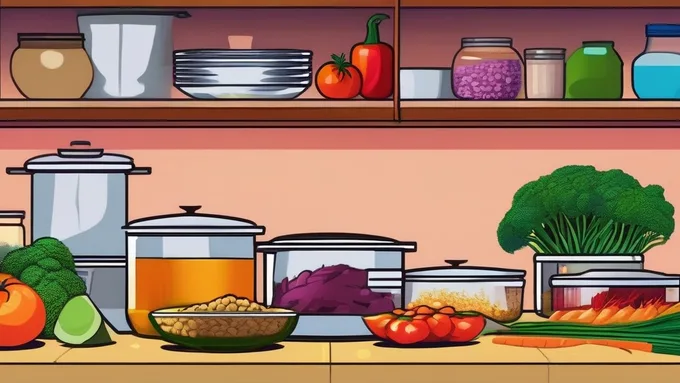
Essential Dorm Room Microwave Cooking Equipment
Your success depends on having the right tools in your limited space. Skip the fancy gadgets and focus on versatile basics that store easily in your dorm.
Must-Have Containers and Tools
- Glass containers with vented lids: Pyrex or similar brands work best for even heating
- Microwave-safe plates: For covering bowls and creating steam
- Silicone steamer basket: Fits inside most containers for perfect vegetables
- Sharp knife and cutting board: Compact versions save space
- Can opener: For beans, tomatoes, and other staples
- Measuring cups: Portion control matters for both nutrition and budget
Avoid plastic containers for anything containing tomatoes or high-fat foods. The acids and fats can cause plastic to break down and leach chemicals into your food. Glass containers cost more upfront but last through your entire college career.
Food Storage Solutions
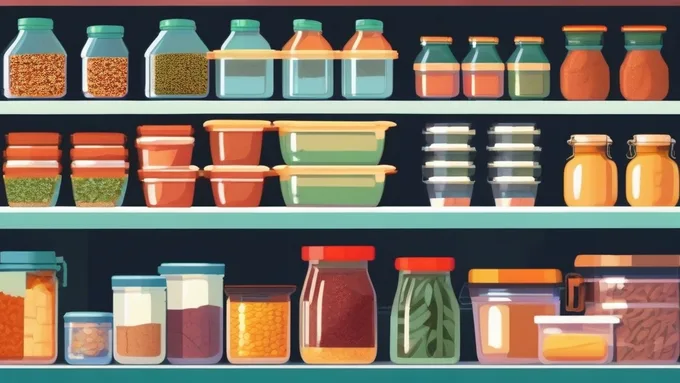
Dorm refrigerator space is precious real estate. Invest in stackable containers that maximize vertical space. Keep a small cooler for overflow when you batch-prep ingredients on weekends.
| Storage Type | Best For | Shelf Life |
|---|---|---|
| Glass containers | Cooked grains, prepared proteins | 3-4 days refrigerated |
| Produce bags | Fresh vegetables, herbs | 5-7 days in crisper |
| Freezer bags | Portioned proteins, cooked beans | 2-3 months frozen |
| Pantry bins | Rice, quinoa, oats, nuts | 6-12 months sealed |
7-Day Microwave Meal Plan for College Students
This meal plan focuses on microwave meals college students can actually afford and prepare in under 10 minutes per meal. Each day provides approximately 1,800-2,000 calories with balanced macronutrients.
Day 1: Mediterranean Monday
Breakfast: Greek yogurt with honey, chopped walnuts, and frozen berries (thawed in microwave for 30 seconds). Add a drizzle of olive oil for healthy fats.
Lunch: Chickpea and vegetable bowl. Combine canned chickpeas, diced cucumber, cherry tomatoes, and feta cheese. Heat for 1 minute, then add lemon juice and oregano.
Dinner: Microwave "stuffed" sweet potato. Pierce a sweet potato, microwave for 5-6 minutes until soft. Top with black beans, salsa, and a sprinkle of cheese. Heat for additional 30 seconds.
Snack: Hummus with baby carrots and whole grain crackers.
Day 2: Asian Tuesday
Breakfast: Savory oatmeal with an egg. Cook instant oats with water, crack an egg on top, microwave for 1 minute. Stir and add soy sauce and sesame oil.
Lunch: Edamame and brown rice bowl. Steam frozen edamame in microwave for 2 minutes. Combine with pre-cooked brown rice, shredded carrots, and teriyaki sauce.
Dinner: Miso soup with tofu and vegetables. Heat miso paste with hot water, add cubed silken tofu and frozen mixed vegetables. Microwave for 2 minutes.
Snack: Roasted seaweed snacks with a small apple.
Day 3: Mexican Wednesday
Breakfast: Microwave scrambled eggs with salsa and cheese. Beat eggs in a microwave-safe bowl, cook for 45 seconds, stir, cook another 30 seconds. Add toppings.
Lunch: Bean and rice burrito bowl. Layer black beans, brown rice, corn, diced tomatoes, and avocado. Heat the beans and rice for 1 minute before adding fresh toppings.
Dinner: Loaded baked potato. Microwave a russet potato for 6-7 minutes. Top with chili (canned), cheese, and Greek yogurt instead of sour cream.
Snack: Tortilla chips with guacamole (mash avocado with lime and salt).
Day 4: Italian Thursday
Breakfast: Ricotta and berry parfait. Layer ricotta cheese with frozen berries (microwaved for 30 seconds) and granola.
Lunch: Caprese-style quinoa salad. Mix cooked quinoa with cherry tomatoes, mozzarella balls, and basil. Drizzle with balsamic vinegar.
Dinner: Microwave "pasta" with zucchini noodles. Spiralize or thinly slice zucchini, microwave for 2 minutes. Top with marinara sauce and parmesan cheese.
Snack: String cheese with whole grain crackers.
Day 5: American Friday
Breakfast: Peanut butter banana oatmeal. Cook oats with sliced banana, add peanut butter and a drizzle of honey.
Lunch: Turkey and avocado wrap. Use a whole wheat tortilla with sliced turkey, avocado, lettuce, and mustard. Heat for 20 seconds to warm.
Dinner: Microwave meatloaf muffins. Mix ground turkey with breadcrumbs, egg, and seasonings. Form into muffin shapes and microwave for 3-4 minutes. Serve with steamed broccoli.
Snack: Trail mix with nuts, seeds, and dried fruit.
Day 6: Indian Saturday
Breakfast: Spiced yogurt with granola. Mix Greek yogurt with cinnamon, cardamom, and honey. Top with granola and chopped pistachios.
Lunch: Lentil dal with naan. Heat canned lentils with curry powder, turmeric, and coconut milk. Warm naan bread in microwave for 15 seconds.
Dinner: Tandoori-style chicken with rice. Season chicken breast with yogurt and spices, microwave for 4-5 minutes. Serve over basmati rice with cucumber raita.
Snack: Mango lassi (blend mango, yogurt, and a touch of cardamom).
Day 7: Comfort Sunday
Breakfast: French toast in a mug. Mix egg, milk, cinnamon, and vanilla. Dip bread pieces, place in mug, microwave for 1 minute.
Lunch: Loaded baked sweet potato. Top with black beans, corn, salsa, and a dollop of Greek yogurt.
Dinner: Shepherd's pie in a bowl. Layer mashed cauliflower over ground turkey cooked with frozen mixed vegetables and gravy.
Snack: Apple slices with almond butter.
Budget-Friendly Shopping Strategy
Smart shopping makes the difference between a $50 weekly grocery bill and a $150 one. Focus on versatile ingredients that work across multiple meals rather than buying single-use items.
Essential Pantry Staples
- Grains: Brown rice, quinoa, oats, and whole wheat pasta provide the foundation for most meals
- Proteins: Canned beans, eggs, Greek yogurt, and frozen chicken breast offer variety without breaking the bank
- Vegetables: Frozen mixed vegetables cost less than fresh and won't spoil in your tiny fridge
- Healthy fats: Olive oil, nuts, seeds, and avocados add flavor and satiety to simple meals
- Flavor enhancers: Herbs, spices, hot sauce, and vinegars change basic ingredients into exciting meals
Shop sales and buy in bulk when possible. Many stores offer student discounts on certain days of the week. Our $30/week college meal plan provides exact grocery lists and recipes that stretch your budget without sacrificing nutrition.
| Ingredient Category | Weekly Budget | Key Items |
|---|---|---|
| Proteins | $12-15 | Eggs, Greek yogurt, canned beans, chicken |
| Grains & Starches | $8-10 | Rice, oats, sweet potatoes, bread |
| Vegetables & Fruits | $10-12 | Frozen vegetables, bananas, apples, onions |
| Dairy & Alternatives | $6-8 | Milk, cheese, butter, plant-based options |
| Pantry Items | $4-6 | Oil, spices, condiments, nuts |
Microwave Cooking Techniques That Actually Work
Mastering a few key techniques transforms your microwave from a reheating device into a legitimate cooking tool. The secret lies in understanding power levels, timing, and moisture control.
Protein Perfection
Chicken breast cooks evenly when you pound it to uniform thickness and use 50% power for longer cooking times. Fish fillets need just 2-3 minutes on high power with a splash of lemon juice to prevent drying out. Eggs scramble perfectly when you stop and stir every 30 seconds.
Ground meat browns better when you break it into small pieces and cook in 1-minute intervals, stirring between each round. This prevents the gray, rubbery texture that gives microwave cooking a bad name.
Vegetable Mastery
Steam vegetables by adding just 2 tablespoons of water to the container and covering tightly. Root vegetables like potatoes and carrots need piercing to prevent explosions. Leafy greens wilt perfectly in 30-45 seconds with no added water.
Frozen vegetables often taste better than fresh when microwaved because they're flash-frozen at peak ripeness. Don't thaw them first - cook directly from frozen for the best texture.
Grain and Starch Success
Rice cooks perfectly using a 2:1 water-to-rice ratio. Combine in a large bowl (rice expands significantly), cover tightly, and cook on 50% power for 10-12 minutes. Let stand for 5 minutes before fluffing.
Quinoa needs rinsing before cooking to remove bitter saponins. Use the same 2:1 ratio but reduce cooking time to 6-8 minutes on high power.
Meal Prep Strategies for Dorm Life
Successful dorm room meal planning requires a different approach than traditional meal prep. You can't cook huge batches, but you can prepare components that mix and match throughout the week.
Sunday evening prep sessions work best for most students. Spend 30-45 minutes washing vegetables, cooking grains, and portioning proteins. Store everything in clear containers so you can quickly grab what you need between classes.
Component Cooking Method
- Grains: Cook 2-3 cups of rice or quinoa to last several days
- Proteins: Hard-boil a dozen eggs, cook chicken breast, or prepare a batch of beans
- Vegetables: Wash and chop raw vegetables for salads, steam a variety for quick reheating
- Sauces: Mix up vinaigrettes, yogurt-based dressings, and flavor combinations
This approach gives you flexibility to create different meals using the same base ingredients. Monday's Mediterranean bowl becomes Tuesday's Asian stir-fry with different seasonings and vegetables.
The mini-fridge freezer covers the other half of the week. Anything you portion on Sunday and freeze flat comes back through the same microwave later, which is why a stocked freezer beats a crowded fridge in a dorm. Our guide to freezer meals for college students covers which dishes hold their texture after freezing, how to reheat them without a cold center, and what to check on the label when you buy frozen instead of cooking.
For complete meal planning strategies that work with any cooking method, check out our complete meal plan guide which covers everything from macronutrient balance to grocery shopping optimization.
Avoiding Common Microwave Cooking Mistakes
Even experienced cooks make mistakes when transitioning to microwave-only cooking. These errors can turn nutritious ingredients into unappetizing mush or create food safety hazards.
Power Level Problems
Most people use full power for everything, leading to overcooked edges and cold centers. Dense foods like potatoes need a lower power level for longer. Delicate items like fish or eggs cook best at 30-50% power.
Your microwave's wattage affects cooking times significantly. Most dorm microwaves range from 700-1000 watts. Higher wattage means shorter cooking times, so adjust recipes accordingly.
Safety Concerns
Never microwave eggs in their shells - they'll explode. Pierce foods with skins (potatoes, sausages, hot dogs) to prevent bursting. Use microwave-safe containers only; some plastics release harmful chemicals when heated (Cleveland Clinic).
Avoid microwaving certain foods altogether. Processed meats like hot dogs can create hot spots that burn your mouth. Microwave popcorn may increase PFAS levels in your body (UCLA Health Study).
According to the CDC, 12.3 percent of US adults met the federal fruit recommendation in 2019. According to the CDC report, 10.0 percent met the vegetable recommendation. A bag of frozen vegetables in a dorm microwave closes most of that gap.
Nutritional Tracking and Meal Optimization
Building meals from individual components makes nutrition tracking more complex but also more accurate. Instead of scanning a barcode for "Frozen Dinner #47," you're logging real ingredients with known nutritional profiles.
A dorm shelf is mostly the same ten ingredients, so a written list of your usual combinations covers it. BeCute is being built to learn those combinations from photo scans instead. After a few weeks, the app predicts your usual sweet potato and black bean combination, making logging effortless.
Balancing Macronutrients
Each meal should include protein, complex carbohydrates, healthy fats, and vegetables. This combination provides sustained energy and prevents the crash-and-crave cycle that leads to poor food choices.
Aim for 20-30 grams of protein per meal to support muscle maintenance and satiety. College students often under-consume protein while over-consuming refined carbohydrates, leading to energy fluctuations that affect academic performance.
The weekly meal plan approach helps you visualize nutrient distribution across several days, ensuring you're not missing key vitamins or minerals.
Addressing Nutritional Gaps
Dorm living often leads to deficiencies in certain nutrients. Vitamin D, B12, iron, and omega-3 fatty acids are common gaps in college diets. Include fortified foods, leafy greens, nuts, and fatty fish when possible.
School meal programs provide important nutritional support for many students (CDC School Nutrition). If you have access to a dining plan, use it strategically to complement your dorm cooking rather than replace it entirely.
Long-Term Success and Habit Formation
The goal isn't just surviving college on microwave meals - it's building cooking skills and nutrition knowledge that serve you for life. These habits become the foundation for healthy eating when you eventually have access to a full kitchen.
You might also find our guide on vegan meal plan for college: $40/week no kitchen required helpful.
Start small and build consistency before adding complexity. Master five basic meals before attempting elaborate recipes. Focus on ingredients you enjoy rather than forcing yourself to eat foods you dislike in the name of health.
Understanding the benefits of meal planning motivates you to stick with the system even when it feels challenging. The time investment pays dividends in better health, improved energy, and significant cost savings compared to restaurant meals and delivery apps.
Building Cooking Confidence
Each successful meal builds confidence for the next cooking challenge. Document your wins and learn from mistakes. Keep notes about which flavor combinations work and which cooking times produce the best results with your specific microwave.
Share meals with friends and roommates. Teaching others what you've learned reinforces your own knowledge and creates a support system for healthy eating habits.
Transforming your dorm room into a functional food preparation space doesn't require expensive equipment or advanced culinary skills. With strategic ingredient selection, proper techniques, and consistent meal planning, your microwave becomes a powerful tool for maintaining good nutrition throughout college.
The habits you build now - reading labels, planning meals, tracking nutrition, and cooking with whole ingredients - create a foundation for lifelong health. Your future self will thank you for learning these skills during your college years rather than relying on convenience foods that drain both your wallet and your energy.
What You Need to Know About Microwave Meals for College Students
How do I start a microwave-only meal plan in my dorm?
Starting a microwave-only meal plan in your dorm is easier than you think! First, gather essential equipment like a microwave-safe bowl, mug, and plate. Next, plan your meals for the week using simple recipes that require minimal ingredients. For example, oatmeal for breakfast, a mug omelet for lunch, and a microwaveable veggie stir-fry for dinner. Check the BeCute early access list for the personalized nutrition insights it is being built to give. Finally, shop smart by buying versatile ingredients like eggs, cheese, and frozen veggies that can be used in multiple dishes. With a bit of planning, you'll be a microwave meal pro in no time!
Are microwave meals worth it for college students?
Absolutely, microwave meals are a lifesaver for college students! They're quick, convenient, and often cheaper than eating out. You can whip up a meal in under 10 minutes, saving you precious study time. Plus, with a little creativity, you can make nutritious meals that fit your budget. For example, a homemade microwave mac and cheese costs around $1.50 per serving, compared to $5 for takeout. A simple tally of what you microwaved will tell you whether the week was balanced. BeCute is being built to keep that tally, and it is not downloadable yet.
What's the difference between microwave and stovetop cooking?
Microwave cooking is all about speed and convenience, while stovetop cooking offers more control over texture and flavor. A microwave can heat food in minutes, making it ideal for quick meals, but it might not achieve the same crispiness as a stovetop. For instance, a microwave-baked potato takes about 7 minutes, whereas a stovetop version might take 20 minutes. However, with the right techniques, like using a microwave crisper, you can get closer to stovetop results. Ultimately, microwaves are perfect for dorm life due to their efficiency and ease of use.
How much does a week of microwave meals cost for a college student?
A week of microwave meals can cost as little as $30 to $50, depending on your ingredient choices. By focusing on budget-friendly staples like rice, beans, and frozen vegetables, you can keep costs low. For example, a simple microwave chili can be made for about $2 per serving. Buying in bulk and planning your meals ahead can further reduce expenses. Remember, a note of what each shop trip cost is what shows the saving. BeCute is being built to keep that note next to the nutrition, once it opens.
What are some easy microwave recipes for dorm life?
Easy microwave recipes for dorm life are all about simplicity and flavor. Think microwave mug cakes, scrambled eggs, or even a quick rice bowl with veggies and soy sauce. A popular choice is a microwave quesadilla, which takes just 3 minutes to prepare. You can also try a microwave lasagna using pre-cooked noodles and jarred sauce for a hearty meal. These recipes require minimal ingredients and time, making them perfect for busy college students. With a little practice, you'll be able to whip up delicious meals in no time!
FAQ
Can I get complete nutrition eating only microwave-prepared meals?
Yes, when you focus on whole ingredients rather than processed microwave meals. Include proteins like eggs and chicken, complex carbohydrates like quinoa and sweet potatoes, healthy fats from nuts and avocado, and plenty of vegetables. The key is variety and proper food combinations, not the cooking method itself. If you want an app to check the week's totals, note that BeCute is not out yet, so pick something you can install today and treat this plan as the food half.
Readers who arrive at Microwave-Only Meal Plan for Dorm Life usually cook in a small kitchen on a small budget, and BeCute is being built for them as much as for anyone else; BeCute itself is not yet on the App Store or Google Play.
How much should I budget for groceries with a microwave-only meal plan?
Most college students can eat well for $40-60 per week using microwave cooking methods. This budget allows for quality proteins, fresh produce, and pantry staples. Buying in bulk and focusing on versatile ingredients keeps costs down while maintaining nutritional quality. No app changes that arithmetic, BeCute included, and it is not out yet in any case: what moves the number is buying five ingredients that combine into fifteen meals.
Anyone working through Microwave-Only Meal Plan for Dorm Life ends up with a list, and BeCute is being built to generate that list out of the plan itself instead of having it typed out by hand a second time, and the $40-60 per week above is this page's own number rather than a default; the app behind it is not yet on the App Store or Google Play.
What foods should I never cook in a microwave for safety reasons?
Avoid whole eggs in shells, sealed containers, foods with skins that haven't been pierced, and anything in non-microwave-safe containers. Also skip reheating rice that's been sitting at room temperature for more than an hour, as this can cause food poisoning regardless of cooking method.
Cooking is the point on Microwave-Only Meal Plan for Dorm Life, and recipe ideas built from your goals and the ingredients already in your kitchen are on the BeCute build list; the app is not yet on the App Store or Google Play.
How do I prevent vegetables from becoming mushy in the microwave?
Use minimal water (2 tablespoons maximum), cover tightly to create steam, and cook in short intervals. Start with 1-2 minutes for most vegetables, then check for doneness. Frozen vegetables often maintain better texture than fresh because they're blanched before freezing.
A reader who lands on Microwave-Only Meal Plan for Dorm Life lands on a site for an app that does not exist yet: BeCute is being built by our team, and nothing here is software you can install, and the 1-2 minutes above is this page's own number rather than a default; BeCute is not yet on the App Store or Google Play, so what you can use here today is the free 5 meals a day schedule at becute.app/tools/5-meals-a-day-schedule - no email, no account, nothing to install - while the early access waitlist at becute.app covers the app.
Can microwave cooking help me lose weight in college?
Microwave cooking supports weight management by giving you control over ingredients and portions. You avoid the hidden calories in restaurant meals and processed foods. Combined with nutrition tracking apps, microwave meal preparation makes it easier to maintain a caloric deficit if weight loss is your goal. BeCute is not yet on the App Store or Google Play, so it is not the app for this semester; the early access waitlist is open at becute.app.
Weight loss on Microwave-Only Meal Plan for Dorm Life comes down to holding a target and replanning around what was actually eaten rather than around what was planned, which is what BeCute is being built to do; BeCute itself is not yet on the App Store or Google Play.
How do I store prepared ingredients safely in a small dorm fridge?
Use airtight glass containers and label everything with dates. Store cooked grains and proteins for maximum 4 days, and keep raw and cooked foods separate. Invest in a small freezer section organizer to maximize space and prevent items from getting lost and spoiling.
Meal prep is what Microwave-Only Meal Plan for Dorm Life turns on, and it is a habit BeCute is being built to support with plans, reminders and streaks rather than to replace, and numbers like the 4 days above are what a plan has to carry; the app behind it is not yet on the App Store or Google Play.
Sources
- PMC (2022). "A Pilot Study on RTE Food Purchasing and Food-Related Behaviors of College Students." PMC Study
- Harvard Health (2024). "Microwave cooking and nutrition." Harvard Health
- FDA (2024). "Everyday Food Safety for Young Adults." FDA Safety Guidelines
- Cleveland Clinic (2024). "Is Microwaving Food Bad for You?" Cleveland Clinic
- UCLA Health (2024). "Eating microwave popcorn increases the level of PFAS in body." UCLA Health Study
- CDC (2024). "School Meals | School Nutrition." CDC School Nutrition
- Nutrition.gov (2024). "Food Shopping and Meal Planning." Nutrition.gov
- Stanford Health Care (2024). "Clinical Nutrition Services at Hoover Pavilion." Stanford Health Care
- Penn Medicine (2024). "How to Apply - Fellowships | Radiology." Penn Medicine

Written by
Oleksandr PaduraFounder & CEO at BeCute
Oleksandr Padura is the founder of BeCute. He is building an AI nutrition planner that turns personal goals into a daily meal plan. The app is not yet on the App Store or Google Play, and the waitlist gets access first.
Published: 2026-04-05
Disclaimer: This article is for informational purposes only and is not a substitute for professional medical advice, diagnosis, or treatment. Always consult a qualified healthcare provider before making changes to your diet or health routine.