

Key Takeaways
- Eat 1,200-1,500 calories daily and keep protein high inside the published macronutrient band. According to the National Academies Dietary Reference Intakes, the acceptable range for adults is 45-65 percent of calories from carbohydrate, 20-35 percent from fat and 10-35 percent from protein.
- Lose 2-4 pounds in week one through water weight reduction and 1-1.5 pounds actual fat loss.
- Prep meals 2-3 hours Sunday; spend $15-25 on digital scale to accurately portion control portions.
- Drink 16-20 ounces water before breakfast to reduce false hunger signals and support hydration.
- Eat breakfast, mid-morning snack, lunch, pre-dinner snack, dinner across six structured daily eating occasions.
Your coworker dropped 12 pounds in two weeks. Your neighbor fits back into her college jeans. Meanwhile, you're still googling "quick weight loss" at 11 PM while eating leftover pizza. Here's the truth: a well-structured 7 day diet plan to lose weight can jumpstart real changes, but only if you ditch the gimmicks and focus on sustainable habits that work with your actual life.
The most effective short-term diet plans create momentum through consistent eating patterns, controlled portions, and strategic nutrient timing. But they're not magic bullets. They're training wheels for building the food awareness and meal planning skills you'll need long-term (PMC).
Join the early access waitlist and we will email you the day it launches.
Why 7-Day Diet Plans Actually Work for Weight Loss
Short-term structured eating plans succeed because they eliminate decision fatigue. When you know exactly what to eat and when, you're not standing in your kitchen at 6 PM wondering if cereal counts as dinner. The CDC emphasizes that successful weight loss starts with creating consistent eating patterns that become automatic habits.
A focused week gives you enough time to see initial results without the overwhelm of planning months ahead. Most people lose 2-4 pounds in the first week through a combination of water weight reduction and actual fat loss. That early success builds confidence for longer-term changes.
The Science Behind Quick Results
Your body stores about 1-2 pounds of water with every gram of carbohydrates. When you reduce refined carbs and increase protein intake, you'll see rapid scale changes. This isn't "fake" weight loss - it's your body releasing excess fluid it no longer needs to store with glycogen.
Real fat loss happens simultaneously. Creating a 500-750 calorie daily deficit through food choices and portion control leads to 1-1.5 pounds of actual fat loss per week (Nutrition.gov).
Building Your Foundation: Pre-Planning Essentials
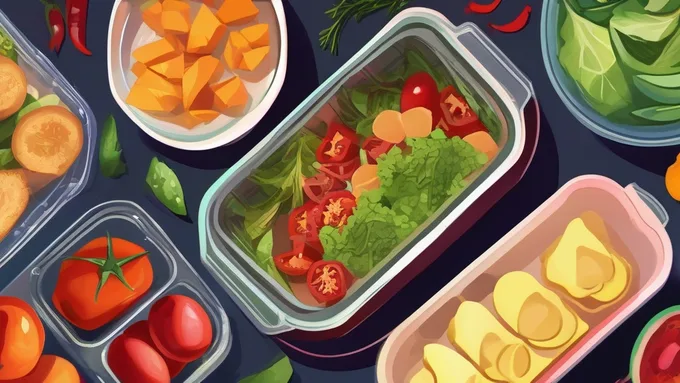
Success starts before you take your first bite. Spend 2-3 hours on Sunday setting up your week. This isn't meal prep Instagram perfectionism - it's practical preparation that prevents 6 PM pizza orders.
Kitchen Setup and Tools
Clear your counters of trigger foods. Put fruits and vegetables at eye level in your fridge. Portion out snacks into single-serving containers immediately after grocery shopping. The BeCute app is being built to scan barcodes during this prep phase, so a whole week of nutrition can be logged in one pass.
You'll need: food scale, measuring cups, storage containers, and a reliable way to track your intake. Digital scales under $20 work perfectly fine. Glass containers stack better than plastic and don't absorb odors.
| Essential Prep Tools | Purpose | Budget Option |
|---|---|---|
| Digital food scale | Accurate portion control | $15-25 |
| Glass meal containers | Portion pre-planning | $30-40 set |
| Measuring cups/spoons | Consistent serving sizes | $10-15 |
| Food tracking app | Calorie and macro monitoring | Free-$10/month |
The Complete 7-Day Weight Loss Meal Framework
This isn't a restrictive crash diet. It's a structured eating pattern that creates a consistent calorie deficit while maintaining steady energy levels. Each day provides roughly 1,200-1,500 calories, depending on your protein and vegetable portions.
Daily Meal Structure
- Morning (6-8 AM): High-protein breakfast with complex carbs and healthy fats
- Mid-Morning (10-11 AM): Protein-rich snack if needed
- Afternoon (12-2 PM): Balanced lunch with lean protein and vegetables
- Pre-Dinner (3-4 PM): Light snack focusing on fiber and protein
- Evening (6-7 PM): Protein-centered dinner with non-starchy vegetables
- Optional Evening: Small snack if genuinely hungry, not bored
Macronutrient Targets
Keep protein at the top of the published band and fill the rest with complex carbohydrates and healthy fats. According to the National Academies Dietary Reference Intakes, the adult range is 45-65 percent of calories from carbohydrate, 20-35 percent from fat and 10-35 percent from protein. This ratio supports muscle preservation while creating the metabolic conditions for fat loss. The higher protein percentage helps maintain satiety between meals (Harvard Health).
| Day | Breakfast | Lunch | Dinner | Estimated Calories |
|---|---|---|---|---|
| Monday | Greek yogurt with berries | Grilled chicken salad | Baked salmon with broccoli | 1,350 |
| Tuesday | Veggie omelet | Turkey and avocado wrap | Lean beef stir-fry | 1,425 |
| Wednesday | Protein smoothie | Quinoa bowl with chickpeas | Grilled chicken with asparagus | 1,380 |
| Thursday | Cottage cheese with fruit | Lentil soup with side salad | Baked cod with green beans | 1,320 |
| Friday | Overnight oats with protein | Tuna salad lettuce wraps | Turkey meatballs with zucchini | 1,400 |
| Saturday | Egg white scramble | Chicken and vegetable soup | Grilled shrimp with cauliflower | 1,290 |
| Sunday | Greek yogurt parfait | Salmon salad with mixed greens | Lean pork tenderloin with Brussels sprouts | 1,450 |
Specialized Diet Variations for Different Needs
The basic framework adapts easily to specific dietary requirements or preferences. The key principles - controlled portions, adequate protein, and consistent meal timing - remain the same regardless of your eating style.
You might also find our guide on meal fuel: energize your day with smart nutrition choices helpful.
Plant-Based Weight Loss Approach
A plant based meal plan for weight loss focuses on legumes, quinoa, tempeh, and tofu for protein sources. Combine different amino acid profiles throughout the day rather than worrying about "complete" proteins at every meal. Hemp seeds, nutritional yeast, and spirulina boost protein density in smoothies and salads.
- Breakfast options: Chia pudding with protein powder, tofu scramble with vegetables
- Lunch choices: Black bean and quinoa bowls, lentil-based soups
- Dinner ideas: Tempeh stir-fries, chickpea curry with cauliflower rice
- Snack suggestions: Hummus with vegetables, mixed nuts and seeds
Gluten-Free Modifications
A gluten free diet plan for weight loss eliminates wheat, barley, rye, and most processed foods automatically. This often leads to weight loss simply by reducing refined carbohydrates and increasing whole food consumption. For complete guidance on gluten-free meal planning, our gluten free weekly meal plan guide covers shopping strategies and recipe adaptations.
Focus on naturally gluten-free whole grains like quinoa, rice, and buckwheat. Read labels carefully - gluten hides in sauces, seasonings, and processed meats. Many gluten-free substitute products are higher in calories and lower in fiber than their wheat-based counterparts.
Daily Implementation Strategy
Knowing what to eat means nothing without a system for actually doing it. Most people fail not because they lack willpower, but because they lack specific implementation plans for common obstacles.
Morning Routine Setup
Start every day by drinking 16-20 ounces of water before your first meal. This supports hydration after 7-8 hours without fluids and can reduce false hunger signals. Prepare your breakfast the night before or choose options that take under 5 minutes to assemble.
Log your planned meals in a tracking app first thing in the morning. The BeCute platform is being built to log entire meals from a photograph, which will make morning planning faster than manual entry ever was.
Handling Workplace Challenges
Pack your lunch and snacks the night before. Keep backup protein sources at work: individual packets of nuts, protein bars, or shelf-stable tuna. When colleagues order takeout, have your meal ready so you're not making hungry decisions.
- Meeting snacks: Pre-portioned nuts or Greek yogurt cups
- Lunch backup: Frozen meals under 400 calories with added vegetables
- Afternoon energy: Apple with individual almond butter packets
- Late work days: Pre-cooked protein that reheats quickly
Shopping and Budget Management
A week of structured eating doesn't require expensive specialty foods or complicated ingredients. Focus your budget on versatile proteins, seasonal vegetables, and pantry staples that work across multiple meals.
Strategic Shopping List
Buy proteins in bulk and portion them immediately. A 3-pound bag of chicken breasts costs less per serving than pre-portioned packages. Frozen vegetables often contain more nutrients than fresh options that have traveled long distances and offer consistent pricing year-round.
The NHLBI provides detailed shopping guidance for heart-healthy eating patterns that align well with weight loss goals. Their approach emphasizes whole foods over processed alternatives.
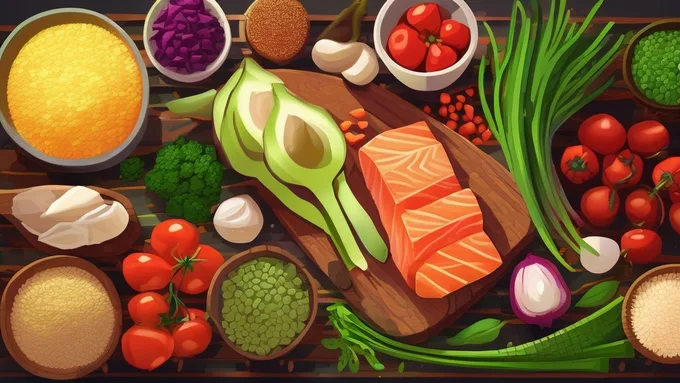
- Proteins: Chicken breast, ground turkey, eggs, Greek yogurt, cottage cheese
- Vegetables: Spinach, broccoli, bell peppers, zucchini, cauliflower
- Healthy fats: Avocados, olive oil, nuts, seeds
- Complex carbs: Quinoa, sweet potatoes, oats, brown rice
- Pantry staples: Herbs, spices, vinegars, mustard, hot sauce
Weekly Budget Breakdown
Expect to spend $60-80 for one person's week of structured meals, assuming you already have basic pantry items. This breaks down to roughly $8-11 per day, significantly less than restaurant meals or delivery services.
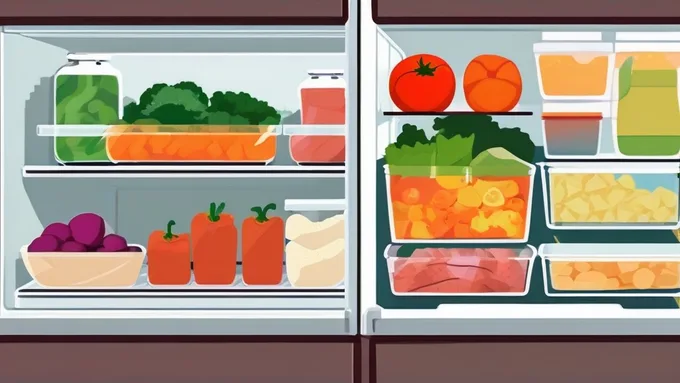
Batch cooking reduces both time and money waste. Cook 2-3 proteins at once, roast multiple sheet pans of vegetables, and prepare grains in large batches. Store everything in portion-controlled containers for grab-and-go convenience.
Technology and Tracking Integration
Successful weight loss requires accurate data about what you're actually eating versus what you think you're eating. Most people underestimate what they eat, which explains why "eating healthy" doesn't always translate to weight loss.
Choosing the Right Tracking Method
Track everything for the full seven days, including cooking oils, condiments, and beverages. These "small" additions often account for 200-300 extra calories daily. Set up your tracking app to send reminder notifications at consistent meal times.
Using Data for Real-Time Adjustments
Monitor your energy levels alongside weight changes. If you're consistently tired or irritable, you may need to increase your calorie intake slightly or adjust your macronutrient ratios. Sustainable weight loss maintains steady energy throughout the day.
For more detailed guidance on creating sustainable eating patterns, our balanced diet plan for weight loss guide explains how AI-powered tools can personalize your approach based on your individual response patterns.
Overcoming Common Week-One Obstacles
The first three days present the biggest challenges as your body adjusts to new eating patterns and portion sizes. Expect some hunger, mild fatigue, and strong cravings for your usual comfort foods. These symptoms typically decrease significantly by day four.
Managing Hunger and Cravings
True hunger feels different from cravings or boredom eating. Physical hunger develops gradually and can be satisfied with any food. Cravings hit suddenly and demand specific foods, usually high-sugar or high-fat options.
When cravings strike, drink 8 ounces of water and wait 10 minutes. Often, dehydration masquerades as hunger. If you're still genuinely hungry, eat your planned snack or move your next meal earlier rather than reaching for unplanned foods.
- Morning cravings: Add more protein to breakfast or eat it 30 minutes earlier
- Afternoon crashes: Include more fiber in lunch to stabilize blood sugar
- Evening munchies: Brush your teeth after dinner to signal eating is done
- Weekend challenges: Plan special meals that fit your calorie goals
Social Situation Strategies
Don't announce your diet to everyone. Simply make your food choices without drawing attention or explaining your decisions. Most people won't notice or care what you're eating if you don't make it a topic of conversation.
At restaurants, check menus online beforehand and decide what you'll order. Ask for dressings and sauces on the side. Request grilled instead of fried proteins. These small modifications can save 300-500 calories per meal without feeling restrictive.
Transitioning Beyond the First Week
A successful 7-day plan creates momentum for longer-term changes, but it's not meant to be repeated indefinitely. Use week one to identify which foods keep you satisfied, which meal timing works best for your schedule, and which tracking methods you'll actually stick with long-term.
You might also find our guide on meal prep for weight loss: simplifying your routine in 2026 helpful.
Building Sustainable Habits
The habits you develop during your first structured week - meal prep, consistent eating times, accurate tracking - matter more than the specific foods you choose. These systems can adapt to different dietary preferences while maintaining the structure that supports weight management.
The Cleveland Clinic emphasizes that the most effective diet is the one you can follow consistently over months and years, not just days or weeks.
Scaling Your Approach
Week two should introduce more variety while maintaining the same basic structure. Add new proteins, experiment with different vegetables, and try various cooking methods. The goal is building a flexible system rather than following rigid meal plans indefinitely.
For ongoing meal planning strategies, our weekly meal plan for healthy eating guide provides frameworks for maintaining consistency without monotony. Long-term success comes from having multiple go-to options rather than eating the same foods repeatedly.
Consider working with personalized approaches as you progress. Our customized meal plans guide explains how AI-powered platforms can adapt recommendations based on your individual preferences and results.
Monitoring Progress and Making Adjustments
Weight fluctuates 2-4 pounds daily based on hydration, sodium intake, hormones, and digestive contents. Daily weigh-ins provide data points, but weekly averages give you the real trend. The Stanford Health Care approach emphasizes consistent monitoring for long-term success.
Beyond the Scale
Take progress photos and body measurements. Sometimes your clothes fit better even when the scale doesn't move, especially if you're maintaining muscle while losing fat. Energy levels, sleep quality, and mood often improve before significant weight changes appear.
Track non-scale victories: choosing stairs over elevators, feeling satisfied after meals, sleeping through the night, or having steady energy throughout the day. These improvements indicate that your new eating pattern is supporting overall health, not just weight loss.
When to Modify Your Approach
If you're losing more than 2-3 pounds per week consistently, you may need to increase your calorie intake slightly. Rapid weight loss often leads to muscle loss and metabolic slowdown. The American Heart Association recommends steady, gradual weight loss for lasting results.
If you're not seeing any changes after 10-14 days, review your tracking accuracy. Weigh and measure foods for a few days to ensure your portions align with your logged amounts. Small measurement errors compound quickly over multiple meals.
A structured 7-day eating plan works because it removes daily decision-making while teaching you what appropriate portions actually look like on your plate. The real value isn't in the specific meals, but in developing the awareness and systems that make healthy choices automatic rather than effortful.
Success comes from treating this week as practice for building sustainable habits, not as a short-term fix that ends after seven days. The patterns you establish now - consistent meal timing, accurate portion control, and mindful food choices - become the foundation for maintaining your results long-term. For additional guidance on diabetes-friendly approaches that support weight management, the American Diabetes Association provides evidence-based meal planning resources. You'll also find valuable information about prescription options through FDA resources if you're considering medical support for your weight loss journey.
What You Need to Know About 7 Day Diet Plan to Lose Weight
How effective is a 7-day diet plan for weight loss?
A 7-day diet plan can effectively kickstart your weight loss journey, helping you shed 1-2 pounds in a week. It's a short-term strategy that focuses on calorie control and balanced nutrition, making it ideal for those looking to jumpstart healthier habits. While it's not a long-term solution, it can be a motivational boost to see quick results. Remember, consistency and a balanced approach are key, so consider integrating this plan with regular exercise and a sustainable diet for lasting success.
What's the difference between a plant-based and a gluten-free 7-day diet plan?
The main difference lies in dietary restrictions: plant-based diets focus on eliminating animal products, while gluten-free diets exclude gluten-containing grains. A plant-based meal plan for weight loss emphasizes fruits, vegetables, nuts, and grains, whereas a gluten-free meal plan for weight loss avoids wheat, barley, and rye. Both can be effective for weight loss, but they cater to different dietary needs and preferences. Choose based on your health goals and dietary restrictions, and keep BeCute on the early access list for the tracking side.
How do I start a 7-day diet plan for weight loss?
To start a 7-day diet plan, begin by setting clear, achievable goals and preparing a detailed meal plan. Stock up on healthy ingredients and plan your meals to avoid last-minute unhealthy choices. Track your calorie intake and progress in whatever you have today; BeCute is being built to take that over. It's crucial to stay hydrated and incorporate physical activity to enhance results. Starting with a clear plan and supportive tools can make the process smoother and more effective.
Is a 7-day diet plan worth the cost and effort?
Yes, a 7-day diet plan is worth the effort if you're looking for a quick, structured way to jumpstart weight loss. While it requires some planning and discipline, the potential benefits include improved eating habits, increased energy, and initial weight loss. The cost is generally low, as it often involves simple, whole foods. However, the real value lies in the motivation and momentum it provides for long-term lifestyle changes.
What are some healthy meals for a week to lose weight?
Healthy meals for a week to lose weight include options like oatmeal with berries for breakfast, grilled chicken salad for lunch, and quinoa with roasted vegetables for dinner. Snacks can include fruits, nuts, or yogurt. These meals are balanced, nutrient-dense, and designed to keep you full while maintaining a calorie deficit. Planning these meals in advance can help you stay on track and avoid unhealthy temptations throughout the week.
FAQ
Can I repeat this 7-day diet plan multiple weeks in a row?
While you can use the same structure, vary your food choices each week to prevent nutrient deficiencies and boredom. The framework of consistent meal timing and portion control should continue, but swap different proteins, vegetables, and preparation methods. Most people see better long-term results by gradually increasing variety while maintaining the same eating schedule and calorie targets.
A week gets rewritten sooner or later, and on 7 Day Diet Plan to Lose Weight rewriting one without rewriting every meal in it is what BeCute is being built to handle; the app behind it is not yet on the App Store or Google Play, and what does work today is the free 5 meals a day schedule at becute.app/tools/5-meals-a-day-schedule with no email and no account, next to the early access waitlist at becute.app for the app.
What should I do if I get really hungry between planned meals?
First, drink 8-12 ounces of water and wait 15 minutes - dehydration often feels like hunger. If you're still genuinely hungry, eat a small portion of protein like a hard-boiled egg or Greek yogurt. Avoid high-carb snacks that can trigger more cravings. Consider moving your next planned meal 30-60 minutes earlier rather than adding unplanned food.
Questions like the one above on 7 Day Diet Plan to Lose Weight are exactly what BeCute, an AI meal planning and nutrition app, is being built around, and the 8-12 ounces above is one of this page's own figures; the app is not yet on the App Store or Google Play.
Is it normal to feel tired during the first few days?
Yes, mild fatigue is common as your body adjusts to new eating patterns and potentially lower carbohydrate intake. This typically improves by day 3-4. If you feel extremely tired or dizzy, you may need to increase your calorie intake slightly or add more complex carbohydrates to your meals. Prioritize sleep and stay well-hydrated during this adjustment period.
A reader who lands on 7 Day Diet Plan to Lose Weight lands on a site for an app that does not exist yet: BeCute is being built by our team, and nothing here is software you can install; BeCute is not yet on the App Store or Google Play, and the early access waitlist at becute.app is what exists in the meantime.
How much weight loss should I expect in the first week?
Most people lose 2-4 pounds in the first week, with about half being water weight from reduced sodium and carbohydrate intake. Actual fat loss is typically 1-2 pounds. Don't be discouraged if you lose less - individual results vary based on starting weight, metabolism, and how closely you follow the plan. Focus on how you feel and how your clothes fit, not just the scale number.
Weight loss on 7 Day Diet Plan to Lose Weight comes down to holding a target and replanning around what was actually eaten rather than around what was planned, which is what BeCute is being built to do, and the 2-4 pounds above is this page's own number rather than a default; BeCute itself is not yet on the App Store or Google Play.
Can I exercise while following this meal plan?
Light to moderate exercise like walking, yoga, or swimming works well with this eating plan. Avoid starting intense new workout routines during your first week of dietary changes - your body is already adapting to new eating patterns. If you currently exercise regularly, continue your routine but pay attention to energy levels and adjust portions if needed. Add a small pre-workout snack if you feel weak during exercise.
Readers of 7 Day Diet Plan to Lose Weight ask when it opens, and we publish no launch date for BeCute because we do not have one; the app behind it is not yet on the App Store or Google Play.
What happens if I have a bad day and eat off-plan?
One off-plan day won't ruin your progress. Return to your planned meals the next day without trying to "make up" for it by eating less or exercising more. Analyze what triggered the deviation - stress, social pressure, poor planning - and create a strategy for handling similar situations. Many people find that having a plan for imperfect days helps them stay on track overall.
Everything in BeCute is free during early access, and on 7 Day Diet Plan to Lose Weight free means a promise about launch rather than a product to obtain today; the app is not yet on the App Store or Google Play.
Sources
- PMC (2021). "Optimal Diet Strategies for Weight Loss and Weight Loss Maintenance." PMC
- CDC. "Steps for Losing Weight." Centers for Disease Control and Prevention
- Nutrition.gov. "Interested in Losing Weight?" Nutrition.gov
- Harvard Health. "The Harvard Medical School 6-Week Plan for Healthy Eating." Harvard Health Publishing
- NHLBI. "A Week With the DASH Eating Plan." National Heart, Lung, and Blood Institute
- Cleveland Clinic. "Best Weight Loss Diets From a Dietitian." Cleveland Clinic Health Essentials
- Stanford Health Care. "Weight Loss Maintenance." Stanford Health Care
- American Heart Association. "Losing Weight." American Heart Association
- American Diabetes Association. "Diabetes Meal Patterns: Science-Based Nutrition Plans for Weight Loss." American Diabetes Association
- FDA. "Lose weight and keep it off with Qsymia." U.S. Food and Drug Administration

Written by
Oleksandr PaduraFounder & CEO at BeCute
Oleksandr Padura is the founder of BeCute. He is building an AI nutrition planner that turns personal goals into a daily meal plan. The app is not yet on the App Store or Google Play, and the waitlist gets access first.
Published: 2026-03-30
Disclaimer: This article is for informational purposes only and is not a substitute for professional medical advice, diagnosis, or treatment. Always consult a qualified healthcare provider before making changes to your diet or health routine.