

Key Takeaways
- Aim for 20-30 grams of protein per meal to maintain steady energy levels throughout day.
- Consume easily digestible carbs 30-60 minutes before workouts for optimal exercise performance.
- The brain is the most expensive organ you own and it runs on steady glucose.
- Combine protein with healthy fats and complex carbs in snacks for 2-3 hours sustained energy.
- Even mild dehydration costs you energy and concentration. According to the USGS Water Science School, the brain and heart are 73 percent water.
Your 2 p.m. energy crash isn't inevitable. The difference between dragging through your afternoon and powering through lies in how you approach meal fuel - the strategic combination of nutrients that keeps your body running like a well-tuned engine rather than a car sputtering on empty.
Most people treat meals as random fuel stops, grabbing whatever's convenient without considering how different foods affect their energy levels, focus, and performance. But when you understand how to match your nutrition to your body's energy demands, every meal becomes an opportunity to feel better, think clearer, and accomplish more.
Join the early access waitlist and we will email you the day it launches.
Understanding Your Body's Fuel System
Your body runs on three primary fuel sources: carbohydrates, fats, and proteins. Each serves distinct functions, and the timing of when you consume them dramatically impacts your energy levels throughout the day.
Carbohydrates provide quick energy but can lead to crashes when consumed alone. Complex carbs like oats, quinoa, and sweet potatoes release energy steadily, while simple sugars create rapid spikes followed by inevitable drops (PMC, 2020).
Proteins stabilize blood sugar and provide sustained energy. They also require more energy to digest, slightly boosting your metabolism. Aim for 20-30 grams per meal to maintain steady energy levels.
Healthy fats slow digestion and help you feel satisfied longer. They're particularly important for brain function and hormone production. Think avocados, nuts, olive oil, and fatty fish.
The Energy Timeline
Your energy needs shift throughout the day based on your circadian rhythm and activity levels. Morning meals should emphasize protein and complex carbs to kickstart your metabolism. Lunch benefits from balanced macronutrients to sustain afternoon focus. Evening meals can be lighter, focusing on easily digestible proteins and vegetables.
| Time of Day | Primary Fuel Focus | Example Foods | Energy Goal |
|---|---|---|---|
| Morning (6-9 AM) | Protein + Complex Carbs | Greek yogurt with berries, oatmeal with nuts | Sustained morning energy |
| Midday (12-2 PM) | Balanced macronutrients | Quinoa salad with chicken, veggie stir-fry | Afternoon focus and productivity |
| Evening (6-8 PM) | Lean protein + vegetables | Grilled salmon with roasted vegetables | Recovery and preparation for rest |
Strategic Meal Fuel Planning
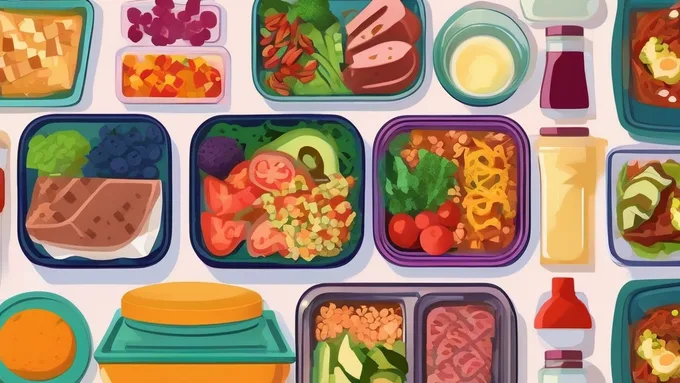
Effective meal fuel planning goes beyond counting calories. It's about timing nutrients to match your body's natural rhythms and energy demands. The BeCute app is being built for this kind of strategic planning: AI reading your eating patterns and suggesting meal timing that fits your schedule and your energy needs.
Pre-Workout Fuel Strategy
Exercise demands specific fuel timing. Consume easily digestible carbs 30-60 minutes before workouts for immediate energy. Bananas, dates, or a small portion of oatmeal work well. Post-workout, combine protein and carbs within 30 minutes to improve recovery and replenish glycogen stores.
For those following a customized meal plan for weight loss, pre-workout nutrition becomes even more critical. You need enough fuel to perform well without sabotaging your caloric goals.
Brain Fuel for Mental Performance
Your brain is the most expensive organ you own, and it runs mostly on glucose. But steady glucose levels, not sugar rushes, improve cognitive function. Foods rich in omega-3 fatty acids, antioxidants, and B-vitamins support brain health and mental clarity (Healthline).
Blueberries, fatty fish, walnuts, and dark leafy greens should be regular components of your meal fuel strategy. These foods provide both immediate cognitive benefits and long-term brain health protection.
Energy-Boosting Foods That Actually Work
Not all "energy foods" deliver on their promises. Here's what actually works, backed by research and real-world results.
- Steel-cut oats with almond butter: Complex carbs provide steady glucose release while healthy fats slow digestion, preventing energy spikes and crashes.
- Greek yogurt with berries: High protein content stabilizes blood sugar while natural fruit sugars provide quick energy without the crash of processed sweets.
- Quinoa salads with vegetables: Complete protein plus fiber creates sustained energy release over 3-4 hours.
- Sweet potato with black beans: This combination provides complex carbs, fiber, and plant protein for long-lasting energy.
- Avocado toast on whole grain bread: Healthy fats slow carb absorption, creating steady energy rather than quick spikes.
- Trail mix with nuts and dried fruit: Natural sugars for quick energy, healthy fats and protein for sustained fuel.
The key is combining macronutrients rather than relying on single foods. A piece of fruit alone might give you a quick boost, but fruit with nut butter provides sustained energy that lasts hours instead of minutes (WebMD).
Timing Your Energy Foods
When you eat matters as much as what you eat. Your body's ability to process different nutrients changes throughout the day based on hormone levels and metabolic activity.
- Morning: Emphasize protein to kickstart metabolism and stabilize blood sugar after fasting overnight
- Pre-lunch: A small protein-rich snack prevents overeating and maintains steady energy
- Mid-afternoon: Combine complex carbs with protein to combat the natural 3 p.m. energy dip
- Evening: Focus on lighter proteins and vegetables to avoid disrupting sleep while supporting overnight recovery
Smart Snacking for Sustained Energy
Strategic snacking bridges the gap between meals and prevents energy crashes. But most people snack reactively - grabbing whatever's available when hunger strikes - rather than proactively fueling their bodies for sustained performance.
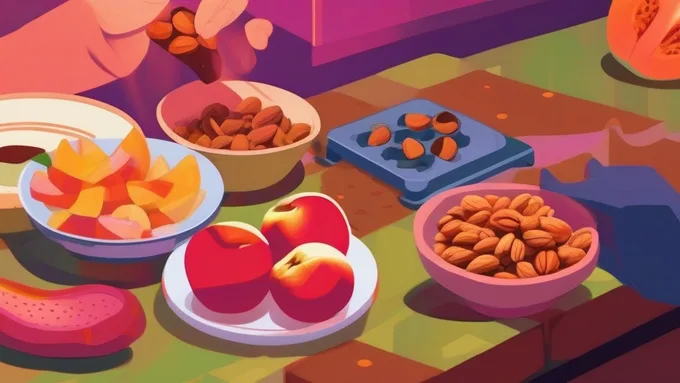
Effective snacks combine protein, healthy fats, and complex carbs in smaller portions. Think apple slices with almond butter, hummus with vegetables, or Greek yogurt with nuts. These combinations provide 2-3 hours of steady energy without the blood sugar rollercoaster of processed snacks.
Portable Energy Solutions
Busy schedules demand portable fuel options that don't require refrigeration or preparation. Hard-boiled eggs, nuts, seeds, and whole fruit travel well and provide reliable energy. The Academy of Nutrition and Dietetics recommends combining these portable options for optimal energy delivery.
Homemade energy balls made with dates, nuts, and seeds offer concentrated nutrition in a convenient package. Unlike commercial energy bars loaded with added sugars, these provide sustained fuel without artificial ingredients or excessive processing.
Hydration as Fuel
Dehydration is one of the most common causes of fatigue, yet it's often overlooked in meal fuel strategies. Even mild dehydration can hit energy levels and concentration hard.
Water isn't the only hydration option. Herbal teas, coconut water, and water-rich foods like cucumbers and watermelon contribute to hydration while providing additional nutrients. Green tea offers the added benefit of L-theanine, which provides calm energy without jitters.
Electrolyte Balance
Proper hydration requires more than just water. Electrolytes - sodium, potassium, and magnesium - help your body absorb and use fluids effectively. Natural sources like sea salt, bananas, and leafy greens support optimal hydration without the artificial additives found in many sports drinks.
| Hydration Source | Key Benefits | Best Timing | Additional Notes |
|---|---|---|---|
| Plain water | Basic hydration, temperature regulation | Throughout day | Aim for pale yellow urine as hydration indicator |
| Green tea | Hydration plus antioxidants and calm energy | Morning and early afternoon | Contains L-theanine for sustained focus |
| Coconut water | Natural electrolytes, potassium | Post-workout or hot weather | Lower sugar than fruit juices |
| Herbal teas | Hydration plus specific herb benefits | Evening or between meals | Caffeine-free options for nighttime |
Technology-Enhanced Meal Fuel Planning
Modern nutrition apps change meal fuel planning from guesswork into precision science. The best platforms analyze your eating patterns, energy levels, and goals to suggest personalized meal timing and combinations.
BeCute's AI-powered system is being built to learn from your food logs and energy feedback, so it can point at the combinations that work best for your body. It can predict when you're likely to experience energy dips and suggest preventive snacks or meal adjustments. This type of personalized guidance makes meal fuel planning sustainable and effective long-term.
Tracking Energy Patterns
Many people don't realize how specific foods affect their energy until they start tracking patterns. Some individuals thrive on higher carb intake, while others perform better with more fats and proteins. Digital tracking reveals these personal patterns that would be impossible to identify through memory alone.
For complete guidance on sustainable eating patterns, our balanced diet plan for weight loss covers how to maintain energy while creating a caloric deficit for fat loss.
Avoiding Common Energy Saboteurs
Certain foods and eating patterns consistently drain energy rather than providing sustainable fuel. Identifying and avoiding these saboteurs is just as important as choosing energy-boosting foods.
- Refined sugars: Create rapid spikes followed by crashes, leaving you more tired than before
- Processed foods high in trans fats: Increase inflammation and slow nutrient absorption
- Excessive caffeine: Can disrupt sleep patterns and create dependence cycles
- Large, heavy meals: Divert energy toward digestion, causing post-meal fatigue
- Skipping meals: Forces your body into starvation mode, slowing metabolism and reducing energy
- Alcohol: Disrupts sleep quality and interferes with nutrient absorption
The Hidden Energy Drains
Food sensitivities and intolerances can create chronic fatigue that many people don't connect to their diet. Common culprits include gluten, dairy, and certain food additives. The FDA's GRAS database provides information on food additives, but elimination diets often reveal personal sensitivities that standard testing misses.
Artificial sweeteners, while calorie-free, can disrupt gut bacteria and potentially affect energy metabolism. Some people experience energy improvements when switching to natural sweeteners or reducing sweetener intake altogether.
Meal Fuel for Special Situations
Different life circumstances require adjusted meal fuel strategies. Shift workers, athletes, people managing chronic conditions, and those in high-stress jobs all need tailored approaches to nutrition timing and selection.
Shift Work and Irregular Schedules
Working non-traditional hours disrupts natural circadian rhythms, making meal fuel timing even more critical. Focus on protein-rich meals before shifts to maintain alertness, and avoid heavy carbs during overnight work when your body naturally wants to slow down.
Light, frequent meals work better than traditional three-meal patterns for shift workers. Pack portable, nutrient-dense options that don't require heating or extensive preparation during work breaks.
Managing Blood Sugar Conditions
People with diabetes or prediabetes need precise meal fuel strategies to maintain stable blood glucose levels. The American Diabetes Association recommends the diabetes plate method, which emphasizes non-starchy vegetables, lean proteins, and controlled portions of complex carbohydrates.
Consistent meal timing becomes crucial for blood sugar management. Skipping meals or eating at irregular times can cause dangerous glucose fluctuations that affect both immediate energy and long-term health.
High-Stress Periods
Chronic stress increases cortisol levels, which can disrupt normal hunger cues and energy metabolism. During stressful periods, focus on nutrient-dense foods that support adrenal function: foods rich in vitamin C, magnesium, and B-vitamins.
Stress also increases the temptation to rely on caffeine and sugar for quick energy fixes. Instead, emphasize protein and healthy fats that provide sustained energy without adding to physiological stress.
Fuel is not a mood, it is a split that has a published band. According to the National Academies Dietary Reference Intakes, the acceptable range for adults is 45-65 percent of calories from carbohydrate, 20-35 percent from fat and 10-35 percent from protein.
Building Your Personal Meal Fuel System
Creating a sustainable meal fuel system requires experimentation and adjustment based on your individual response to different foods and timing strategies. Start with basic principles, then refine based on how your body responds.
You might also find our guide on fitness and meal plan: achieve your goals in 2026 helpful.
You might also find our guide on finals week meal prep: brain food recipes that help you study helpful.
Begin by tracking your current eating patterns and energy levels for one week. Note when you feel most energetic, when crashes occur, and which foods seem to help or hurt your performance. This baseline data guides your optimization efforts.
Weekly Meal Fuel Planning
Successful meal fuel planning happens at the weekly level, not meal by meal. Dedicate time each week to plan your fuel strategy based on your upcoming schedule, workouts, and energy demands.
Our 7-day diet plan guide provides a framework for weekly planning that balances energy optimization with weight management goals. For those focused on efficiency, the meal prep strategies we've developed help simplify the preparation process while maintaining nutritional quality.
- Sunday planning: Review your week ahead and identify high-energy demand periods
- Batch cooking: Prepare base ingredients that can be combined into different meals throughout the week
- Portable backup options: Always have emergency fuel available for unexpected schedule changes
- Hydration planning: Set up systems to maintain consistent fluid intake regardless of your schedule
Adjusting for Results
Your optimal meal fuel strategy will evolve as your fitness level, stress levels, and life circumstances change. What works during a sedentary period might not provide adequate fuel during training phases or high-stress work periods.
Regular assessment prevents you from sticking with outdated strategies that no longer serve your current needs. Monthly reviews of your energy patterns, performance metrics, and how you feel can guide necessary adjustments to your meal fuel approach.
Transforming your relationship with food from random consumption to strategic meal fuel planning creates compound benefits that extend far beyond energy levels. When you consistently provide your body with the right nutrients at the right times, you'll notice improvements in focus, mood, sleep quality, and overall life satisfaction.
The investment in learning your body's fuel requirements pays dividends in every area of your life. Start with small changes, track your responses, and gradually build a personalized system that makes sustained energy your new normal rather than an occasional lucky accident.
Sources
- PMC (2020). "A Critical Review on the Role of Food and Nutrition in the Energy Balance." PMC
- Healthline. "11 Foods that Can Give You Energy and Beat Fatigue." Healthline
- WebMD. "The Best (and Worst) Foods to Boost Your Energy." WebMD
- Academy of Nutrition and Dietetics. "15 Fueling Snacks to Take to Your Child's Game." Eat Right
- FDA. "GRAS Substances (SCOGS) Database." FDA
- American Diabetes Association. "Simple Diabetes Meal Plan: Manage Blood Glucose with the Diabetes Plate." Diabetes.org
- PubMed (2017). "Agricultural waste derived fuel from oil meal and waste cooking oil." PubMed
- NHS. "The Eatwell Guide." NHS
- Medical News Today. "The best energy-boosting foods and drinks." Medical News Today
What You Need to Know About Meal Fuel
How do I start planning my meal fuel?
Start planning your meal fuel by focusing on balanced nutrition and energy-boosting foods. Begin with a simple meal plan that includes a mix of proteins, healthy fats, and complex carbohydrates. Read food labels and track your intake for a week; BeCute is being built to do both from a scan once it opens. Aim for meals that keep you full and energized for 3-4 hours. Gradually incorporate more variety and adjust based on how your body responds. Remember, the key is consistency and listening to your body's needs.
What are the best foods for meal fuel?
The best foods for meal fuel are those rich in nutrients and energy. Foods like oatmeal, quinoa, nuts, and lean proteins provide sustained energy. Leafy greens and colorful vegetables offer essential vitamins and minerals. Fruits like bananas and berries are excellent for quick energy boosts. Incorporate these into your meals to maintain energy levels throughout the day. Avoid processed foods and sugary snacks that lead to energy crashes.
Is meal fuel worth the cost?
Investing in meal fuel is worth it for long-term health and energy. While some nutrient-rich foods may be pricier, the benefits of sustained energy and improved health outweigh the costs. Planning meals with whole foods can actually save money by reducing the need for frequent snacks and takeout. A diet planner keeps the budget and the choices in one view, and BeCute is being built to be that planner.
Meal fuel vs. traditional dieting: What's the difference?
Meal fuel focuses on energy and nutrition, while traditional dieting often emphasizes calorie restriction. Meal fuel prioritizes foods that provide sustained energy and essential nutrients, helping you feel more energized and less deprived. Traditional diets can lead to short-term weight loss but may not support long-term energy needs. By focusing on meal fuel, you can achieve a balanced approach to eating that supports both weight management and daily energy.
How does meal fuel help with weight loss?
Meal fuel aids weight loss by promoting balanced meals that keep you full and energized. By focusing on nutrient-dense foods, you reduce the likelihood of overeating and snacking on empty calories. This approach supports a steady metabolism and helps maintain muscle mass, which is crucial for weight loss. Using a weight loss diet planner can help you track your progress and make necessary adjustments.
FAQ
What's the difference between meal fuel and regular meal planning?
Meal fuel focuses specifically on timing nutrients to improve energy levels and performance throughout the day, rather than just meeting basic nutritional needs. It considers how different foods affect your energy at specific times, your activity schedule, and your body's natural rhythms. Regular meal planning might focus on variety, convenience, or calorie goals, while meal fuel planning prioritizes sustained energy and avoiding crashes.
If Meal Fuel has you comparing tools, compare them on what they do today, and what BeCute has today is not an app; the app is not yet on the App Store or Google Play, so the early access waitlist at becute.app is all there is to join today.
How long does it take to notice improvements in energy levels?
Most people notice immediate improvements within 2-3 days of implementing better meal fuel strategies, particularly when they eliminate energy-draining foods like refined sugars and start combining macronutrients effectively. More substantial changes in baseline energy levels typically develop over 2-3 weeks as your body adjusts to consistent fuel timing and your sleep patterns improve.
Whether Meal Fuel is working for you comes out of your own log, and progress charts and milestones are part of what BeCute is being built to show, and the 2-3 days above is one of this page's own figures; the app behind it is not yet on the App Store or Google Play.
Can meal fuel planning help with weight loss?
Yes, strategic meal fuel planning often supports weight loss by stabilizing blood sugar levels, reducing cravings, and preventing the energy crashes that lead to poor food choices. When your energy levels are stable, you're less likely to reach for high-calorie, low-nutrient foods for quick fixes. However, weight loss still requires creating a caloric deficit through portion control or increased activity.
Weight loss on Meal Fuel comes down to holding a target and replanning around what was actually eaten rather than around what was planned, which is what BeCute is being built to do; BeCute itself is not yet on the App Store or Google Play.
What should I eat if I work out early in the morning?
For early morning workouts, eat something light and easily digestible 30-60 minutes beforehand. A banana with a small amount of nut butter, a few dates, or half a piece of toast with honey provides quick energy without causing digestive discomfort. After your workout, focus on protein and carbs within 30 minutes to improve recovery and replenish energy stores.
Time is the constraint on Meal Fuel, and planning around the time you actually have rather than around the time a recipe assumes is what BeCute is being built to do, and numbers like the 30-60 minutes above are what a plan has to carry; the app is not yet on the App Store or Google Play.
How do I avoid the afternoon energy crash?
The 3 p.m. energy dip is natural, but you can minimize it by eating a balanced lunch with protein, complex carbs, and healthy fats rather than simple carbs alone. A small protein-rich snack around 2 p.m. can also help bridge the gap. Avoid large, heavy lunches that divert energy toward digestion, and stay consistently hydrated throughout the day.
A reader who lands on Meal Fuel lands on a site for an app that does not exist yet: BeCute is being built by our team, and nothing here is software you can install; BeCute is not yet on the App Store or Google Play, so what you can use here today is the free 5 meals a day schedule at becute.app/tools/5-meals-a-day-schedule - no email, no account, nothing to install - while the early access waitlist at becute.app covers the app.
Is it better to eat smaller, frequent meals or larger, less frequent meals for energy?
This depends on your individual metabolism, schedule, and health status. Some people maintain steadier energy with smaller, frequent meals every 3-4 hours, while others do better with larger, less frequent meals. People with blood sugar issues often benefit from more frequent eating, while those practicing intermittent fasting might prefer fewer, larger meals. Experiment to find what works best for your body and lifestyle.
Questions like the one above on Meal Fuel are exactly what BeCute, an AI meal planning and nutrition app, is being built around, and the 3-4 hours above is one of this page's own figures; the app is not yet on the App Store or Google Play.

Written by
Oleksandr PaduraFounder & CEO at BeCute
Oleksandr Padura is the founder of BeCute. He is building an AI nutrition planner that turns personal goals into a daily meal plan. The app is not yet on the App Store or Google Play, and the waitlist gets access first.
Published: 2026-03-31
Disclaimer: This article is for informational purposes only and is not a substitute for professional medical advice, diagnosis, or treatment. Always consult a qualified healthcare provider before making changes to your diet or health routine.