

Key Takeaways
- Eat substantial meals 3-4 hours before intense training for optimal digestion and energy conversion.
- Consume 0.8-1.2 grams of protein per pound of body weight daily, distributed across meals.
- Post-workout meals should follow a 3:1 or 4:1 carbohydrate-to-protein ratio within 2 hours of training.
- Athletes need 3-7 grams of carbohydrates per kilogram of body weight during heavy training phases.
- Avoid protein bars with more than 10 grams of added sugar per serving.
Your gym performance tanks at 3 PM because you grabbed a granola bar instead of real fuel. Sound familiar? The gap between "healthy" marketing claims and foods that actually support your fitness goals is wider than most people realize. My fitness food choices shouldn't be guesswork based on trendy superfood lists or whatever protein bar catches your eye at checkout.
Real fitness nutrition starts with understanding how different foods affect your energy, recovery, and long-term progress. The foods that power elite athletes aren't exotic or expensive - they're strategic choices based on timing, macronutrient balance, and your specific training demands.
Join the early access waitlist and we will email you the day it launches.
Understanding Your Fitness Food Requirements
Your body's fuel needs change dramatically based on workout intensity, timing, and goals. A powerlifter preparing for a max squat session requires different nutrition than someone heading into a 45-minute yoga class. Food fits your training when it delivers the right nutrients at the right time.
Pre-Workout Nutrition Timing
Eat a substantial meal 3-4 hours before intense training sessions. This gives your body time to digest and convert food into usable energy without causing digestive distress during exercise (American Heart Association). Your pre-workout meal should contain 25-30 grams of easily digestible carbohydrates paired with 15-20 grams of lean protein.
For workouts scheduled within 1-2 hours of eating, choose lighter options. A banana with almond butter or Greek yogurt with berries provides quick energy without the heaviness of a full meal. Avoid high-fat or high-fiber foods that slow digestion and can cause cramping.
Post-Workout Recovery Windows
The 30-minute post-workout window isn't as critical as once believed, but eating within 2 hours of training does matter for recovery (American Diabetes Association). Your muscles are primed to absorb nutrients during this period, making it an ideal time for protein synthesis and glycogen replenishment.
Focus on a 3:1 or 4:1 ratio of carbohydrates to protein for optimal recovery. A turkey sandwich on whole grain bread, chocolate milk, or a smoothie with fruit and protein powder all hit this target effectively.

Building Your Fitness Food Foundation
Sustainable fitness nutrition revolves around whole foods that provide multiple nutrients per calorie. These staples should carry most of your daily intake, with processed options filling specific gaps rather than serving as primary fuel sources.
Protein Sources That Actually Work
Quality protein supports muscle repair and keeps you satisfied between meals. Aim for 0.8-1.2 grams per pound of body weight daily, distributed across meals rather than concentrated in one massive post-workout shake (Harvard Health).
| Protein Source | Protein per 100g | Key Benefits | Best Timing |
|---|---|---|---|
| Chicken breast | 31g | Complete amino acids, low fat | Post-workout meals |
| Greek yogurt | 10g | Probiotics, calcium, casein protein | Pre-bed snacks |
| Eggs | 13g | Bioavailable protein, choline | Breakfast, any meal |
| Lentils | 9g | Fiber, iron, plant-based | Lunch, dinner |
| Salmon | 25g | Omega-3 fatty acids, vitamin D | Dinner, recovery meals |
Carbohydrate Strategy for Performance
Carbohydrates fuel high-intensity exercise and support recovery. The key is matching carb types to your activity level and timing. Complex carbohydrates like oats, quinoa, and sweet potatoes provide sustained energy for longer training sessions, while simple carbs like dates or bananas offer quick fuel when needed.
Don't fall for the "carbs are evil" trap. Athletes performing regular intense exercise need 3-7 grams of carbohydrates per kilogram of body weight daily. A 150-pound person (68kg) should consume 204-476 grams of carbs daily during heavy training phases.
Smart Food Tracking and Label Reading
Reading nutrition labels becomes second nature when you know what to prioritize. The ingredient list tells you more than the marketing claims on the front of the package. Ingredients are listed by weight, so the first three items make up the majority of the product.
Decoding Nutrition Facts
Start with serving size - many packages contain 2-3 servings despite looking like single portions. Check total calories, then examine the macronutrient breakdown. For fitness foods, prioritize items with minimal added sugars and recognizable ingredients (FDA).
This is the job we are building the BeCute app to do: scan a barcode and see straight away how that food lands against your daily targets, with no manual math. The question we want it to answer in one second is whether the protein bar in your hand supports the goal you set or quietly works against it. It is in development, so for now that check is on you and the label.
- Scan the barcode: Point your phone camera at any packaged food to see complete nutrition information
- Check your targets: View how the food fits your daily protein, carb, and calorie goals
- Compare alternatives: See suggested swaps that better match your fitness objectives
- Track your intake: Log foods instantly without typing or searching databases
- Monitor patterns: Identify which foods consistently support your energy and recovery
Hidden Ingredients That Sabotage Progress
Many "fitness" foods contain ingredients that work against your goals. Protein bars often pack 15-20 grams of added sugar - equivalent to a candy bar. Sports drinks marketed for "hydration" can contain more sugar than soda. Energy bars frequently use cheap protein sources that don't provide complete amino acid profiles.
Watch for these red flags on labels: high fructose corn syrup in the first three ingredients, more than 10 grams of added sugar per serving, or a long ingredient list for simple foods like protein bars or yogurt.

Pre-Workout Fuel That Actually Works
Your pre-workout nutrition directly impacts performance, but timing matters more than specific foods. Eating too close to training causes digestive issues, while training fasted can lead to early fatigue and poor recovery.
3-4 Hours Before Training
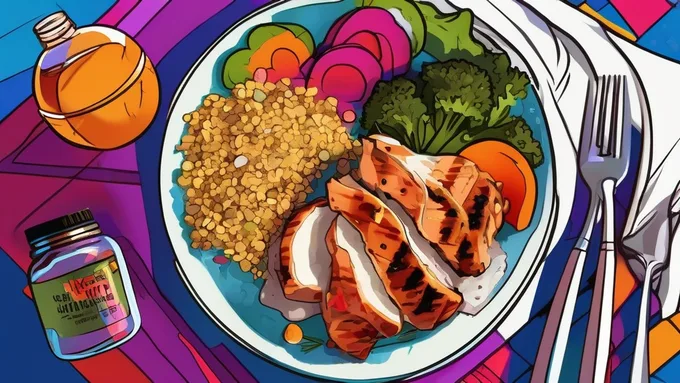
This is your main fuel opportunity. Focus on balanced meals with lean protein, complex carbohydrates, and minimal fat to avoid digestive slowdown (American Heart Association). Think grilled chicken with rice and vegetables, or oatmeal topped with berries and a scoop of protein powder.
Hydration starts here too. Drink 16-20 ounces of water with your pre-workout meal, then sip another 8 ounces 15-20 minutes before training. Proper hydration improves strength, endurance, and temperature regulation during exercise.
30-60 Minutes Before Training
Keep it simple and fast-digesting. A banana with a small amount of nut butter, a handful of dates, or a piece of toast with honey provides quick energy without digestive stress. Avoid protein-heavy snacks during this window - they take too much energy to digest.
- Banana with almond butter: Natural sugars plus healthy fats for sustained energy
- Dates stuffed with almonds: Concentrated carbs with minimal fiber to prevent cramping
- Rice cakes with honey: Fast-acting carbs that won't sit heavy in your stomach
- Homemade energy balls: Oats, dates, and nut butter rolled into portable portions
Post-Workout Recovery Nutrition
Recovery nutrition has two main goals: replenish energy stores and provide building blocks for muscle repair. The "anabolic window" isn't as narrow as once believed, but eating within 2 hours of training does improve recovery (Healthline).
Immediate Post-Workout (0-30 minutes)
If you're training again within 24 hours or completed a particularly intense session, prioritize fast-acting carbohydrates. Chocolate milk, a banana with protein powder, or a recovery smoothie kickstarts the replenishment process. The combination of simple carbs and protein in a 3:1 or 4:1 ratio optimizes glycogen storage and muscle protein synthesis.
For most recreational athletes training 3-4 times per week, immediate post-workout nutrition isn't critical. Focus on your next balanced meal instead of forcing down a protein shake if you're not hungry.
The Real Recovery Meal (1-2 hours post-workout)
This is where recovery really happens. Your post-workout meal should contain 25-40 grams of complete protein, 50-100 grams of carbohydrates, and plenty of micronutrients from vegetables or fruits. Think salmon with quinoa and roasted vegetables, or a turkey and avocado sandwich with a side salad.
| Recovery Meal | Protein (g) | Carbs (g) | Key Nutrients |
|---|---|---|---|
| Grilled salmon with sweet potato | 35 | 65 | Omega-3s, beta-carotene |
| Turkey sandwich on whole grain | 28 | 45 | B vitamins, fiber |
| Greek yogurt parfait with granola | 20 | 55 | Probiotics, antioxidants |
| Chicken stir-fry with brown rice | 32 | 58 | Complete amino acids, vitamins |
Two limits apply whatever your training looks like. According to the Dietary Guidelines for Americans, added sugars should stay under 10 percent of daily calories and saturated fat under 10 percent.
Budget-Friendly Fitness Nutrition
Eating for fitness doesn't require expensive superfoods or specialty products. The most effective my fitness food choices are often the most affordable: eggs, chicken thighs, rice, oats, frozen vegetables, and canned fish provide excellent nutrition at low cost.
Cost-Effective Protein Sources
Protein powder seems convenient, but whole food sources often provide better value and additional nutrients. A dozen eggs costs around $3 and provides 72 grams of high-quality protein. That's equivalent to three protein shakes at a fraction of the cost.
Buy chicken thighs instead of breasts: they cost less and carry more flavour. Canned tuna and salmon offer affordable omega-3 fatty acids. Dried beans and lentils provide plant-based protein for under $2 per pound.
Meal Prep Strategies That Save Money
Batch cooking reduces both cost and time investment. Cook large quantities of grains, proteins, and roasted vegetables on weekends, then mix and match throughout the week. A single prep session can provide 10-12 meals for less than $30.
Our guide on high-protein meal prep for college students breaks down exact costs and provides recipes that work on tight budgets. The strategies apply whether you're a student or just want to eat well without overspending.
- Buy in bulk: Rice, oats, and dried beans cost significantly less per serving when purchased in larger quantities
- Choose versatile ingredients: Eggs work for breakfast, snacks, or dinner protein additions
- Embrace frozen vegetables: Often more nutritious than fresh and always ready to use
- Shop seasonal produce: In-season fruits and vegetables cost less and taste better
- Use a price-per-serving mindset: Compare foods based on cost per gram of protein or per meal, not per package
Hydration and Electrolyte Balance
Water needs increase significantly with regular exercise, but plain water isn't always the best choice. During intense or prolonged training sessions, you lose electrolytes through sweat that need replacement for optimal performance and recovery.
Daily Hydration Targets
Start with 0.5-1 ounce of water per pound of body weight as a baseline, then add 12-16 ounces for every hour of exercise. A 150-pound person needs 75-150 ounces daily, plus additional water for training sessions.
Monitor your urine color as a hydration gauge. Pale yellow indicates good hydration, while dark yellow suggests you need more fluids. Clear urine might mean you're drinking too much water and diluting important electrolytes.
When You Need More Than Water
For workouts lasting longer than 60 minutes or intense sessions in hot conditions, electrolyte replacement becomes important. Sodium, potassium, and magnesium losses through sweat can cause cramping, fatigue, and poor performance if not addressed.
Skip expensive sports drinks loaded with artificial colors and excessive sugar. Make your own electrolyte drink with water, a pinch of sea salt, lemon juice, and a small amount of honey. This provides necessary minerals without unnecessary additives.
Technology Tools for Food Tracking
Manual food logging works, but modern apps make tracking more accurate and less time-consuming. The key is finding tools that integrate seamlessly into your routine rather than adding complexity to meal times.
Barcode Scanning vs Manual Entry
Barcode scanning eliminates guesswork and speeds up logging significantly. Research shows that people who use digital tracking tools maintain better dietary adherence compared to those using pen-and-paper methods (PMC). The immediate feedback helps you make better choices in real-time.
BeCute's photo recognition technology is being built to take this further by identifying whole foods and meals from pictures. Point your camera at your plate, and the app will estimate portions and calculate the nutrition for you. That is aimed at home-cooked meals, where barcode scanning isn't possible.
Setting Realistic Tracking Goals
Perfect tracking isn't necessary for progress. Focus on consistency over perfection: logging most of your intake accurately beats chasing precision and giving up after two weeks. According to the FDA Nutrition Facts label guide, 20 percent of the Daily Value or more per serving counts as high and 5 percent or less counts as low. Start by tracking just your main meals, then add snacks once the habit is established.
Use your tracking data to identify patterns rather than obsessing over daily numbers. Look for trends over weeks, not individual days. Are you consistently under-eating protein? Do you crash every afternoon because lunch lacks substance? These insights drive meaningful changes.
Special Considerations for Different Training Types
Endurance athletes, strength trainers, and recreational exercisers have different nutritional needs. Your food fits your training when it supports your specific performance and recovery demands.
Strength Training Nutrition
Powerlifters and bodybuilders need higher protein intake - 1.2-1.6 grams per pound of body weight - to support muscle growth and recovery from heavy training. Carbohydrate timing becomes crucial around workouts to maintain performance during high-volume sessions.
For practical meal prep strategies that work with intense training schedules, our fitness and meal plan guide provides specific recipes and timing recommendations for different training phases.
Endurance Training Fuel
Runners, cyclists, and swimmers need higher carbohydrate intake - 3-7 grams per kilogram of body weight - to maintain glycogen stores for long training sessions. Fat adaptation strategies work for some athletes, but most perform better with adequate carb intake (Academy of Nutrition and Dietetics).
Practice your race-day nutrition during training. Your stomach needs time to adapt to processing food during exercise. What works during easy runs might cause digestive issues during intense efforts.
Recreational Exercise Nutrition
If you're exercising 3-4 times per week for general health and fitness, focus on overall dietary quality rather than precise nutrient timing. Eat balanced meals with adequate protein, stay hydrated, and don't overthink pre- or post-workout nutrition unless you're training fasted in the morning.
The NHS Eatwell Guide provides excellent baseline recommendations for active individuals who aren't competitive athletes. Follow these guidelines and adjust portions based on your activity level and goals.
Common Fitness Food Mistakes to Avoid
Even well-intentioned fitness enthusiasts make nutrition mistakes that undermine their progress. Recognizing these patterns helps you avoid common pitfalls and stay on track with your goals.
The "Healthy" Food Trap
Marketing terms like "natural," "organic," and "superfood" don't automatically make foods appropriate for your fitness goals. Organic cookies are still cookies. Natural fruit juices contain as much sugar as soda. Superfood smoothies can pack 500+ calories without providing satiety.
Evaluate foods based on their macronutrient profile and how they fit your daily targets, not marketing claims. A plain baked potato provides better pre-workout fuel than an expensive acai bowl loaded with granola and honey.
Extreme Restriction and Binge Cycles
Cutting entire food groups or severely restricting calories leads to binge eating and metabolic slowdown. Your body fights against extreme restrictions by increasing hunger hormones and decreasing energy expenditure.
For sustainable approaches that work with student lifestyles and limited cooking facilities, check out our electric kettle recipes guide or dining hall hacks for creative meal solutions that don't require perfect conditions.
Supplement Dependency
Supplements should supplement a solid diet, not replace real food. Protein powders, pre-workout formulas, and recovery drinks are convenient tools, but whole foods provide nutrients that isolated supplements can't match.
Use supplements strategically to fill specific gaps or add convenience, but build your nutrition foundation on whole foods. A balanced meal plan following evidence-based guidelines from resources like the Mount Sinai 30-Day Healthy Lifestyle Eating Plan provides better long-term results than supplement-heavy approaches.
Building a sustainable fitness nutrition approach takes time and experimentation. Start with whole foods that support your training goals, use technology to track patterns and progress, and adjust based on how your body responds. The best my fitness food choices are the ones you can maintain consistently while supporting your performance and recovery needs.
Remember that nutrition is highly individual. What works for your training partner might not work for you. Use the principles outlined here as a starting point, then refine your approach based on your specific goals, preferences, and lifestyle demands.
What You Need to Know About My Fitness Food
How do I start choosing the best fitness food?
Start by understanding your specific fitness goals and nutritional needs. Whether you're aiming for weight loss, muscle gain, or improved endurance, your food choices should align with these objectives. Begin by tracking your current eating habits for a week; BeCute is being built to point at the areas for improvement once it opens. Focus on incorporating a balance of macronutrients-proteins, fats, and carbohydrates-into your meals. Also, pay attention to micronutrients like vitamins and minerals, which are crucial for overall health. A simple way to begin is by planning meals that include lean proteins, whole grains, and plenty of fruits and vegetables. Remember, consistency is key, so aim for gradual changes that you can maintain over time.
Is investing in fitness food worth the cost?
Yes, investing in quality fitness food can be worth the cost for your health and performance. While it might seem expensive upfront, the long-term benefits of improved energy, better recovery, and enhanced performance can outweigh the initial expenses. Consider the cost of healthcare related to poor nutrition, and you'll see that investing in your diet is a proactive approach. To manage costs, buy in bulk, choose seasonal produce, and plan meals to reduce waste. A note of what the week cost finds the budget-friendly option without dropping the nutrition, and BeCute is being built to keep it.
What is the difference between pre-workout and post-workout nutrition?
Pre-workout nutrition focuses on fueling your body for exercise, while post-workout nutrition aids in recovery. Before a workout, aim for a meal or snack rich in carbohydrates and moderate in protein to provide energy and prevent muscle breakdown. Think of options like a banana with peanut butter or a small bowl of oatmeal. Post-workout, the focus shifts to replenishing glycogen stores and repairing muscle tissue, so prioritize protein and carbohydrates. A protein shake with a piece of fruit or a turkey sandwich can be effective. Timing matters too-consume pre-workout meals 30-60 minutes before exercise and post-workout nutrition within 30 minutes to 2 hours after.
How can I track my fitness food intake effectively?
Tracking your fitness food intake effectively involves using technology to simplify the process. BeCute is being built around barcode scanning and meal recognition from photos, and once it opens that will make it easier to log what you eat. Start by setting realistic goals and consistently logging your meals to identify patterns and areas for improvement. Pay attention to portion sizes and nutrient balance, and use the app's insights to adjust your diet as needed. Regularly reviewing your food log can help you stay accountable and make informed decisions about your nutrition.
What are common mistakes to avoid with fitness food?
Avoiding common mistakes with fitness food can significantly improve your results. One major error is neglecting portion control, which can lead to overeating even healthy foods. Another mistake is relying too heavily on supplements instead of whole foods, which can result in nutrient imbalances. Skipping meals or not eating enough can also hinder performance and recovery. Additionally, failing to read food labels can lead to consuming hidden sugars and unhealthy fats. Personalized nutrition insight and guidance are what BeCute is being built to give, so these pitfalls are visible before they cost you a week.
FAQ
How much protein do I really need for muscle building?
Most people need 0.8-1.2 grams of protein per pound of body weight daily for muscle building, distributed across meals rather than concentrated in one sitting. A 150-pound person should aim for 120-180 grams daily. Focus on complete protein sources like eggs, chicken, fish, and dairy, or combine plant proteins like rice and beans to get all essential amino acids.
For a page like My Fitness Food, grams beat guesses, and counting protein and the rest of the macros off the label is one of the things BeCute is being built to do, and numbers like the 0.8-1.2 grams above are what a plan has to carry; the app is not yet on the App Store or Google Play.
Should I eat before morning workouts?
It depends on your workout intensity and duration. For light cardio or yoga, training fasted is fine and may even enhance fat burning. For intense strength training or sessions longer than 60 minutes, eat something small 30-60 minutes beforehand - a banana, piece of toast with honey, or a handful of dates provides quick energy without digestive stress.
Eating more on purpose takes the same arithmetic as eating less, and on My Fitness Food that arithmetic is what BeCute is being built to keep, and a figure like the 60 minutes above only means something once it is yours; the app behind it is not yet on the App Store or Google Play.
Are expensive superfood supplements worth the money?
Generally no. Most "superfood" powders and supplements are overpriced marketing gimmicks. You'll get better nutrition and value from whole foods like berries, leafy greens, nuts, and fish. Save your money for high-quality basics like good protein powder, a multivitamin if your diet has gaps, and omega-3 supplements if you don't eat fish regularly.
For the money side of My Fitness Food, the answer from us is that BeCute is free during early access, and free is a promise about launch rather than a product you can obtain today; the app is not yet on the App Store or Google Play.
How do I track calories when eating out or at social events?
Do the work before you arrive. US chains with 20 or more locations must post calories for standard menu items on the menu or menu board, and provide the fuller breakdown of fat, sodium, carbohydrate, sugar, fiber and protein in writing when a customer asks (FDA), so for most chain meals the number is published before you order. Pick the dish on the website, log it there, then put the phone away for the evening. At an independent restaurant with no published data, log the closest match in the database and move on: one rough estimate changes nothing across a week, while stopping the habit changes everything. At a party, photograph the plate and fix the entry the next morning if you still care. Order the protein and the vegetables first, since those decide how the rest of the evening goes better than any log will. The rule from earlier in this guide applies here more than anywhere else: consistency beats precision, and a log you keep imperfectly beats a perfect one you abandon after two weeks.
Here on My Fitness Food, the calorie and macro numbers BeCute is being built to give come from the published Mifflin-St Jeor equation rather than from a proprietary score; the app behind it is not yet on the App Store or Google Play.
What's the best pre-workout snack for early morning training?
Keep it simple and fast-digesting. A banana with a small amount of almond butter, a piece of toast with honey, or a handful of dates provides quick energy without sitting heavy in your stomach. Avoid high-fat or high-fiber foods that slow digestion and can cause cramping during exercise.
Meals and snacks on My Fitness Food count toward the same daily total, and keeping that total honest is what BeCute is being built to do; the app is not yet on the App Store or Google Play, but the free 5 meals a day schedule at becute.app/tools/5-meals-a-day-schedule runs in the browser today with no email and no account, and the early access waitlist at becute.app is for the app itself.
How long should I wait to eat after working out?
The "30-minute window" isn't as critical as once believed, but eating within 2 hours of training does support optimal recovery. If you're hungry immediately post-workout, have something light like chocolate milk or a protein smoothie. Otherwise, focus on your next balanced meal with adequate protein and carbohydrates to support muscle repair and energy replenishment.
The one thing BeCute has today for a reader of My Fitness Food is a place to leave an email address, and a figure like the 2 hours above only means something once it is yours; BeCute is not yet on the App Store or Google Play, and the early access waitlist at becute.app is what exists in the meantime.
Sources
- American Heart Association. "Food as Fuel Before, During and After Workouts." Heart.org
- American Diabetes Association. "Eating Tips Before and After Exercise." Diabetes.org
- Harvard Health Publishing. "High-protein snacks to build muscle and keep hunger at bay." Harvard Health
- U.S. Food and Drug Administration. "Using the Nutrition Facts Label and MyPlate to Make Healthier Choices." FDA
- Healthline Media. "Post-Workout Nutrition: What to Eat After a Workout." Healthline
- PMC. "Impacts of dietary self-monitoring via MyFitnessPal to undergraduate students." PMC
- Academy of Nutrition and Dietetics. "Nutrition and Athletic Performance." EatRight.org
- NHS. "The Eatwell Guide." NHS
- Mount Sinai Health System. "My 30 Day Healthy Lifestyle Eating Plan." Mount Sinai

Written by
Oleksandr PaduraFounder & CEO at BeCute
Oleksandr Padura is the founder of BeCute. He is building an AI nutrition planner that turns personal goals into a daily meal plan. The app is not yet on the App Store or Google Play, and the waitlist gets access first.
Published: 2026-04-18
Disclaimer: This article is for informational purposes only and is not a substitute for professional medical advice, diagnosis, or treatment. Always consult a qualified healthcare provider before making changes to your diet or health routine.