
Key Takeaways
- Adults need 1,800-2,400 calories daily, adjusted by activity level and age.
- Consume 0.8-1.2g protein per kilogram body weight, ideally 25-30g per meal.
- Dedicate 2-3 hours weekly to batch cooking grains, vegetables, and proteins.
- Athletes require 1.2-2.0g protein per kilogram body weight for muscle synthesis.
- Post-workout protein of 20-25g within 30 minutes maximizes muscle protein synthesis.
Your phone buzzes with another food delivery notification while you stare at an empty fridge, wondering why healthy eating feels so complicated. The truth is, most people fail at nutrition not because they lack willpower, but because they're flying blind without proper meal guides.
Effective meal planning transforms chaotic eating patterns into structured systems that support your health goals. Whether you're tracking calories for weight loss, building muscle through strategic protein timing, or managing a medical condition like diabetes, the right approach turns nutrition from guesswork into science.
Join the early access waitlist and we will email you the day it launches.
Why Traditional Meal Planning Falls Short
Most meal planning advice treats everyone like they have identical schedules, budgets, and preferences. Generic meal guides ignore the reality that a college student's needs differ drastically from a working parent's constraints. Personalized nutrition requires systems that adapt to your lifestyle, not rigid templates that crumble after a week.
The biggest mistake people make is creating elaborate meal plans without considering their actual cooking skills or time availability. You can't go from ordering takeout five nights a week to preparing elaborate quinoa bowls overnight. Sustainable changes start small and build momentum through consistent wins.
The Technology Gap in Nutrition Planning
Traditional meal guides rely on static information that can't respond to your changing needs. When you travel for work, get sick, or your schedule shifts, paper-based plans become useless. Modern meal planning requires tools that learn from your habits and adjust recommendations accordingly.
BeCute is being built for that gap: read the food label, keep the record of what was actually eaten, and offer an alternative you would keep. None of it is downloadable yet.
Building Your Personal Meal Guide System
Start with your current eating patterns rather than trying to overhaul everything at once. Track what you actually eat for one week without making any changes. This baseline reveals your true preferences, portion sizes, and timing patterns that any effective meal guide must accommodate.
The World Health Organization emphasizes that sustainable dietary changes should be gradual and culturally appropriate. Your meal guide should enhance your existing food culture, not replace it entirely.
Setting Realistic Nutrition Targets
Calculate your daily caloric needs based on your activity level, age, and goals. Most adults need between 1,800-2,400 calories per day, but this varies significantly based on individual factors. The FDA's MyPlate guidelines provide a solid foundation for macronutrient distribution.
Focus on these key metrics for effective meal planning:
| Nutrient | Daily Target | Best Sources | Timing Considerations |
|---|---|---|---|
| Protein | 0.8-1.2g per kg body weight | Lean meats, legumes, dairy | 25-30g per meal |
| Fiber | 25-35g daily | Vegetables, fruits, whole grains | Spread throughout day |
| Healthy Fats | Inside the published adult band | Nuts, olive oil, avocado | Include with each meal |
| Water | 8-10 cups daily | Plain water, herbal teas | Before and with meals |
Creating Flexible Meal Templates
According to the National Academies Dietary Reference Intakes, the acceptable range for adults is 45-65 percent of calories from carbohydrate, 20-35 percent from fat and 10-35 percent from protein. Develop three basic meal templates that you can modify based on available ingredients and time constraints. Each template should include a protein source, vegetables, and a complex carbohydrate. This framework provides structure while allowing for creativity and seasonal variation.
Template flexibility prevents the boredom that kills most meal plans. Instead of "chicken and broccoli every Tuesday," think "lean protein with green vegetables" which could be salmon with asparagus, turkey with Brussels sprouts, or tofu with bok choy.
Strategic Meal Prep for Busy Schedules
Batch cooking transforms meal guides from time-consuming daily decisions into efficient weekly systems. Dedicate 2-3 hours on Sunday to prepare base ingredients that combine into different meals throughout the week.
The Cleveland Clinic recommends focusing on versatile ingredients that work across multiple recipes. Cook large batches of grains, roast several types of vegetables, and prepare proteins that taste good both hot and cold.
- Choose Your Prep Day: Block 2-3 hours when you won't be interrupted. Sunday afternoon works for most people, but find what fits your schedule.
- Start with Grains: Cook rice, quinoa, or farro in large batches. These store well and form the base for multiple meals.
- Prep Vegetables: Wash, chop, and roast vegetables with different seasoning blends. Store separately to maintain freshness.
- Cook Proteins: Grill chicken breasts, bake salmon fillets, or prepare plant-based options like seasoned tofu or lentils.
- Portion and Store: Divide ingredients into glass containers. Label with contents and date to track freshness.
- Plan Assembly: Write down how ingredients combine into specific meals for each day of the week.
Smart Storage Solutions
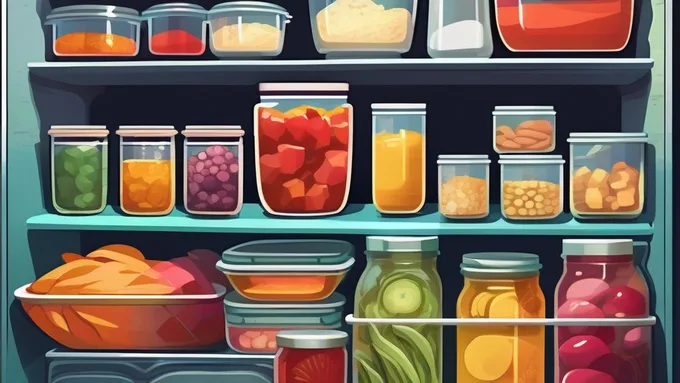
Invest in quality glass containers with tight-fitting lids. Glass doesn't absorb odors or stains like plastic, and you can reheat directly in most containers. Size variety matters - small containers for sauces and dressings, medium for individual portions, large for family meals.
Label everything with contents and preparation date. Even foods you think you'll remember become mysterious after a few days in the refrigerator. Use masking tape and permanent markers for easy identification and removal.
A guide is only useful if it points at published numbers. According to the Dietary Guidelines for Americans, added sugars should stay under 10 percent of daily calories and saturated fat under 10 percent.
Budget-Friendly Meal Guide Strategies
Effective meal guides don't require expensive specialty ingredients or organic everything. Focus your food budget on nutrient-dense whole foods rather than processed alternatives. A bag of dried beans costs less than $2 and provides protein for multiple meals.
Shop seasonally and locally when possible. Seasonal produce costs less and tastes better than out-of-season imports. Frozen vegetables retain their nutritional value and cost significantly less than fresh options during off-seasons.
Cost-Effective Protein Sources
Eggs remain one of the most affordable complete proteins at roughly $0.25 per egg. Canned fish, dried legumes, and whole chickens (which you can break down yourself) provide excellent protein value. Ground turkey often costs less than ground beef while offering similar protein content.
Buy proteins in larger quantities when they're on sale and freeze portions for later use. A whole chicken can become multiple meals: roasted breast for dinner, thighs for meal prep, bones for stock.
| Protein Source | Cost per Serving | Protein Content | Versatility Rating |
|---|---|---|---|
| Eggs (2 large) | $0.50 | 12g | High |
| Dried Lentils (1/2 cup cooked) | $0.30 | 9g | High |
| Canned Tuna (3 oz) | $1.00 | 20g | Medium |
| Chicken Thighs (4 oz) | $1.25 | 25g | High |
Specialized Meal Guides for Different Goals
Weight loss meal guides require creating a sustainable caloric deficit while maintaining adequate nutrition. The Healthline approach emphasizes portion control and food quality over extreme restriction.
For students managing tight budgets and irregular schedules, our anti-freshman-15 meal plan provides practical strategies that work within dorm constraints and student life realities.
Athletic Performance Meal Planning
Meals fitness planning requires precise timing of nutrients around training sessions. Pre-workout meals should emphasize easily digestible carbohydrates, while post-workout nutrition focuses on protein synthesis and glycogen replenishment.
Athletes need 1.2-2.0g protein per kilogram of body weight, significantly higher than sedentary individuals. Timing matters as much as quantity - consuming 20-25g protein within 30 minutes post-exercise maximizes muscle protein synthesis.
Our complete fitness and meal plan guide covers specific strategies for coordinating nutrition with training schedules and recovery needs.
Managing Medical Conditions
Diabetes meal planning requires careful carbohydrate management and consistent meal timing. The CDC's diabetes meal planning guidelines emphasize the plate method: half vegetables, quarter lean protein, quarter starch or grain.
The DASH eating plan provides evidence-based meal guides for managing blood pressure through nutrition. This approach reduces sodium while increasing potassium, magnesium, and calcium through whole food sources.
The American Diabetes Association recommends working with registered dietitians to create personalized meal guides that account for medications, activity levels, and individual glucose responses to different foods.

Technology Integration for Modern Meal Planning
Smartphone apps change static meal guides into dynamic, responsive systems that adapt to your changing needs and preferences. Barcode scanning eliminates guesswork about packaged food nutrition, while photo recognition helps track restaurant meals and home-cooked dishes.
AI-powered recommendations learn from your eating patterns and suggest realistic alternatives when you're struggling to stick with your plan. Instead of generic advice, you get personalized suggestions based on your actual food history and preferences.
Smart Shopping Integration
Modern meal planning apps generate shopping lists automatically based on your planned meals, reducing food waste and impulse purchases. The Nutrition.gov shopping guide emphasizes planning as the key to healthy, budget-conscious grocery shopping.
Link your meal guides to store apps and delivery services for seamless ingredient procurement. Many grocery chains now offer pickup and delivery services that integrate with meal planning platforms, saving time and reducing the temptation of unplanned purchases.
Adapting Meal Guides for Different Lifestyles
College commuters face unique challenges with limited cooking facilities and unpredictable schedules. Our college commuter meal prep guide addresses portable lunch solutions and campus eating strategies that maintain nutrition goals within student constraints.
You might also find our guide on meal prep healthy food: a beginner's guide helpful.
International students handling unfamiliar food systems need culturally sensitive meal guides that incorporate familiar flavors while meeting nutritional needs. The international student cooking guide helps bridge cultural food preferences with American grocery shopping and meal planning systems.
Travel and Meal Guide Flexibility
Business travelers can't rely on meal guides that assume constant kitchen access. Develop backup plans for hotel stays, airport meals, and restaurant dining that align with your nutrition goals. Research restaurant menus in advance and identify healthy options at common chain restaurants.
Pack portable snacks that don't require refrigeration: nuts, seeds, protein bars, and dried fruits. These prevent desperate vending machine purchases and maintain energy levels during travel delays.
- Hotel Room Essentials: Portable protein powder, instant oatmeal packets, and nut butter for quick breakfast options
- Airport Strategies: Identify healthy chains in terminals you frequent and memorize go-to orders
- Restaurant Navigation: Focus on grilled proteins, steamed vegetables, and side salads when dining out
- Emergency Snacks: Keep non-perishable options in your car, office, and travel bag
Troubleshooting Common Meal Guide Failures
The most common meal guide failure is perfectionist thinking - one "bad" meal derails the entire plan. Successful meal planning builds in flexibility for real-life situations. If you miss meal prep Sunday, have backup options ready rather than abandoning your nutrition goals entirely.
Social eating presents another challenge that rigid meal guides don't address. Develop strategies for restaurant meals, office parties, and family gatherings that let you participate without completely abandoning your nutrition goals. The Mayo Clinic Diet approach emphasizes sustainable habits over perfect adherence.
Building Sustainable Habits
Focus on implementing one new habit at a time rather than overhauling your entire eating pattern overnight. Maybe this week you add a vegetable to every meal. Next week you work on consistent meal timing. Small changes compound into significant improvements over time.
Track your progress through behavior changes rather than just weight or measurements. Did you meal prep three times this month instead of zero? That's progress worth celebrating, even if the scale hasn't moved yet.
- Start Small: Add one serving of vegetables to your current meals before trying to eliminate anything
- Plan for Obstacles: Identify your common challenges and develop specific strategies for each situation
- Celebrate Wins: Acknowledge successful meal prep sessions and healthy choices, not just end results
- Learn from Setbacks: Analyze what went wrong without judgment and adjust your approach accordingly
- Get Support: Share your meal planning goals with family or friends who can provide encouragement
Advanced Meal Guide Optimization
Once basic meal planning becomes routine, you can improve for specific outcomes like improved energy levels, better sleep, or enhanced athletic performance. This requires tracking how different foods affect your individual response patterns.
Some people feel more energetic eating smaller, frequent meals while others thrive on larger, less frequent eating occasions. Your optimal meal timing and composition may differ from general recommendations based on your circadian rhythms, work schedule, and metabolic factors.
Seasonal Meal Guide Adjustments
Effective meal guides evolve with seasonal ingredient availability and changing activity levels. Summer meal plans emphasize lighter, cooling foods and increased hydration, while winter planning might focus on warming, comfort foods that still meet nutrition goals.
Seasonal eating also provides natural variety that prevents meal plan boredom. Spring asparagus, summer tomatoes, fall squashes, and winter root vegetables create natural rotation in your meal guides without requiring constant menu creativity.
Effective meal guides change nutrition from daily decision fatigue into automated healthy habits. The key lies in creating flexible systems that adapt to your lifestyle rather than rigid plans that crumble under real-world pressure. Start with simple frameworks, use technology to reduce friction, and build sustainable practices that support your long-term health goals.
Success comes from consistency over perfection. Your meal guide should feel like a helpful tool, not a restrictive rulebook. When meal planning becomes second nature, you'll wonder how you ever managed nutrition without it.
What You Need to Know About Meal Guides
How do I start creating a meal guide?
Start your meal guide by setting clear goals and assessing your dietary needs. First, determine what you want to achieve-whether it's weight loss, muscle gain, or simply eating healthier. Next, evaluate your current eating habits and nutritional requirements. Track your food intake for a week with whatever you already have, even a notes app, then read the pattern. BeCute is being built to do that reading for you once it opens. Then, plan your meals around whole foods, ensuring a balance of proteins, carbs, and fats. Finally, schedule a weekly meal prep session to save time and stick to your plan. This structured approach makes meal planning less daunting and more effective.
You might also find our guide on ai meal planner apps in 2026: what they actually do and how to pick one helpful.
Are meal guides worth the effort?
Yes, meal guides are worth the effort if you want to improve your diet and achieve specific health goals. They provide structure and help you make informed food choices, which can lead to better nutrition and weight management. In a large survey of French adults, the people who planned their meals were more likely to meet national dietary guidelines and to eat a wider range of foods than the people who never planned, and they had lower odds of obesity; the authors note that a survey shows association and not cause (Ducrot et al., International Journal of Behavioral Nutrition and Physical Activity, 2017). Plus, a guide that follows what you actually eat beats a fixed menu, and that is what BeCute is being built to do. It is not on the App Store or Google Play yet. So, while it requires some upfront effort, the long-term benefits are significant.
What’s the difference between meal guides and meal plans?
Meal guides offer flexibility, while meal plans are more rigid. A meal guide provides a framework for making healthy choices, allowing you to adapt based on your preferences and schedule. It focuses on principles like portion control and balanced nutrition. In contrast, a meal plan is a detailed schedule of specific meals and recipes for each day. If you prefer variety and adaptability, a meal guide might be more suitable. However, if you need strict guidance to stay on track, a meal plan could be beneficial. Both have their merits, but meal guides often offer more freedom.
How much does it cost to follow a meal guide?
The cost of following a meal guide varies, but it can be budget-friendly with smart planning. On average, you might spend $50 to $100 per week on groceries, depending on your dietary preferences and location. Buying in bulk, choosing seasonal produce, and planning meals around sales can significantly reduce costs. Additionally, writing down what each shop trip costs is enough to find the cheaper swap. BeCute is being built to keep that tally without the notebook. Remember, investing in a meal guide can save money in the long run by reducing food waste and preventing impulsive, unhealthy purchases.
How do meal guides fit into a fitness routine?
Meal guides are crucial for aligning your diet with your fitness goals. They ensure you consume the right nutrients to support your workouts and recovery. For instance, if you're focusing on muscle gain, your meal guide will emphasize protein-rich foods. Conversely, for weight loss, it will highlight low-calorie, nutrient-dense options. Integrating a meal guide with your fitness routine helps optimize performance and results. A meal guide should follow your activity level rather than a fixed template, and BeCute is being built to do that once it opens.
FAQ
How long should I follow the same meal guide?
Most people benefit from 2-4 week cycles before introducing new recipes or adjusting portions. This provides enough time to establish routines while preventing boredom. However, your basic framework of balanced meals should remain consistent even as specific foods rotate seasonally.
Whether Meal Guides is working for you comes out of your own log, and progress charts and milestones are part of what BeCute is being built to show; the app behind it is not yet on the App Store or Google Play.
Can I still eat out while following a meal guide?
Absolutely. Plan for 2-3 restaurant meals per week and research menu options in advance. Focus on grilled proteins, vegetable sides, and reasonable portions. Many restaurants now provide nutrition information online, making it easier to make informed choices that align with your meal guide goals.
Sooner or later Meal Guides runs into a restaurant menu, and a plan only survives one if it can be replanned, which is what BeCute is being built to do; BeCute itself is not yet on the App Store or Google Play.
What's the biggest mistake people make with meal guides?
Creating overly restrictive plans that eliminate entire food groups or favorite foods. Sustainable meal guides incorporate foods you actually enjoy eating. If you hate kale, don't force it into every meal - find other vegetables you prefer. The best meal guide is one you can follow consistently for months, not weeks.
Questions like the one above on Meal Guides are exactly what BeCute, an AI meal planning and nutrition app, is being built around; the app is not yet on the App Store or Google Play.
How do I handle family members who don't want to follow my meal guide?
Focus on creating family-friendly base meals that everyone enjoys, then modify portions or add components for your specific needs. For example, make taco filling that works for everyone, but choose whole grain tortillas for yourself while others use regular ones. Gradual changes often win over resistant family members better than sudden overhauls.
Households turn up in Meal Guides, and a plan that follows one person's goals, preferences and restrictions is what BeCute is being built to produce; the app behind it is not yet on the App Store or Google Play.
Should I count calories when following a meal guide?
Calorie awareness helps initially, especially for weight management goals, but many people find success focusing on food quality and portion sizes instead of precise counting. WebMD's diet guidance suggests that sustainable approaches often emphasize balanced meals over strict calorie tracking.
Here on Meal Guides, the calorie and macro numbers BeCute is being built to give come from the published Mifflin-St Jeor equation rather than from a proprietary score; the app behind it is not yet on the App Store or Google Play.
How do I meal plan when my schedule changes frequently?
Build flexibility into your meal guide with multiple backup options. Keep quick-cooking proteins like eggs, canned fish, and pre-cooked options available. Prepare versatile base ingredients that work for multiple meals rather than complete dishes that only work for specific occasions. Having 3-4 emergency meal options prevents schedule disruptions from derailing your nutrition goals.
The one thing BeCute has today for a reader of Meal Guides is a place to leave an email address; BeCute is not yet on the App Store or Google Play, so what you can use here today is the free 5 meals a day schedule at becute.app/tools/5-meals-a-day-schedule - no email, no account, nothing to install - while the early access waitlist at becute.app covers the app.
Sources
- World Health Organization. "Healthy diet." WHO
- U.S. Food and Drug Administration. "Using the Nutrition Facts Label and MyPlate to Make Healthier Choices." FDA
- Cleveland Clinic. "Meal Prep Ideas for Breakfast, Lunch and Dinner." Cleveland Clinic
- Healthline. "Meal Planning for Weight Loss: Tips, Recipes, and More." Healthline
- Centers for Disease Control and Prevention. "Diabetes Meal Planning." CDC
- National Heart, Lung, and Blood Institute. "DASH Eating Plan." NHLBI
- American Diabetes Association. "Meal Planning." American Diabetes Association
- Nutrition.gov. "Food Shopping and Meal Planning." Nutrition.gov
- Mayo Clinic. "Weight Loss Program - The Mayo Clinic Diet." Mayo Clinic
- WebMD. "Weight Loss & Diet Plans." WebMD

Written by
Oleksandr PaduraFounder & CEO at BeCute
Oleksandr Padura is the founder of BeCute. He is building an AI nutrition planner that turns personal goals into a daily meal plan. The app is not yet on the App Store or Google Play, and the waitlist gets access first.
Published: 2026-04-27
Disclaimer: This article is for informational purposes only and is not a substitute for professional medical advice, diagnosis, or treatment. Always consult a qualified healthcare provider before making changes to your diet or health routine.