

Sunday evening rolls around, and you're staring into an empty fridge wondering what you'll eat this week. Sound familiar? You are not alone: people who do not plan eat more processed food and spend more at the till. According to the CDC, 12.3 percent of US adults met the federal fruit recommendation in 2019. According to the CDC report, 10.0 percent met the vegetable recommendation. But here's the thing: weekly meal planning isn't just about saving money or time. It's your most powerful tool for consistent healthy eating in 2026.
Creating a sustainable weekly meal plan for healthy eating transforms your relationship with food from reactive scrambling to intentional nourishment. When you know exactly what you're eating and when, you eliminate decision fatigue and those 6 PM "what's for dinner" panic moments that usually end with takeout.
Why Most Meal Plans Fail (And How to Fix Yours)
The biggest mistake people make? Planning meals they'd never actually want to eat. That Pinterest-perfect quinoa salad might look Instagram-ready, but if you hate quinoa, you won't stick with it past Tuesday.
Successful meal planning starts with honest self-assessment. Write down five meals you genuinely enjoy eating. Now think about their nutritional profiles. Can you boost the protein in your favorite pasta dish? Add more vegetables to that stir-fry? This approach works because you're enhancing foods you already love rather than forcing yourself to eat like a fitness influencer.
Another common pitfall: overcomplicating recipes. Your balanced diet weekly meal plan should include meals you can prepare in 30 minutes or less on busy weeknights. Save the elaborate weekend cooking projects for when you actually have time to enjoy the process.
The Rule for Sustainable Planning
Keep most of your planned meals simple and familiar. Reserve the rest for trying new ingredients or techniques. This ratio keeps meal planning exciting without overwhelming your schedule or grocery budget.
The Mayo Clinic's structured meal plans demonstrate this principle perfectly, combining nutritionally sound basics with enough variety to prevent boredom.
Join the early access waitlist and we will email you the day it launches.
Building Your Foundation: Smart Grocery Shopping Strategy
Your weekly meal plan succeeds or fails at the grocery store. Start by auditing your current shopping habits - most people buy the same 15-20 items repeatedly, regardless of their meal planning intentions.
You might also find our guide on meal planning for couples: building habits together in 2026 helpful.
Strategic shopping begins with understanding your grocery store's layout. Spend most of your time in the perimeter sections: produce, meat, dairy and frozen vegetables. The center aisles contain mostly processed foods that should supplement, not dominate, your cart.
The Three-List System
Create three separate lists before shopping:
- Proteins: Plan one protein source per day, buying enough for leftovers
- Vegetables: Choose 2-3 fresh options plus 2-3 frozen backup varieties
- Pantry staples: Rice, oats, canned beans, olive oil, spices you actually use
This system prevents impulse purchases while ensuring you have ingredients for multiple meal combinations. When Wednesday's salmon plan falls through, you can pivot to Tuesday's leftover chicken without a second grocery trip.
Budget-Smart Shopping Tips
Organic doesn't always mean better, and expensive doesn't guarantee nutritious. Focus your budget on the Dirty Dozen - the twelve fruits and vegetables with highest pesticide residues that benefit most from organic versions. For everything else, conventional produce provides the same nutritional value at half the cost.
Buy proteins in bulk when they're on sale. A whole chicken costs $1.50 per pound compared to $4.00 for boneless breasts, and you can portion it into multiple meals. Ground turkey, eggs, and canned fish offer high-quality protein at budget-friendly prices.
The 7-Day Healthy Meal Planning Framework
Effective meal planning follows a structured approach that adapts to your lifestyle rather than fighting against it. Here's the step-by-step process that works for busy professionals, parents, and anyone juggling multiple commitments:
For more on this topic, see our guide on healthy eating schedule: optimize your nutrition.
- Audit your week: Look at your calendar and identify busy nights when you need 15-minute meals versus evenings when you can spend 45 minutes cooking
- Plan around your schedule: Monday meetings until 7 PM? That's a slow-cooker or meal prep day, not when you try a new recipe
- Start with proteins: Choose 4-5 different protein sources for the week, planning to use leftovers strategically
- Add vegetables strategically: Pair quick-cooking vegetables (spinach, zucchini) with busy nights and longer-cooking options (roasted Brussels sprouts) with relaxed evenings
- Include backup options: Plan 5-6 meals but keep ingredients for 2-3 simple alternatives (pasta with marinara, scrambled eggs with vegetables)
- Prep ingredients, not full meals: Wash and chop vegetables, cook grains in batches, marinate proteins - this cuts daily cooking time in half
The DASH eating plan's weekly structure shows how this framework translates into real meals with proper nutritional balance.
Sample Week Structure
Here's what a realistic healthy diet weekly meal plan looks like for someone with a standard work schedule:
| Day | Breakfast | Lunch | Dinner | Prep Level |
|---|---|---|---|---|
| Monday | Overnight oats with berries | Leftover Sunday dinner | Sheet pan chicken and vegetables | Low |
| Tuesday | Greek yogurt with granola | Chicken salad from Monday | Quick pasta with marinara | Very low |
| Wednesday | Smoothie with spinach | Leftover pasta | Salmon with roasted broccoli | Medium |
| Thursday | Scrambled eggs with toast | Salmon salad wrap | Slow cooker beef stew | Low |
| Friday | Oatmeal with banana | Leftover stew | Takeout or dining out | None |
Notice how this plan builds on leftovers and includes one night off from cooking. That's realistic meal planning.
Technology Tools That Actually Help
The right apps can change meal planning from a chore into a simplified system. But most people download five nutrition apps and use none consistently. The key is choosing one primary tool that handles multiple functions well.
BeCute is being built to put meal planning and nutrition tracking in the same place, which is the part most tools split in two. You can scan barcodes while grocery shopping to check if items fit your weekly nutritional goals, then photograph your prepared meals to automatically log nutritional information. This integration eliminates the disconnect between planning and tracking that derails most people's efforts.
Essential App Features for 2026
Modern meal planning apps should include:
- Barcode scanning: Instant nutritional information while shopping
- Photo recognition: Log meals without manual data entry
- Recipe scaling: Automatically adjust ingredient quantities for different serving sizes
- Grocery list generation: Convert meal plans into organized shopping lists
- Nutritional analysis: Track macronutrients and micronutrients across your weekly plan
For more complete guidance on selecting the right tools, our guide to healthy meals apps covers the top options available in 2026.
Integration with Smart Kitchen Devices
Smart kitchen technology has matured significantly. Your meal planning app should sync with smart scales for precise portion tracking and connect with programmable appliances like Instant Pots or air fryers. This connectivity means you can start dinner remotely when your afternoon meeting runs long.
Meal Prep Strategies That Save Time and Money
Effective meal prep isn't about spending your entire Sunday cooking. It's about strategic preparation that makes weekday meals effortless. The goal is reducing daily decision-making and cooking time, not eliminating fresh food entirely.
Batch cooking works best for ingredients that maintain quality over 3-4 days: grains, roasted vegetables, and proteins that reheat well. Cook large quantities of brown rice, quinoa, or sweet potatoes on Sunday. Roast two sheet pans of mixed vegetables with different seasonings. Grill or bake 4-5 chicken breasts or portions of salmon.
The Component System
Instead of preparing complete meals, prep components you can mix and match:
- Grains and starches: Rice, quinoa, roasted sweet potatoes, pasta
- Proteins: Grilled chicken, baked fish, hard-boiled eggs, cooked beans
- Vegetables: Roasted mixed vegetables, fresh salad greens, steamed broccoli
- Flavor boosters: Homemade dressings, herb oils, spice blends
This approach prevents meal fatigue because you're creating different combinations throughout the week. Monday's chicken and rice becomes Wednesday's chicken salad with different vegetables and dressing.
Storage and Food Safety
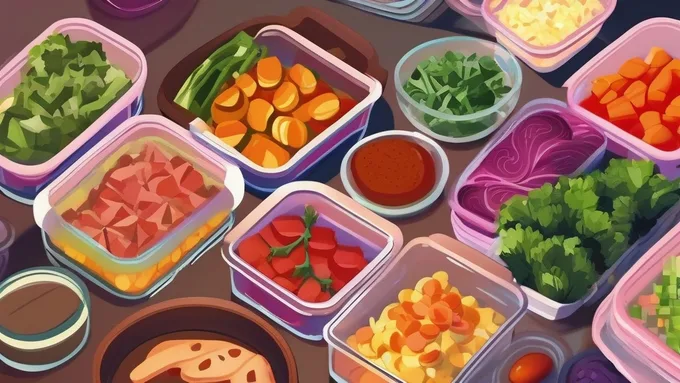
Proper storage extends the life of prepped ingredients and maintains food safety. Glass containers with tight-fitting lids keep food fresh longer than plastic bags. Label everything with prep dates - cooked proteins stay safe for 3-4 days, while prepped raw vegetables last 5-7 days.
Store cut vegetables with paper towels to absorb excess moisture. Keep proteins and vegetables in separate containers to prevent cross-contamination and maintain optimal texture.
Adapting Plans for Different Dietary Needs
Your weekly meal plan should flex with your health goals and dietary restrictions without becoming overly complicated. The foundation remains the same: adequate protein, plenty of vegetables, and appropriate portions.
For weight management, focus on portion control rather than eliminating entire food groups. A balanced approach includes all macronutrients in appropriate ratios for your activity level and goals. Our balanced diet plan for weight loss guide provides specific strategies for creating sustainable caloric deficits through smart meal planning.
Plant-Based Adaptations
Plant-based meal planning requires extra attention to protein combining and nutrient density. Include a variety of protein sources throughout the week: legumes, nuts, seeds, and whole grains. Plan meals that combine complementary proteins - rice and beans, hummus and whole grain pita, or quinoa with nuts.
B12 supplementation becomes crucial for strict plant-based diets, and iron absorption improves when you pair iron-rich foods with vitamin C sources. Think spinach salad with strawberries or lentil soup with bell peppers.
Low-Carb and Keto Considerations
Low-carb meal planning emphasizes high-quality fats and adequate protein while limiting carbohydrates to your target range. Focus on avocados, olive oil, nuts, fatty fish, and grass-fed meats. Non-starchy vegetables become your primary carbohydrate source.
For those following paleo principles, our paleo weekly meal plan guide shows how to structure compliant meals using modern planning tools and techniques.
Two limits hold whatever the timing looks like. According to the Dietary Guidelines for Americans, added sugars should stay under 10 percent of daily calories and saturated fat under 10 percent.
Timing Your Meals for Optimal Nutrition
When you eat can be as important as what you eat for maintaining stable energy levels and supporting your health goals. Your body's natural circadian rhythms influence hormone production, metabolism, and nutrient absorption throughout the day.
Meal timing doesn't require rigid scheduling, but following general principles can improve how you feel and perform. Eating larger meals earlier in the day when insulin sensitivity is highest helps with blood sugar management and energy distribution.
A practical approach: substantial breakfast with protein and healthy fats, moderate lunch with vegetables and lean protein, lighter dinner focused on vegetables with some protein. This pattern aligns with natural hormone fluctuations and supports better sleep quality.
Pre and Post-Workout Nutrition
If you exercise regularly, time your meals to support performance and recovery. Eat a small snack with carbohydrates 30-60 minutes before workouts for energy. Within two hours after exercise, consume protein and carbohydrates to support muscle recovery and glycogen replenishment.
Simple options: banana with almond butter before workouts, Greek yogurt with berries afterward. Your weekly meal plan should account for these timing considerations, especially on days with scheduled exercise.
For detailed guidance on structuring your eating schedule around your lifestyle and goals, see our healthy eating schedule optimization guide.
Troubleshooting Common Meal Planning Problems
Even well-intentioned meal plans hit roadblocks. The difference between success and abandoning your plan entirely lies in having strategies for common challenges.
Problem: You're tired of the same meals by Wednesday. Solution: Plan theme nights instead of specific recipes. "Asian-inspired Monday" gives you flexibility to choose between stir-fry, curry, or noodle dishes based on your mood and available ingredients.
Problem: Ingredients spoil before you use them. Solution: Shop twice per week for highly perishable items like leafy greens and berries. Buy heartier vegetables like carrots, bell peppers, and broccoli once weekly. Frozen vegetables provide backup options without quality loss.
The Flexibility Factor
Rigid meal plans break under real-life pressure. Build flexibility into your system by planning meals that share ingredients. If you buy spinach for Monday's salad, also plan a Wednesday smoothie and Friday's sautéed spinach side dish. This approach reduces waste while maintaining variety.
Keep emergency meals in your back pocket: pasta with jarred marinara, scrambled eggs with frozen vegetables, or canned soup with whole grain bread. These options prevent takeout temptation when your planned meal doesn't happen.
Social Eating Integration
Your meal plan should accommodate social eating without derailing your health goals. When you know you're dining out Friday evening, plan lighter meals that day and choose restaurant options that align with your nutritional priorities.
The 5-day easy meal plan approach demonstrates how to build flexibility into structured eating while maintaining nutritional quality.
Budget-Friendly Healthy Meal Planning
Healthy eating doesn't require premium grocery budgets. Strategic planning actually reduces food costs by eliminating impulse purchases and food waste. The key is maximizing nutritional value per dollar spent.
Cost-effective proteins include eggs ($0.25 each), dried beans and lentils ($1.50 per pound when cooked), canned fish ($1-2 per serving), and whole chickens ($1.50 per pound versus $4+ for boneless breasts). These options provide complete proteins at a fraction of the cost of premium cuts.
Seasonal Shopping Strategy
Plan meals around seasonal produce to maximize both nutrition and savings. Winter squash, root vegetables, and citrus fruits cost less and taste better during their natural seasons. Frozen vegetables picked at peak ripeness often provide better nutrition than expensive out-of-season fresh options.
Buy generic or store brands for pantry staples like olive oil, canned tomatoes, and whole grains. The nutritional content is the same and the cost is lower. According to the USDA Economic Research Service, store-brand foods were priced 25 percent below national brands from July 2009 to August 2010, and 21 percent below during the recession before that. Save premium spending for items where quality significantly impacts taste or nutrition.
Bulk Buying and Storage
Purchase non-perishable items in bulk when they're on sale: brown rice, oats, canned beans, nuts, and seeds. Store them properly in airtight containers to maintain freshness. A $20 investment in glass storage containers pays for itself within months through reduced food waste.
Batch cook and freeze portions when you find good deals on proteins. Ground turkey at $2.99 per pound becomes multiple meals when you cook and freeze it in recipe-sized portions.
Long-Term Success and Habit Formation
Sustainable meal planning becomes second nature through consistent practice, not perfection. Start with planning just three days ahead, then gradually extend to full weeks as the process becomes routine.
Habit stacking works particularly well for meal planning. Link your planning session to an existing habit: "After I finish my Sunday morning coffee, I'll plan the week's meals." This connection makes the new behavior more likely to stick.
Track what works and what doesn't. If Tuesday night cooking consistently fails because of your schedule, permanently assign that slot to leftovers or meal prep. Adapt your system to your real life, not your ideal life.
Seasonal Menu Rotation
Develop 3-4 seasonal menu templates that you can rotate throughout the year. Spring menus emphasize fresh vegetables and lighter proteins. Summer focuses on grilling and cold preparations. Fall incorporates hearty stews and root vegetables. Winter emphasizes warming spices and longer-cooking methods.
This rotation prevents decision fatigue while ensuring variety across the year. You're not reinventing your meal plan every week, just adapting proven templates to current seasons and preferences.
The Mayo Clinic Diet's sustainable approach demonstrates how structured flexibility creates lasting dietary changes rather than short-term restrictions.
Creating a weekly meal plan for healthy eating isn't about achieving perfection or following someone else's rigid system. It's about developing a sustainable approach that fits your lifestyle, budget, and preferences while supporting your health goals. The most successful meal planners are those who start simple, remain flexible, and adjust their systems based on what actually works in their daily lives.
Remember that your meal plan should evolve with your needs. What works during busy work seasons might need adjustment during vacations or family visits. The goal is creating a framework that supports consistent healthy eating without becoming another source of stress in your life.
What You Need to Know About Weekly Meal Plan for Healthy Eating
How do I start a weekly meal plan for healthy eating?
Start by setting clear goals and assessing your dietary needs. Begin with a 7-day plan focusing on balanced meals that include proteins, carbs, and fats. Track your meals for a week and adjust from what you see; BeCute is being built to keep that record. Planning your meals in advance helps you avoid last-minute unhealthy choices. Make a shopping list based on your plan to ensure you have all the ingredients you need. Consider prepping meals in bulk to save time during the week. Remember, consistency is key, so stick to your plan and make adjustments as you learn what works best for you.
What is the difference between a balanced diet weekly meal plan and a healthy diet weekly meal plan?
A balanced diet weekly meal plan focuses on including all food groups in the right proportions, while a healthy diet weekly meal plan emphasizes nutrient-dense foods. Both aim to improve your overall health, but a balanced diet ensures you get a variety of nutrients, whereas a healthy diet may prioritize specific health goals, like weight loss or muscle gain. For example, a balanced plan might include a mix of fruits, vegetables, grains, proteins, and dairy, while a healthy plan might focus more on whole foods and less on processed items. Ultimately, both plans can overlap, but the emphasis and approach may differ based on individual health objectives.
Is it worth it to follow a weekly meal plan for healthy eating?
Yes, following a weekly meal plan for healthy eating is worth it for better health and time management. It helps you make informed food choices, reduces food waste, and can save you money by preventing impulse buys. A meal plan also supports weight management and ensures you get the necessary nutrients. Personalized nutrition insight and a progress record are what BeCute is being built to provide, and it is not on the App Store or Google Play yet. While it requires some initial effort, the long-term benefits of improved health and reduced stress around meals make it a worthwhile investment.
How much does a weekly meal plan for healthy eating cost?
A weekly meal plan for healthy eating can cost anywhere from $50 to $150, depending on your location, dietary preferences, and shopping habits. By planning meals and buying in bulk, you can reduce costs significantly. Opt for seasonal produce and store brands to save money. Meal prepping can also cut down on expenses by minimizing food waste. While it might seem more expensive upfront, a well-planned meal strategy can lead to savings over time by reducing the need for takeout or dining out.
What are some technology tools that help with weekly meal planning?
Technology tools like meal planning apps, barcode scanners, and AI-powered nutrition trackers can streamline the meal planning process. BeCute is being built so that once it opens you will scan food labels, recognize meals from photos, and get personalized nutrition insights. These tools can help you track your calorie intake, suggest recipes based on your dietary needs, and even generate shopping lists. Using technology can make meal planning more efficient and help you stick to your healthy eating goals by providing real-time feedback and adjustments.
FAQ
How many meals should I plan for each week?
Plan for 5-6 dinners per week, leaving room for leftovers and spontaneous meals. Most people eat leftovers 2-3 times weekly and dine out or order takeout once. Planning every single meal creates unnecessary pressure and often leads to food waste. A handful of planned dinners is a week you can hold in your head, and the leftovers are what usually go unrecorded. BeCute is being built to keep the plan and the record in the same place.
A week gets rewritten sooner or later, and on Weekly Meal Plan for Healthy Eating rewriting one without rewriting every meal in it is what BeCute is being built to handle; the app behind it is not yet on the App Store or Google Play, and what does work today is the free 5 meals a day schedule at becute.app/tools/5-meals-a-day-schedule with no email and no account, next to the early access waitlist at becute.app for the app.
What's the best day to do meal planning and grocery shopping?
Sunday works well for most people because it allows weekend meal prep and sets up the week for success. However, choose whatever day gives you 30-45 minutes of uninterrupted time for planning and fits your grocery store's schedule. Some people prefer Wednesday planning to avoid crowded weekend shopping. Whichever day you pick, it works better when last week is visible. BeCute is being built to keep that history, so planning starts from a record rather than a blank page.
Anyone working through Weekly Meal Plan for Healthy Eating ends up with a list, and BeCute is being built to generate that list out of the plan itself instead of having it typed out by hand a second time, and the 30-45 minutes above is this page's own number rather than a default; the app behind it is not yet on the App Store or Google Play.
How long should meal prepped food last in the refrigerator?
Cooked proteins and prepared meals stay safe for 3-4 days in the refrigerator. Cut vegetables last 5-7 days when stored properly with paper towels to absorb moisture. Cooked grains and roasted vegetables maintain quality for 4-5 days. When in doubt, trust your senses - if something looks, smells, or tastes off, discard it. Containers stack up faster than memory keeps dates. BeCute is being built to keep the record of what was cooked and when, so the fridge stops being a guessing game.
Meal prep is what Weekly Meal Plan for Healthy Eating turns on, and it is a habit BeCute is being built to support with plans, reminders and streaks rather than to replace, and numbers like the 3-4 days above are what a plan has to carry; the app behind it is not yet on the App Store or Google Play.
Can I meal plan if I have dietary restrictions or food allergies?
Absolutely. Meal planning actually becomes more important with dietary restrictions because it ensures you always have safe, compliant options available. Focus on naturally compliant whole foods rather than specialty replacement products. Build your plans around foods you can eat rather than trying to substitute everything you can't. Restrictions are the strongest argument for reading labels rather than trusting memory, and BeCute is being built around barcode scanning for that. It is not on the App Store or Google Play yet, so the early access list at becute.app is the only step available today.
The restrictions Weekly Meal Plan for Healthy Eating deals with are an input rather than an afterthought in the personalized plans BeCute is being built to generate; the app is not yet on the App Store or Google Play.
How much should I expect to spend on groceries with a healthy meal plan?
A realistic budget for healthy meal planning ranges from $50-80 per person per week, depending on your location and food preferences. This includes breakfast, lunch, dinner, and snacks. You can reduce costs by emphasizing seasonal produce, buying proteins on sale, and cooking from scratch rather than purchasing prepared foods.
For the money side of Weekly Meal Plan for Healthy Eating, the answer from us is that BeCute is free during early access, and free is a promise about launch rather than a product you can obtain today, and a figure like the $50-80 above only means something once it is yours; the app is not yet on the App Store or Google Play.
What should I do when my meal plan isn't working?
First, identify the specific problem: Are you planning meals you don't actually want to eat? Is the prep too time-consuming? Are ingredients spoiling before use? Once you pinpoint the issue, make targeted adjustments rather than abandoning the entire system. Most meal planning problems have simple solutions that don't require starting over completely. Most of these problems are visible in a week of records and invisible in memory. That gap is what BeCute is being built to close.
The one thing BeCute has today for a reader of Weekly Meal Plan for Healthy Eating is a place to leave an email address; BeCute is not yet on the App Store or Google Play, and the early access waitlist at becute.app is what exists in the meantime.
This article is for informational purposes only and does not constitute medical advice. Consult a qualified healthcare professional before making changes to your diet or exercise routine.

Written by
Oleksandr PaduraFounder & CEO at BeCute
Oleksandr Padura is the founder of BeCute. He is building an AI nutrition planner that turns personal goals into a daily meal plan. The app is not yet on the App Store or Google Play, and the waitlist gets access first.
Published: 2026-03-19
Disclaimer: This article is for informational purposes only and is not a substitute for professional medical advice, diagnosis, or treatment. Always consult a qualified healthcare provider before making changes to your diet or health routine.