

Your grocery cart tells a story about your health, but most people don't know how to write a good one. A complete meal plan isn't just a list of foods-it's your roadmap to consistent nutrition that actually fits your life, budget, and taste preferences.
The difference between people who maintain healthy eating habits and those who struggle comes down to planning. Without structure, you're making food decisions when you're hungry, tired, or stressed. That's when pizza delivery wins over the salmon you meant to cook.
The Foundation of Effective Meal Planning
Your complete meal plan starts with understanding your actual needs, not the generic recommendations you see everywhere. Caloric requirements vary dramatically based on age, activity level, and metabolic health. A 25-year-old who runs daily needs different fuel than a 45-year-old with a desk job.
Track your current eating patterns for three days before changing anything. Write down every snack, every coffee addition, every mindless handful of nuts. The BeCute app is being built to carry that job for you: once it opens you will scan barcodes and photograph meals to get the nutrition data straight away.
Calculating Your Baseline
Start with your basal metabolic rate (BMR)-the calories your body burns just staying alive. Men can estimate BMR as (10 × weight in kg) + (6.25 × height in cm) - (5 × age) + 5. Women subtract 161 instead of adding 5.
Multiply your BMR by your activity factor: 1.2 for sedentary, 1.375 for light activity, 1.55 for moderate activity, 1.725 for very active, or 1.9 for extremely active. This gives you maintenance calories-the amount needed to stay at your current weight.
| Activity Level | Description | BMR Multiplier |
|---|---|---|
| Sedentary | Little to no exercise, desk job | 1.2 |
| Light Activity | Light exercise 1-3 days/week | 1.375 |
| Moderate Activity | Moderate exercise 3-5 days/week | 1.55 |
| Very Active | Heavy exercise 6-7 days/week | 1.725 |
| Extremely Active | Very heavy physical work or training | 1.9 |
Join the early access waitlist and we will email you the day it launches.
Building Your Complete Meal Plan Framework
The most successful meal plans follow a flexible template rather than rigid daily menus. This approach lets you adapt to schedule changes, seasonal ingredients, and social situations without abandoning your nutrition goals entirely.
Create meal categories instead of specific recipes. For breakfast, you might rotate between protein-rich options (eggs, Greek yogurt, protein smoothies), fiber-heavy choices (oatmeal with berries, whole grain toast with avocado), or grab-and-go solutions (overnight oats, hard-boiled eggs with fruit).
The Plate Method Simplified
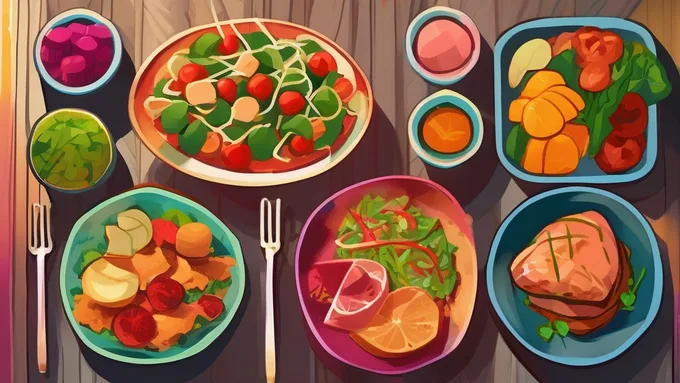
Harvard's Healthy Eating Plate provides a visual framework that works for any cuisine or dietary preference. Fill half your plate with vegetables, one quarter with lean protein, and one quarter with whole grains or starchy vegetables.
This method eliminates the need for complex calculations while ensuring balanced nutrition. A stir-fry with broccoli, bell peppers, chicken, and brown rice hits all the targets. So does a salad with mixed greens, chickpeas, quinoa, and olive oil dressing.
- Start with vegetables: Choose 2-3 different colors for each meal to maximize nutrient variety
- Add your protein source: Aim for 20-30 grams per meal, adjusting based on your total daily needs
- Include complex carbohydrates: Focus on whole grains, legumes, or starchy vegetables
- Don't forget healthy fats: Olive oil, nuts, seeds, or avocado in moderate portions
- Plan your beverages: Water should be your primary choice, with other drinks as occasional additions
Every approach below is a choice inside one published band. According to the National Academies Dietary Reference Intakes, the acceptable range for adults is 45-65 percent of calories from carbohydrate, 20-35 percent from fat and 10-35 percent from protein.
Adapting Plans for Different Dietary Approaches
Your complete meal plan needs to align with your dietary preferences and restrictions. The framework remains consistent, but ingredient choices shift dramatically based on whether you're following plant-based, low-carb, or other specific approaches.
For more on this topic, see our guide on meal plans with no carbs: complete 2026 guide.
Plant-based eaters can reference this complete vegan meal plan for protein combining strategies and nutrient timing. The key is ensuring adequate B12, iron, and complete amino acid profiles throughout the day.
Low-Carb and Ketogenic Variations
Low-carb meal plans require more careful planning to maintain energy levels and prevent nutrient deficiencies. Our guide on no-carb meal planning covers this in detail, but the basics involve replacing grain and starchy vegetable portions with additional healthy fats and non-starchy vegetables.
For those considering extreme approaches, this carnivore diet resource outlines the most restrictive version. However, most people find better long-term success with moderate carb reduction rather than elimination.
| Dietary Approach | Carb Range (grams/day) | Primary Focus |
|---|---|---|
| Standard Balanced | 225-325 | The published adult band, per the National Academies |
| Moderate Low-Carb | 100-150 | Reduced grains, increased vegetables |
| Low-Carb | 50-100 | Minimal grains, focus on protein/fat |
| Ketogenic | 20-50 | High fat, moderate protein, minimal carbs |
Smart Shopping and Budget Management
A complete meal plan falls apart if you can't afford to execute it consistently. Strategic shopping keeps costs reasonable while maintaining nutrition quality. The trick is knowing where to spend and where to save.
Buy organic for the "dirty dozen" produce items that carry higher pesticide residues: strawberries, spinach, apples, grapes, peaches, cherries, pears, tomatoes, celery, potatoes, and sweet bell peppers. For the "clean fifteen" like avocados, corn, pineapple, and cabbage, conventional options are fine.
Bulk Buying Strategies
Purchase shelf-stable staples in bulk: oats, brown rice, quinoa, dried beans, nuts, and seeds. These ingredients form the foundation of countless meals and cost significantly less when bought in larger quantities. A 25-pound bag of brown rice costs about $20 and provides the grain portion for a hundred meals or more.
- Protein rotation: Buy cheaper cuts of meat in bulk when on sale, then freeze in meal-sized portions
- Seasonal vegetables: Purchase extra when your favorites are in season, then blanch and freeze for later use
- Pantry staples: Stock up on canned tomatoes, olive oil, spices, and vinegars during sales
- Frozen backup: Keep frozen vegetables and fruits as insurance against fresh produce spoilage
Weekly Meal Prep Implementation
The difference between meal planning and meal success is preparation. Batch cooking transforms your plan from good intentions into ready-to-eat reality. Sunday afternoon prep sessions set you up for the entire week.
Our weekly meal planning guide provides detailed prep strategies, but start with these core components: cook grains in large batches, roast multiple sheet pans of vegetables, and prepare 2-3 protein options you can mix and match.
The Two-Hour Prep System
Dedicate two hours on your least busy day to meal prep fundamentals. This isn't about making complete meals-it's about creating components you can quickly combine during busy weekdays.
- Grain base: Cook 3-4 cups of brown rice, quinoa, or farro for the week
- Roasted vegetables: Prepare 2-3 sheet pans with different seasonings
- Protein variety: Grill chicken breasts, hard-boil eggs, and cook a pot of beans
- Fresh components: Wash and chop raw vegetables for salads and snacks
- Sauce preparation: Make 2-3 different dressings or marinades for flavor variety
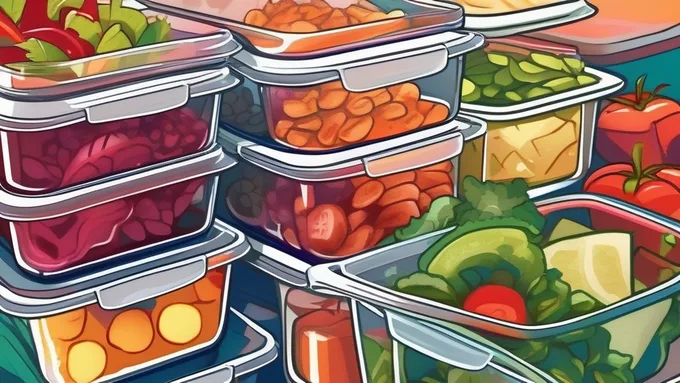
Store everything in clear glass containers so you can see your options at a glance. Label with contents and dates-cooked grains last 4-5 days, while roasted vegetables maintain quality for 3-4 days.
Technology Integration for Meal Planning Success
Modern meal planning benefits enormously from technology, but the key is choosing tools that simplify rather than complicate your process. AI-powered apps can now recognize foods from photos, track nutrition automatically, and adapt recommendations based on your preferences and goals.
The BeCute platform is being built to show how artificial intelligence can simplify meal planning: learning from your food choices and calculating the nutrition data on its own. Instead of manually entering every ingredient, you can photograph your plate or scan product barcodes for instant tracking.
Essential Digital Tools
Your smartphone becomes a powerful meal planning assistant with the right apps. Look for features like barcode scanning, photo recognition, recipe scaling, and grocery list generation. The most effective tools integrate multiple functions rather than requiring you to juggle separate apps for planning, shopping, and tracking.
Cloud synchronization ensures your meal plan stays accessible whether you're grocery shopping, cooking at home, or eating out. Many people start their planning on a computer but need mobile access throughout the week.
Troubleshooting Common Meal Planning Challenges
Even well-designed meal plans encounter obstacles. Schedule disruptions, ingredient availability issues, and changing preferences can derail your nutrition goals if you don't have backup strategies.
The most resilient meal plans include built-in flexibility. Keep 3-4 "emergency meals" in your rotation-simple combinations you can make from pantry staples or frozen ingredients when fresh plans fall through.
Dealing with Social Situations
Restaurant meals and social gatherings don't have to sabotage your complete meal plan. Review menus online before arriving, eat a small protein-rich snack beforehand to avoid arriving hungry, and focus on vegetables and lean proteins when possible.
The benefits of consistent meal planning extend beyond nutrition-they include reduced decision fatigue and better portion control even when eating out. People with established eating patterns make better choices automatically.
Personalizing Your Approach
Generic meal plans work for generic people, but you're not generic. Your complete meal plan needs to account for your schedule, cooking skills, family preferences, and health goals. Personalization is what transforms meal planning from a chore into a sustainable lifestyle.
You might also find our guide on calculate meal plan: tools and tips for precision in 2026 helpful.
Start with one meal and perfect that system before expanding. Many people try to overhaul breakfast, lunch, and dinner simultaneously, then get overwhelmed and quit. Master breakfast planning first-it's typically the most routine meal and easiest to systematize.
For detailed guidance on creating truly individualized nutrition strategies, our personalized meal planning article covers advanced customization techniques using AI and data analysis.
Adapting to Life Changes
Your meal plan should evolve with your circumstances. New job schedules, fitness goals, family changes, or health developments all require plan adjustments. Build review points into your system-monthly check-ins where you assess what's working and what needs modification.
The Mayo Clinic's superfoods meal plan provides an excellent example of how to incorporate nutrient-dense foods into flexible meal frameworks that adapt to different needs and preferences.
Creating a complete meal plan that actually works requires balancing structure with flexibility, nutrition with practicality, and health goals with real life constraints. The most successful approach treats meal planning as a skill to develop rather than a perfect system to implement overnight.
Start small, track what works, and gradually expand your planning systems as they become habits. With consistent application and the right tools, structured eating becomes as automatic as any other daily routine-but with far greater impact on your energy, health, and overall well-being.
What You Need to Know About Complete Meal Plans
How do I start a complete meal plan?
Starting a complete meal plan is easier than you think! Begin by assessing your dietary needs and goals, like weight loss or muscle gain. Next, create a balanced framework that includes all essential nutrients: proteins, carbs, fats, vitamins, and minerals. Plan your meals weekly, focusing on variety to prevent boredom. Track your intake and adjust portions as you go; BeCute is being built to keep that record. Finally, shop smart by making a list and sticking to it, which helps you stay on budget and avoid impulse buys.
Is it worth investing time in a complete meal plan?
Yes, investing time in a complete meal plan is worth it. In a large survey of French adults, people who planned their meals had higher odds of meeting national dietary guidelines (odds ratio 1.13) and of eating a wider variety of foods (1.25) than people who never planned, along with lower odds of obesity, 0.79 in women and 0.81 in men; the authors are explicit that this is an association and not proof that planning caused it (Ducrot et al., International Journal of Behavioral Nutrition and Physical Activity, 2017). By planning meals, you can save money by buying in bulk and reduce food waste. Plus, it helps you avoid last-minute unhealthy choices. Streamlining the repetitive part is the point of the app: BeCute is being built for it, and it is not out yet.
What is the difference between a complete meal plan and a diet?
A complete meal plan is more comprehensive than a diet. While a diet often focuses on restricting certain foods or calories, a complete meal plan emphasizes balanced nutrition and sustainability. It includes all food groups in the right proportions and adapts to your lifestyle and preferences. Unlike fad diets, a complete meal plan is a long-term strategy for healthy eating, making it more effective for lasting results.
How much does it cost to follow a complete meal plan?
Following a complete meal plan can actually save you money in the long run! By planning meals, you can buy ingredients in bulk and reduce food waste, which lowers grocery bills. People who plan spend less on groceries than people who do not, mostly because less food is thrown out. According to the USDA Economic Research Service, 31 percent of the available US food supply was lost at the retail and consumer levels in 2010. A note of what the week cost finds the budget-friendly swaps today. BeCute is being built to keep that note next to the nutrition.
Can technology help with creating a complete meal plan?
Absolutely, technology can be a game-changer for meal planning! BeCute is being built around barcode scanning and meal recognition, and once it opens that will make logging your food intake accurately much easier. They provide personalized nutrition insights, helping you adjust your meal plan according to your goals. Technology also offers recipe suggestions and shopping lists, streamlining the entire process and saving you time.
FAQ
How long does it take to create a complete meal plan?
Initial setup takes 2-3 hours to establish your framework, calculate needs, and create shopping lists. Once established, weekly planning takes 30-45 minutes, and monthly reviews take about an hour. The time investment decreases as the system becomes routine.
Whether Complete Meal Plan is working for you comes out of your own log, and progress charts and milestones are part of what BeCute is being built to show, and the 2-3 hours above is one of this page's own figures; the app behind it is not yet on the App Store or Google Play.
Can I meal plan if I have a very busy schedule?
Busy schedules actually benefit most from meal planning since it eliminates daily food decisions. Focus on simple recipes, batch cooking on weekends, and keeping backup options available. Even 15 minutes of weekly planning saves hours of daily decision-making and reduces reliance on takeout.
Time is the constraint on Complete Meal Plan, and planning around the time you actually have rather than around the time a recipe assumes is what BeCute is being built to do, and numbers like the 15 minutes above are what a plan has to carry; the app is not yet on the App Store or Google Play.
What's the biggest mistake people make when starting meal planning?
Trying to plan too many meals at once or choosing overly complicated recipes. Start with planning just breakfast for a week, then gradually add other meals. Simple, repeatable meals work better than elaborate recipes you'll only make once.
Plenty of people start at Complete Meal Plan, and getting started is the part BeCute is being built to make short: one plan, one list, one target; the app is not yet on the App Store or Google Play, and the early access waitlist at becute.app is the only way in before launch.
How do I handle family members with different dietary needs?
Build meals around flexible components that can be customized. Prepare base ingredients like grains, proteins, and vegetables separately, then let family members combine them according to their preferences. Taco bars, grain bowls, and stir-fries work well for mixed dietary needs.
Households turn up in Complete Meal Plan, and a plan that follows one person's goals, preferences and restrictions is what BeCute is being built to produce; the app behind it is not yet on the App Store or Google Play.
Should I plan every single meal and snack?
Plan your main meals first, then add snacks if you struggle with between-meal eating. Most people find success planning breakfast and dinner consistently, with lunch being more flexible. Snack planning helps if you tend to make poor choices when hungry, but isn't necessary for everyone.
Meals and snacks on Complete Meal Plan count toward the same daily total, and keeping that total honest is what BeCute is being built to do; the app is not yet on the App Store or Google Play, but the free 5 meals a day schedule at becute.app/tools/5-meals-a-day-schedule runs in the browser today with no email and no account, and the early access waitlist at becute.app is for the app itself.
How often should I change my meal plan?
Review and adjust monthly, but don't change everything at once. Successful meal plans evolve gradually-swap out one recipe that isn't working, add seasonal vegetables, or adjust portions based on your goals. Dramatic changes every week prevent you from developing efficient routines.
A week gets rewritten sooner or later, and on Complete Meal Plan rewriting one without rewriting every meal in it is what BeCute is being built to handle; the app behind it is not yet on the App Store or Google Play.

Written by
Oleksandr PaduraFounder & CEO at BeCute
Oleksandr Padura is the founder of BeCute. He is building an AI nutrition planner that turns personal goals into a daily meal plan. The app is not yet on the App Store or Google Play, and the waitlist gets access first.
Published: 2026-03-24
Disclaimer: This article is for informational purposes only and is not a substitute for professional medical advice, diagnosis, or treatment. Always consult a qualified healthcare provider before making changes to your diet or health routine.