

Your kitchen counter holds three takeout containers from this week, your grocery bill hit $200 again, and you can't remember the last time you ate a vegetable that wasn't wilted. Sound familiar? The meal plan benefits go far beyond just knowing what's for dinner - they create a foundation for better health, smarter spending, and less daily stress.
Meal planning transforms chaotic eating patterns into structured nutrition that supports your goals. Whether you're tracking calories, managing a health condition, or simply tired of the "what's for dinner?" panic, a systematic approach to food preparation delivers measurable results. The difference between hoping for healthy choices and actually making them starts with a plan.
Time Savings Through Strategic Meal Planning
The average person spends 37 minutes daily deciding what to eat, shopping for ingredients, and preparing meals. Meal planning cuts this time dramatically by batching decisions and preparation tasks into focused sessions.
Sunday afternoon meal prep sessions eliminate weekday decision fatigue. You'll spend 2-3 hours once per week instead of scrambling for 30-45 minutes every single day. That's roughly 4 hours saved weekly - time you can redirect toward exercise, family, or simply relaxing after work.
Batch Cooking Strategies
Cook proteins in large quantities using methods that work for multiple meals. Roast a whole chicken that provides meat for salads, sandwiches, and soup throughout the week. Grill several pounds of ground turkey seasoned differently - taco seasoning for Mexican bowls, Italian herbs for pasta, and curry spices for rice dishes.
Prep vegetables once for multiple uses. Wash, chop, and store bell peppers, carrots, and celery in clear containers. These become snacks with hummus, stir-fry ingredients, and soup base components without additional preparation time.
Technology Integration for Efficiency
Modern meal planning apps eliminate the manual work of creating shopping lists and tracking nutrition. BeCute is being built to learn your food preferences and to suggest meals that match your calorie goals and your dietary restrictions. Once it opens, the app's barcode scanning feature will speed up grocery shopping by building your shopping list as you plan meals.

According to the USDA Economic Research Service, store-brand foods were priced 25 percent below national brands from July 2009 to August 2010, and 21 percent below during the recession before that. A plan is what makes that switch stick, because you buy the same things every week.
Join the early access waitlist and we will email you the day it launches.
Financial Benefits of Meal Plan Management
Meal planning delivers immediate financial relief through reduced food waste and strategic shopping. The USDA estimates that Americans waste 30-40% of their food supply, translating to roughly $1,500 annually for a family of four.
Planning meals around ingredients you already own prevents duplicate purchases and ensures everything gets used. When you know Thursday's dinner requires leftover roasted vegetables from Tuesday, nothing spoils in your refrigerator.
Smart Shopping Strategies
Shop with a detailed list organized by store layout to avoid impulse purchases. Grocery stores design their layouts to encourage unplanned buying - meal planning keeps you focused on necessary items. Stick to your list and save an average of $50-75 per shopping trip.
Buy versatile ingredients that work in multiple recipes. Coconut milk serves as curry base, smoothie ingredient, and coffee creamer. Greek yogurt works for breakfast parfaits, salad dressings, and baking substitutions. These multi-purpose items reduce your shopping list length while increasing meal variety.
| Shopping Approach | Weekly Cost | Time Spent |
|---|---|---|
| No meal plan | $150-200 | Multiple trips |
| Basic meal plan | $100-130 | One focused trip |
| Detailed meal plan | $80-110 | One efficient trip |
According to the USDA Economic Research Service, 31 percent of the available US food supply was lost at the retail and consumer levels in 2010.
Nutritional Advantages and Health Outcomes
Planned meals contain significantly more nutrients and fewer empty calories than spontaneous food choices. When you're hungry and unprepared, convenience foods become the default - and these options typically lack essential vitamins, minerals, and fiber while packing excess sodium and processed sugars.
Mayo Clinic research on healthy meal planning shows that people who plan their meals consume more fruits, vegetables, and whole grains while eating less saturated fat and added sugars. The structure creates accountability and removes the guesswork from nutrition.
Calorie Control and Weight Management
Meal planning makes calorie tracking automatic rather than reactive. You know the nutritional content of your meals before eating them, allowing for adjustments throughout the day. If breakfast was higher in calories than planned, lunch can be lighter to maintain your daily target.
Restaurant meals average 1,200 calories per entrée, while home-cooked meals typically contain 400-600 calories. Planning home meals for most of your week creates natural portion control and calorie management without restrictive dieting.
Managing Dietary Restrictions
Special dietary needs become manageable with advance planning. Gluten-free, dairy-free, or low-sodium diets require ingredient scrutiny that's impossible when grabbing last-minute meals. Planning allows you to research suitable products, find recipes that work, and ensure nutritional balance despite restrictions.
Cross-contamination prevention becomes systematic rather than stressful. You can designate specific preparation areas, cooking utensils, and storage containers for restricted diets, ensuring safety for family members with allergies or medical conditions.
Stress Reduction and Mental Health Benefits
Decision fatigue peaks around dinner time when you're already mentally exhausted from work and daily responsibilities. Meal planning eliminates the "what's for dinner?" stress that compounds throughout busy days.
Having a plan creates confidence in your food choices. You're not constantly wondering if you're eating well or worrying about running out of healthy options. The mental energy previously spent on food decisions gets redirected toward more important priorities.
Family Harmony and Routine
Planned meals create predictable family routines that reduce conflicts over food preferences. Everyone knows what's coming, can request modifications in advance, and feels included in the process. Children adapt better to varied foods when they're introduced systematically rather than randomly.
Meal planning accommodates different schedules within the household. Late meetings, sports practices, and social commitments don't derail healthy eating when you've prepared flexible options that work for various timing needs.

Building Sustainable Healthy Eating Habits
Consistency builds habits more effectively than perfection. Meal planning creates regular exposure to nutritious foods, making healthy choices feel normal rather than exceptional. The National Institutes of Health emphasizes meal planning as a cornerstone of sustainable nutrition habits.
Planned variety prevents boredom that leads to abandoning healthy eating patterns. When you know interesting meals are scheduled throughout the week, you're less likely to get frustrated with repetitive or bland food choices.
Gradual Improvement Strategy
- Start with one meal type: Focus on planning dinners for one week before expanding to other meals. Master the process with lower stakes before adding complexity.
- Build a rotation of reliable recipes: Identify 10-15 meals your household enjoys and rotate through them. Familiarity speeds preparation and reduces planning time.
- Incorporate seasonal variety: Adjust your meal rotation based on seasonal produce availability and preferences. Summer grilling plans differ from winter comfort foods.
- Track what works and what doesn't: Keep notes about successful meals, preparation times, and family feedback. Refine your system based on real experience.
- Plan for flexibility: Include one "wildcard" meal per week for trying new recipes or using up random ingredients. Structure with built-in spontaneity prevents rigidity.
Practical Implementation Steps
Start your meal planning practice with a simple weekly template that accounts for your actual lifestyle. Don't plan elaborate meals for busy weeknights or assume you'll prep extensively on days packed with commitments.
You might also find our guide on calculate meal plan: tools and tips for precision in 2026 helpful.
You might also find our guide on complete meal plan: crafting your perfect nutrition routine helpful.
For complete guidance on creating sustainable weekly routines, our weekly meal plan for healthy eating covers detailed strategies for 2026. The key is matching your plan to your reality, not your aspirations.
Essential Planning Tools
- Digital meal planning app: Choose software that syncs across devices and generates shopping lists automatically
- Kitchen scale: Accurate portion measurements support both nutrition goals and recipe consistency
- Glass storage containers: Various sizes for prepped ingredients, complete meals, and leftover management
- Sharp knives and cutting boards: Efficient prep work requires proper tools that make chopping enjoyable rather than tedious
- Slow cooker or instant pot: Set-and-forget cooking methods that work around busy schedules
Weekly Planning Routine
Designate a consistent time for meal planning - Sunday afternoon works well for most schedules. Review your upcoming week's commitments, check what ingredients you already have, and plan meals that match your energy levels and available time.
Create themed nights to simplify decision-making. Meatless Monday, Taco Tuesday, and Fish Friday provide structure while maintaining variety. Themes guide your choices without limiting creativity within each category.
| Day Theme | Prep Time | Example Meals | Key Benefit |
|---|---|---|---|
| Slow Cooker Sunday | 15 minutes | Chicken stew, beef chili | Hands-off cooking |
| Meatless Monday | 20 minutes | Bean burrito bowls, pasta primavera | Budget-friendly protein |
| Sheet Pan Tuesday | 10 minutes | Roasted vegetables with protein | Minimal cleanup |
| Leftover Wednesday | 5 minutes | Repurposed previous meals | Reduces food waste |
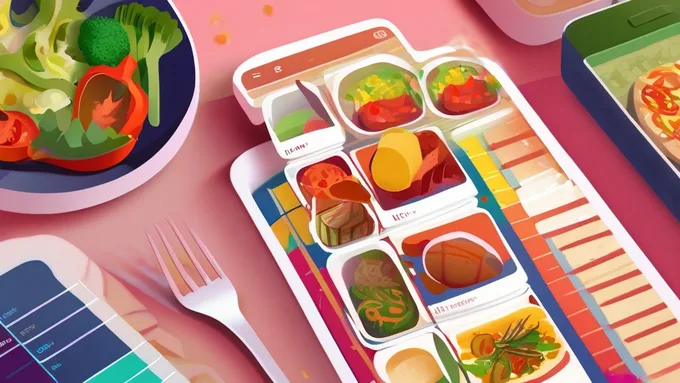
Advanced Meal Planning Strategies
Once basic meal planning becomes routine, advanced techniques can further improve your nutrition and efficiency. Macro cycling, seasonal eating, and batch cooking multiple proteins simultaneously represent next-level approaches.
For those interested in specific dietary approaches, our paleo weekly meal plan guide demonstrates how AI-powered tools adapt traditional eating patterns for modern lifestyles. The principles apply regardless of your chosen dietary framework.
Personalization Through Technology
AI-powered meal planning adapts to your preferences, restrictions, and goals more precisely than generic templates. These systems learn from your food choices, track your nutritional progress, and suggest improvements based on your actual eating patterns.
Our personalized meal plan approach explains how technology creates custom nutrition strategies that evolve with your changing needs. The future of meal planning isn't one-size-fits-all templates but adaptive systems that respond to your individual requirements.
Integration with Fitness Goals
Athletic performance and body composition goals require coordinated nutrition timing that meal planning makes possible. Pre-workout fuel, post-workout recovery meals, and rest day nutrition can be systematically planned rather than left to chance.
Different diet plans serve different goals, and meal planning adapts to support whatever approach you choose. Whether you're building muscle, losing fat, or maintaining current weight, planned nutrition removes guesswork from fueling your activities.
Overcoming Common Meal Planning Obstacles
The biggest meal planning challenges stem from unrealistic expectations and perfectionist thinking. You don't need Instagram-worthy meals or complex recipes to gain the benefits. Simple, nutritious food prepared consistently beats elaborate meals made sporadically.
Family members with different preferences require compromise, not separate meal preparation. Build meals around flexible components - grilled protein with various sauces, grain bowls with customizable toppings, or taco bars where everyone chooses their own ingredients.
Handling Schedule Disruptions
Life interrupts meal plans regularly - late meetings, sick children, unexpected social invitations. Build flexibility into your system by having backup options that require minimal preparation. Frozen vegetables, pre-cooked proteins, and pantry staples create emergency meals when plans change.
The AI meal planning revolution includes adaptive features that adjust your weekly plan when disruptions occur. Technology can suggest alternative meals based on ingredients you have available and time constraints you're facing.
Preventing Meal Planning Burnout
- Rotate planning responsibilities: Share meal selection duties with family members or alternate weeks with a partner
- Keep a success file: Document meals that worked well for easy reference during low-motivation periods
- Plan occasional restaurant meals: Include dining out as part of your plan rather than viewing it as a failure
- Embrace imperfection: A mediocre plan executed consistently beats a perfect plan abandoned after two weeks
- Seasonal breaks: Take planned breaks from intensive meal prep during holidays or vacation periods
Remember that meal planning serves your life, not the other way around. Adjust your approach based on what actually works for your household rather than forcing yourself into systems that create stress instead of reducing it.
Meal planning transforms daily food decisions from reactive scrambling into proactive health management. The benefits extend beyond nutrition to encompass time savings, financial relief, and reduced stress around feeding yourself and your family well.
Start small with planning just a few meals per week, then expand your system as it becomes routine. The goal isn't perfection but consistency in making choices that support your health and lifestyle goals. Extreme eating patterns might promise quick results, but sustainable meal planning creates lasting change that improves your relationship with food for years to come.
What You Need to Know About Meal Plan Benefits
How does meal planning save time?
Meal planning can save you up to 3-5 hours a week. By organizing your meals in advance, you reduce the time spent on daily decision-making and frequent grocery trips. Imagine having a clear list of ingredients ready for the week; it cuts down on aimless wandering in grocery aisles. Plus, cooking in batches means fewer nights spent in the kitchen. This structured approach frees up your evenings, allowing you to focus on other priorities or simply relax. With BeCute still being built, a written list does this today, and the app is meant to take the meals and the nutritional intake off your hands later.
Is meal planning worth the cost?
Yes, meal planning is worth the cost and can actually save you money. By planning your meals, you avoid impulse buys and reduce food waste, which can save you an average of $30-$50 a week. You’re buying only what you need, which means fewer items end up in the trash. Additionally, cooking at home is generally cheaper than dining out. Investing a little time in planning can lead to significant savings in your grocery budget over time.
What are the nutritional benefits of meal planning?
Meal planning ensures balanced nutrition and can improve your health outcomes. By planning your meals, you can ensure a variety of nutrients and avoid the temptation of unhealthy takeout. In a large survey of French adults, meal planners scored higher than non-planners on adherence to national dietary guidelines (odds ratio 1.13) and on food variety (1.25), and had lower odds of obesity, 0.79 in women and 0.81 in men; the authors are clear that this is association rather than proof of cause (Ducrot et al., International Journal of Behavioral Nutrition and Physical Activity, 2017). This can lead to improved energy levels, better weight management, and reduced risk of chronic diseases. Tracking intake for a week or two is usually enough to see what needs adjusting.
Meal planning vs. spontaneous cooking: What's the difference?
Meal planning offers structure, while spontaneous cooking provides flexibility. With meal planning, you have a set menu and ingredients ready, which minimizes stress and decision fatigue. On the other hand, spontaneous cooking allows for creativity and adapting to cravings. However, it often leads to last-minute grocery runs and less healthy choices. If you're aiming for healthier eating habits and less stress, meal planning is the way to go.
How do I start meal planning effectively?
Start meal planning by dedicating an hour each week to plan your meals. Begin by selecting a few recipes you enjoy and create a shopping list based on those meals. Consider your schedule to decide which days you’ll cook and which days you might use leftovers. Batch cooking and freezing meals can also be a great strategy. Tracking ingredients and nutritional information is what BeCute is being built to do, and that is the part which makes planning feel daunting.
FAQ
How much time does meal planning actually save each week?
Meal planning typically saves 4-6 hours weekly by eliminating daily food decisions and reducing grocery shopping trips. The initial planning session takes 30-60 minutes, but you'll recover this time through faster cooking and shopping throughout the week.
For the money side of What Are the Benefits of Meal Planning An In-Depth Look, the answer from us is that BeCute is free during early access, and free is a promise about launch rather than a product you can obtain today, and a figure like the 4-6 hours above only means something once it is yours; the app is not yet on the App Store or Google Play.
Can meal planning work for families with different dietary needs?
Yes, successful family meal planning focuses on flexible base ingredients that accommodate various preferences. Build meals around customizable components like grain bowls, stir-fries, or build-your-own salads where each person can modify according to their needs or restrictions.
Time is the constraint on What Are the Benefits of Meal Planning An In-Depth Look, and planning around the time you actually have rather than around the time a recipe assumes is what BeCute is being built to do; the app is not yet on the App Store or Google Play.
What's the biggest mistake people make when starting meal planning?
Planning too many elaborate meals for busy weeknights is the most common error. Start with simple, familiar recipes that require 30 minutes or less of active cooking time. You can add complexity as meal planning becomes routine.
Plenty of people start at What Are the Benefits of Meal Planning An In-Depth Look, and getting started is the part BeCute is being built to make short: one plan, one list, one target, and a figure like the 30 minutes above only means something once it is yours; the app is not yet on the App Store or Google Play, and the early access waitlist at becute.app is the only way in before launch.
How do I meal plan on a tight budget?
Focus on inexpensive protein sources like beans, eggs, and chicken thighs. Plan meals around seasonal produce and store sales. Cook large batches of grains and legumes that provide multiple meal foundations throughout the week.
A week gets rewritten sooner or later, and on What Are the Benefits of Meal Planning An In-Depth Look rewriting one without rewriting every meal in it is what BeCute is being built to handle; the app behind it is not yet on the App Store or Google Play, and what does work today is the free 5 meals a day schedule at becute.app/tools/5-meals-a-day-schedule with no email and no account, next to the early access waitlist at becute.app for the app.
Should I prep entire meals or just ingredients?
Ingredient prep offers more flexibility than complete meal preparation. Wash and chop vegetables, cook grains and proteins, then combine them fresh throughout the week. This prevents food from getting soggy while still saving daily preparation time.
Meal prep is what What Are the Benefits of Meal Planning An In-Depth Look turns on, and it is a habit BeCute is being built to support with plans, reminders and streaks rather than to replace; the app behind it is not yet on the App Store or Google Play.
How can technology help with meal planning in 2026?
Modern meal planning apps use AI to suggest recipes based on your preferences, generate automatic shopping lists, and track nutrition goals. Features like barcode scanning and photo recognition make food tracking effortless, while adaptive algorithms adjust suggestions based on your actual eating patterns and feedback.
On What Are the Benefits of Meal Planning An In-Depth Look, logging a meal by barcode or by photo is one of the features BeCute is being built around; BeCute is not yet on the App Store or Google Play, and the early access waitlist at becute.app is what exists in the meantime.
This article is for informational purposes only and does not constitute medical advice. Consult a qualified healthcare professional before making changes to your diet or exercise routine.

Written by
Oleksandr PaduraFounder & CEO at BeCute
Oleksandr Padura is the founder of BeCute. He is building an AI nutrition planner that turns personal goals into a daily meal plan. The app is not yet on the App Store or Google Play, and the waitlist gets access first.
Published: 2026-03-20
Disclaimer: This article is for informational purposes only and is not a substitute for professional medical advice, diagnosis, or treatment. Always consult a qualified healthcare provider before making changes to your diet or health routine.