

Key Takeaways
- Vegan college students need 50-60g daily protein from peanut butter, beans, and tofu sources.
- Each day provides 2000-2200 calories at under $6 per day on $40 weekly budget.
- Vitamin B12 supplementation is non-negotiable; plant foods lack reliable amounts for vegan diets.
- Pairing vitamin C foods with iron sources doubles absorption rates in plant-based meals.
- Generic brands cut grocery costs without sacrificing nutritional quality.
Your dorm room doesn't have a kitchen, your meal plan ran out three weeks ago, and you're staring at a $40 budget wondering how to eat vegan without surviving on ramen alone. Here's the reality: food insecurity affects nearly 40% of college students, making proper nutrition feel impossible (NCBI, 2019).
But you don't need a full kitchen or unlimited funds to thrive on a plant-based diet. This complete vegan meal plan for college students proves you can eat well for $40 per week using nothing more than a microwave, mini-fridge, and some smart shopping strategies. Every meal is designed for dorm life reality - quick, filling, and nutritionally balanced.
Join the early access waitlist and we will email you the day it launches.
The $40 Weekly Budget Breakdown
Smart money allocation makes the difference between surviving and thriving on a tight budget. Your weekly $40 breaks down into specific categories that maximize both nutrition and satisfaction.
| Category | Weekly Budget | Key Items | Meals Covered |
|---|---|---|---|
| Protein Sources | $12 | Peanut butter, canned beans, tofu | All meals |
| Grains & Starches | $8 | Oats, bread, instant rice | Breakfast, lunch, dinner |
| Fruits & Vegetables | $10 | Bananas, frozen vegetables, canned tomatoes | Snacks, all meals |
| Pantry Staples | $6 | Plant milk, seasonings, oil | Cooking and flavor |
| Emergency Buffer | $4 | Sale items, treats | Flexibility |
This allocation follows evidence-based nutrition principles while respecting budget constraints (Harvard T.H. Chan School of Public Health). The protein allocation gets the largest share because plant proteins often cost more per gram than their animal counterparts.
Shopping Strategy That Actually Works
According to the USDA Economic Research Service, store-brand foods were priced 25 percent below national brands from July 2009 to August 2010, and 21 percent below during the recession before that. Store brands of canned beans, oats, and frozen vegetables contain identical nutrients to name brands. Focus your shopping on the perimeter of discount stores like Aldi or ethnic markets where produce costs significantly less.
Buy in bulk only for items you'll actually consume within two weeks. A 5-pound bag of rice seems economical until half of it goes stale in your cramped dorm room. Stick to quantities that fit your storage space and eating patterns.
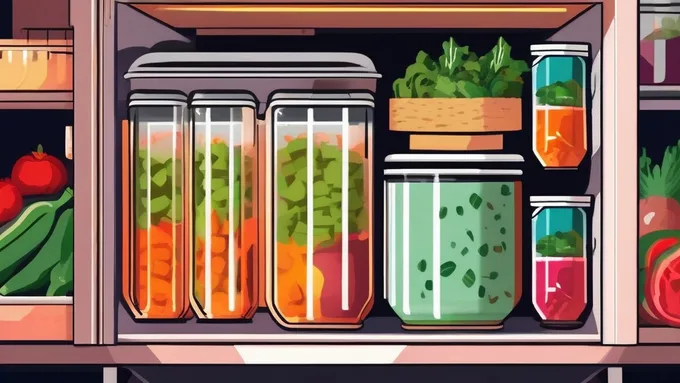
Essential Dorm Room Equipment
Your success depends on having the right tools for no-kitchen cooking. These five items change any dorm room into a functional food prep space without breaking housing rules or your budget.
- Microwave-safe bowls and plates: Glass or ceramic containers that won't warp or release chemicals when heated
- Can opener and sharp knife: Manual can opener works better than electric versions in tight spaces
- Measuring cups: Portion control keeps both nutrition and budget on track
- Storage containers: Airtight containers prevent food waste and pest problems
- Mini rice cooker: If allowed, this single appliance expands your meal options dramatically
Check your dorm's appliance policy before purchasing anything that plugs in. Most schools allow small appliances under 1000 watts, but enforcement varies by building and resident advisor.
Food Storage Without Spoilage
Limited refrigerator space means strategic storage planning. Keep produce in perforated plastic bags to maintain humidity while preventing condensation buildup. Store opened canned goods in glass containers rather than leaving them in metal cans, which can develop off-flavors within 24 hours.
Room temperature storage works for many vegan staples. Peanut butter, dried beans, oats, and canned goods stay fresh for months without refrigeration. This reduces pressure on your tiny fridge space for items that truly need cold storage.
7-Day Complete Meal Plan
Each day provides approximately 2000-2200 calories with balanced macronutrients and costs under $6. These meals require minimal prep time and use ingredients that store well in dorm conditions.
Monday Through Wednesday
Breakfast: Overnight oats with peanut butter, banana, and plant milk. Mix 1/2 cup oats, 1 tablespoon peanut butter, 1/2 sliced banana, and 3/4 cup oat milk in a jar. Refrigerate overnight. Cost: $1.20
Lunch: Hummus and vegetable wrap using whole wheat tortilla, 1/4 cup hummus, shredded carrots, spinach, and cucumber. Add hot sauce for flavor. Cost: $1.80
Dinner: Microwave bean and rice bowl. Combine 1/2 cup instant brown rice, 1/2 cup black beans, 1/4 cup salsa, and frozen corn. Heat for 3 minutes, stir, heat 2 more minutes. Cost: $2.10
Snacks: Apple with 1 tablespoon peanut butter, handful of mixed nuts. Cost: $0.90
Thursday Through Saturday
Rotate protein sources to prevent meal fatigue while maintaining nutritional balance. Tofu scramble becomes your go-to breakfast alternative - crumble firm tofu with nutritional yeast, turmeric, and vegetables, then microwave in 30-second intervals until heated through.
For lunch variety, try loaded baked sweet potato. Pierce a medium sweet potato, microwave for 6-8 minutes, then top with black beans, salsa, and a sprinkle of nutritional yeast. This combination provides complete proteins and complex carbohydrates.
Evening meals focus on hearty grain bowls using quinoa or brown rice as the base. Add canned lentils, roasted vegetables (microwaved with a bit of oil and seasoning), and tahini dressing made from tahini, lemon juice, and water.
Sunday Reset Day
Use Sunday for meal prep and ingredient preparation. Cook larger batches of grains and beans that reheat well throughout the week. Pre-cut vegetables and portion out snacks into grab-and-go containers.
This preparation strategy aligns with successful meal planning principles that reduce daily decision fatigue (our complete meal planning guide covers advanced preparation techniques for sustainable eating habits).

According to the CDC, 12.3 percent of US adults met the federal fruit recommendation in 2019. According to the CDC report, 10.0 percent met the vegetable recommendation. A plant-based week starts well ahead of that.
Meeting Nutritional Needs on Plants
Vegan diets require attention to specific nutrients that are less abundant in plant foods. Vitamin B12 supplementation is non-negotiable - your body can't produce this vitamin, and plant foods don't contain reliable amounts (Royal United Hospital).
| Nutrient | Daily Target | Best Dorm-Friendly Sources | Cost per Serving |
|---|---|---|---|
| Protein | 50-60g | Peanut butter, beans, tofu | $0.75 |
| Iron | 18mg | Lentils, spinach, fortified cereals | $0.45 |
| Calcium | 1000mg | Fortified plant milk, tahini | $0.60 |
| Omega-3 | 1.1g | Ground flaxseed, walnuts | $0.35 |
Combine vitamin C-rich foods with iron sources to boost absorption. Add lemon juice to your lentil dishes or eat strawberries with your iron-fortified cereal. This simple pairing can double your iron absorption rates.
Protein Combining Made Simple
You don't need to stress about combining proteins at every meal. Your body maintains an amino acid pool throughout the day, so eating varied protein sources over 24 hours provides complete nutrition (American Diabetes Association).
Focus on these natural combinations that taste good together: beans with rice, peanut butter with whole grain bread, or hummus with whole wheat pita. These pairings happen naturally in many cuisines because they create satisfying, complete meals.
Smart Shopping for Maximum Value
Timing your shopping trips around markdowns cuts costs. Most stores mark down produce on Sunday evenings and Wednesday mornings when new shipments arrive. Slightly overripe bananas and day-old bread work perfectly for smoothies and toast.
- Shop ethnic markets first: Asian, Mexican, and Middle Eastern markets often sell beans, grains, and spices at fraction of mainstream grocery prices
- Buy frozen over fresh: frozen vegetables keep more nutrients than fresh produce that has travelled long distances and sat on shelves
- Check unit prices: Larger packages aren't always cheaper per ounce, especially for items you won't finish before expiration
- Use store apps: Most chains offer digital coupons that stack with sales for additional savings
- Shop sales cycles: Canned goods go on sale every 6-8 weeks, so stock up when prices drop
- Compare generic brands: Store brands often come from the same manufacturers as name brands and cost less
Generic versus name brand is the comparison we are building barcode scanning into the BeCute app to settle, since on a $40 week that gap is most of your margin. Check a few pairs yourself and you will find that store-brand beans, oats and frozen vegetables usually match the branded version on nutrition and beat it on price. The app is in development, so for now the labels do the arguing.
Bulk Buying Strategy
Warehouse stores seem appealing for budget shopping, but membership fees and large package sizes often don't make financial sense for single college students. Calculate the true cost per serving, including membership fees, before committing to bulk purchases.
Share bulk purchases with roommates or friends when it makes sense. A 25-pound bag of rice costs less per pound but requires splitting among multiple people to prevent waste.
Quick Dorm Room Cooking Techniques
Microwave cooking gets a bad reputation, but proper technique produces genuinely good food. Understanding power levels and timing transforms basic ingredients into satisfying meals without a stovetop or oven.
You might also find our guide on college apartment first kitchen setup: everything you need helpful.
Steam vegetables perfectly by placing them in a microwave-safe bowl with 2 tablespoons of water, covering tightly, and cooking on 80% power. This prevents overcooking while maintaining nutrients and texture.
Cook grains evenly using a 2:1 ratio of liquid to grain. Combine in a large bowl (grains expand significantly), cover, and cook on 50% power for longer periods rather than high heat for short bursts.
Flavor Without a Full Spice Rack
Five versatile seasonings handle almost all of your flavouring: garlic powder, nutritional yeast, smoked paprika, cumin, and red pepper flakes. These create endless flavour combinations without a shelf of expensive spice jars.
Nutritional yeast deserves special mention - it adds cheesy, umami flavor to everything from popcorn to pasta while providing B vitamins and complete protein. A small container lasts months and transforms bland foods into crave-worthy meals.
For more microwave-specific techniques and complete recipes, our microwave meal plan guide provides detailed instructions for creating restaurant-quality dishes using only dorm-approved appliances.

Dealing with Social and Practical Challenges
Eating differently from your peers creates social pressure, especially when friends order pizza at midnight or hit the dining hall for comfort food. Plan responses ahead of time so you don't make impulsive food choices that blow your budget or compromise your health goals.
Keep emergency meals ready for stressful periods. Final exams, paper deadlines, and social drama all trigger emotional eating. Having satisfying vegan options immediately available prevents expensive takeout orders or unhealthy convenience foods.
Building Support Systems
Connect with other plant-based students through campus organizations or social media groups. Sharing recipes, bulk buying, and moral support makes sustainable eating much easier. Many colleges have vegetarian or environmental clubs that welcome newcomers.
Educate your family about your food choices before visits home. Send them shopping lists and simple recipes so they can support your lifestyle without stress or conflict. Most parents appreciate specific guidance rather than vague dietary restrictions.
Tracking Progress and Staying Motivated
Monitor both your budget and nutrition using digital tools designed for busy students. Establishing consistent daily meal routines reduces decision fatigue and helps you stick to both financial and health goals long-term.
The BeCute app's photo recognition feature is being built to log meals without manual entry, which will suit tracking nutrition between classes. The AI is planned to learn your eating patterns and suggest improvements that fit your lifestyle and budget constraints.
Until that ships, the tracking has to happen in something else. Free meal planning apps for college students covers the free planners that are already in the stores. BeCute is not on the App Store or Google Play, so for now the early access list is all there is to join.
Set weekly check-ins to review your spending and energy levels. Successful meal planning requires adjustments based on real-world results, not just theoretical perfection (American Heart Association).
Celebrating Small Wins
Acknowledge progress in non-food ways to avoid reward eating patterns. Completing a week within budget deserves recognition - maybe a new playlist, a phone call with friends, or an episode of your favorite show.
Track improvements in energy, sleep quality, and academic performance alongside your food choices. These connections reinforce the value of proper nutrition beyond just saving money or following dietary preferences.
Long-Term Success Strategies
Sustainable eating habits develop gradually through consistent practice, not perfect execution from day one. Expect some meals to fail, some weeks to go over budget, and some days to feel overwhelming. This is normal learning process, not personal failure.
Build flexibility into your system for special occasions, stress periods, and unexpected expenses. A rigid plan that can't adapt to college life reality will eventually break down completely.
Understanding the true cost comparison helps maintain motivation during challenging periods. Our analysis of meal plan costs versus self-cooking puts that swap at $1,500-$1,700 per academic year, on a meal plan of $3,500-$5,500 against $1,800-$4,000 of groceries, while eating more nutritious food.
Creating a successful vegan meal plan in college requires planning, creativity, and realistic expectations about both your budget and your lifestyle. The $40 weekly budget isn't about deprivation - it's about making informed choices that support your health, values, and financial goals simultaneously.
Start with one week of this meal plan, track what works and what doesn't, then adjust the next week based on your experience. Building sustainable eating habits takes time, but the foundation you create in college will serve you well beyond graduation.
What You Need to Know About Vegan Meal Plan College Student Budget
How can I start a vegan meal plan in college with no kitchen?
Starting a vegan meal plan in college without a kitchen is totally doable with some planning. First, invest in essential dorm room equipment like a mini-fridge, microwave, and a blender. These tools will help you whip up quick meals like smoothies, salads, and microwave-friendly dishes. Next, plan your meals around budget-friendly staples such as beans, rice, oats, and frozen veggies. These items are not only cheap but also versatile and nutritious. Finally, track your nutrition against your dietary needs for a week; BeCute is being built to keep that record once it opens.
You might also find our guide on app for healthy meals: top recommendations for 2026 helpful.
Is it possible to eat vegan on a $40 weekly budget in college?
Yes, you can definitely stick to a $40 weekly budget for vegan meals in college. By focusing on cost-effective ingredients like lentils, chickpeas, and seasonal produce, you can create filling and nutritious meals without breaking the bank. Buying in bulk and choosing store brands can also help reduce costs. Meal prepping and planning ahead are key strategies to avoid impulse buys and wasted food. With careful planning, you can enjoy a varied and satisfying vegan diet on a tight budget.
What’s the difference between plant-based eating and veganism in college?
Plant-based eating focuses primarily on consuming foods from plants, while veganism is a lifestyle that excludes all animal products. In college, both approaches can be affordable and healthy, but veganism requires more attention to detail to avoid animal-derived ingredients. Plant-based eaters might occasionally include animal products, whereas vegans do not. For college students, both diets can be supported by smart shopping and meal planning, ensuring you get all necessary nutrients while sticking to a budget.
Are cheap vegan meals in college worth it for nutrition?
Absolutely, cheap vegan meals can be both nutritious and satisfying. By choosing whole foods like grains, legumes, and vegetables, you can meet your nutritional needs without spending a lot. These foods are rich in fiber, vitamins, and minerals, supporting overall health. However, it's important to ensure you're getting enough protein, iron, and B12, which might require some supplementation or fortified foods. A running total is what keeps a no-kitchen vegan week honest, and BeCute is being built to hold it.
How do I shop smart for vegan dorm room food ideas?
Shopping smart for vegan dorm room food involves planning and knowing where to find the best deals. Start by making a list of versatile staples like beans, rice, and pasta, which are often available in bulk at lower prices. Check out local farmers' markets for fresh produce at competitive prices. Look for sales and discounts on frozen fruits and vegetables, which are nutritious and convenient. Also, consider store brands and generic products to save money without compromising on quality.
FAQ
Can I get enough protein on a $40 weekly vegan budget?
Yes, easily. Beans, lentils, peanut butter, and tofu provide complete proteins at much lower costs than meat. A can of black beans contains 15g protein for under $1, while 2 tablespoons of peanut butter provide 8g protein for about $0.30. Following this meal plan provides 50-70g protein daily, meeting all requirements for active college students. The daily figure has to be added up rather than assumed, especially when the protein arrives in ten small amounts. BeCute is being built to add it up off the barcode.
For a page like Vegan Meal Plan for College, grams beat guesses, and counting protein and the rest of the macros off the label is one of the things BeCute is being built to do, and numbers like the $1, above are what a plan has to carry; the app is not yet on the App Store or Google Play.
What if my dorm doesn't allow any cooking appliances?
This entire meal plan works with just a microwave and mini-fridge, which are standard in most dorms. No-cook options include overnight oats, hummus wraps, peanut butter sandwiches, and pre-made salads. Many canned beans and lentils can be eaten cold after rinsing, though they taste better when heated.
Readers who arrive at Vegan Meal Plan for College usually cook in a small kitchen on a small budget, and BeCute is being built for them as much as for anyone else; BeCute itself is not yet on the App Store or Google Play.
How do I handle eating out with friends on this budget?
Budget $5-8 from your weekly grocery money for occasional social meals. Most restaurants have affordable vegan options like veggie burgers, salads, or pasta with marinara sauce. Suggest coffee shops or places with happy hour specials. You can also eat beforehand and just order a drink or appetizer to participate socially.
For the money side of Vegan Meal Plan for College, the answer from us is that BeCute is free during early access, and free is a promise about launch rather than a product you can obtain today, and a figure like the $5-8 above only means something once it is yours; the app is not yet on the App Store or Google Play.
Will I lose weight eating only $40 worth of food per week?
Not necessarily. This meal plan provides 2000-2200 calories daily, which maintains weight for most college students. Plant foods are often less calorie-dense than processed foods, so you might feel fuller on fewer calories initially. Focus on including healthy fats like nuts, seeds, and avocado if you need to maintain or gain weight. Whether it holds depends on what you actually ate, not on what the plan said. BeCute is being built to record the first of those from the barcode.
Weight loss on Vegan Meal Plan for College comes down to holding a target and replanning around what was actually eaten rather than around what was planned, which is what BeCute is being built to do, and the 2000-2200 calories above is this page's own number rather than a default; BeCute itself is not yet on the App Store or Google Play.
What supplements do I need on a college vegan diet?
Vitamin B12 is essential and costs about $10 for a 3-month supply. Vitamin D may be necessary depending on your location and sun exposure. Iron supplements aren't usually needed if you're eating varied plant foods, but get blood work done annually to check your levels. Most other nutrients come easily from whole plant foods.
The restrictions Vegan Meal Plan for College deals with are an input rather than an afterthought in the personalized plans BeCute is being built to generate, and the $10 above is one of this page's own figures; the app is not yet on the App Store or Google Play.
How do I meal prep without much storage space?
Focus on ingredients that keep well rather than fully prepared meals. Cook large batches of grains and beans on Sunday, then assemble different combinations throughout the week. Use stackable glass containers that fit efficiently in your mini-fridge. Dry ingredients like oats, nuts, and seeds can be pre-portioned in small jars or bags. Cooking in batches also means one set of packets and one set of numbers. BeCute is being built to take those numbers off the barcodes on Sunday and carry them through the week. It is not yet on the App Store or Google Play, so the way in is the early access list on the home page at becute.app, and your first personalized plan is waiting on the day BeCute opens - free during early access, no credit card.
The one thing BeCute has today for a reader of Vegan Meal Plan for College is a place to leave an email address; BeCute is not yet on the App Store or Google Play, so what you can use here today is the free 5 meals a day schedule at becute.app/tools/5-meals-a-day-schedule - no email, no account, nothing to install - while the early access waitlist at becute.app covers the app.
Sources
- NCBI (2019). "Food Insecure College Students and Objective Measurements of Their Nutritional Status." National Center for Biotechnology Information
- Harvard T.H. Chan School of Public Health. "Strategies for Eating Well on a Budget." The Nutrition Source
- Royal United Hospital. "Plant based vegetarian and vegan diets." Royal United Hospital
- American Diabetes Association. "Vegan Meal Planning." American Diabetes Association
- American Heart Association. "Eat Healthy on a Budget: Plan Ahead." American Heart Association
- FDA. "Using the Nutrition Facts Label and MyPlate to Make Healthier Choices." U.S. Food and Drug Administration
- WHO (2026). "WHO urges schools worldwide to promote healthy eating for children." World Health Organization
- Mayo Clinic Diet. "Vegetarian Meal Plan." Mayo Clinic
- Mount Sinai Health System. "My 30 Day Healthy Lifestyle Eating Plan." Mount Sinai Health System

Written by
Oleksandr PaduraFounder & CEO at BeCute
Oleksandr Padura is the founder of BeCute. He is building an AI nutrition planner that turns personal goals into a daily meal plan. The app is not yet on the App Store or Google Play, and the waitlist gets access first.
Published: 2026-04-09
Disclaimer: This article is for informational purposes only and is not a substitute for professional medical advice, diagnosis, or treatment. Always consult a qualified healthcare provider before making changes to your diet or health routine.