

Key Takeaways
- Sunday meal prep costs $3-5 per meal versus $12-15 campus dining, saving $50-80 weekly.
- Dedicate 2.5-3 hours every Sunday to cover breakfast, lunch, dinner, and snacks for five days.
- A single whole chicken provides 6-8 servings and costs roughly the same as two fast-food meals.
- Budget $40-60 weekly for all meals and snacks using anchor proteins under $4 per pound.
- Students report eating healthier, spending less money, and reducing daily stress through Sunday meal prep.
Sunday afternoon hits different when you're staring at an empty fridge and remembering you've got five straight days of classes ahead. That sinking feeling when you realize you'll be surviving on vending machine snacks and overpriced campus food again? It doesn't have to be your reality.
College meal prep on Sunday transforms your entire week from chaotic food scrambling into smooth, nutritious eating. Students who dedicate 2-3 hours every Sunday to meal preparation report eating healthier, spending less money, and reducing daily stress significantly. The secret isn't complex recipes or expensive ingredients-it's building a systematic approach that works with your schedule, budget, and dorm limitations.
Join the early access waitlist and we will email you the day it launches.
Why Sunday Meal Prep Works for College Students
Sunday creates the perfect storm for meal prep success. Most students have lighter course loads on Mondays, giving you breathing room if prep runs long. Your energy levels are typically higher after weekend rest, and grocery stores are fully restocked from weekend shoppers.
According to the GAO, the 31 studies it reviewed reported a wide range of food insecurity rates among college students and produced no national estimate. Sunday meal prep directly combats this by ensuring you have reliable, nutritious meals ready throughout the week.
The timing also aligns with your natural weekly rhythm. Sunday evening naturally feels like preparation time-you're already mentally shifting into the week ahead, checking assignments, and organizing your schedule. Adding meal prep to this routine creates a powerful habit stack that becomes automatic within a few weeks.
Breaking the Expensive Eating Cycle
Campus dining plans and food court meals can easily cost $12-15 per meal. A well-planned Sunday prep session produces meals for $3-5 each, saving you $50-80 weekly. That's textbook money, gas money, or actual fun money instead of disappearing into overpriced campus food.
The batch cooking approach maximizes both your time and ingredient efficiency. Buying whole chickens, bulk grains, and seasonal vegetables costs significantly less per serving than individual meal purchases. Plus, you're not making desperate 10 PM food decisions when everything's expensive and unhealthy.
Essential Equipment for Dorm and Apartment Meal Prep
You don't need a fully equipped kitchen to master college meal prep Sunday routines. Smart equipment choices make the difference between smooth prep sessions and frustrating struggles.
| Essential Item | Dorm-Friendly Option | Approximate Cost | Why It Matters |
|---|---|---|---|
| Storage Containers | Glass containers with tight lids | $25-40 | Prevents leaks, microwaves safely, lasts years |
| Cutting Board | Bamboo cutting board (compact) | $15-20 | Protects surfaces, easier cleanup |
| Sharp Knife | 8-inch chef's knife | $20-30 | Speeds prep, reduces injury risk |
| Measuring Tools | Nested measuring cups/spoons | $10-15 | Portion control, recipe accuracy |
| Cooking Vessel | Instant Pot or rice cooker | $60-100 | One-pot meals, hands-off cooking |
The container system deserves special attention. Invest in uniform sizes that stack efficiently in your mini-fridge. Glass containers heat more evenly than plastic and don't absorb food odors or stains. Look for sets with compartments to keep different foods separate until you're ready to eat.
Maximizing Limited Kitchen Space
Dorm kitchens and tiny apartment spaces require strategic thinking. Prep ingredients in batches rather than trying to cook multiple dishes simultaneously. Use your bathroom counter (thoroughly cleaned) as extra prep space when needed. Store less-used items in bins under your bed to keep kitchen areas functional.
A compact rice cooker becomes your secret weapon. Modern versions steam vegetables, cook quinoa, and even make hard-boiled eggs. This single appliance handles most of your base ingredients without requiring stovetop space or constant monitoring.

The Complete Sunday Meal Prep Schedule
Successful college meal prep Sunday sessions follow a specific timeline that maximizes efficiency and minimizes kitchen chaos. This schedule assumes 2.5-3 hours of total prep time, which covers breakfast, lunch, dinner, and snacks for five days.
You might also find our guide on meal planning for college commuters: pack lunch and eat well on campus helpful.
- 10:00 AM - Planning and Shopping: Review your week's schedule, check current ingredients, create shopping list, and complete grocery run
- 12:00 PM - Prep Setup: Clear workspace, wash all containers, gather equipment, and start any long-cooking items (rice, quinoa, or slow cooker meals)
- 12:30 PM - Protein Batch Cooking: Season and cook all proteins for the week using oven, grill, or stovetop methods
- 1:30 PM - Vegetable Preparation: Wash, chop, and roast vegetables while proteins finish cooking
- 2:30 PM - Assembly and Portioning: Combine ingredients into meal containers, portion snacks, and prepare grab-and-go breakfast items
- 3:00 PM - Storage and Cleanup: Label containers with contents and dates, organize in refrigerator, and clean all equipment
This timeline builds in natural multitasking opportunities. While your rice cooks, you're chopping vegetables. As proteins roast in the oven, you're washing and preparing fresh ingredients. The key is starting long-cooking items first and working backwards through prep times.
Adapting the Schedule to Your Lifestyle
Night owls can shift this entire schedule to Sunday evening, starting around 6 PM. Early risers might prefer beginning at 8 AM to have afternoons free. The important factor is consistency-pick a time block and protect it weekly.
Some students split prep across Saturday and Sunday, handling shopping and initial prep on Saturday, then final assembly on Sunday. This approach works well if you have weekend jobs or heavy social commitments on Sundays.
According to the USDA Economic Research Service, store-brand foods were priced 25 percent below national brands from July 2009 to August 2010, and 21 percent below during the recession before that. One Sunday shop is where that gap turns into money.
Budget-Smart Grocery Shopping for Weekly Meal Prep
Smart grocery shopping makes or breaks your college meal prep budget. The goal is spending $40-60 weekly to cover all meals and snacks-significantly less than typical student food expenses.
Start with anchor proteins that cost under $4 per pound: whole chickens, ground turkey, eggs, dried beans, and canned fish. These form the foundation of multiple meals throughout the week. A single whole chicken provides 6-8 servings and costs roughly the same as two fast-food meals.
Build around seasonal produce and store sales. Apps like Flipp or your grocery store's app show current deals before you shop. Stock up on versatile vegetables like bell peppers, onions, carrots, and spinach that work in multiple dishes and store well.
- Protein Strategy: Buy family packs and freeze portions, choose versatile options like ground turkey that work in multiple cuisines
- Grain Foundation: Purchase rice, quinoa, and oats in bulk bins for significant savings over packaged versions
- Vegetable Priorities: Focus on hardy vegetables that last the full week without spoiling quickly
- Flavor Boosters: Invest in quality spices, hot sauce, and condiments that change basic ingredients
- Emergency Backup: Keep canned beans, pasta, and frozen vegetables for weeks when fresh shopping doesn't happen
Store Navigation for Maximum Efficiency
Shop the perimeter first-produce, meat, dairy-then hit interior aisles for pantry staples. This prevents impulse purchases and keeps you focused on whole food ingredients. Many students find success shopping with a calculator app to track spending in real-time.
The frozen vegetable section deserves serious attention. Frozen broccoli, spinach, and mixed vegetables often cost less than fresh versions and eliminate prep time. They're picked at peak ripeness and retain nutritional value better than fresh vegetables that sit in transit and storage.
Master Recipes for College Meal Prep Success
The best college meal prep recipes share common characteristics: simple ingredient lists, minimal active cooking time, and components that mix and match throughout the week. These aren't Instagram-worthy elaborate dishes-they're practical fuel that keeps you energized and satisfied.
Focus on base + protein + vegetable + flavor combinations. This formula creates endless variety from the same core ingredients. Rice with chicken and roasted vegetables becomes completely different meals when you vary the seasonings and sauces.
| Base | Protein | Vegetables | Flavor Profile |
|---|---|---|---|
| Brown rice | Grilled chicken | Bell peppers, onions | Mexican (cumin, chili powder, lime) |
| Quinoa | Black beans | Roasted sweet potato | Mediterranean (lemon, herbs, olive oil) |
| Pasta | Ground turkey | Zucchini, tomatoes | Italian (garlic, basil, oregano) |
| Oats | Greek yogurt | Berries, banana | Breakfast (cinnamon, vanilla, honey) |
The beauty of this system is flexibility. Monday you eat Mexican-seasoned rice bowls, Wednesday the same base ingredients become Mediterranean quinoa salad. Your taste buds stay interested while your prep time stays minimal.
One-Pot Wonders for Minimal Cleanup
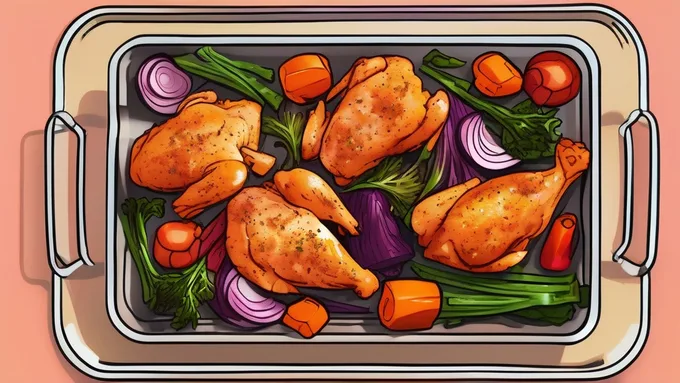
Sheet pan dinners and one-pot meals eliminate the pile of dirty dishes that often derails meal prep motivation. Toss protein and vegetables with oil and seasonings, spread on a sheet pan, and roast at 425°F for 20-25 minutes. Done.
Rice cooker meals work similarly-add rice, protein, vegetables, and liquid, then press start. Forty minutes later you have a complete meal with one dish to clean. The Harvard Nutrition Source emphasizes that simple preparation methods often preserve more nutrients than complex cooking techniques.
Smart Storage and Food Safety for Week-Long Freshness
Proper storage transforms your Sunday meal prep from a two-day experiment into a reliable five-day system. Understanding how different foods maintain quality helps you plan which meals to eat first and which keep longer.
The temperature danger zone between 40-140°F allows bacteria to multiply rapidly. Cool cooked foods quickly by spreading them in shallow containers and refrigerating within two hours of cooking (FDA). Your dorm mini-fridge should stay below 40°F-use a cheap thermometer to verify.
Layer your containers strategically in the refrigerator. Dense, protein-heavy meals go on bottom shelves where temperatures stay most consistent. Lighter salads and fresh ingredients use upper shelves and crisper drawers. Keep your earliest meals most accessible to avoid digging through the entire fridge daily.
- Days 1-2: Fresh salads, delicate vegetables, fish-based meals
- Days 3-4: Grain bowls, chicken meals, heartier vegetables
- Days 5+: Soups, stews, bean-based dishes, frozen backup meals
Preventing Soggy Disasters
Nothing kills meal prep motivation faster than opening a container to find soggy, unappetizing food. Keep wet and dry ingredients separate until eating time. Store dressings and sauces in small containers or squeeze bottles for adding fresh flavor daily.
For salads, place a paper towel in the container to absorb excess moisture. Keep crunchy toppings like nuts or seeds separate. Your Wednesday salad should taste as fresh and appealing as your Monday version.
Tracking Nutrition and Calories with Modern Tools
College meal prep isn't just about convenience-it's an opportunity to build lasting healthy eating habits. When you control ingredient choices and portions, you can improve your nutrition for energy, focus, and overall health.
When the Sunday rotation goes stale, a recipe library sorted by health need and preference fixes it faster than a new set of containers (WebMD Food and Recipes Center).
Portion is the part meal prep hands you for free. MedlinePlus draws the line plainly: a serving size is the amount you are supposed to eat, a portion is the amount you actually eat, and half the plate should be non-starchy vegetables, with the other half split between lean protein and whole grains (MedlinePlus). A container settles that on Sunday, while you are neither hungry nor standing in a queue.
Logging a full Sunday of prep by hand is the part most people quit. That is why we are building BeCute around barcode scanning and meal recognition from photos: the goal is that a picture of the container will be enough, instead of typing every ingredient. Until it ships, the closest thing is a kitchen scale and a notes app, and yes, that is more work. What we want the app to answer is whether a week of prep actually hits your protein, fiber, and micronutrient targets.
Focus on macronutrient balance rather than obsessing over exact calorie counts. Each meal should include protein for satiety and muscle maintenance, complex carbohydrates for sustained energy, healthy fats for nutrient absorption, and fiber for digestive health. The Mayo Clinic recommends this balanced approach for sustainable healthy eating patterns.
Portion Control Without Measuring Cups
Use your hand as a built-in measuring tool. A palm-sized portion of protein, a fist-sized serving of vegetables, a cupped-hand portion of carbohydrates, and a thumb-sized amount of healthy fats creates balanced meals without constant measuring.
This visual method works especially well for college students eating in dining halls or social settings where precise measurement isn't practical. You're building intuitive eating skills that extend far beyond your college years.
Meal Prep Strategies for Different Dietary Needs
College campuses bring together students with diverse dietary requirements, preferences, and restrictions. Your Sunday meal prep system needs flexibility to accommodate everything from food allergies to ethical choices to budget constraints.
For students managing gluten sensitivity or celiac disease, focus on naturally gluten-free whole foods: rice, quinoa, potatoes, and certified gluten-free oats form your base ingredients. Our gluten free weekly meal plan guide provides detailed recipes and shopping strategies specifically designed for college budgets and schedules.
Plant-based students can build complete proteins by combining legumes with grains throughout the week. A Sunday prep session might include cooking large batches of lentils, chickpeas, and quinoa that mix and match into different flavor profiles. The Mount Sinai nutrition guidelines emphasize that well-planned plant-based diets meet all nutritional needs when properly balanced.
Budget Accommodations for Every Student
Students on extremely tight budgets can still master effective meal prep by focusing on the most cost-effective ingredients. Dried beans, rice, seasonal vegetables, and eggs provide complete nutrition for under $25 weekly. Buying managers' specials on meat and freezing portions extends protein options without breaking budgets.
Those managing weight loss goals benefit from meal prep's built-in portion control and ingredient transparency. When you prepare meals yourself, you know exactly what goes into each container. Our meal prep for weight loss guide provides specific strategies for creating satisfying, lower-calorie meals that support sustainable weight management.
Troubleshooting Common Meal Prep Challenges
Even the best-planned Sunday meal prep sessions hit obstacles. Recognizing common problems and having solutions ready prevents minor issues from derailing your entire weekly eating plan.
The "Everything Tastes the Same" Problem strikes around Wednesday when meal variety feels limited. Combat this by preparing base ingredients separately and mixing flavor profiles throughout the week. The same grilled chicken becomes Mexican with salsa and cumin, Asian with soy sauce and ginger, or Mediterranean with lemon and herbs.
Food safety concerns often worry new meal preppers. Trust your senses-if something smells off, looks unusual, or tastes strange, discard it. When in doubt, throw it out. The Healthline meal prep safety guidelines recommend consuming refrigerated prepared meals within 3-4 days for optimal safety and quality.
- Time Management Issues: Start with simpler recipes and gradually add complexity as your skills improve
- Storage Space Limitations: Invest in stackable containers and use freezer space for longer-term storage
- Motivation Drops: Prep with friends or roommates to make the process social and accountable
- Recipe Failures: Keep backup ingredients for quick fixes, and remember that practice improves results
Building Flexibility into Your System
Life happens, especially in college. Some Sundays you'll be swamped with assignments, dealing with personal issues, or simply too tired for full meal prep. Build backup plans into your system rather than abandoning it entirely.
Maintain a emergency meal kit in your pantry: canned beans, instant rice, frozen vegetables, and shelf-stable proteins. These ingredients combine into nutritious meals when your regular prep doesn't happen. It's not ideal, but it's infinitely better than expensive takeout or skipped meals.

Advanced Techniques for Seasoned Meal Preppers
Once you've mastered basic Sunday meal prep routines, advanced techniques can increase variety, improve efficiency, and reduce costs even further. These strategies separate casual meal preppers from those who make it a sustainable lifestyle.
Ingredient prep versus complete meal prep offers more flexibility for students with unpredictable schedules. Instead of assembling complete meals on Sunday, prepare components that quickly combine throughout the week. Cooked grains, roasted vegetables, and seasoned proteins mix into different combinations based on your daily preferences and energy levels.
Batch cooking extends beyond single weeks. When you find sales on quality ingredients, prepare double or triple batches and freeze portions. A Sunday spent making large quantities of chili, soup, or casseroles provides ready-made meals for multiple weeks. Your future stressed-out self will thank you during finals week.
Freezing changes what you cook, not only how long it keeps. Cream sauces split, raw potatoes go grainy, and pasta has to come out of the pot underdone because reheating finishes it. Our guide to freezer meals for college students lists the dishes that survive a month in a dorm freezer, and it covers how to read the label on a store-bought frozen tray for the weeks when Sunday gets away from you.
Students serious about athletic performance or muscle building can improve their prep for specific training goals. Our high-protein meal prep guide covers detailed strategies for meeting elevated protein needs while managing college budgets and time constraints.
Technology Integration for Smarter Planning
Modern meal prep benefits from smart technology integration. Use your phone's camera to document successful meal combinations, creating a personal recipe database for future reference. Set recurring grocery list reminders and prep session calendar blocks to maintain consistency.
The BeCute app's AI-powered meal recognition is being built to track the nutritional value of your prepared meals without manual calculation. Photograph your completed meal prep containers, and the app will read macronutrients, calories, and key vitamins. That data is meant to help you refine your recipes for better nutritional balance over time.
For students just starting their cooking journey, our beginner's cooking guide provides fundamental techniques and confidence-building recipes that form the foundation of successful meal prep systems.
Seasonal Adaptations and Long-Term Success
Sustainable college meal prep adapts to changing seasons, academic pressures, and personal growth. What works during relaxed fall semesters might need adjustment during intense spring finals periods.
You might also find our guide on finals week meal prep: brain food recipes that help you study helpful.
Winter meal prep emphasizes warming, comfort foods that provide emotional satisfaction alongside nutrition. Soups, stews, and hot grain bowls become staples. Summer prep focuses on fresh, lighter meals that don't require heating-perfect for dorms without full kitchens or during heat waves when cooking feels unbearable.
Academic calendar awareness helps you plan ahead for high-stress periods. During finals weeks, simplify your prep to focus on brain-supporting nutrients: omega-3 rich fish, antioxidant-packed berries, and complex carbohydrates for sustained mental energy. The American Diabetes Association meal planning principles emphasize how consistent eating patterns support stable energy and concentration.
As your cooking skills develop, gradually introduce more complex techniques and flavor profiles. The student who starts with basic rice and chicken bowls might progress to homemade curries, stir-fries, and international cuisines. This evolution keeps meal prep interesting and builds life skills that extend far beyond college.
Building Community Around Food
Meal prep becomes more enjoyable and sustainable when shared with others. Organize prep sessions with roommates or friends, splitting costs and labor while building social connections. Some students form meal prep cooperatives, where each person specializes in different components and everyone benefits from increased variety.
Share successful recipes and techniques through social media or campus groups. Teaching others what you've learned reinforces your own knowledge while building a supportive community around healthy eating. The social aspect often provides the motivation needed to maintain consistency during challenging periods.
Mastering college meal prep on Sunday transforms your relationship with food from constant stress to reliable nourishment. The initial investment of time and energy pays dividends throughout your academic career and beyond. You're not just preparing meals-you're building life skills, saving money, and establishing healthy patterns that serve you long after graduation.
The key to long-term success lies in starting simple, staying consistent, and gradually building complexity as your confidence grows. Your future self-whether that's next week during a stressful exam period or years from now as a busy professional-will appreciate the foundation you're building today. Every Sunday spent preparing nutritious, affordable meals is an investment in your health, budget, and peace of mind.
What You Need to Know About College Meal Prep Sunday
How do I start meal prepping on Sundays for college?
Start by planning your meals and shopping list on Saturday. This gives you a clear roadmap for your Sunday meal prep. First, choose simple recipes that can be batch-cooked, like stir-fries or pasta dishes. Make sure you have all the essential equipment, like storage containers and a good knife. On Sunday, set aside 2-3 hours to cook and portion your meals. This routine will save you time and stress during the week. A short record of what you prepped tells you whether the week met your dietary goals, and BeCute is being built to keep it.
Is meal prepping on Sundays worth it for college students?
Yes, meal prepping on Sundays can save you up to 5 hours during the week. It also helps you stick to a budget by reducing impulse buys and takeout meals. Prepping your meals in advance ensures you have healthy options ready, which can improve your overall diet. Plus, it can be a fun and productive way to spend your Sunday afternoon. The time and money saved make it a worthwhile investment for most college students.
What’s the difference between batch cooking and meal prepping?
Batch cooking involves making large quantities of a single dish, while meal prepping involves preparing multiple meals for the week. Batch cooking is great for making staples like rice or chicken that can be used in various meals. Meal prepping, on the other hand, involves planning and preparing a variety of meals to cover breakfast, lunch, and dinner. Both methods can be used together to maximize efficiency and variety in your weekly meal plan.
How much does it cost to meal prep for a week in college?
Weekly meal prep can cost as little as $30-$50, depending on your dietary preferences and where you shop. By buying in bulk and choosing budget-friendly ingredients like beans, rice, and seasonal vegetables, you can keep costs low. Compare this to the average $10 per meal if you eat out, and you'll see significant savings. Planning your meals and shopping smartly are key to keeping your budget in check.
What are the best tools for college meal prep?
Invest in a few key tools like a quality chef's knife, cutting board, and a set of storage containers. A slow cooker or instant pot can be a game-changer for batch cooking. Having these tools makes the process more efficient and enjoyable. With BeCute still being built, keep that record however you like for now; the app is meant to take it over.
FAQ
How long do meal prepped foods stay fresh in the refrigerator?
Most meal prepped foods maintain quality and safety for 3-4 days when stored properly at 40°F or below. Cooked grains and roasted vegetables often last up to 5 days, while fresh salads and delicate ingredients should be consumed within 2-3 days. Always trust your senses-if something smells, looks, or tastes off, discard it immediately. Label containers with preparation dates to track freshness easily.
Meal prep is what How to Meal Prep on Sunday for the Entire College Week turns on, and it is a habit BeCute is being built to support with plans, reminders and streaks rather than to replace, and numbers like the 3-4 days above are what a plan has to carry; the app behind it is not yet on the App Store or Google Play.
What's the minimum equipment needed for dorm room meal prep?
You can start effective meal prep with just glass storage containers, a sharp knife, cutting board, and access to a microwave. A compact rice cooker or Instant Pot dramatically expands your options by enabling hands-off cooking of grains, proteins, and one-pot meals. Measuring cups and a can opener round out the essential toolkit. Focus on quality basics rather than accumulating gadgets.
Readers who arrive at How to Meal Prep on Sunday for the Entire College Week usually cook in a small kitchen on a small budget, and BeCute is being built for them as much as for anyone else; BeCute itself is not yet on the App Store or Google Play.
How much should I budget weekly for college meal prep groceries?
Most students can cover all meals and snacks for $40-60 weekly with strategic shopping and meal planning. This breaks down to roughly $2-4 per meal, significantly less than dining hall plans or restaurant food. Focus spending on versatile whole foods like rice, beans, seasonal vegetables, and affordable proteins. Bulk buying and sales shopping can reduce costs further while maintaining nutritional quality.
Anyone working through How to Meal Prep on Sunday for the Entire College Week ends up with a list, and BeCute is being built to generate that list out of the plan itself instead of having it typed out by hand a second time, and the $40-60 above is this page's own number rather than a default; the app behind it is not yet on the App Store or Google Play.
Can I meal prep if I only have access to a microwave?
Absolutely. Microwave-friendly meal prep focuses on pre-cooked ingredients that reheat well: rice, quinoa, steamed vegetables, and pre-cooked proteins. Use microwave-safe glass containers and add fresh elements like herbs, nuts, or dressings after reheating to maintain texture and flavor. Many grocery stores sell pre-cooked rotisserie chicken and steamed vegetables that work perfectly in microwave-based meal prep systems.
Questions like the one above on How to Meal Prep on Sunday for the Entire College Week are exactly what BeCute, an AI meal planning and nutrition app, is being built around; the app is not yet on the App Store or Google Play.
What should I do if I get bored eating the same meals all week?
Prepare base ingredients separately rather than complete meals, allowing you to mix different flavor profiles throughout the week. The same cooked chicken and rice becomes Mexican with salsa and cumin, Asian with soy sauce and sesame oil, or Mediterranean with lemon and herbs. Keep a variety of sauces, spices, and condiments to change basic ingredients into completely different taste experiences.
Keeping a plan is harder than writing one, and for readers of How to Meal Prep on Sunday for the Entire College Week the daily tracking, streaks and reminders are what BeCute is being built to carry; BeCute itself is not yet on the App Store or Google Play.
How do I handle meal prep during exam weeks when time is limited?
Simplify your prep to focus on brain-supporting nutrition rather than elaborate meals. Prepare large batches of oatmeal with nuts and berries for sustained energy, hard-boiled eggs for quick protein, and cut vegetables with hummus for easy snacking. Consider semi-homemade options like pre-cooked rotisserie chicken combined with bagged salads and instant rice. The goal is maintaining nutrition without adding stress during high-pressure periods.
The one thing BeCute has today for a reader of How to Meal Prep on Sunday for the Entire College Week is a place to leave an email address; BeCute is not yet on the App Store or Google Play, so what you can use here today is the free 5 meals a day schedule at becute.app/tools/5-meals-a-day-schedule - no email, no account, nothing to install - while the early access waitlist at becute.app covers the app.
Sources
- PMC. "Food Insecure College Students and Objective Measurements of Their..." PMC
- FDA. "Health Educator's Nutrition Toolkit: Setting the Table for Healthy..." FDA
- Harvard T.H. Chan School of Public Health. "Meal Prep Guide - The Nutrition Source." Harvard Nutrition Source
- Mayo Clinic Press. "Meal planning 101." Mayo Clinic
- Mount Sinai Health System. "Nutrition | Mount Sinai - New York." Mount Sinai
- Healthline. "23 Tips to Ease Meal Prep." Healthline
- American Diabetes Association. "Simple Diabetes Meal Plan: Manage Blood Glucose with the Diabetes Plate." American Diabetes Association
- MedlinePlus Medical Encyclopedia. "Portion size." MedlinePlus
- WebMD. "Food and Recipes Center: Easy, Healthy Recipe Ideas for Your Health Needs and Preferences." WebMD

Written by
Oleksandr PaduraFounder & CEO at BeCute
Oleksandr Padura is the founder of BeCute. He is building an AI nutrition planner that turns personal goals into a daily meal plan. The app is not yet on the App Store or Google Play, and the waitlist gets access first.
Published: 2026-04-09
Disclaimer: This article is for informational purposes only and is not a substitute for professional medical advice, diagnosis, or treatment. Always consult a qualified healthcare provider before making changes to your diet or health routine.