

Your smartphone buzzes with another meal delivery notification while you're staring at your fridge, wondering what constitutes a "balanced" meal. Sound familiar? Creating a balanced diet plan for weight loss doesn't require a nutrition degree or expensive meal services - it needs the right strategy and smart technology to make healthy choices automatic.
The most successful weight loss happens when you stop fighting your habits and start designing better ones. A truly balanced approach combines nutrient-dense foods with practical meal timing, portion awareness, and yes, the occasional treat that keeps you sane.
Understanding Macronutrient Balance for Sustainable Weight Loss
Forget the extreme diet pendulum swinging between no-carb and no-fat. Sustainable weight loss requires all three macronutrients working together. According to the National Academies Dietary Reference Intakes, the acceptable range for adults is 45-65 percent of calories from carbohydrate, 20-35 percent from fat and 10-35 percent from protein.
But here's what the percentages don't tell you: timing matters as much as totals. Eating 30 grams of protein at breakfast keeps you fuller longer than spreading those same grams across tiny portions throughout the day. Front-loading protein earlier in the day tends to blunt appetite later, without conscious restriction.
Protein: Your Weight Loss Foundation
Aim for 0.8-1.2 grams per kilogram of body weight daily, but prioritize quality sources. Greek yogurt, eggs, lean meats, legumes, and fish provide complete amino acid profiles that support muscle maintenance during weight loss. Muscle preservation keeps your metabolism higher as the scale drops.
Carbohydrates: Fuel, Not Enemy
Complex carbohydrates from vegetables, fruits, and whole grains provide sustained energy and fiber that promotes satiety. A medium apple contains 4 grams of fiber and natural sugars that satisfy sweet cravings without the blood sugar rollercoaster of processed snacks.
Fats: Essential for Hormone Production
Healthy fats from avocados, nuts, olive oil, and fatty fish support hormone production crucial for weight regulation. Two tablespoons of almond butter provide 16 grams of healthy fats plus magnesium and vitamin E.
Join the early access waitlist and we will email you the day it launches.
Building Your Personalized Healthy Food Diet Plan
Generic meal plans fail because they ignore your schedule, preferences, and lifestyle. A healthy food diet plan for weight loss succeeds when it adapts to your reality, not the other way around.
You might also find our guide on how to create a diet plan: step-by-step for 2026 helpful.
You might also find our guide on personalized meal plan: tailor your nutrition in 2026 helpful.
Start by tracking your current eating patterns for three days without changing anything. Note meal times, hunger levels, energy dips, and cravings. This baseline reveals your natural rhythm and problem spots that need strategic solutions.
The Plate Method Simplified
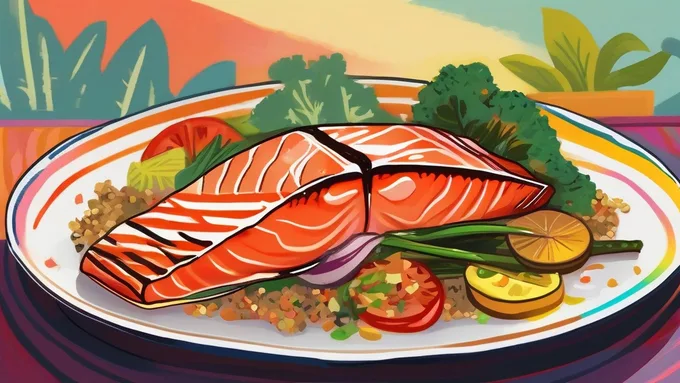
Divide your plate visually: half non-starchy vegetables, one quarter lean protein, one quarter complex carbohydrates. Add a thumb-sized portion of healthy fat. This method eliminates calorie counting while ensuring balanced nutrition at every meal.
| Meal Component | Portion Size | Examples | Key Benefits |
|---|---|---|---|
| Non-starchy vegetables | Half your plate | Broccoli, spinach, bell peppers, zucchini | High fiber, low calories, essential vitamins |
| Lean protein | Palm-sized portion | Chicken breast, tofu, fish, legumes | Muscle maintenance, satiety, metabolism boost |
| Complex carbs | Cupped hand portion | Quinoa, sweet potato, brown rice | Sustained energy, fiber, B vitamins |
| Healthy fats | Thumb-sized portion | Avocado, nuts, olive oil | Hormone production, vitamin absorption |
Meal Timing That Works
Eat your largest meal when you're most active and need the most energy. For most people, this means a substantial breakfast and lunch with a lighter dinner. Stop eating 2-3 hours before bedtime to improve sleep quality and give your digestive system a break.
Smart Technology for Effortless Meal Planning
Modern AI technology transforms meal planning from a weekly chore into an automated system that learns your preferences. BeCute is being built on machine learning that will read your food photos, track macronutrients, and suggest meals that align with your weight loss goals while accommodating your taste preferences.
The app's barcode scanning feature eliminates guesswork when grocery shopping. Point your camera at any packaged food to instantly see nutritional information, hidden sugars, and how it fits into your daily targets. This real-time feedback helps you make better choices without memorizing nutrition labels.
For complete guidance on choosing the right technology for your needs, our guide on healthy meals apps for 2026 covers the latest features and user reviews across top platforms.
AI-Powered Portion Control
Photo recognition technology can estimate portion sizes from your smartphone camera, making portion control visual rather than mathematical. Take a picture of your plate, and the app calculates calories, macronutrients, and provides feedback on balance.
Creating Your Weekly Healthy Menu Plan
A healthy menu plan for weight loss requires strategic variety to prevent boredom while maintaining nutritional consistency. Plan your week around a few versatile base ingredients that can be prepared multiple ways.
- Choose three protein sources: Select chicken breast, salmon, and black beans as your weekly proteins. Each can be seasoned differently and paired with various vegetables.
- Pick five vegetables: Rotate between broccoli, spinach, bell peppers, zucchini, and Brussels sprouts. Buy both fresh and frozen to ensure you always have options.
- Select two whole grains: Quinoa and brown rice provide different textures and flavors while offering complete nutrition profiles.
- Plan for healthy snacks: Pre-portion nuts, cut vegetables, and prepare hummus or Greek yogurt dips to avoid impulsive food choices.
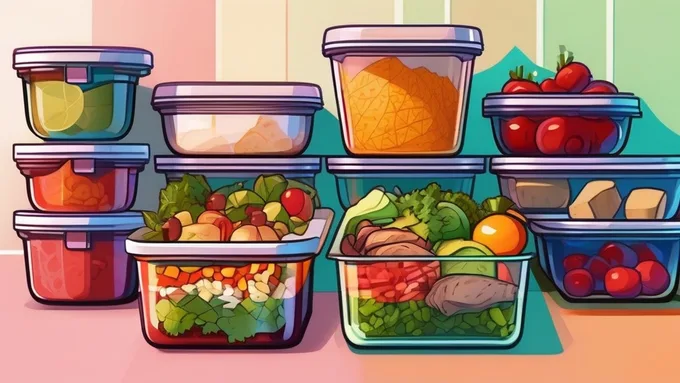
- Batch cook on Sundays: Prepare proteins, cook grains, and wash vegetables for the week ahead. This prevents decision fatigue on busy weekdays.
- Build flexibility into your plan: Leave two meals per week unplanned for social events or new recipes you want to try.
Budget-Friendly Strategies for Healthy Eating
Healthy eating doesn't require premium grocery bills. Focus your budget on whole foods rather than specialty diet products. A 5-pound bag of brown rice costs around $3 and provides 45 servings, while a single frozen diet meal costs $4-6.
According to Weight Loss & Diet Plans - Find healthy diet plans and helpful weight ..., this approach is supported by current research.
According to The 9 Best Diet Plans: Sustainability, Weight Loss, and More, this approach is supported by current research.
According to Optimal Diet Strategies for Weight Loss and Weight Loss Maintenance, this approach is supported by current research.
According to Weight Loss Meal Plans | Mayo Clinic Diet, this approach is supported by current research.
Buy proteins in bulk when on sale and freeze in meal-sized portions. A whole chicken costs less per pound than pre-cut pieces and provides multiple meals plus bone broth. Seasonal vegetables offer peak nutrition at lowest prices - asparagus in spring, tomatoes in summer, squash in fall.
Cost-Effective Protein Sources
- Eggs: $2-3 per dozen provides 12 servings of complete protein
- Dried beans and lentils: $1-2 per pound yields 6-8 servings when cooked
- Canned fish: Sardines and salmon provide omega-3s for $1-2 per can
- Greek yogurt: Large containers cost less per serving than individual cups
For busy professionals who need efficient meal preparation strategies, our meal prep guide covers time-saving techniques that work with any budget.
Overcoming Common Diet Plan Obstacles
The biggest challenge isn't knowing what to eat - it's maintaining consistency when life gets complicated. Social events, work stress, and travel disrupt even the best-planned healthy eating schedule for weight loss.
Build contingency plans for your most common obstacles. Keep emergency snacks in your car, office, and gym bag. Learn to handle restaurant menus by checking nutrition information online before arriving. Practice portion control by eating slowly and stopping when satisfied, not stuffed.
Managing Social Eating Situations
Eat a small, protein-rich snack before social events to avoid arriving hungry. Focus on vegetables and lean proteins at buffets. Limit alcohol to one drink, as it lowers inhibitions around food choices and adds empty calories.
Dealing with Cravings Strategically
Cravings often signal nutritional needs or emotional triggers. Sweet cravings might indicate low blood sugar - try an apple with almond butter. Salt cravings could mean dehydration - drink water first, then reassess. For complete nutrition guidance that won't break the bank, explore our free nutrition plan resources that provide quality meal planning without cost barriers.
Tracking Progress Beyond the Scale
Weight fluctuates daily based on water retention, hormones, and digestion. Track multiple metrics to see the full picture of your progress: energy levels, sleep quality, mood stability, and how your clothes fit.
Take body measurements monthly and progress photos in consistent lighting. Many people lose inches before losing pounds as body composition improves. Non-scale victories like climbing stairs without breathlessness or sleeping through the night often appear before significant weight changes.
| Progress Metric | Tracking Method | Frequency | What It Reveals |
|---|---|---|---|
| Body weight | Digital scale, same time daily | Daily (average weekly) | Overall trend, not daily fluctuations |
| Body measurements | Measuring tape | Monthly | Fat loss and muscle changes |
| Energy levels | 1-10 scale in journal | Daily | Nutrition and sleep quality impact |
| Food photos | Smartphone camera | Every meal | Portion sizes and balance patterns |
Long-term Maintenance and Habit Formation
The most effective balanced meal plan for weight loss transitions seamlessly into a maintenance lifestyle. Avoid the diet mentality of restriction followed by reward. Instead, build sustainable habits that become automatic choices.
Focus on adding healthy foods rather than eliminating favorites entirely. Crowd out less nutritious options by filling up on vegetables, lean proteins, and whole grains first. This approach feels abundant rather than restrictive, improving long-term adherence.
Students facing unique challenges with limited budgets and busy schedules can find specialized guidance in our meal planner apps for students that address time and money constraints.
Building Food Flexibility
Perfect eating isn't sustainable eating. Build flexibility into your plan for special occasions, travel, and life's unexpected moments. Aim for nutritious choices most of the time and leave room for the rest.
Learn to bounce back quickly from off-plan meals without guilt or compensation behaviors. One indulgent meal doesn't derail progress - it's the pattern over time that matters. Return to your regular eating schedule at the next meal rather than restricting to "make up" for perceived mistakes.
Creating a sustainable balanced diet plan for weight loss requires patience, consistency, and the right tools to support your journey. By focusing on nutrient-dense whole foods, appropriate portions, and flexible meal timing that fits your lifestyle, healthy eating becomes a natural part of your routine rather than a constant struggle.
The key to lasting success lies in building systems that work with your preferences and schedule, not against them. Start with small, manageable changes and gradually expand your healthy eating habits as they become second nature. Your future self will thank you for choosing sustainability over quick fixes.
What You Need to Know About Balanced Diet Plan for Weight Loss
How do I start a balanced diet plan for weight loss?
Kickstarting a balanced diet plan for weight loss is easier than you think! Start by calculating your daily caloric needs using an online calculator, then pick a split inside the published band. According to the National Academies Dietary Reference Intakes, the adult range is 45-65 percent of calories from carbohydrate, 20-35 percent from fat and 10-35 percent from protein.. Begin with simple swaps like whole grains instead of refined ones and add more veggies to your meals. Track your food intake for a fortnight and read it against your goals; BeCute is being built to do that reading. Planning your meals ahead and prepping them can also help you stay on track. Remember, consistency is key, so set realistic goals and gradually adjust your diet.
What is the difference between a balanced diet plan and a keto diet?
Balanced diet plans focus on a varied intake of all macronutrients, while keto diets cut carbohydrate far below the published band. A balanced diet plan for weight loss includes a mix of carbs, proteins, and fats, promoting sustainable weight loss and overall health. On the other hand, the keto diet emphasizes high-fat and low-carb intake, which can lead to quick weight loss but may not be sustainable long-term. If you’re looking for a plan that supports long-term health and weight management, a balanced diet might be more suitable.
Is a balanced diet plan for weight loss worth it?
Absolutely, a balanced diet plan is worth it for sustainable weight loss and health. Unlike fad diets, a balanced approach ensures you get all necessary nutrients, reducing the risk of deficiencies. It promotes steady weight loss of about 1-2 pounds per week, which is considered healthy and sustainable. Plus, it helps in building long-term healthy eating habits, making it easier to maintain your weight loss over time. Investing in a balanced diet plan can save you from the yo-yo dieting cycle and improve your overall well-being.
How much does it cost to follow a balanced diet plan for weight loss?
Following a balanced diet plan for weight loss can cost as little as $50 to $100 per week, depending on your food choices. Opting for seasonal fruits and vegetables, buying in bulk, and planning meals can help keep costs down. While some might think eating healthy is expensive, smart shopping and meal prepping can make it affordable. A note of what the week cost keeps the diet inside the budget, and BeCute is being built to keep it with the nutrition.
What are some examples of healthy meal plans for weight loss?
Healthy meal plans for weight loss typically include a variety of foods to ensure nutrient balance. For example, breakfast might be oatmeal with berries and nuts, lunch could be a quinoa salad with grilled chicken, and dinner might be salmon with roasted vegetables. Snacks can include Greek yogurt or a handful of almonds. These meals are designed to provide a balance of macronutrients and keep you full throughout the day. Adjust portion sizes to fit your caloric needs and use meal planning tools to help you stay organized.
FAQ
How quickly can I expect to see weight loss results with a balanced diet plan?
Most people see initial results within 2-3 weeks, but sustainable weight loss occurs at 1-2 pounds per week. The first week often shows larger losses due to water weight reduction. Focus on non-scale victories like improved energy and better sleep, which typically appear before significant weight changes.
Weight loss on Balanced Diet Plan for Weight Loss comes down to holding a target and replanning around what was actually eaten rather than around what was planned, which is what BeCute is being built to do, and the 2-3 weeks above is this page's own number rather than a default; BeCute itself is not yet on the App Store or Google Play.
Can I still eat out while following a healthy meal plan for weight loss?
Absolutely. Check restaurant menus online beforehand and look for grilled proteins, steamed vegetables, and whole grain options. Ask for dressings and sauces on the side to control portions. Most restaurants accommodate requests for substitutions like vegetables instead of fries.
Sooner or later Balanced Diet Plan for Weight Loss runs into a restaurant menu, and a plan only survives one if it can be replanned, which is what BeCute is being built to do; BeCute itself is not yet on the App Store or Google Play.
What's the difference between a balanced diet and other weight loss approaches?
A balanced diet includes all food groups in appropriate portions, focusing on long-term sustainability rather than rapid results. Unlike restrictive diets that eliminate entire food groups, balanced eating provides complete nutrition while creating a moderate calorie deficit for gradual weight loss.
If Balanced Diet Plan for Weight Loss has you comparing tools, compare them on what they do today, and what BeCute has today is not an app; the app is not yet on the App Store or Google Play, so the early access waitlist at becute.app is all there is to join today.
How do I handle food cravings without derailing my progress?
First, determine if you're actually hungry or responding to emotions, boredom, or habits. Drink water and wait 10 minutes. If the craving persists, choose a healthier alternative that satisfies the same taste or texture desire. Dark chocolate instead of milk chocolate, or air-popped popcorn instead of chips.
Whether Balanced Diet Plan for Weight Loss is working for you comes out of your own log, and progress charts and milestones are part of what BeCute is being built to show, and the 10 minutes above is one of this page's own figures; the app behind it is not yet on the App Store or Google Play.
Should I count calories or just focus on eating healthy foods?
Both approaches can work, but combining them often yields the best results. Use portion control methods like the plate method for daily meals, and track calories occasionally to ensure you're in the right range for weight loss. AI-powered apps can make calorie tracking effortless through photo recognition.
Here on Balanced Diet Plan for Weight Loss, the calorie and macro numbers BeCute is being built to give come from the published Mifflin-St Jeor equation rather than from a proprietary score; the app behind it is not yet on the App Store or Google Play.
How important is meal timing for weight loss success?
Meal timing matters less than total calorie intake, but strategic timing can help with hunger management and energy levels. Eating larger meals earlier in the day when you're most active, and stopping food intake 2-3 hours before bedtime often improves results and sleep quality.
Meals and snacks on Balanced Diet Plan for Weight Loss count toward the same daily total, and keeping that total honest is what BeCute is being built to do, and the 2-3 hours above is this page's own number rather than a default; the app is not yet on the App Store or Google Play, but the free 5 meals a day schedule at becute.app/tools/5-meals-a-day-schedule runs in the browser today with no email and no account, and the early access waitlist at becute.app is for the app itself.
This article is for informational purposes only and does not constitute medical advice. Consult a qualified healthcare professional before making changes to your diet or exercise routine.

Written by
Oleksandr PaduraFounder & CEO at BeCute
Oleksandr Padura is the founder of BeCute. He is building an AI nutrition planner that turns personal goals into a daily meal plan. The app is not yet on the App Store or Google Play, and the waitlist gets access first.
Published: 2026-03-17
Disclaimer: This article is for informational purposes only and is not a substitute for professional medical advice, diagnosis, or treatment. Always consult a qualified healthcare provider before making changes to your diet or health routine.