

Your phone buzzes at 6 PM. You're tired, hungry, and staring into a fridge that somehow contains everything and nothing at the same time. Sound familiar? Learning how to create meals that actually nourish your body doesn't require culinary school or a pantry makeover. It starts with understanding that cooking is a skill you can master, one meal at a time.
The ability to create meals consistently transforms your relationship with food, your budget, and your health. But here's what most beginners get wrong: they focus on complex recipes instead of building fundamental systems. The real secret lies in developing patterns, not perfecting dishes.
Why Most People Struggle to Create Meals Consistently
The biggest obstacle isn't lack of cooking skills-it's decision fatigue. Standing in your kitchen at dinnertime, wondering what to make, triggers the same mental exhaustion as scrolling a streaming catalogue. Your brain defaults to the path of least resistance: takeout, processed foods, or skipping meals entirely.
Modern grocery stores compound this problem. With a whole wall of products on the shelves, the volume of choice overwhelms rather than inspires. Add conflicting nutrition advice, time constraints, and the pressure to eat "perfectly," and it's no wonder many people feel defeated before they start.
Budget concerns create another barrier. Many assume that learning to create meals means expensive ingredients and specialty equipment. The truth? Whole foods cost less per serving than their processed counterparts, and basic cooking techniques require minimal investment in tools.
The Real Cost of Not Cooking
Americans spend roughly $3,500 annually on dining out and food delivery. That's enough to fund a year's worth of home-cooked meals for an entire family. But the financial impact pales compared to the health consequences of relying on restaurant meals, which typically contain 2-3 times more calories, sodium, and saturated fat than home-prepared versions.

Join the early access waitlist and we will email you the day it launches.
Essential Building Blocks to Create Meals Successfully
Think of meal creation like learning a language. You don't start with Shakespeare-you master basic vocabulary and grammar first. In cooking, your vocabulary consists of protein sources, vegetables, grains, and healthy fats. Your grammar is the cooking methods that bring them together.
The Foundation Four
Every satisfying meal contains these four elements, though not necessarily in equal proportions. Protein provides satiety and muscle support. Vegetables deliver fiber, vitamins, and minerals your body craves. Grains or starches fuel your energy needs. Healthy fats enhance flavor and help your body absorb fat-soluble vitamins.
Start by identifying 3-4 options in each category that you genuinely enjoy. Maybe your proteins are chicken thighs, eggs, and canned beans. Your vegetables might include spinach, bell peppers, and frozen broccoli. Grains could be brown rice, quinoa, and sweet potatoes. Healthy fats might mean olive oil, avocado, and nuts.
Master These Five Cooking Methods
Roasting, sauteing, steaming, grilling and slow cooking cover almost everything you will cook at home. Each method works across multiple ingredients, so learning one technique multiplies your meal options exponentially.
Roasting transforms vegetables into caramelized perfection and cooks proteins evenly. Set your oven to 425°F, toss ingredients with oil and seasonings, and let heat do the work. Sautéing in a hot pan with a little oil creates the foundation for stir-fries, scrambles, and quick vegetable sides.
Smart Strategies to Plan My Meals Without Overwhelm
Meal planning doesn't mean scripting every bite for the next month. It means creating a flexible framework that removes daily decision-making while accommodating your changing schedule and preferences.
You might also find our guide on how to meal prep on sunday for the entire college week helpful.
You might also find our guide on the complete beginner's guide to grocery shopping in college helpful.
Start with theme nights rather than specific recipes. Monday might be "grain bowl night," Tuesday could be "soup and salad," and Wednesday might feature "sheet pan dinners." This approach provides structure while maintaining creativity and reducing the mental load of constant meal decisions.
The Weekly Planning Rhythm
- Sunday Assessment: Check your calendar for the upcoming week. Identify busy nights when you'll need quick meals and slower evenings when you can try something new.
- Inventory Check: Look through your pantry, fridge, and freezer. Build meals around what you already have before adding new items to your shopping list.
- Recipe Selection: Choose 3-4 main meals for the week. Plan to make extra portions for leftovers rather than cooking something new every night.
- Shopping List Creation: Organize your list by store sections to make shopping more efficient and reduce the likelihood of forgetting items.
- Prep Day Setup: Dedicate 30-60 minutes to washing produce, cooking grains, or marinating proteins. Small actions on Sunday save significant time during busy weekdays.
The weekly meal plan approach becomes second nature after a few weeks of practice. Your brain starts recognizing patterns, and grocery shopping becomes faster and more focused.
Technology as Your Planning Partner
AI-powered apps promise to take the guesswork out of meal planning, and BeCute is being built for that, though it is not downloadable yet. By scanning barcodes and analyzing your eating patterns, the app learns your preferences and suggests meals that align with your nutrition goals. Instead of spending 20 minutes researching recipes, you get personalized recommendations in seconds.
| Planning Method | Time Investment | Flexibility Level | Best For |
|---|---|---|---|
| Theme Nights | 10 minutes weekly | High | Beginners, busy schedules |
| Detailed Recipe Planning | 30-45 minutes weekly | Medium | Cooking enthusiasts |
| AI-Assisted Planning | 5 minutes weekly | High | Tech-savvy, goal-oriented |
| Batch Cooking Focus | 2-3 hours weekly | Low | Meal preppers, large families |
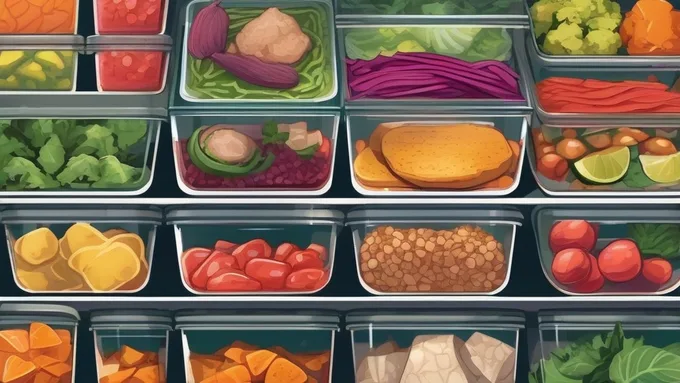
How to Make a Meal Plan That Actually Works
The difference between meal plans that work and those that get abandoned after a week comes down to realistic expectations and built-in flexibility. Perfect adherence isn't the goal-consistent progress is.
Design your meal plan around your real life, not your ideal life. If you typically work late on Thursdays, don't plan an elaborate dinner that requires 45 minutes of active cooking. Instead, prep a slow cooker meal in the morning or plan for a simple assembly meal using pre-cooked components.
The 80/20 Rule for Meal Planning
Plan most of your meals and leave the rest flexible for spontaneous dining out, social events, or those nights when you just want cereal for dinner. This buffer prevents the all-or-nothing mentality that derails many well-intentioned meal plans.
Research shows that structured meal planning leads to better nutrition outcomes and reduced food waste, but only when the plans remain sustainable over time.
Building Your Personal Recipe Collection
Instead of bookmarking recipes you will never make, focus on building a core collection of 15-20 meals you can prepare confidently. These become your reliable rotation-meals you can make without consulting a recipe, using ingredients you typically keep on hand.
- Quick Wins: 5-7 meals that take 20 minutes or less from start to finish
- Weekend Projects: 3-4 more involved recipes for when you have extra time
- Batch Friendly: 4-5 meals that freeze well or provide multiple servings
- Emergency Options: 2-3 meals using only pantry staples and frozen ingredients
The complete meal planning approach helps you identify which recipes deserve a permanent spot in your rotation based on how often you actually make them, not how appealing they sound in theory.
Budget-Friendly Approaches to Create Meals
Creating nutritious meals on a budget requires strategy, not sacrifice. The key lies in understanding which ingredients provide the most nutritional value per dollar and how to use them efficiently.
Protein often represents the largest expense in meal creation, but it doesn't have to break your budget. Eggs cost roughly $2-3 per dozen and provide high-quality protein for multiple meals. Dried beans and lentils offer protein and fiber for under $1 per pound. Chicken thighs cost significantly less than breasts while delivering more flavor and staying tender even when slightly overcooked.
Strategic Shopping for Maximum Value
Shop the perimeter of the grocery store first, where fresh produce, dairy, and proteins are typically located. Frozen vegetables often cost less than fresh and retain their nutritional value better than produce that's been sitting in your crisper drawer for a week.
Buy grains, nuts, and spices from bulk bins when available. You'll pay significantly less per pound and can purchase exactly the amount you need. A small container of cumin from the spice aisle might cost $3, while the same amount from bulk bins costs under $0.50.
| Ingredient Category | Budget Option | Cost per Serving | Nutrition Highlight |
|---|---|---|---|
| Protein | Dried lentils | $0.15 | 18g protein, 15g fiber |
| Vegetables | Frozen spinach | $0.25 | High iron, vitamin K |
| Grains | Brown rice (bulk) | $0.20 | Complex carbs, B vitamins |
| Healthy Fats | Olive oil | $0.10 | Monounsaturated fats |
Meal Creation on $50 Per Week
A weekly grocery budget of $50 can easily cover nutritious meals for one person when spent strategically. Allocate roughly $20 for proteins (including eggs, beans, and one meat option), $15 for produce (mixing fresh and frozen), $10 for grains and pantry staples, and $5 for dairy or plant-based alternatives.
- Batch Cook Grains: Cook a large pot of rice, quinoa, or barley on Sunday to use throughout the week
- Repurpose Leftovers: Turn Monday's roasted chicken into Tuesday's chicken salad and Wednesday's soup base
- Embrace Seasonal Produce: In-season vegetables cost less and taste better than out-of-season imports
- Stock Smart Staples: Keep olive oil, garlic, onions, and basic spices on hand to change simple ingredients
Two published numbers are worth keeping in view while the habit is forming. According to the CDC, 12.3 percent of US adults met the federal fruit recommendation in 2019. According to the CDC report, 10.0 percent met the vegetable recommendation. According to the USDA Economic Research Service, store-brand foods were priced 25 percent below national brands from July 2009 to August 2010, and 21 percent below during the recession before that.
Nutrition Tracking and Smart Food Choices
Understanding the nutritional content of your meals doesn't require a degree in dietetics, but it does benefit from the right tools and basic knowledge. The goal isn't to obsess over every macro and micronutrient, but to develop awareness of how your food choices support your health goals.
Modern nutrition tracking has evolved beyond simple calorie counting. AI-powered apps can now analyze the nutritional density of your meals, identify potential deficiencies, and suggest improvements based on your individual needs. This technology makes it easier to create meals that satisfy both your taste preferences and nutritional requirements.
Reading Labels Like a Pro
The nutrition facts panel tells only part of the story. The ingredient list reveals the whole picture. Ingredients are listed by weight, so the first few items make up the majority of the product. If sugar appears in the first three ingredients of your "healthy" granola bar, you're essentially eating candy.
Look for foods with ingredient lists you can pronounce and recognize. The DASH eating pattern emphasizes whole foods over processed alternatives, which naturally reduces sodium, added sugars, and artificial additives in your diet.
Using Technology to Simplify Tracking
Barcode scanning eliminates the guesswork in nutrition tracking. Instead of manually entering food data, you can scan packages and get instant nutritional information. BeCute's photo recognition is being built to take this a step further, reading your meals from pictures and giving nutritional breakdowns without asking you to log individual ingredients.
The personalized approach to meal planning uses your tracking data to identify patterns and suggest improvements. Maybe you consistently fall short on fiber, or your sodium intake spikes on busy weekdays when you rely on convenience foods.
Quick and Healthy Meal Ideas for Beginners
The best beginner meals share common characteristics: minimal prep time, forgiving techniques, and ingredients that are hard to ruin. These recipes build confidence while teaching fundamental cooking skills that apply to more complex dishes later.
Simple, nutritious meals don't require exotic ingredients or complicated techniques. Focus on combinations that highlight the natural flavors of quality ingredients rather than masking them with heavy sauces or excessive seasoning.
15-Minute Meal Formulas
- Scrambled Egg Bowl: Scramble eggs with whatever vegetables you have on hand, serve over quinoa or rice, top with avocado
- Sheet Pan Protein + Vegetables: Toss protein and chopped vegetables with olive oil and seasonings, roast at 425°F for 15-20 minutes
- Grain Bowl Assembly: Combine cooked grains, raw or roasted vegetables, protein, and a simple dressing
- Soup + Salad Combination: Heat quality canned soup, serve alongside a simple green salad with olive oil and lemon
- Pasta with Vegetables: Cook pasta according to package directions, sauté vegetables in olive oil and garlic, combine
Make-Ahead Options for Busy Weeks
Batch cooking doesn't mean eating the same meal seven times. It means preparing components that can be mixed and matched throughout the week. Cook a large batch of grains, roast several sheet pans of different vegetables, and prepare 2-3 protein options. These components recombine into a different meal most nights.
Soups, stews, and casseroles freeze beautifully and often taste better after the flavors have had time to meld. Portion them into individual serving sizes before freezing for easy reheating on busy nights.
Building Long-Term Success Habits
Sustainable meal creation habits develop gradually, not overnight. The key is consistency over perfection-making small improvements week after week rather than attempting dramatic changes that you can't maintain.
Track your progress through outcomes, not just actions. Are you eating out less frequently? Do you feel more energetic after meals? Are you saving money on food? These indicators matter more than whether you followed your meal plan perfectly every single day.
Adapting Your Approach Over Time
Your meal creation strategy should evolve as your life changes. A system that works for a single person won't necessarily work when you're cooking for a family. Seasonal preferences, budget changes, and health goals all influence how you approach meal planning and preparation.
The long-term benefits of consistent meal planning extend beyond nutrition. You develop intuition about flavors, learn to improvise with available ingredients, and build confidence in the kitchen that translates to other areas of life.
Troubleshooting Common Setbacks
Everyone experiences weeks when meal planning falls apart. Maybe you got sick, work became overwhelming, or you simply lost motivation. The difference between temporary setbacks and permanent failure lies in how quickly you return to your established patterns.
Keep emergency meal options available for these situations. Frozen vegetables, canned beans, and pre-cooked grains can create a nutritious meal in minutes. Having a backup plan prevents one difficult week from derailing months of progress.
Learning to create meals consistently transforms more than just your diet-it changes your relationship with food, time, and self-care. The skills you develop in the kitchen build confidence that extends far beyond cooking. You learn to plan ahead, problem-solve with available resources, and nourish yourself and others in meaningful ways.
Start small, stay consistent, and remember that every expert was once a beginner. Your future self will thank you for taking the first step today.
What You Need to Know About Create Meals
Why is it hard to create meals consistently?
Creating meals consistently is tough because most people lack time and planning skills. Busy schedules are the reason most people give for skipping meal prep. Without a plan, it's easy to fall into the trap of ordering takeout or skipping meals. The key is to establish a routine and keep a record of your meals; BeCute is being built to hold that record. By setting aside just an hour each week to plan, you can significantly reduce the stress of daily meal decisions.
How do I start making a meal plan?
Start making a meal plan by setting clear goals and choosing simple recipes. Begin with planning just three meals a week to avoid overwhelm. Read food labels and note what is in them, which is how the healthier option gets picked; BeCute is being built to return that from a barcode scan. Once comfortable, gradually increase the number of meals you plan. Remember, the goal is to make meal planning a habit, not a chore, so keep it simple and flexible.
What is the difference between meal planning and meal prepping?
Meal planning is about deciding what to eat, while meal prepping involves preparing those meals in advance. Meal planning focuses on the "what" and "when," helping you organize your week. Meal prepping, on the other hand, is the "how," involving cooking and portioning meals ahead of time. Both strategies save time and reduce stress, but meal prepping requires more upfront effort. Combining both can lead to a more efficient and healthy eating routine.
Is it worth it to create meals at home instead of eating out?
Creating meals at home is definitely worth it for both your wallet and your health. Cooking at home costs less than eating out, and the gap widens the more often you do it. Plus, you have full control over ingredients, which means healthier meals and better portion sizes. With BeCute still being built, track calories in whatever you use today; the app is meant to make a home-cooked meal as easy to log as a packet.
How can I create meals on a budget?
Creating meals on a budget is all about smart shopping and planning. Buy in bulk, choose seasonal produce, and plan meals around sales to cut costs. Meal planning cuts the grocery bill mostly by cutting waste. According to the USDA Economic Research Service, 31 percent of the available US food supply was lost at the retail and consumer levels in 2010. Keep a pantry list so you stop buying what you already have. BeCute is being built to keep that list current. With a little planning, you can enjoy nutritious meals without breaking the bank.
FAQ
How long does it take to learn basic meal creation skills?
Most people can master fundamental cooking techniques and develop a reliable meal rotation within 4-6 weeks of consistent practice. The key is focusing on simple, repeatable recipes rather than trying to learn complex techniques all at once. Start with 3-4 basic meals and gradually expand your repertoire as you build confidence.
Cooking is the point on Create Meals, and recipe ideas built from your goals and the ingredients already in your kitchen are on the BeCute build list, and the 4-6 weeks above is a number from this page, not from the app; the app is not yet on the App Store or Google Play.
What kitchen equipment do I need to start creating meals?
You can create nutritious meals with just a few basic tools: one good knife, a cutting board, a large skillet or sauté pan, a medium saucepan, and a sheet pan for roasting. A slow cooker or instant pot can be helpful but isn't essential when starting out.
Plenty of people start at Create Meals, and getting started is the part BeCute is being built to make short: one plan, one list, one target; the app is not yet on the App Store or Google Play, but the free 5 meals a day schedule at becute.app/tools/5-meals-a-day-schedule runs in the browser today with no email and no account, and the early access waitlist at becute.app is for the app itself.
How do I create meals when I have dietary restrictions?
Focus on naturally compliant whole foods rather than specialty products. If you're gluten-free, build meals around rice, quinoa, and vegetables instead of searching for gluten-free pasta alternatives. Most dietary restrictions become manageable when you emphasize simple, unprocessed ingredients and learn to read labels carefully.
The restrictions Create Meals deals with are an input rather than an afterthought in the personalized plans BeCute is being built to generate; the app is not yet on the App Store or Google Play.
Is it cheaper to create meals at home or buy prepared foods?
Home-cooked meals cost far less than restaurant equivalents and less again than prepared supermarket meals. A homemade chicken and vegetable stir-fry might cost $3-4 per serving, while a similar restaurant dish costs $12-15. The savings compound quickly when you cook regularly.
Anyone working through Create Meals ends up with a list, and BeCute is being built to generate that list out of the plan itself instead of having it typed out by hand a second time, and the $3-4 above is this page's own number rather than a default; the app behind it is not yet on the App Store or Google Play.
How can I create meals that my whole family will eat?
Start with familiar flavors and gradually introduce new ingredients alongside foods everyone already enjoys. Build meals around customizable components-like taco bars or grain bowls-where each person can choose their preferred toppings. Involve family members in meal planning and preparation to increase buy-in.
Households turn up in Create Meals, and a plan that follows one person's goals, preferences and restrictions is what BeCute is being built to produce; the app behind it is not yet on the App Store or Google Play.
What should I do if I don't have time to create meals from scratch?
Focus on assembly meals using quality pre-prepared components. Rotisserie chicken, pre-washed salads, frozen vegetables, and pre-cooked grains can create nutritious meals in 10-15 minutes. Batch cooking on weekends also provides ready-to-heat options for busy weeknights without relying on heavily processed convenience foods.
Time is the constraint on Create Meals, and planning around the time you actually have rather than around the time a recipe assumes is what BeCute is being built to do, and numbers like the 10-15 minutes above are what a plan has to carry; the app is not yet on the App Store or Google Play.

Written by
Oleksandr PaduraFounder & CEO at BeCute
Oleksandr Padura is the founder of BeCute. He is building an AI nutrition planner that turns personal goals into a daily meal plan. The app is not yet on the App Store or Google Play, and the waitlist gets access first.
Published: 2026-03-25
Disclaimer: This article is for informational purposes only and is not a substitute for professional medical advice, diagnosis, or treatment. Always consult a qualified healthcare provider before making changes to your diet or health routine.