

Key Takeaways
- The brain is the most expensive organ you own; stable blood glucose sustains 3-4 hour focus periods.
- 450-calorie meals with 25g protein, 15g fat, 35g carbs prevent energy crashes.
- Sunday 3-hour meal prep provides 5 complete brain-boosting meals Monday through Friday.
- Mild dehydration costs you concentration. According to the USGS Water Science School, the brain and heart are 73 percent water.
- Frozen fish costs less than fresh and keeps the same nutritional value.
Your brain is the most expensive organ you own, and most students fuel finals week with energy drinks and vending machine snacks. Smart meal prep changes everything. Instead of crashing at 2 PM or pulling all-nighters on empty stomachs, you can maintain steady focus and mental clarity through strategic nutrition planning.
Finals week meal prep isn't about complicated recipes or expensive superfoods. It's about batch-cooking nutrient-dense foods that support cognitive function, stabilize blood sugar, and keep you alert during those marathon study sessions. The key is preparing meals and snacks that require zero decision-making when you're stressed and sleep-deprived.
Join the early access waitlist and we will email you the day it launches.
Why Your Brain Needs Strategic Fuel During Finals
Your brain operates like a high-performance engine that demands premium fuel. During intense study periods, cognitive demands spike dramatically. Glucose metabolism increases, neurotransmitter production ramps up, and stress hormones flood your system.
Most students sabotage their performance with blood sugar rollercoasters. A bagel at 8 AM leads to a crash by 10 AM, followed by more quick carbs, creating an endless cycle of energy spikes and crashes. Research shows that stable blood glucose levels directly correlate with improved memory consolidation and sustained attention (World Health Organization).
Strategic meal prep eliminates these fluctuations. By combining complex carbohydrates, healthy fats, and complete proteins, you create steady energy release that lasts 3-4 hours per meal. This approach supports both short-term focus and long-term memory formation.
The Science Behind Brain Food
Omega-3 fatty acids from fish, walnuts, and flax seeds directly support brain cell membrane health. These fats improve communication between neurons and reduce inflammation that can impair cognitive function.
Antioxidants from berries, dark chocolate, and leafy greens protect brain cells from oxidative stress. During finals, your brain produces more free radicals due to increased metabolic activity and stress.
B vitamins from whole grains, eggs, and legumes support neurotransmitter synthesis. Deficiencies in B6, B12, and folate directly impact mood, memory, and concentration.
Essential Brain Foods for Your Finals Meal Prep
Building your meal prep around specific brain-boosting ingredients ensures every bite supports your academic performance. Focus on foods that provide sustained energy while delivering targeted nutrients for cognitive function.
| Brain Food | Key Nutrients | Cognitive Benefits | Prep Method |
|---|---|---|---|
| Wild Salmon | Omega-3 DHA, Protein | Memory formation, focus | Bake fillets, flake for salads |
| Blueberries | Anthocyanins, Vitamin C | Working memory, attention | Freeze portions, add to oats |
| Walnuts | ALA Omega-3, Vitamin E | Processing speed, mood | Pre-portion 1oz servings |
| Dark Leafy Greens | Folate, Iron, Vitamin K | Mental clarity, alertness | Wash, chop, store dry |
| Eggs | Choline, Complete protein | Neurotransmitter production | Hard-boil dozen, peel and store |
| Avocados | Monounsaturated fats | Blood flow to brain | Buy at varying ripeness |
Power Combinations That Work
Pairing these foods strategically amplifies their benefits. Iron absorption from spinach increases dramatically when combined with vitamin C from bell peppers or strawberries. Healthy fats from avocado help your body absorb fat-soluble vitamins A, D, E, and K from other vegetables.
Meal scanning is the feature we are building into the BeCute app for cases like this, where the pairing matters as much as the food. The intent: photograph a prepped container, get the nutrient breakdown back, and see what the plate is missing. It is in development, so today that pairing check is a label and a bit of arithmetic.
5-Day Finals Week Meal Prep Blueprint
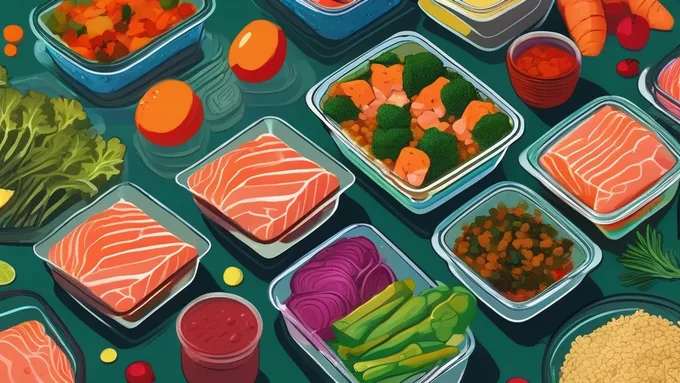
This system takes 3 hours on Sunday and feeds your brain all week. Each recipe serves 5 portions, giving you complete meals Monday through Friday. Scale up or down based on your schedule and appetite.
- Prep your proteins: Bake 2 pounds wild salmon seasoned with lemon and herbs at 400°F for 12-15 minutes. Hard-boil a dozen eggs. Cook 2 cups dry quinoa according to package directions.
- Roast your vegetables: Toss 4 cups broccoli florets and 2 cups Brussels sprouts with olive oil and salt. Roast at 425°F for 20-25 minutes until crispy edges form.
- Prepare your bases: Wash and massage 10 cups kale with lemon juice and salt. Cook 3 cups steel-cut oats with cinnamon and vanilla for breakfast portions.
- Portion your snacks: Divide 1 cup walnuts and 2 cups blueberries into ten small containers. Pre-cut 3 avocados and store with lime juice to prevent browning.
- Assemble your containers: Layer quinoa, kale, roasted vegetables, and flaked salmon in 5 glass containers. Drizzle with olive oil and lemon dressing.
This blueprint provides approximately 450 calories per meal with 25g protein, 15g healthy fats, and 35g complex carbohydrates. The macronutrient balance supports steady blood sugar and sustained mental energy.
Storage and Food Safety Tips
Proper storage extends freshness and prevents foodborne illness during your busy finals schedule. Glass containers with tight-fitting lids maintain food quality better than plastic and won't absorb odors or stains.
Store prepared meals in the refrigerator for up to 4 days. If you're prepping on Sunday for Friday consumption, consider freezing Wednesday's and Thursday's portions on Sunday, then moving them to the refrigerator Tuesday night.
Keep cut avocados fresh by storing them with lime juice in airtight containers. Berries last longer when stored unwashed with a paper towel to absorb excess moisture.
Quick Study Snacks That Actually Help
Between-meal snacks can either support your cognitive performance or sabotage it entirely. Skip the processed options and focus on combinations that provide sustained energy without the crash.
- Apple slices with almond butter: Natural sugars for quick energy, protein and fat for staying power
- Greek yogurt with berries and walnuts: Probiotics support gut-brain connection, antioxidants protect neurons
- Hard-boiled egg with whole grain crackers: Complete protein prevents afternoon energy dips
- Dark chocolate squares (the darker the better) with almonds: Flavonoids improve blood flow to brain
- Hummus with bell pepper strips: B vitamins from chickpeas, vitamin C enhances iron absorption
- Cottage cheese with cucumber and everything bagel seasoning: Casein protein provides steady amino acid release
Portion these snacks into grab-and-go containers during your Sunday prep session. Having them ready eliminates decision fatigue and prevents impulse purchases from vending machines.
Hydration Strategy for Mental Performance
Even mild dehydration impairs cognitive function, yet most students rely on caffeine instead of water. According to the USGS Water Science School, the brain and heart are 73 percent water. Losing even a little of that through dehydration costs you concentration.
Prepare large water bottles with electrolyte tablets or add sliced cucumber and mint for natural flavor. Green tea provides L-theanine, an amino acid that promotes calm focus when combined with caffeine.
| Beverage | Cognitive Effect | Best Timing | Prep Tip |
|---|---|---|---|
| Water with lemon | Baseline hydration | Throughout day | Pre-slice lemons, store in fridge |
| Green tea | Calm alertness | Morning, early afternoon | Cold brew overnight for smooth taste |
| Herbal tea (chamomile) | Stress reduction | Evening study breaks | Brew large batches, store chilled |
| Coconut water | Natural electrolytes | After long study sessions | Buy in bulk, chill individual servings |

Budget-Friendly Brain Food Shopping
Quality brain foods don't require a premium budget. Strategic shopping and bulk buying make nutritious meal prep affordable even on tight college finances. Focus your spending on nutrient-dense whole foods rather than expensive supplements or specialty products.
Frozen fish fillets cost less than fresh and keep the same nutritional value. Buy them in bulk when on sale and portion into meal-sized servings before freezing. Canned salmon provides the same omega-3 benefits at a fraction of the cost.
Bulk bins offer significant savings on nuts, seeds, and whole grains. Purchase exactly the quantities you need for your meal prep without paying for packaging. Steel-cut oats, quinoa, and brown rice store well and provide complex carbohydrates for sustained energy.
- Protein priorities: Eggs, canned fish, dried beans and lentils offer complete proteins at low cost
- Vegetable strategies: Frozen vegetables retain nutrients and won't spoil during busy finals week
- Fruit choices: Frozen berries cost less year-round and blend perfectly into smoothies
- Healthy fat sources: Peanut butter, sunflower seeds, and olive oil provide essential fats affordably
- Grain foundations: Oats, brown rice, and whole wheat pasta offer B vitamins and fiber
Our meal prep for weight loss guide includes detailed cost breakdowns and shopping strategies that apply to any meal prep goals, including academic performance optimization.
Seasonal Shopping for Maximum Savings
Time your shopping around seasonal produce availability to maximize both nutrition and budget efficiency. Spring finals coincide with fresh asparagus, spinach, and strawberries. Fall finals align with peak apple, sweet potato, and winter squash seasons.
Farmers markets often offer better prices than grocery stores, especially during peak harvest times. Building relationships with vendors can lead to bulk discounts on items perfect for meal prep.
Advanced Meal Prep Techniques for Busy Students
Efficiency becomes critical during finals when every minute counts. These advanced techniques maximize your meal prep impact while minimizing time investment. Master these methods once and apply them throughout your academic career.
Sheet pan cooking allows you to prepare multiple components simultaneously. Roast salmon fillets, sweet potato wedges, and broccoli on the same pan with different cooking times. Start the sweet potatoes first, add salmon after 15 minutes, then broccoli in the final 10 minutes.
The assembly line method speeds up container packing. Set up all your containers in rows, then add each component to all containers before moving to the next ingredient. This approach reduces back-and-forth movement and ensures consistent portions.
For students following high-protein meal prep routines, these techniques work perfectly for scaling up protein-rich recipes to meet both academic and athletic performance goals.
Technology Integration for Meal Prep Success
Planning tools cut guesswork and food waste. Barcode scanning in the BeCute app is being built for the aisle, not the kitchen: check what is in a box before it goes in the cart, so finals-week prep rests on the right ingredients rather than whatever was on sale.
Meal planning research shows that structured approaches improve both nutritional outcomes and time management (PMC). Digital tools support this structure by automating calculations and providing personalized recommendations based on your specific needs.
Set up recurring grocery orders for staple items like quinoa, frozen vegetables, and canned fish. This automation ensures you never run out of meal prep essentials during critical study periods.
Brain food is still food, and the day still has to add up. According to the National Academies Dietary Reference Intakes, the acceptable range for adults is 45-65 percent of calories from carbohydrate, 20-35 percent from fat and 10-35 percent from protein.
Timing Your Meals for Peak Mental Performance
When you eat matters as much as what you eat for cognitive optimization. Your brain's glucose needs fluctuate throughout the day, and strategic meal timing can enhance focus during your most important study sessions.
Morning meals should emphasize protein and healthy fats to provide sustained energy without blood sugar spikes. Save higher carbohydrate meals for evening when they support sleep quality and memory consolidation.
Research from nutrition planning experts indicates that eating every 3-4 hours maintains optimal blood glucose levels for cognitive function (National Institutes of Health). This timing prevents the energy crashes that derail productive study sessions.
- 7 AM breakfast: Steel-cut oats with walnuts and berries for steady morning energy
- 10 AM snack: Greek yogurt with almonds to bridge to lunch
- 1 PM lunch: Salmon quinoa bowl with leafy greens for afternoon focus
- 4 PM snack: Apple with almond butter to prevent late-day crashes
- 7 PM dinner: Eggs with sweet potato and vegetables for evening study sessions
This schedule aligns with natural circadian rhythms while supporting consistent mental energy. Adjust timing based on your class schedule and peak study hours.
Pre-Exam Nutrition Strategy
The night before and morning of exams require special nutritional consideration. Avoid experimenting with new foods that might cause digestive upset. Stick to familiar, well-tolerated options from your meal prep rotation.
Complex carbohydrates consumed 12-16 hours before an exam support glycogen storage in the brain. A dinner of quinoa with vegetables and lean protein provides this foundation. Morning of the exam, emphasize protein and healthy fats to maintain steady blood sugar during the test.
Our complete guide on smart nutrition for daily energy covers detailed strategies for improving meal timing around demanding mental tasks.
Adapting Meal Prep for Different Study Schedules
Not every student follows the traditional Monday-Friday class schedule. Night owls, early risers, and students with irregular class times need flexible meal prep approaches that adapt to their unique rhythms.
For late-night studiers, prepare portable meals that don't require heating. Cold quinoa salads, overnight oats, and protein-rich snacks work better than hot meals at 2 AM. Focus on foods that won't disrupt sleep when consumed late in the evening.
Early morning studiers benefit from grab-and-go breakfast options prepared the night before. Overnight oats with protein powder, hard-boiled eggs, and pre-portioned fruit provide quick nutrition without morning prep time.
Students with packed class schedules need ultra-portable options. Mason jar salads, protein bars made with whole food ingredients, and trail mix combinations travel well between classes and study locations.
The college meal prep Sunday routine provides frameworks for adapting these principles to any schedule, ensuring consistent nutrition regardless of your academic demands.
Group Study Session Meal Prep
Collaborative studying often involves shared meals and snacks. Plan group-friendly options that accommodate different dietary preferences while maintaining brain-boosting nutritional profiles.
Large batch recipes like quinoa salad, roasted vegetable medleys, and homemade trail mix feed multiple people efficiently. These options avoid common allergens while providing the nutrients needed for sustained group focus.
Coordinate with study group members to divide meal prep responsibilities. One person handles proteins, another manages vegetables, and a third focuses on healthy snacks. This division of labor reduces individual time investment while ensuring variety.
Troubleshooting Common Meal Prep Challenges
Even well-planned meal prep encounters obstacles during stressful finals periods. Anticipating these challenges and having backup strategies prevents nutrition derailment when academic pressure peaks.
Food fatigue hits when you eat the same meals repeatedly. Combat this by preparing base ingredients that combine into different dishes. Cooked quinoa becomes breakfast porridge with fruit, lunch salad with vegetables, or dinner side with protein.
Limited refrigerator space in dorm rooms requires creative storage solutions. Prioritize the most perishable items for refrigeration while storing shelf-stable components like nuts, seeds, and whole grains in sealed containers.
Time constraints during finals week might disrupt your normal prep schedule. Prepare backup options like individual nut butter packets, dried fruit, and whole grain crackers that require no preparation but still support cognitive function.
Quality nutrition guidance emphasizes flexibility and adaptation rather than rigid adherence to perfect plans (FDA). Having contingency options prevents abandoning healthy eating entirely when obstacles arise.
Strategic finals week meal prep transforms your academic performance by providing consistent brain fuel when you need it most. The combination of nutrient-dense whole foods, efficient preparation techniques, and flexible timing creates a sustainable system that supports both immediate focus and long-term health habits.
Start with the basic blueprint and adapt it to your schedule, preferences, and budget. The key is consistency rather than perfection - even implementing half these strategies will dramatically improve your mental energy and study effectiveness compared to relying on convenience foods and caffeine crashes.
Sources
- World Health Organization (2023). "Healthy diet." WHO
- PMC (2020). "Home Meal Preparation: A Powerful Medical Intervention." PMC
- National Institutes of Health (2024). "Food & Nutrition Meal Planning." NIH
- FDA (2024). "Health Educator's Nutrition Toolkit: Setting the Table for Healthy Eating." FDA
- Mayo Clinic (2024). "Weight Loss Meal Plans." Mayo Clinic Diet
- Penn Medicine (2024). "How to prepare for your colonoscopy." Penn Medicine
- Mount Sinai (2024). "Colonoscopy Preparation." Mount Sinai
- St Georges NHS (2024). "Liver reduction diet in preparation for Pre-operative liver reduction." St Georges NHS
- American Heart Association (2024). "Weekly Meal Plan Made Easy." AHA
- American Diabetes Association (2024). "Simple Diabetes Meal Plan: Manage Blood Glucose with the Diabetes Plate." ADA
What You Need to Know About Finals Week Meal Prep
How do I start meal prepping for finals week?
Kickstart your finals week meal prep by planning a 5-day menu focused on brain-boosting foods. First, list out meals and snacks rich in omega-3s, antioxidants, and complex carbs, like salmon, blueberries, and whole grains. Then, shop for these ingredients and set aside a few hours on the weekend to prep your meals. Read the barcode on what you buy during finals week and note the numbers as you go. BeCute is being built to do that scanning for you. This strategic approach ensures you have nutritious meals ready to fuel your study sessions without the stress of daily cooking.
What are the best foods to eat during finals week?
For finals week, prioritize foods that enhance cognitive function, like fatty fish, nuts, seeds, and dark leafy greens. These foods are packed with nutrients that support brain health, such as omega-3 fatty acids, vitamin E, and folate. Incorporate them into your meals and snacks to maintain energy levels and improve concentration. For example, a spinach and walnut salad with grilled salmon is a perfect brain-boosting lunch. Remember, the right foods can make a significant difference in your study performance.
Is meal prepping for finals week worth the cost?
Yes, meal prepping for finals week is worth the cost, as it can save you money and time in the long run. By buying ingredients in bulk and preparing meals in advance, you reduce the temptation to order expensive takeout. Plus, you ensure you're eating healthy, balanced meals that support your study efforts. Meal prepping cuts food expenses against eating out, mostly by cutting what gets thrown away. According to the USDA Economic Research Service, 31 percent of the available US food supply was lost at the retail and consumer levels in 2010. So, while there's an upfront investment, the benefits to your wallet and brainpower are substantial.
What's the difference between brain food and regular food?
Brain food is specifically chosen for its ability to enhance cognitive function, unlike regular food that may not have targeted benefits. Brain foods are rich in nutrients like omega-3 fatty acids, antioxidants, and vitamins that are crucial for brain health. For instance, blueberries and walnuts are considered brain foods due to their high antioxidant content, which helps protect brain cells. In contrast, regular foods might not offer these specific benefits, making brain foods a smarter choice during finals.
What are some quick study snacks for exams?
Quick study snacks that actually help include nuts, dark chocolate, and yogurt with berries. These snacks are not only easy to prepare but also packed with nutrients that boost brain function. For example, a small handful of almonds provides healthy fats and protein, while dark chocolate offers a quick energy boost and improves focus. Keep these snacks on hand to curb hunger and maintain your study momentum. With BeCute still being built, the nutritional value of these snacks is on the packet for now, and the app is meant to read it for you later.
FAQ
How long can I store meal prepped brain foods safely?
Most meal prepped combinations last 4-5 days in the refrigerator when stored in airtight glass containers. Cooked proteins like salmon and eggs maintain quality for up to 4 days, while vegetables and grains can last 5-6 days. If you're prepping on Sunday for Friday consumption, freeze Wednesday and Thursday's portions immediately, then thaw them Tuesday night for optimal freshness and food safety.
Anyone working through Finals Week Meal Prep ends up with a list, and BeCute is being built to generate that list out of the plan itself instead of having it typed out by hand a second time, and the 4-5 days above is this page's own number rather than a default; the app behind it is not yet on the App Store or Google Play.
What's the best meal prep approach for students with no kitchen access?
Focus on no-cook assembly meals using a mini-fridge and basic tools. Prepare mason jar salads with pre-cooked quinoa, canned salmon, nuts, and vegetables. Hard-boiled eggs from the campus dining hall, pre-cut vegetables, and nut butter packets create complete meals. Many residence halls have community kitchens available for batch cooking grains and proteins once weekly.
Readers who arrive at Finals Week Meal Prep usually cook in a small kitchen on a small budget, and BeCute is being built for them as much as for anyone else; BeCute itself is not yet on the App Store or Google Play.
Can I meal prep if I have food allergies or dietary restrictions?
Absolutely. The brain food principles adapt to any dietary pattern. Gluten-free students can use quinoa, rice, and certified oats. Those avoiding fish can get omega-3s from walnuts, chia seeds, and flax. Dairy-free options include coconut yogurt with probiotics and plant-based proteins like lentils and hemp seeds. The key is identifying nutrient-dense whole foods within your dietary guidelines.
Meal prep is what Finals Week Meal Prep turns on, and it is a habit BeCute is being built to support with plans, reminders and streaks rather than to replace; the app behind it is not yet on the App Store or Google Play.
How much should I budget for finals week meal prep?
Budget $40-60 per week for brain-boosting meal prep ingredients. This covers proteins ($15-20), vegetables and fruits ($10-15), whole grains and legumes ($5-8), and healthy fats like nuts and oils ($8-12). Buying in bulk, choosing frozen over fresh when appropriate, and focusing on versatile ingredients like eggs and canned fish maximizes your budget impact.
For the money side of Finals Week Meal Prep, the answer from us is that BeCute is free during early access, and free is a promise about launch rather than a product you can obtain today, and a figure like the $40-60 per week above only means something once it is yours; the app is not yet on the App Store or Google Play.
Do I need supplements if I'm eating brain foods regularly?
A well-planned meal prep routine with diverse whole foods typically provides adequate nutrients for cognitive function. However, students with limited sun exposure might benefit from vitamin D, and those avoiding fish could consider algae-based omega-3 supplements. Focus your budget on quality whole foods first, then consider targeted supplementation based on specific deficiencies identified through healthcare consultation.
For a page like Finals Week Meal Prep, grams beat guesses, and counting protein and the rest of the macros off the label is one of the things BeCute is being built to do; the app is not yet on the App Store or Google Play.
How do I maintain meal prep motivation during stressful finals periods?
Start with just 2-3 simple recipes and build gradually rather than attempting complex systems during high-stress periods. Prep with friends to make it social and divide the workload. Keep backup options like nuts, dried fruit, and whole grain crackers for days when fresh meals run out. Remember that even imperfect meal prep beats relying entirely on processed convenience foods during critical study periods.
The one thing BeCute has today for a reader of Finals Week Meal Prep is a place to leave an email address; BeCute is not yet on the App Store or Google Play, so what you can use here today is the free 5 meals a day schedule at becute.app/tools/5-meals-a-day-schedule - no email, no account, nothing to install - while the early access waitlist at becute.app covers the app.

Written by
Oleksandr PaduraFounder & CEO at BeCute
Oleksandr Padura is the founder of BeCute. He is building an AI nutrition planner that turns personal goals into a daily meal plan. The app is not yet on the App Store or Google Play, and the waitlist gets access first.
Published: 2026-04-14
Disclaimer: This article is for informational purposes only and is not a substitute for professional medical advice, diagnosis, or treatment. Always consult a qualified healthcare provider before making changes to your diet or health routine.