

Key Takeaways
- Campus food costs $240-400 monthly; meal prep reduces daily spending from $12-15 to $3-5.
- Pack meals 4-8 hours ahead using insulated bags keeping foods below 40°F for safety.
- Use 3-2-1 formula: three proteins, two carb bases, one vegetable creates dozens combinations weekly.
- Students relying on campus food show significantly higher weight gain rates than home-meal preppers.
- Sunday meal prep session takes 30 minutes planning plus evening assembly for 2-3 days.
You're rushing between classes, work, and home with barely enough time to grab a granola bar from the vending machine. Sound familiar? College commuters face unique food challenges that dorm students never encounter - no meal plan safety net, limited campus time, and the constant temptation of expensive fast food between lectures.
You might also find our guide on dining hall hacks: how to build ten different meals from a basic cafeteria helpful.
Smart college commuter meal prep transforms this daily struggle into a manageable routine. Instead of spending $12-15 daily on campus food or surviving on processed snacks, you can pack nutritious meals that fuel your brain and fit your budget. The key isn't complicated recipes or expensive containers - it's building a system that works with your hectic schedule.
Join the early access waitlist and we will email you the day it launches.
The Hidden Costs of Campus Eating
Campus food prices have skyrocketed beyond what most students can sustainably afford. A basic sandwich costs $8-10, coffee runs $4-6, and a full meal easily hits $15-20. For commuter students attending classes 4-5 days weekly, that's $240-400 monthly just on campus food.
You might also find our guide on meal guides: navigating nutrition with ease helpful.
But the financial drain isn't the only concern. Fast food environments dominate most college campuses, creating what researchers call "obesogenic" conditions that promote poor eating habits (PMC, 2022). Vending machines, food courts, and convenience stores offer primarily processed options high in sodium, sugar, and unhealthy fats.
College students who rely heavily on campus food sources show significantly higher rates of weight gain and poorer nutritional status compared to those who prepare meals at home (PMC, 2018). The convenience comes at a steep price - both financially and nutritionally.
Time Pressure Reality
Commuter students average 2-4 hours daily traveling to and from campus. Add class time, study sessions, and often part-time work, and you're looking at 10-12 hour days away from home. Traditional "grab lunch between classes" doesn't work when you have back-to-back lectures and a 45-minute commute.
This time crunch creates a perfect storm: you're hungry, stressed, and surrounded by expensive convenience options. Without a plan, you'll default to whatever's fastest and closest - usually the campus Subway or overpriced salad bar.
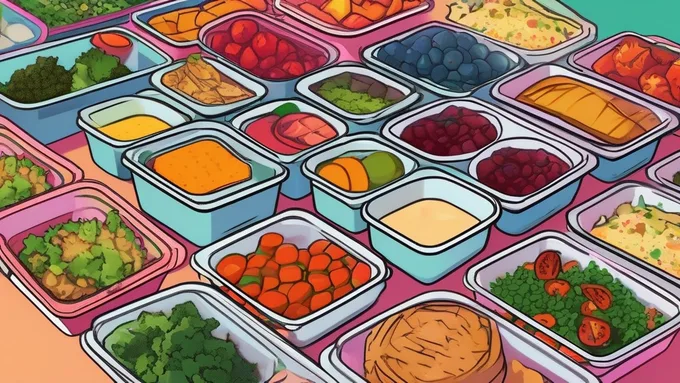
Essential Meal Prep Equipment for Commuters
Your meal prep success hinges on having the right portable equipment. Unlike dorm students with mini-fridges and microwaves, commuters need gear that travels well and keeps food safe for hours.
| Item | Purpose | Budget Option | Upgrade Choice |
|---|---|---|---|
| Insulated Lunch Bag | Temperature control | $15-25 | $40-60 |
| Glass Containers | Microwave-safe storage | $20-30 set | $50-80 set |
| Ice Packs | Food safety | $8-12 | $20-30 |
| Thermos/Insulated Bottle | Hot/cold beverages | $12-18 | $30-50 |
| Utensil Set | Reusable eating tools | $5-10 | $15-25 |
Start with the basics and upgrade pieces as your routine develops. A quality insulated bag makes the biggest difference - it's the foundation that keeps everything else working properly.
Food Safety Considerations
Commuter students face unique food safety challenges. Your lunch sits in a backpack or car for 4-8 hours, potentially in temperature danger zones. The USDA recommends keeping cold foods below 40°F and limiting time in the 40-140°F range to under two hours.
Invest in a good thermometer to test your bag's performance. Pack frozen water bottles as ice packs - they'll keep food cold and provide drinking water as they melt. For hot foods, use a quality thermos that maintains temperature for 6+ hours.
Strategic Meal Planning for Busy Schedules
Effective college commuter meal prep starts with understanding your weekly rhythm. Map out your campus days, class schedules, and typical hunger patterns. You'll likely need different strategies for MWF versus TTh schedules, or days with back-to-back classes versus longer breaks.
Plan meals around your schedule's constraints, not ideal eating times. If you have a 3-hour gap between classes, pack a substantial lunch. For days with 20-minute breaks, focus on portable snacks that provide sustained energy.
- Sunday Planning Session: Spend 30 minutes reviewing the upcoming week's schedule and identifying meal needs
- Batch Cooking: Prepare 3-4 base ingredients that mix and match throughout the week
- Assembly Line Packing: Use Sunday evening to pack 2-3 days of meals at once
- Backup Planning: Always have emergency snacks and know your best campus food options
- Weekly Review: Note what worked, what didn't, and adjust next week's plan accordingly
The 3-2-1 Meal Formula
Simplify your planning with this reliable formula: 3 protein options, 2 carb bases, and 1 vegetable variety per week. This creates enough variety to prevent boredom while keeping prep manageable.
For example: grilled chicken, hard-boiled eggs, and Greek yogurt (proteins); brown rice and sweet potatoes (carbs); roasted mixed vegetables (veggie). These nine components recombine into a different lunch every day of the week.
According to the CDC, 12.3 percent of US adults met the federal fruit recommendation in 2019. According to the CDC report, 10.0 percent met the vegetable recommendation. A packed lunch is the easiest place to change that number.
Budget-Friendly Prep Strategies
Smart commuter meal prep costs $3-5 per day versus $12-15 for campus meals. The key is buying versatile ingredients that work across multiple meals and focusing on nutrient density rather than convenience packaging.
Shop the perimeter of grocery stores first - produce, meat, dairy, and whole grains offer better value than processed center-aisle items. Buy proteins in bulk when on sale and freeze portions. A whole chicken costs $0.89-1.29 per pound versus $4-6 for pre-cooked strips.
| Food Category | Budget Winners | Cost Per Serving | Prep Method |
|---|---|---|---|
| Protein | Eggs, canned tuna, chicken thighs | $0.75-1.25 | Batch cook Sunday |
| Grains | Brown rice, oats, quinoa | $0.25-0.50 | Cook large batches |
| Vegetables | Frozen mixed, seasonal fresh | $0.50-1.00 | Roast or steam |
| Healthy Fats | Peanut butter, avocado, nuts | $0.30-0.75 | Portion control |
According to the USDA Economic Research Service, store-brand foods were priced 25 percent below national brands from July 2009 to August 2010, and 21 percent below during the recession before that. Stock up during sales and use apps to track prices across stores. Many students save $100+ monthly by switching from brand names to store brands for staples.
Seasonal Shopping Strategy
Align your meal planning with seasonal produce cycles. Summer brings cheap berries, tomatoes, and zucchini. Fall offers affordable apples, squash, and root vegetables. Winter focuses on citrus and hearty greens. Spring provides asparagus, peas, and early greens.
Frozen vegetables often provide better nutrition and value than out-of-season fresh options. They're picked at peak ripeness, flash-frozen to preserve nutrients, and available year-round at consistent prices. A bag of frozen broccoli costs $1-2 versus $3-4 for fresh heads that may be past prime.

Portable Lunch Ideas That Actually Taste Good
The biggest meal prep mistake is prioritizing nutrition over taste, then abandoning the system when everything becomes boring. Your commuter student food ideas need to satisfy both your taste buds and nutritional needs, or you'll default back to expensive campus options.
Focus on foods that taste good at room temperature or improve after sitting. Mediterranean flavors, Asian-inspired bowls, and Mexican-style combinations all travel well and develop better flavor as ingredients meld together.
- Mason Jar Salads: Layer dressing on bottom, sturdy vegetables next, grains/proteins in middle, delicate greens on top
- Grain Bowls: Quinoa or brown rice base with roasted vegetables, protein, and flavorful sauce
- Wrap Variations: Whole grain tortillas with hummus, vegetables, and lean proteins
- Bento-Style Boxes: Multiple small portions creating variety in one container
- Soup Thermos Meals: Hearty soups that stay hot for hours
- Cold Pasta Salads: Whole grain pasta with vegetables, cheese, and vinaigrette
Scanning ingredients during prep is the easiest way to know what is actually in these homemade meals. You can build custom recipes and get detailed breakdowns of calories, macronutrients, and micronutrients for each container you pack.
Make-Ahead Breakfast Solutions
Morning commutes leave little time for proper breakfast, but skipping this meal sets you up for poor food choices all day. Prepare grab-and-go breakfasts that provide sustained energy without requiring morning prep time.
Overnight oats become your best friend - mix oats, milk, yogurt, and toppings Sunday night for five days of ready breakfasts. Add different fruits, nuts, and spices to each jar for variety. They're filling, nutritious, and cost about $1 per serving versus $4-6 for campus breakfast items.
Smart Campus Eating Strategies
Even with excellent meal prep, you'll occasionally need campus food options. Research shows that students who identify healthy campus choices in advance make better decisions under time pressure (CDC).
Scout your campus for the best backup options during your first week. Look for places offering grilled proteins, fresh vegetables, and whole grain options. Many campuses now include healthier chains like Chipotle, Panera, or local farm-to-table concepts alongside traditional fast food.
When you must buy campus food, apply the same nutrition principles you use in meal prep. Choose meals with lean protein, complex carbohydrates, and vegetables. Avoid fried foods, sugary drinks, and oversized portions that leave you sluggish during afternoon classes.
Hydration Strategy
Dehydration affects cognitive function and energy levels - crucial factors for academic success. Campus beverages are expensive and often loaded with sugar or caffeine. A large coffee costs $4-5, while a sports drink runs $2-3.
Invest in a quality water bottle and use campus water fountains. Many schools now have filtered water stations specifically designed for bottle refills. Add flavor with lemon slices, cucumber, or sugar-free drink mixes to combat boredom.
Technology Tools for Meal Planning Success
Digital tools earn their place here by cutting shopping time, keeping the nutrition count honest, and giving you something to cook on a Wednesday. The BeCute app is our version for commuters and it is still in development: barcode scanning, photo recognition, and meal suggestions built from your own log rather than from a stock plan. Until it is out, a phone note and a repeat grocery order cover most of it.
For more on this topic, see our guide on meal prep for weight loss: simple 2026 guide.
Use your phone's camera to scan ingredient barcodes while shopping, automatically adding nutritional information to your meal plans. This feature helps ensure your prep meals meet your caloric and macronutrient targets without manual calculation.
Digital meal planning also helps with grocery budgeting. Track spending patterns, identify your most cost-effective meals, and get alerts when favorite ingredients go on sale at nearby stores.
Before an app saves you a single lunch, you have to pick one. Free meal planning apps for college students compares the ones you can install today, free tiers included. BeCute is not in the app stores yet, so the early access list is where you find out when a commuter can actually download it.
Nutrition Tracking Made Simple
Many students abandon nutrition tracking because traditional methods require tedious manual entry. Modern apps solve this problem through visual recognition technology. Take a photo of your prepared meal, and AI identifies ingredients and estimates portions automatically.
This technology proves especially valuable for homemade meals where nutrition labels don't exist. Whether you're following specific dietary guidelines or simply wanting to understand your eating patterns, automated tracking removes the friction that typically derails good intentions.
For students focused on fitness goals, our high-protein meal prep guide covers specialized nutrition needs for strength training alongside academic demands.
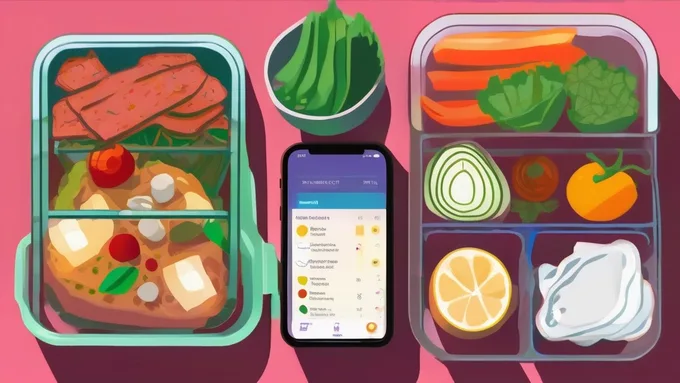
Meal Prep Timing and Organization
Successful commuter meal prep requires strategic timing that fits your academic schedule. Most students find Sunday afternoon or evening works best for major prep sessions, but your optimal timing depends on class schedules, work commitments, and personal energy patterns.
Block out 2-3 hours weekly for complete meal prep. This includes planning, shopping, cooking, and packaging meals for the upcoming week. Treat this time as non-negotiable - it's an investment that saves 5-10 hours during busy weekdays.
Break the process into manageable chunks if three straight hours feels overwhelming. Shop Saturday, prep proteins Sunday morning, and assemble meals Sunday evening. Find the rhythm that works with your lifestyle rather than forcing an ideal schedule.
Weekly Prep Workflow
Develop a consistent workflow that becomes automatic over time. Start with menu planning based on your schedule, sales at local stores, and ingredients you already have. Create a detailed shopping list organized by store sections to minimize shopping time.
During prep day, work in logical order: start slow-cooking items first, then move to chopping vegetables while proteins cook. Use multiple cooking methods simultaneously - oven roasting vegetables while stovetop grains simmer and proteins grill.
Our college meal prep Sunday guide provides detailed workflows and timing strategies that maximize efficiency during your weekly prep session.
Adapting to Dietary Restrictions
Commuter students with dietary restrictions face additional challenges since campus options are often limited. Whether you're managing food allergies, following religious dietary laws, or choosing plant-based eating, meal prep becomes even more crucial for maintaining your dietary needs.
Research campus dining options thoroughly during orientation or your first week. Many schools provide detailed ingredient lists and allergen information online. Connect with dining services staff who can guide you to suitable options and alert you to menu changes.
Build relationships with campus food service managers. They often accommodate special requests if given advance notice and can suggest modifications to standard menu items. Some schools offer special ordering systems for students with severe allergies or restrictive diets.
Gluten-Free Campus Navigation
Gluten-free students face particular challenges since cross-contamination concerns limit safe campus options. Even naturally gluten-free foods may be prepared in shared facilities with wheat products.
Pack extra meals and snacks to avoid situations where no safe options exist. Research has shown that college students with celiac disease who rely heavily on self-prepared meals maintain better health outcomes and academic performance (WHO).
For complete strategies on managing gluten-free eating in college, our gluten-free college survival guide covers meal planning, dining hall navigation, and dorm-friendly recipes.
Building Long-Term Healthy Habits
College commuter meal prep isn't just about surviving your current semester - it's building food skills and habits that serve you throughout life. The organizational systems, cooking techniques, and nutrition knowledge you develop now become the foundation for healthy eating in your career.
Focus on learning versatile cooking methods rather than following rigid recipes. Understanding how to roast vegetables, cook grains properly, and season proteins gives you infinite meal combinations. These skills translate to any living situation, budget, or dietary preference you encounter later.
Evidence-based nutrition education shows that students who learn practical food skills during college maintain healthier eating patterns long-term compared to those who rely primarily on convenience foods (Nutrition.gov).
Gradual Skill Development
Start with simple techniques and gradually expand your repertoire. Master basic knife skills, understand cooking temperatures, and learn to season foods properly. These fundamentals make every meal better and give you confidence to experiment with new ingredients.
Document your successful meals and modifications. Keep notes about what worked, what didn't, and how you might improve next time. This personal recipe collection becomes invaluable as you develop your cooking style and preferences.
Many healthcare institutions recognize the importance of practical nutrition education for young adults. Resources from places like Cleveland Clinic and Stanford Health Care provide evidence-based meal planning strategies that support both immediate health needs and long-term wellness goals.
Troubleshooting Common Challenges
Even well-planned meal prep systems encounter obstacles. Recognizing common problems and having solutions ready prevents temporary setbacks from derailing your entire routine.
Food boredom typically strikes after 2-3 weeks of the same rotation. Combat this by introducing one new recipe weekly while maintaining familiar favorites. Vary your seasoning profiles - the same base ingredients taste completely different with Italian versus Mexican versus Asian flavoring approaches.
Time crunches happen during finals, major projects, or unexpected life events. Prepare for these periods by having emergency meal options ready. Keep frozen pre-portioned meals, shelf-stable protein sources, and quick assembly ingredients on hand.
Equipment Failures and Backup Plans
Your insulated bag zipper breaks, containers crack, or ice packs lose effectiveness over time. Build redundancy into your system with backup equipment and alternative solutions.
Keep spare containers at home and in your car. Know which campus buildings have reliable microwaves and where to find hot water for instant oatmeal or soup. Have a mental list of your best campus food options for true emergencies.
Weather extremes affect commuter meal prep differently than dorm living. Summer heat requires extra ice packs and insulation, while winter cold can freeze water bottles and make some foods unappetizing. Adjust your meal choices seasonally to account for these factors.
Mastering college commuter meal prep transforms one of the most stressful aspects of student life into a manageable routine. You'll save thousands of dollars annually, eat more nutritiously than campus-dependent students, and develop life skills that extend far beyond graduation. The initial investment in equipment and time pays dividends in better health, improved focus, and financial freedom.
Start small with one or two prep meals weekly, then expand as your confidence and systems develop. Remember that perfection isn't the goal - consistency is. Even preparing half your campus meals at home creates significant benefits compared to relying entirely on expensive, processed campus options. Your future self will thank you for building these habits now.
What You Need to Know About College Commuter Meal Prep
How do I start meal prepping as a college commuter?
To kick off meal prepping as a college commuter, start by planning your meals for the week on Sunday. This means deciding on three to five simple recipes that you can rotate throughout the week. Focus on meals that are easy to pack and don't require reheating, like salads, wraps, or grain bowls. Make a shopping list based on these recipes and stick to it to avoid impulse buys. Invest in a few reusable containers and a good insulated lunch bag. A record of your packed lunches against your nutritional goals is easy to keep for a week, and BeCute is being built to keep it for you. By dedicating just a couple of hours each week to meal prep, you'll save time, money, and stress during your busy college days.
Is it cheaper to pack lunch for college or buy on campus?
Packing lunch for college is significantly cheaper than buying meals on campus. On average, a homemade lunch costs around $3 to $5, while campus meals can easily run you $8 to $12 per meal. Over a semester, this can save you hundreds of dollars. Plus, by packing your own meals, you have complete control over portion sizes and ingredients, which can help you eat healthier. If you're on a tight budget, meal prepping is a smart way to stretch your dollars further while still enjoying nutritious meals.
What are some easy commuter student food ideas?
Easy commuter student food ideas include wraps, salads, and overnight oats. Wraps are versatile and can be filled with a variety of proteins and veggies. Salads can be prepped in advance and stored in mason jars to keep them fresh. Overnight oats are a quick breakfast option that you can customize with fruits, nuts, and seeds. For snacks, consider packing nuts, yogurt, or fruit. These options are not only easy to prepare but also portable and nutritious, making them perfect for busy college days.
What's the difference between meal prepping and just packing lunch?
Meal prepping involves planning and preparing meals in advance, often for an entire week, while packing lunch typically refers to preparing a single meal for the day. Meal prepping can save you time and ensure you have balanced meals ready to go, reducing the temptation to buy unhealthy snacks. Packing lunch is more spontaneous and might not offer the same level of nutritional planning. By incorporating meal prep into your routine, you can streamline your week and maintain a healthier diet.
Is meal prepping worth it for college students?
Yes, meal prepping is absolutely worth it for college students. It saves time, reduces stress, and helps maintain a healthy diet. By spending just a couple of hours each week on meal prep, you can avoid the high costs and poor nutritional choices often associated with campus dining. Additionally, personalized nutrition insight is what BeCute is being built to add to meal prep, and it is not on the App Store or Google Play yet. Overall, meal prepping can be a game-changer for college students looking to balance their busy schedules with healthy eating habits.
FAQ
How long do meal prepped foods stay fresh?
Most properly stored meal prep foods remain safe and tasty for 3-4 days in the refrigerator. Cooked grains and roasted vegetables maintain quality longest, while leafy greens and cut fruits should be consumed within 2-3 days. Freeze portions you won't eat within the safe window, and always trust your senses - if something looks, smells, or tastes off, discard it.
Meal prep is what Meal Planning for College Commuters turns on, and it is a habit BeCute is being built to support with plans, reminders and streaks rather than to replace, and numbers like the 3-4 days above are what a plan has to carry; the app behind it is not yet on the App Store or Google Play.
What's the minimum time investment for effective meal prep?
You can create a week's worth of commuter meals in 2-3 hours of focused prep time. This includes cooking base ingredients, assembling containers, and cleaning up. Students with limited time can reduce this to 90 minutes by focusing on simple assembly meals using pre-cooked proteins and minimal chopping. A fair slice of that third hour goes on writing down what you made. BeCute is being built to take that part off the barcode while you pack.
Time is the constraint on Meal Planning for College Commuters, and planning around the time you actually have rather than around the time a recipe assumes is what BeCute is being built to do, and numbers like the 2-3 hours above are what a plan has to carry; the app is not yet on the App Store or Google Play.
How do I keep cold foods safe during long campus days?
Use a high-quality insulated bag with multiple ice packs, and keep it out of direct sunlight and hot cars. Frozen water bottles work excellently as ice packs while providing drinking water as they melt. Test your setup at home first - pack a container with a thermometer and check temperature after 6-8 hours to ensure it stays below 40°F.
Readers who arrive at Meal Planning for College Commuters usually cook in a small kitchen on a small budget, and BeCute is being built for them as much as for anyone else, and the 6-8 hours above is a number from this page, not from the app; BeCute itself is not yet on the App Store or Google Play.
What are the best foods for commuters without microwave access?
Focus on foods that taste good at room temperature: grain salads, wraps, sandwiches on hearty bread, pasta salads, and Mediterranean-style combinations. Mason jar salads stay fresh and crisp, while foods with bold flavors like Mexican or Asian-inspired bowls often improve as flavors meld. Invest in a quality thermos for hot soups and stews that stay warm for 6+ hours.
If Meal Planning for College Commuters has you comparing tools, compare them on what they do today, and what BeCute has today is not an app; the app is not yet on the App Store or Google Play, so the early access waitlist at becute.app is all there is to join today.
How can I meal prep on a tight college budget?
Prioritize versatile, nutrient-dense ingredients like eggs, dried beans, whole grains, and seasonal vegetables. Buy proteins in bulk when on sale and freeze portions. Shop generic brands and use apps to track sales at multiple stores. A well-planned prep routine costs $3-5 per day versus $12-15 for campus meals, saving $200-300 monthly. The saving only holds if you know what the week actually cost you. BeCute is being built to keep that running from the barcode.
For the money side of Meal Planning for College Commuters, the answer from us is that BeCute is free during early access, and free is a promise about launch rather than a product you can obtain today, and a figure like the $3-5 per day above only means something once it is yours; the app is not yet on the App Store or Google Play.
Should I prep all meals for the week at once?
Most students find success with a hybrid approach: prep 3-4 base ingredients on Sunday, then assemble 2-3 days of meals at once. This maintains freshness while reducing daily decision-making. Prepare shelf-stable components in larger batches, but assemble perishable items every few days to maintain optimal taste and food safety. Whichever rhythm you pick, prep day is the moment everything is still in its packaging and easy to record. BeCute is being built to record it for you from the barcode. It is not yet on the App Store or Google Play, so the way in is the early access list on the home page at becute.app, and your first personalized plan is waiting on the day BeCute opens - free during early access, no credit card.
A week gets rewritten sooner or later, and on Meal Planning for College Commuters rewriting one without rewriting every meal in it is what BeCute is being built to handle, and numbers like the 2-3 days above are what a plan has to carry; the app behind it is not yet on the App Store or Google Play, and what does work today is the free 5 meals a day schedule at becute.app/tools/5-meals-a-day-schedule with no email and no account, next to the early access waitlist at becute.app for the app.
Sources
- PMC (2022). "A College Fast-Food Environment and Student Food and Beverage Choices." PubMed Central
- PMC (2018). "College Students and Eating Habits: A Study Using An Ecological Model." PubMed Central
- CDC. "Evidence-Based Strategies for School Nutrition and Physical Activity." Centers for Disease Control and Prevention
- WHO. "Nutrition Guidelines and Resources." World Health Organization
- Nutrition.gov. "Food Shopping and Meal Planning." U.S. Department of Agriculture
- Cleveland Clinic. "Meal Prep Ideas for Breakfast, Lunch and Dinner." Cleveland Clinic
- Stanford Health Care. "Nutritional Resources for Patients." Stanford Health Care
- Penn Medicine. "Employee Resources." Penn Medicine
- UHS NHS Trust. "Bowel Preparation Using MoviPrep (Morning Procedure)." University Hospital Southampton
- American Heart Association. "Grocery Guide." American Heart Association

Written by
Oleksandr PaduraFounder & CEO at BeCute
Oleksandr Padura is the founder of BeCute. He is building an AI nutrition planner that turns personal goals into a daily meal plan. The app is not yet on the App Store or Google Play, and the waitlist gets access first.
Published: 2026-04-14
Disclaimer: This article is for informational purposes only and is not a substitute for professional medical advice, diagnosis, or treatment. Always consult a qualified healthcare provider before making changes to your diet or health routine.