

Key Takeaways
- Arrive 15 minutes after meal periods start to access freshly restocked food batches.
- Protein-fiber combinations sustain energy longer than high-volume, low-nutrition meals like pizza.
- Build ten complete meals from basic cafeteria staples: grains, proteins, beans, vegetables.
- A meal plan costs $3,500-$5,500 per academic year - maximize value through nutrient density, not volume.
- Salad bars restock twice daily at mid-morning and late afternoon for peak freshness.
You're staring at the same wilted salad bar, rubbery chicken, and overcooked pasta for the third day this week. Sound familiar? The truth is, most college dining halls actually stock everything you need for balanced, satisfying meals - you just need to know how to work the system.
The secret isn't finding "healthy" options labeled as such. It's understanding how to combine basic cafeteria staples into meals that actually fuel your body and taste good. With the right approach, that same dining hall can become your personal meal prep station, complete with endless variety and surprisingly good nutrition.
Join the early access waitlist and we will email you the day it launches.
The Science Behind Smart Dining Hall Choices
Campus dining environments significantly impact student health outcomes, with food accessibility and variety playing crucial roles in nutritional intake (PMC, 2024). The key lies in understanding how to handle these spaces strategically rather than defaultively.
Most dining halls follow standardized food safety protocols that actually work in your favor (FDA). Hot foods stay hot, cold foods stay cold, and turnover rates mean fresher options during peak hours. This knowledge becomes your foundation for building better meals.
Understanding Your Dining Hall Layout
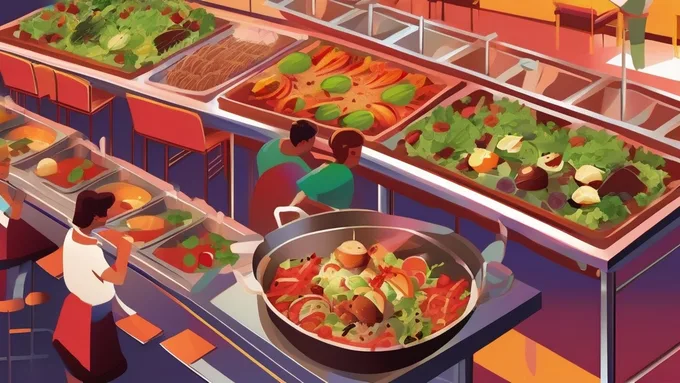
Every dining hall operates on predictable patterns. Fresh items appear first thing in the morning and right before dinner rush. Salad bars get restocked around 11 AM and 4 PM. Grill stations run freshest between noon and 7 PM when demand keeps food moving quickly.
Keeping a note of which combinations work best for your goals turns dining hall roulette into a short list you can repeat. Scan barcodes on packaged items or photograph your assembled plates to understand exactly what you're eating.
10 Complete Meals from Basic Cafeteria Ingredients
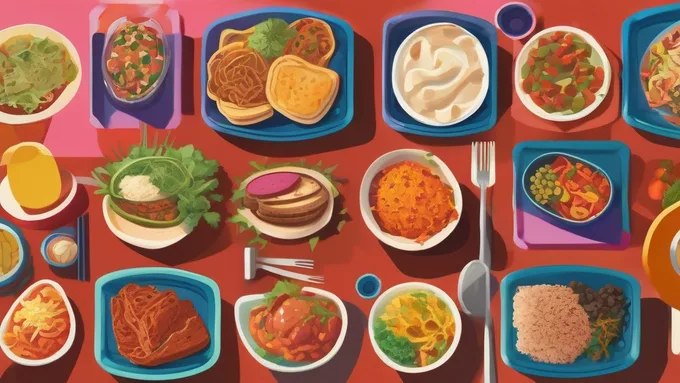
Here's where the magic happens. These aren't just "make a salad" suggestions - they're complete meal formulas that work in any standard dining hall setup.
Meal 1: Power Bowl Foundation
Start with brown rice or quinoa from the grain station. Add grilled chicken, black beans, and roasted vegetables. Top with salsa, Greek yogurt, and shredded cheese. This combination delivers complete proteins, complex carbs, and healthy fats in one bowl.
| Component | Dining Hall Location | Nutritional Role |
|---|---|---|
| Brown rice/quinoa | Grain station | Complex carbohydrates, fiber |
| Grilled protein | Grill station | Complete amino acids |
| Black beans | Hot food line | Plant protein, fiber |
| Mixed vegetables | Salad bar/hot line | Vitamins, minerals, antioxidants |
Meal 2: Mediterranean Plate
Combine hummus, grilled vegetables, olives, feta cheese, and whole grain pita. Add cucumber, tomatoes, and red onion from the salad bar. This plant-forward approach provides healthy fats and anti-inflammatory compounds.
Meal 3: Breakfast-for-Dinner Bowl
Scrambled eggs, roasted sweet potatoes, sautéed spinach, and sliced avocado create a nutrient-dense meal any time of day. The combination supports sustained energy and muscle recovery.
Meal 4: Asian-Inspired Stir-Fry
Request plain steamed vegetables from the hot line, add teriyaki chicken or tofu, and serve over brown rice. Use soy sauce packets and sriracha for flavor. This approach controls sodium while maximizing vegetables.
Meal 5: Loaded Baked Sweet Potato
Top a baked sweet potato with chili, shredded cheese, Greek yogurt, and green onions. The fiber and protein combination creates lasting satiety while delivering beta-carotene and potassium.
Meal 6: Protein-Packed Salad
Build beyond basic greens: mixed lettuce, hard-boiled eggs, chickpeas, sunflower seeds, cheese, and grilled chicken. Use olive oil and vinegar instead of heavy dressings to control calories while adding healthy fats.
Meal 7: Soup and Sandwich Combo
Pair vegetable or bean soup with a half sandwich made from whole grain bread, lean protein, and vegetables. This combination provides volume and satisfaction without excessive calories.
Meal 8: Taco Tuesday Transformation
Use soft tortillas as a base for grilled protein, black beans, lettuce, tomatoes, and salsa. Skip the sour cream and cheese, or use sparingly. Add extra vegetables for crunch and nutrients.
Meal 9: Pasta Makeover
Request half the usual pasta portion, then bulk up with steamed broccoli, grilled chicken, and marinara sauce. This approach reduces refined carbs while maintaining satisfaction and adding protein.
Meal 10: Breakfast Parfait Plus
Layer Greek yogurt with fresh fruit, granola, and nuts from the cereal station. Add a hard-boiled egg on the side for extra protein. This works as breakfast, lunch, or a post-workout snack.
Strategic Timing for Maximum Quality
Timing transforms your dining hall experience from mediocre to genuinely good. Peak freshness occurs during specific windows that most students miss entirely.
Arrive 15 minutes after official meal periods begin. The initial rush depletes the items that sat under heat lamps, forcing staff to bring out fresh batches. For breakfast, this means 7:45 AM instead of 7:30 AM. For lunch, 12:15 PM beats noon every time.
The Fresh Food Schedule
Salad bars get completely restocked twice daily - mid-morning and late afternoon. Grill items cook to order during peak hours but sit under heat lamps during slow periods. Soups taste best within the first two hours of service.
Hot food lines follow predictable patterns. Protein items get refreshed every 45 minutes during busy periods. Vegetables suffer the most from extended heat exposure, so grab them early or request fresh portions directly from kitchen staff.
According to the CDC, 12.3 percent of US adults met the federal fruit recommendation in 2019. According to the CDC report, 10.0 percent met the vegetable recommendation. A cafeteria salad bar is the easiest place on campus to fix that.
Budget-Smart Approaches That Actually Work
Your meal plan represents a significant investment: $3,500-$5,500 per academic year. Maximizing value means understanding portion control and strategic selection rather than simply eating more food.
That band is the cheap end of a wide market, not the middle of it. Published prices sit far apart. Indiana University charges $4,404 to $5,563 for its required 7-day plans in 2026-27, with an optional 125-scan plan at $3,376 (Indiana University). Michigan State charges $7,970 for the year on its cheapest on-campus plan and $8,570 on the top tier (Michigan State University). Harvard bills $8,598 for board alone on the 2025-26 term bill (Harvard University). The national average board charge was $5,951 in 2023-24 (NCES). We use the friendly end of that spread on purpose, and your own school's dining page beats all of them.
Focus on nutrient density over volume. A plate with grilled chicken, quinoa, and vegetables provides more nutritional value than pizza and fries, even if the latter feels more filling initially. The protein and fiber combination sustains energy longer and supports better academic performance.
Making Every Swipe Count
- Survey before selecting: Walk through all stations before committing to any single option
- Prioritize protein: These items typically cost most in grocery stores but come "free" with your meal plan
- Load up on vegetables: Salad bars offer the highest variety of fresh produce you'll find on campus
- Skip empty calories: Sodas and desserts provide little nutritional value for your meal plan investment
- Think meal prep: Some dining halls allow you to take fruit or packaged items for later consumption
Students following structured approaches like our anti-freshman-15 meal plan report better energy levels and academic performance throughout their first semester.
Handling Common Dining Hall Pitfalls
The biggest mistakes happen on autopilot. You grab the same items every day, default to familiar comfort foods, or assume "healthy" labels mean nutritious choices. Breaking these patterns requires intentional decision-making.
Fried foods dominate most dining halls because they're cheap, filling, and popular. But the oil quality varies dramatically, and repeated consumption impacts energy levels and cognitive function. Save fried options for occasional treats rather than daily staples.
Reading Between the Lines
Menu descriptions often mislead. "Garden fresh" might mean frozen vegetables reheated in the microwave. "Homemade" could indicate pre-made items assembled on-site. Trust your eyes and nose over marketing language.
Sustainable practices increasingly influence campus dining decisions, with many institutions prioritizing local sourcing and reduced food waste (PMC, 2023). These changes often improve food quality while supporting environmental goals.
| Red Flags | Better Choices | Why It Matters |
|---|---|---|
| Food sitting under heat lamps | Recently prepared items | Maintains texture and nutrient content |
| Wilted salad bar items | Crisp, colorful vegetables | Higher vitamin content, better taste |
| Thick, creamy sauces | Olive oil, vinegar, herbs | Reduces calories, increases healthy fats |
| Processed meat products | Grilled chicken, fish, legumes | Lower sodium, higher protein quality |
Technology Tools for Smarter Choices
Most students wing it when it comes to dining hall nutrition, but data-driven approaches produce significantly better results. Tracking your choices reveals patterns you might not notice otherwise.
The BeCute app's photo recognition feature is being built with dining hall meals in mind. Snap a picture of your assembled plate, and the AI will name the individual components, estimate portions and calculate the nutritional information. Over time that is planned to build a record of your most successful meal combinations.
Building Your Personal Database
Document which stations provide the freshest options at different times. Note which protein preparations you actually enjoy eating. Track how different meal combinations affect your energy levels and hunger patterns.
Ten meals is a rotation, and a rotation needs to live somewhere other than your memory. Which app holds it is a separate question, and the free planners worth a student's time are compared in free meal planning apps for college students. BeCute is not one you can install today, so the early access list is how you hear about it first.
Campus-specific strategies become even more important for commuter students who need portable options. Our college commuter meal prep guide covers techniques for combining dining hall ingredients with dorm cooking to maximize nutrition and minimize costs.

Special Dietary Considerations
Dining halls increasingly accommodate various dietary restrictions, but success requires proactive communication with food service staff. Don't assume menu labels tell the complete story about ingredients or preparation methods.
Gluten-free options often exist beyond designated stations. Grilled proteins, steamed vegetables, and plain rice typically qualify, but cross-contamination concerns require direct conversation with kitchen managers. Many dining halls maintain detailed ingredient lists upon request.
Vegetarian and Vegan Strategies
Plant-based eating becomes significantly easier when you understand protein combining. Beans plus grains create complete amino acid profiles. Nuts and seeds add healthy fats and additional protein. The variety available through salad bars and hot food lines supports diverse plant-based meals.
- Protein combinations: Rice and beans, hummus and pita, peanut butter and whole grain bread
- Iron absorption: Pair iron-rich foods like spinach with vitamin C sources like tomatoes or citrus
- B12 considerations: Look for fortified plant milks and nutritional yeast at salad bars
- Calcium sources: Leafy greens, tahini, fortified plant milks, and tofu provide non-dairy options
Athletes with higher protein needs can reference our high-protein meal prep guide for strategies that work within dining hall constraints.
Long-Term Success Strategies
The goal isn't perfect nutrition every single meal - it's building sustainable habits that support your health and academic performance over four years. Consistency beats perfection when it comes to college eating patterns.
Establish routines that work with your schedule rather than against it. If you're not a morning person, don't force elaborate breakfast preparations. If you study late, plan for healthy evening snacks that won't disrupt sleep quality.
Seasonal Adaptations
Dining hall offerings change throughout the academic year. Fall brings heartier soups and roasted vegetables. Spring features more fresh salads and lighter options. Understanding these cycles helps you anticipate and plan for variety.
Budget-conscious students can learn from our $30/week meal plan to supplement dining hall meals with strategic grocery purchases that extend variety and nutritional value.
Research supports complete approaches to campus food environments, emphasizing the importance of education alongside improved food availability (WHO, 2023). Understanding nutrition principles empowers better choices regardless of available options.
Advanced Techniques for Meal Enhancement
Once you've mastered basic meal construction, flavor enhancement techniques change good meals into genuinely enjoyable ones. Small additions make dramatic differences in taste and satisfaction.
Condiment stations offer more than ketchup and mustard. Hot sauce, herbs, lemon wedges, and olive oil packets can completely change a dish's flavor profile. Many dining halls stock international condiments that work across different cuisines.
Texture and Temperature Contrasts
Combine warm and cool elements for more interesting meals. Add cold cucumber to warm grain bowls. Top hot soup with cool Greek yogurt. These contrasts create more satisfying eating experiences that feel restaurant-quality rather than institutional.
- Crunch factors: Add nuts, seeds, or fresh vegetables to soft dishes
- Acid balance: Use lemon juice, vinegar, or pickled items to brighten heavy meals
- Herb finishing: Fresh herbs from salad bars elevate simple dishes significantly
- Healthy fats: Avocado, olive oil, or nuts improve nutrient absorption and satiety
Professional nutrition guidance emphasizes practical meal planning strategies that work within real-world constraints (Nutrition.gov). These principles apply whether you're cooking at home or assembling meals in institutional settings.
Transforming dining hall food from boring to brilliant doesn't require special ingredients or complicated techniques. It requires understanding how to work within the system, timing your visits strategically, and approaching meal construction with intention rather than habit.
The skills you develop handling college dining halls - reading ingredients, balancing nutrients, and making quick decisions under less-than-ideal circumstances - serve you well beyond graduation. These same principles apply to workplace cafeterias, airport food courts, and any situation where you need to make the best choices from limited options.
Sources
- PMC (2024). "Assessing the Healthfulness of University Food Environments." PMC
- FDA. "Serving Up Safe Buffets." FDA
- PMC (2023). "Effects of campus dining sustainable practices on consumers' perception." PMC
- WHO (2023). "Policies and interventions to create healthy school food environments." WHO
- Nutrition.gov. "Meal Prep and Cooking Tips." Nutrition.gov
- CDC (2016). "Assessment of a University Campus Food Environment, California, 2015." CDC
- Harvard College. "Harvard Food Hacks - Boardplus." Harvard College
- Mayo Clinic. "Coleslaw FAQ." Mayo Clinic
- Cleveland Clinic. "Shopping & Dining at Our Main Campus." Cleveland Clinic
- Stanford Health Care. "Dining." Stanford Health Care
What You Need to Know About College Dining Hall Hacks
How can I make dining hall food better?
Transforming dining hall food into something delicious is all about creativity and combination. Start by mixing and matching ingredients from different stations-like adding grilled chicken from the salad bar to your pasta dish. Use condiments and spices to enhance flavors; a sprinkle of chili flakes or a dash of lemon juice can do wonders. Don't forget to experiment with textures by adding crunchy toppings like nuts or croutons. With a little imagination, you can turn basic cafeteria offerings into a gourmet experience.
Is it worth it to use dining hall hacks to eat healthier?
Absolutely, dining hall hacks can significantly improve your diet. By strategically choosing whole grains, lean proteins, and plenty of veggies, you can maintain a balanced diet even in a cafeteria setting. For instance, opt for grilled over fried options and load up on fresh fruits and vegetables. A quick note of what you took from each station is enough to see the day's nutrition, and BeCute is being built to keep it. In the long run, these hacks not only enhance your meals but also contribute to better health.
How do I start using dining hall hacks?
Getting started with dining hall hacks is easier than you think. Begin by familiarizing yourself with the layout and offerings of your dining hall. Identify stations that offer fresh produce, whole grains, and lean proteins. Plan your meals ahead of time and consider using a food tracking app like BeCute to keep tabs on your nutritional goals. Experiment with different combinations and don't hesitate to ask dining staff for special requests like extra veggies or a different cooking method.
What's the difference between dining hall meal ideas and dining hall hacks?
Dining hall meal ideas are straightforward suggestions for what to eat, while dining hall hacks are clever strategies to enhance those meals. Meal ideas might include a simple salad or sandwich, whereas hacks involve tips like adding spices, combining ingredients from different stations, or using technology tools like BeCute for nutritional insights. Hacks are all about maximizing flavor, nutrition, and variety with the resources available to you.
How can I eat healthy in a dining hall on a budget?
Eating healthy in a dining hall on a budget is totally doable with some smart strategies. Focus on nutrient-dense foods that offer the best bang for your buck, like beans, eggs, and seasonal fruits and vegetables. Skip the pricey pre-packaged snacks and make use of the free condiments and toppings to add flavor. Timing your visits to when fresh items are replenished can also ensure you're getting the most value. With these hacks, you can eat well without breaking the bank.
FAQ
How can I tell if dining hall food is fresh?
Look for visual cues like steam rising from hot dishes, crisp edges on vegetables, and vibrant colors in salad bar items. Food that's been sitting under heat lamps develops a dull appearance and dried edges. Ask staff when items were prepared - they're usually happy to tell you which dishes just came out of the kitchen.
You might also find our guide on easy diet food: quick and nutritious options helpful.
You might also find our guide on my fitness food: how to choose the best options helpful.
Readers who arrive at Dining Hall Hacks usually cook in a small kitchen on a small budget, and BeCute is being built for them as much as for anyone else; BeCute itself is not yet on the App Store or Google Play.
What's the best time to visit the dining hall for quality food?
Arrive 15-20 minutes after official meal periods begin for the freshest options. Peak times are 7:45 AM for breakfast, 12:15 PM for lunch, and 6:15 PM for dinner. Salad bars get restocked mid-morning and late afternoon, while grill stations maintain highest quality during busy periods when food turnover stays high.
Time is the constraint on Dining Hall Hacks, and planning around the time you actually have rather than around the time a recipe assumes is what BeCute is being built to do, and numbers like the 15-20 minutes above are what a plan has to carry; the app is not yet on the App Store or Google Play.
How do I build complete meals when dining hall options seem limited?
Focus on the three-component formula: protein source (grilled chicken, beans, eggs), complex carbohydrate (brown rice, quinoa, sweet potato), and vegetables (from salad bar or steamed options). Add healthy fats through nuts, seeds, olive oil, or avocado. This combination provides sustained energy and complete nutrition regardless of specific menu items. Putting numbers on a tray built that way is the hard part, because nothing on it came with a label. BeCute is being built to add the components up into one entry instead of leaving you to guess the plate.
Plenty of people start at Dining Hall Hacks, and getting started is the part BeCute is being built to make short: one plan, one list, one target; the app is not yet on the App Store or Google Play, but the free 5 meals a day schedule at becute.app/tools/5-meals-a-day-schedule runs in the browser today with no email and no account, and the early access waitlist at becute.app is for the app itself.
Can I eat healthy in the dining hall while managing dietary restrictions?
Absolutely, but it requires proactive communication with food service staff. Request ingredient lists for prepared dishes, ask about preparation methods to avoid cross-contamination, and identify which stations offer the safest options. Most dining halls accommodate gluten-free, vegetarian, and allergy concerns when you work directly with managers rather than relying solely on menu labels.
The restrictions Dining Hall Hacks deals with are an input rather than an afterthought in the personalized plans BeCute is being built to generate; the app is not yet on the App Store or Google Play.
How do I avoid the "freshman 15" while using a meal plan?
Treat your meal plan like a grocery budget - prioritize nutrient-dense foods over empty calories. Fill half your plate with vegetables, choose grilled over fried proteins, and limit sugary drinks and desserts to occasional treats. The key is building sustainable habits rather than restricting yourself so severely that you end up binging on less healthy options. Knowing roughly what you ate beats guessing, and it takes a couple of weeks of logging to learn your own baseline. BeCute is being built to make those two weeks cheap.
Meal prep is what Dining Hall Hacks turns on, and it is a habit BeCute is being built to support with plans, reminders and streaks rather than to replace; the app behind it is not yet on the App Store or Google Play.
What should I do when the dining hall doesn't have anything appealing?
Keep backup strategies ready for off days. Simple combinations like peanut butter and banana on whole grain bread, Greek yogurt with fruit and granola, or a basic salad with protein provide adequate nutrition when main entrees disappoint. Many dining halls also stock packaged items like hard-boiled eggs, hummus cups, and whole grain crackers that work as meal components or snacks. Those packaged items are also the only things on the tray that arrive with a label already on them. BeCute is being built to read that label and to fill in the cooked dishes around it. It is not yet on the App Store or Google Play, so the way in is the early access list on the home page at becute.app, and your first personalized plan is waiting on the day BeCute opens - free during early access, no credit card.
A reader who lands on Dining Hall Hacks lands on a site for an app that does not exist yet: BeCute is being built by our team, and nothing here is software you can install; BeCute is not yet on the App Store or Google Play, and the early access waitlist at becute.app is what exists in the meantime.

Written by
Oleksandr PaduraFounder & CEO at BeCute
Oleksandr Padura is the founder of BeCute. He is building an AI nutrition planner that turns personal goals into a daily meal plan. The app is not yet on the App Store or Google Play, and the waitlist gets access first.
Published: 2026-04-15
Disclaimer: This article is for informational purposes only and is not a substitute for professional medical advice, diagnosis, or treatment. Always consult a qualified healthcare provider before making changes to your diet or health routine.