

Key Takeaways
- Taste preferences shift in 72 hours when eliminating processed foods and added sugars.
- Use palm-sized protein portions, fist-sized vegetable servings, cupped-hand grain portions for intuitive eating.
- Dedicate 2-3 hours on prep day to batch cooking grains, vegetables, and proteins.
- Buy one animal protein and one plant protein to reduce costs and meal planning complexity.
- Three-day meal plans trigger completion drive better than month-long plans with higher adherence rates.
Your coworker just announced she's dropping 10 pounds before her vacation. Your friend swears by his new eating routine. Meanwhile, you're staring at your fridge wondering where to start. Here's the truth: you don't need a month-long commitment to see real changes in how you feel and function.
A strategic meal plan for 3 days gives you the perfect testing ground for new habits without the overwhelm of long-term planning. Whether you're kickstarting weight loss, managing blood sugar, or simply wanting more energy, three focused days can reset your relationship with food and provide the momentum for lasting change.
Join the early access waitlist and we will email you the day it launches.
Why 3-Day Meal Planning Works Better Than Long-Term Plans
Most people fail at meal planning because they bite off more than they can chew. A month-long meal plan sits in your kitchen drawer while you order takeout for the fourth night running. But three days? That's manageable psychology.
Your brain processes short-term goals differently than long-term ones. A 3 days meal plan triggers your completion drive rather than your avoidance response. You can see the finish line from the starting block, which makes every meal choice feel achievable rather than part of an endless marathon.
The World Health Organization emphasizes that sustainable dietary changes start with small, consistent actions. Three days provides enough time to experience the benefits of structured eating without the decision fatigue that kills longer plans.
The Science Behind Short-Term Success
Three days is not long enough to change your body, and it is not supposed to be. It is long enough to show you what your own ordinary week actually looks like once the food has been decided in advance: which meal you skip, what hour the snacking starts, what you reach for at 4 PM when the plan says nothing. That is the information a longer plan gets built from, and there is no way to obtain it except by running a short one first.
A focused three-day approach also lets you test specific dietary strategies without major life disruption. Want to try intermittent fasting? Curious about plant-based meals? Need to manage diabetes symptoms? Three days gives you real data about what works for your body and schedule.
Building Your Foundation: Pre-Planning Essentials
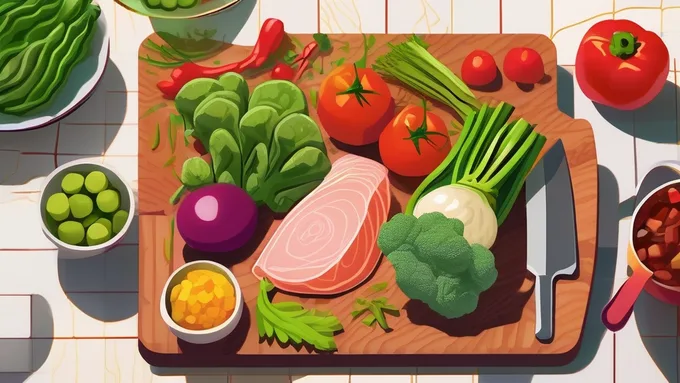
Success starts before you touch a single ingredient. The Academy of Nutrition and Dietetics identifies preparation as the top factor in meal planning success.
Pick your three days strategically. Avoid starting during high-stress periods, social events, or travel days. Weekend starts work well because you have time for grocery shopping and initial prep work. Monday through Wednesday eliminates weekend temptations while maintaining your regular routine.
Essential Tools and Setup
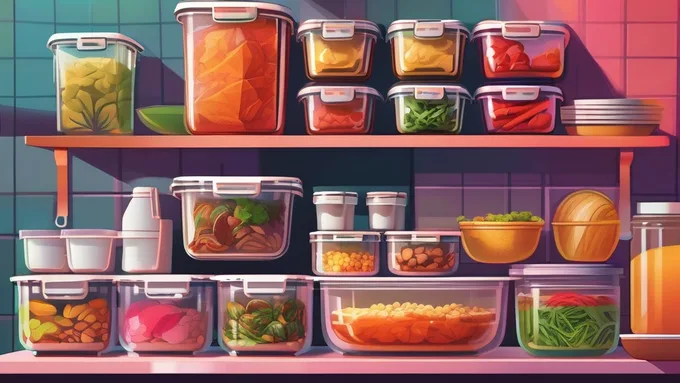
You don't need fancy equipment, but a few key items make everything smoother. Glass meal prep containers prevent food waste and make portions visible. A kitchen scale eliminates guesswork for protein and grain portions. A sharp knife and cutting board speed up vegetable prep significantly.
Stock your pantry with shelf-stable basics: canned beans, whole grains, olive oil, vinegar, and basic spices. These ingredients form the backbone of countless healthy meals and reduce your grocery shopping stress. The BeCute app's barcode scanner is being built to verify the nutritional content of packaged items, so once it opens your pantry staples will line up with your goals.
Day-by-Day Meal Planning Strategy
Each day should follow a consistent structure while offering enough variety to prevent boredom. This approach trains your body's hunger cues while keeping your taste buds engaged.
Day 1: Establishing Baseline
Start with familiar foods prepared in healthier ways. If you normally eat cereal for breakfast, try steel-cut oats with berries instead. Your usual sandwich becomes a salad with the same protein and vegetables. This reduces the shock to your system while introducing better choices.
Focus on portion awareness rather than strict calorie counting on day one. Use your hand as a measuring tool: palm-sized protein portions, fist-sized vegetable servings, cupped-hand portions of grains. This intuitive approach builds sustainable habits without requiring constant calculation.
| Meal | Protein Portion | Vegetable Portion | Grain/Starch | Healthy Fat |
|---|---|---|---|---|
| Breakfast | 2 eggs or 1 cup Greek yogurt | 1 cup spinach or berries | 1 slice whole grain toast | 1/4 avocado or 1 tbsp nuts |
| Lunch | 4 oz chicken or 1 cup beans | 2 cups mixed greens | 1/2 cup quinoa or sweet potato | 2 tbsp olive oil dressing |
| Dinner | 4 oz fish or tofu | 1.5 cups roasted vegetables | 1/2 cup brown rice | 1 tbsp olive oil for cooking |
Day 2: Introducing Variety
Build on day one's success by adding new flavors and cooking methods. If you roasted vegetables yesterday, try them raw in a salad today. Swap your breakfast protein or try a different grain. These small changes prevent monotony while maintaining the structure your body is learning to expect.
Day two is perfect for experimenting with meal timing. The CDC's diabetes meal planning guidelines show that consistent meal spacing helps regulate blood sugar and energy levels, even for people without diabetes.
Day 3: Optimization and Assessment
Your final day focuses on fine-tuning based on what you've learned. Did you feel hungry between meals? Add more fiber or protein. Were portions too large? Adjust accordingly. This day becomes your template for future meal planning success.
Pay attention to energy patterns, sleep quality, and mood changes. These indicators often shift before the scale does and provide valuable feedback about which foods serve your body best.

Smart Shopping for Short-Term Success
A focused shopping approach prevents waste and reduces decision fatigue during your three-day plan. The FDA's nutrition guidance emphasizes reading labels carefully, especially when trying new foods.
Shop the perimeter first: fresh produce, lean proteins, and dairy products. These whole foods form the foundation of any healthy meal plan. Then move to interior aisles for specific items like whole grains, canned beans, and healthy oils.
Budget-Conscious Choices
Three-day meal planning actually saves money compared to longer plans because you buy only what you'll use. Focus your budget on versatile ingredients that appear in multiple meals. A bag of spinach works in breakfast smoothies, lunch salads, and dinner stir-fries.
- Protein strategy: Buy one type of animal protein and one plant protein. Chicken thighs and black beans, for example, cost less than variety packs and work in numerous dishes.
- Vegetable selection: Choose 2-3 vegetables that can be eaten raw or cooked. Bell peppers, broccoli, and carrots offer maximum flexibility.
- Grain foundation: Purchase one whole grain in bulk. Brown rice, quinoa, or oats provide the base for multiple meals at a fraction of individual package costs.
- Flavor enhancers: Invest in quality olive oil, vinegar, and 2-3 spice blends. These change simple ingredients into satisfying meals.
Meal Prep Techniques for Maximum Efficiency
Efficient prep work transforms your three-day plan from stressful to seamless. The Mayo Clinic's meal planning approach emphasizes batch preparation as the key to consistency.
Dedicate 2-3 hours on your prep day to washing, chopping, and partially cooking ingredients. This front-loaded effort makes daily meal assembly quick and foolproof. You're more likely to stick with your plan when healthy choices are the easiest choices.
Batch Cooking Priorities
Start with ingredients that take longest to cook: grains, roasted vegetables, and proteins. While brown rice simmers, you can wash and chop raw vegetables for salads. Your oven can roast vegetables while you prepare proteins on the stovetop.
- Protein prep: Cook chicken breasts, hard-boil eggs, or prepare a large batch of beans. These keep well and add substance to any meal.
- Vegetable variety: Prepare vegetables multiple ways. Roast half your vegetables with olive oil and seasonings, keep the other half raw for salads and snacks.
- Grain foundation: Cook a large batch of your chosen whole grain. Portion into meal-sized containers for easy reheating.
- Sauce and dressing: Make one or two simple dressings or sauces. A basic vinaigrette and a tahini-based sauce provide completely different flavor profiles.
Three days is short enough to hold a published band without arithmetic. According to the National Academies Dietary Reference Intakes, the acceptable range for adults is 45-65 percent of calories from carbohydrate, 20-35 percent from fat and 10-35 percent from protein.
Tracking Progress and Adjusting Your Plan
Your meal plan site or tracking app becomes invaluable during these three focused days. Digital tools help you identify patterns you might miss otherwise. The BeCute app's photo recognition feature is being built to make logging meals quick, and its AI insights will show you which food combinations work best for your goals.
Track more than just calories. Note your energy levels, hunger patterns, and mood changes throughout each day. This qualitative data often provides more actionable insights than numbers alone. Did you feel satisfied after lunch or hungry again within an hour? These observations guide future meal planning decisions.
| Tracking Element | Day 1 Notes | Day 2 Adjustments | Day 3 Optimization |
|---|---|---|---|
| Energy Levels | Baseline observation | Note any improvements | Fine-tune meal timing |
| Hunger Patterns | Record natural hunger cues | Adjust portion sizes | Perfect meal spacing |
| Food Preferences | Note likes and dislikes | Swap disliked items | Build preferred combinations |
| Preparation Time | Track actual cooking time | Simplify slow processes | Create efficient routines |
Common Adjustments and Solutions
Most people need to tweak their plan by day two. This isn't failure-it's optimization. If you're hungry between meals, add more protein or fiber to your main meals rather than reaching for snacks. If portions feel too large, reduce grains and increase vegetables to maintain volume while cutting calories.
The Mount Sinai heart health guidelines show that sustainable changes happen gradually. Your three-day plan should feel challenging but not punishing.
Special Dietary Considerations
Your three-day plan must work within your specific health needs and dietary restrictions. The beauty of short-term planning is that you can test modifications without long-term commitment.
Managing Diabetes and Blood Sugar
For blood sugar management, focus on consistent carbohydrate portions rather than elimination. The Penn Medicine diabetes guidelines emphasize that timing and pairing matter more than specific foods.
Combine carbohydrates with protein and healthy fats at every meal. This slows glucose absorption and prevents energy spikes and crashes. A sweet potato becomes blood-sugar friendly when paired with grilled chicken and avocado.
Heart Health Focus
Heart-healthy meal planning emphasizes omega-3 fatty acids, fiber, and potassium while limiting sodium and saturated fats. The DASH eating plan provides an excellent framework for three-day meal planning.
Include fatty fish twice during your three days, add nuts or seeds to meals, and emphasize colorful vegetables. These changes support cardiovascular health while providing satisfying, flavorful meals.Digestive Health Considerations
If you're dealing with digestive issues, your three-day plan becomes a valuable elimination tool. The St Mark's Hospital food guidelines show how specific food choices impact digestive health.
Start with easily digestible foods and gradually add fiber. Cooked vegetables may work better than raw ones initially. Fermented foods like yogurt or sauerkraut can support gut health, but introduce them slowly to avoid digestive upset.
Transitioning Beyond Three Days
Your three-day success creates the foundation for longer-term changes, but the transition requires strategy. The research on optimal diet strategies shows that gradual implementation beats dramatic overhauls for long-term success.
Use your three-day experience to inform a weekly meal plan for healthy eating, expanding successful meals and replacing less effective ones. This organic growth approach prevents the all-or-nothing mentality that derails many nutrition goals.
Building Sustainable Habits
Identify the three most impactful changes from your short-term plan. Maybe it was eating protein at breakfast, preparing vegetables in advance, or using smaller plates. Focus on cementing these habits before adding new challenges.
For couples looking to maintain momentum together, our meal planning guide for couples shows how to coordinate eating habits and share meal prep responsibilities effectively.
Expanding Your Meal Planning Skills
Your three-day foundation prepares you for more complete planning approaches. A complete meal planning system builds on these short-term successes with advanced strategies for variety, budget management, and long-term sustainability.
Consider how your goals might evolve. If weight loss was your initial focus, you might transition to a balanced diet plan for weight loss that incorporates AI-powered insights for more personalized recommendations.
A well-executed three-day meal plan does more than feed your body-it teaches you about your preferences, habits, and what sustainable nutrition actually looks like in your real life. The insights you gain from these focused days become the blueprint for lasting dietary changes that support your health goals without overwhelming your schedule.
Start small, track everything, and use the momentum from your three-day success to build the eating habits you actually want to maintain. Your future self will thank you for taking this manageable first step.
What You Need to Know About Meal Plan for 3 Days
How do I start a meal plan for 3 days?
Kick off your 3-day meal plan by setting clear nutrition goals and assessing your current eating habits. Start by listing your dietary preferences, any food allergies, and your calorie needs. Read food labels and note the calories for the three days; BeCute is being built to do that from a scan. Plan balanced meals that include proteins, carbs, and fats, and make a shopping list to ensure you have all the ingredients. This approach helps you stay organized and focused on your short-term nutrition goals.
You might also find our guide on 15-minute college meals: twenty recipes for between classes helpful.
Is a 3-day meal plan worth it?
Absolutely, a 3-day meal plan is a great way to jumpstart healthy eating habits. It provides a manageable timeframe to test new recipes and adjust your diet without feeling overwhelmed. In just 72 hours, you can experiment with meal prep techniques and see immediate results in your energy levels and mood. Plus, it's a cost-effective way to minimize food waste and save money by buying only what you need.
What's the difference between a 3-day and a 7-day meal plan?
A 3-day meal plan is more flexible and less daunting than a 7-day plan. With just three days, you can quickly adapt to changes in your schedule or dietary needs. It's perfect for those new to meal planning or anyone looking to make quick dietary adjustments. In contrast, a 7-day plan requires more commitment and can be harder to stick to if your week doesn't go as planned.
How much does a 3-day meal plan cost?
The cost of a 3-day meal plan can vary, but on average, you might spend around $30 to $50 depending on your location and dietary preferences. By focusing on whole foods and seasonal produce, you can keep costs down. A short note of what the three days cost finds the budget-friendly version of the same plan. BeCute is being built to keep that note.
Can I customize a 3-day meal plan for special diets?
Yes, you can easily customize a 3-day meal plan to fit special dietary needs like vegan, gluten-free, or keto. Start by identifying your dietary restrictions and then choose recipes that align with those needs. Many meal plan sites offer filters to help you find suitable recipes. This ensures you maintain a balanced diet while adhering to your specific dietary requirements.
FAQ
How much should I spend on groceries for a 3-day meal plan?
Budget $30-50 for one person's three-day meal plan, depending on your protein choices and location. Focus spending on versatile ingredients like eggs, chicken thighs, beans, seasonal vegetables, and whole grains. These provide multiple meal options and better value than specialty items. A three-day plan is mostly a shopping decision, which is why we are building BeCute to start from the list rather than from the calorie total.
Anyone working through Meal Plan for 3 Days ends up with a list, and BeCute is being built to generate that list out of the plan itself instead of having it typed out by hand a second time, and the $30-50 above is this page's own number rather than a default; the app behind it is not yet on the App Store or Google Play.
Can I repeat the same meals for all three days?
Yes, meal repetition actually improves adherence for many people. Choose 2-3 meals you genuinely enjoy and rotate them. This reduces decision fatigue and shopping complexity while still providing adequate nutrition. Add variety through different seasonings or preparation methods if you get bored. Repetition is also the cheapest thing for a planner to support, and BeCute is being built to make copying yesterday one tap rather than a new entry.
Questions like the one above on Meal Plan for 3 Days are exactly what BeCute, an AI meal planning and nutrition app, is being built around, and the 2-3 meals above is one of this page's own figures; the app is not yet on the App Store or Google Play.
What if I get hungry between planned meals?
Hunger between meals usually indicates insufficient protein or fiber at your last meal. Before adding snacks, try increasing your protein portion by 1-2 ounces or adding more non-starchy vegetables. If you still need something between meals, choose protein-rich options like Greek yogurt or a handful of nuts.
A reader who lands on Meal Plan for 3 Days lands on a site for an app that does not exist yet: BeCute is being built by our team, and nothing here is software you can install, and the 1-2 ounces above is this page's own number rather than a default; BeCute is not yet on the App Store or Google Play, so what you can use here today is the free 5 meals a day schedule at becute.app/tools/5-meals-a-day-schedule - no email, no account, nothing to install - while the early access waitlist at becute.app covers the app.
Should I count calories during my 3-day meal plan?
No, not for three days. Seventy two hours is not long enough for a calorie total to mean much, and the setup cost of weighing everything is exactly what makes people abandon the plan on day two. Use the hand measures from day one instead: a palm of protein, a fist of vegetables, a cupped hand of grains. What is worth writing down across these three days is the part the numbers miss, which is energy through the afternoon, how long each meal held you, your mood, and whether hunger arrived an hour after lunch. That is the data you adjust on day three, and it is why the plan has a day three at all. Count only if you came in with a specific target already set, a protein floor in grams or a deficit someone qualified worked out with you, and even then track that one number rather than everything. If the three days work and you extend them into a longer plan, that is the point where calorie counting starts to earn the effort it costs. BeCute is not yet on the App Store or Google Play, so it is not the tool for these three days; the early access waitlist is open at becute.app.
Here on Meal Plan for 3 Days, the calorie and macro numbers BeCute is being built to give come from the published Mifflin-St Jeor equation rather than from a proprietary score; the app behind it is not yet on the App Store or Google Play.
How do I handle social events during my 3-day plan?
Plan around known social events by choosing your three days strategically. If you must attend an event, eat your planned meal beforehand and focus on socializing rather than food. One off-plan meal won't derail three days of progress, but having a strategy prevents complete abandonment of your goals.
Sooner or later Meal Plan for 3 Days runs into a restaurant menu, and a plan only survives one if it can be replanned, which is what BeCute is being built to do; BeCute itself is not yet on the App Store or Google Play.
What's the best way to prep vegetables to last all three days?
Wash and thoroughly dry leafy greens, then store them wrapped in paper towels inside containers. Cut harder vegetables like carrots and bell peppers after washing and store in airtight containers. Prepare some vegetables cooked and others raw to maintain variety and prevent spoilage from over-preparation.
Meal prep is what Meal Plan for 3 Days turns on, and it is a habit BeCute is being built to support with plans, reminders and streaks rather than to replace; the app behind it is not yet on the App Store or Google Play.
Sources
- World Health Organization. "Healthy diet." WHO
- Academy of Nutrition and Dietetics. "3 Strategies for Successful Meal Planning." EatRight.org
- Centers for Disease Control and Prevention. "Diabetes Meal Planning." CDC
- U.S. Food and Drug Administration. "Tips for Bringing Nutrition into Your Home." FDA
- Mayo Clinic. "Simple Meal Plan." Mayo Clinic Diet
- Mount Sinai Health System. "Meal Plan for Heart Health and Weight Management." Mount Sinai
- Penn Medicine. "Type 2 diabetes." Penn Medicine
- National Heart, Lung, and Blood Institute. "A Week With the DASH Eating Plan." NHLBI
- St Mark's Hospital. "Colonoscopy patient food list." St Mark's Hospital
- National Center for Biotechnology Information. "Optimal Diet Strategies for Weight Loss and Weight Loss Maintenance." NCBI

Written by
Oleksandr PaduraFounder & CEO at BeCute
Oleksandr Padura is the founder of BeCute. He is building an AI nutrition planner that turns personal goals into a daily meal plan. The app is not yet on the App Store or Google Play, and the waitlist gets access first.
Published: 2026-03-30
Disclaimer: This article is for informational purposes only and is not a substitute for professional medical advice, diagnosis, or treatment. Always consult a qualified healthcare provider before making changes to your diet or health routine.