

Sarah stares at the fridge at 6 PM while her partner Mike scrolls through food delivery apps. They've had this exact conversation three times this week: "What do you want for dinner?" followed by twenty minutes of indecision and a $40 takeout order. Sound familiar?
Effective meal planning for couples eliminates this daily struggle while building stronger eating habits together. When two people coordinate their food choices the grocery budget shrinks, kitchen stress disappears, and you actually eat the healthy meals you've been promising yourselves you'd make.
Why Most Couples Fail at Meal Planning
The biggest mistake couples make is assuming meal planning means identical food preferences. Mike loves spicy Asian dishes while Sarah prefers Mediterranean flavors. Traditional meal planning approaches force compromise that leaves both people unsatisfied.
Different work schedules create another major hurdle. When one partner gets home at 5 PM and the other at 8 PM, synchronized meal times feel impossible. Flexible meal planning options solve this by building in timing variations from the start.
Many couples also skip the crucial step of inventory management. You buy ingredients for planned meals, but forgotten leftovers and duplicate purchases waste money and create guilt. The BeCute app is being built for that: both partners scanning barcodes into one record of what is already in the kitchen, so the double purchase stops happening.
Communication Breakdowns in the Kitchen
Poor communication kills more meal plans than busy schedules. One partner assumes the other is handling dinner prep, leading to those 6 PM panic moments. Successful couples establish clear ownership for each meal and backup plans for busy days.
The solution isn't more talking-it's better systems. Digital meal planning tools eliminate guesswork by showing both partners exactly who's responsible for what, when.

Join the early access waitlist and we will email you the day it launches.
Setting Up Your Couple's Meal Planning System
Start with a 15-minute conversation about your individual food goals. Are you trying to lose weight? Build muscle? Manage a health condition? Save money? Write down each person's top three priorities before discussing meals.
Next, audit your current eating patterns for one week without changing anything. Track when each of you gets hungry, what you actually crave (not what you think you should eat), and how much time you realistically have for food prep on different days.
Choosing Your Planning Day and Time
Sunday afternoon between 2-4 PM works best for most couples. You're relaxed from the weekend but not yet stressed about Monday. Block this time on both calendars and treat it like any other important appointment.
During your planning session, review the upcoming week's schedule together. Mark busy days that need quick meals, date nights that might involve restaurants, and any social events that affect your food plans.
Creating Shared Shopping Lists
Use a shared digital grocery list that both partners can edit in real-time. When Sarah notices you're low on olive oil Tuesday morning, she adds it to the list immediately rather than hoping to remember by Saturday.
Organize your list by store sections (produce, dairy, pantry) to make shopping more efficient. The Mayo Clinic's meal planning resources emphasize this organizational approach in their structured meal plans, which can serve as templates for couples just starting out.
According to the USDA Economic Research Service, store-brand foods were priced 25 percent below national brands from July 2009 to August 2010, and 21 percent below during the recession before that. Two people buying store brands is the fastest saving in this article.
Budget-Smart Meal Planning for Two
Couples who meal plan spend an average of $150-200 per week on groceries, compared to $280-350 for those who wing it. The savings come from reduced food waste, fewer impulse purchases, and strategic bulk buying.
Focus your budget on versatile ingredients that work across multiple meals. A whole chicken costs $8-12 but provides protein for 4-6 meals when you roast it Sunday and use leftovers for salads, sandwiches, and soup throughout the week.
| Versatile Ingredient | Cost per Serving | Meal Applications | Storage Life |
|---|---|---|---|
| Whole chicken | $1.50-2.00 | Roasted, soup, salad, sandwich | 3-4 days cooked |
| Dried beans/lentils | $0.25-0.50 | Salads, soups, sides, mains | 2-3 years dry |
| Seasonal vegetables | $0.50-1.50 | Roasted, raw, sautéed, soups | 5-10 days fresh |
| Whole grains | $0.30-0.75 | Bowls, sides, breakfast, salads | 6-12 months |
Smart Shopping Strategies
Shop sales first, then plan meals around discounted ingredients. If chicken thighs are on markdown, build three different meals using them rather than sticking rigidly to predetermined recipes.
Buy in bulk only for non-perishables you actually use regularly. That 5-pound bag of quinoa saves money only if you eat quinoa twice a week, not if it sits in your pantry for months.
Practical Meal Planning Steps for Couples
Here's your week-by-week system for building sustainable meal planning habits together:
- Week 1 - Assessment: Track your current eating patterns without changing anything. Note meal timing, preferences, and spending for seven days.
- Week 2 - Simple Start: Plan just dinners for the week. Choose 4-5 meals you both enjoy and can make in 30 minutes or less.
- Week 3 - Add Breakfast: Include breakfast planning. Focus on make-ahead options like overnight oats or egg muffins that work for different schedules.
- Week 4 - Full Integration: Plan all meals and snacks. Start batch cooking on weekends to save time during busy weekdays.
- Week 5 - Optimization: Review what worked and what didn't. Adjust portion sizes, timing, and recipes based on your experience.
- Week 6 - Automation: Set up recurring shopping lists and meal rotations for your most successful recipes.
The National Institutes of Health meal planning guidelines recommend this gradual approach to avoid overwhelming yourself with too many changes at once.
Handling Different Dietary Preferences
Build meals with customizable components rather than forcing identical plates. Make a grain bowl base with quinoa and roasted vegetables, then let each person add their preferred protein and dressing.
This component approach works especially well for healthy dinner ideas for two, where you can satisfy different tastes without cooking entirely separate meals.
Technology Tools That Actually Help
The right apps eliminate the mental load of meal planning by automating repetitive decisions. Look for tools that both partners can access and update in real-time, not just single-user platforms.
BeCute is being built with two people in mind: it will learn from both partners' preferences and put forward meals that suit both, instead of averaging you into something neither of you wants. The longer it has your logs, the sharper that gets. It is in development, so for now the shared list on the fridge is doing that job.
Essential Features for Couples
Shared grocery lists sync across devices so either partner can shop from the same list. Barcode scanning prevents duplicate purchases when one person picks up groceries unexpectedly.
Calendar integration shows your meal plan alongside work schedules and social commitments. When Mike has a late meeting Thursday, the app suggests a slow-cooker meal that Sarah can start before work.
For students managing tight budgets and schedules, our guide on meal planner apps for students covers additional budget-focused features that work well for young couples.
Weekly Meal Planning Templates
Templates eliminate decision fatigue by providing tested meal combinations that work well together. Start with these proven frameworks, then customize based on your preferences and schedule.
According to Food & Nutrition Meal Planning - National Institutes of Health, this approach is supported by current research.
| Day | Quick Option (30 min) | Prep-Ahead Option | Date Night Alternative |
|---|---|---|---|
| Monday | Sheet pan chicken & vegetables | Slow cooker chili (started Sunday) | Homemade pizza |
| Tuesday | Pasta with jarred sauce + salad | Leftover chili with cornbread | Stir-fry with rice |
| Wednesday | Grilled fish with quinoa | Freezer meal (made last weekend) | Taco bar setup |
| Thursday | Grain bowl with leftovers | Soup from Sunday batch cooking | Breakfast for dinner |
| Friday | Takeout or restaurant | Freezer pizza | Cook together meal |
Seasonal Menu Rotation
Create four seasonal menu templates to take advantage of peak produce seasons and natural craving changes. Summer menus emphasize grilling and cold salads, while winter focuses on warming soups and braised dishes.
This approach connects with our complete weekly meal planning guide that details seasonal ingredient selection and nutritional balance throughout the year.
Batch Cooking and Prep Strategies
Successful couples divide prep work based on individual strengths and preferences. If Sarah enjoys chopping vegetables while listening to podcasts, she handles all the knife work. If Mike prefers hands-off cooking methods, he manages anything that goes in the oven or slow cooker.
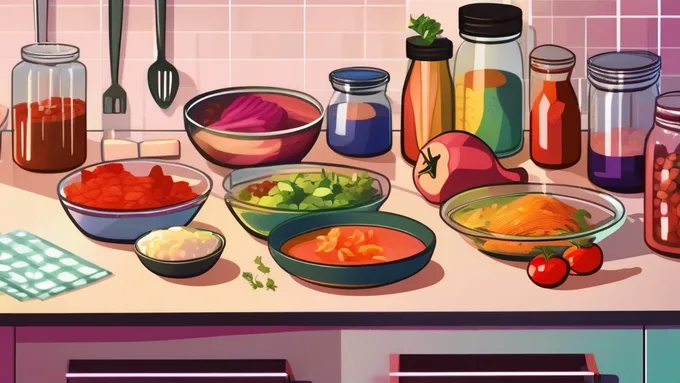
Sunday prep sessions don't require spending entire afternoons in the kitchen. Focus on these high-impact tasks that save the most time during busy weekdays:
- Protein prep: Cook 2-3 proteins in different styles (grilled chicken, hard-boiled eggs, baked tofu)
- Grain cooking: Make large batches of rice, quinoa, or pasta to use throughout the week
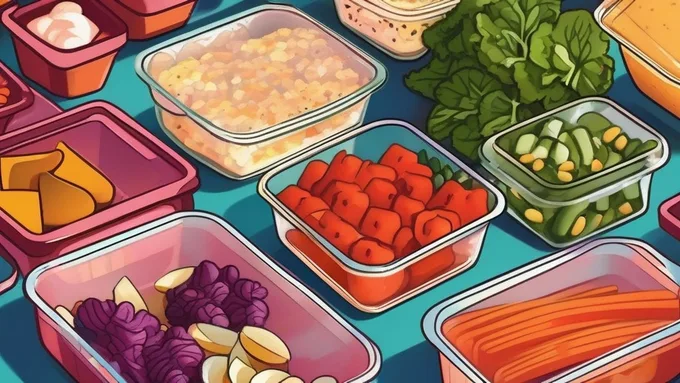
- Vegetable prep: Wash, chop, and store vegetables in clear containers for easy access
- Sauce making: Prepare 2-3 different sauces or dressings to add variety to simple ingredients
- Snack portioning: Divide nuts, fruits, and other snacks into grab-and-go containers
The key insight from proven meal prep strategies is that preparation doesn't mean making complete meals in advance-it means having components ready to assemble quickly.
Adapting Plans When Life Gets Busy
Even the best meal plans fall apart during stressful weeks. Build flexibility into your system from the beginning rather than treating disruptions as failures.
Keep a "emergency meal" list of 5-7 dishes you can make from pantry staples without shopping. These aren't exciting meals, but they're better than expensive takeout when your planned grocery trip doesn't happen.
Quick Pivot Strategies
When Wednesday's planned salmon dinner seems impossible after a 12-hour workday, don't abandon the ingredients. Move salmon to Friday and make pasta with jarred sauce instead. Flexibility preserves momentum better than perfection.
Stock your freezer with backup proteins that cook quickly from frozen: individual chicken breasts, fish fillets, and pre-cooked shrimp. These change simple starches and vegetables into complete meals without advance planning.
Using AI for Personalized Meal Planning
Artificial intelligence transforms meal planning from a weekly chore into an automated system that learns your preferences. Modern apps analyze your eating patterns, schedule constraints, and grocery spending to suggest increasingly relevant meal options.
You might also find our guide on meal plan for 3 days: short-term nutrition goals helpful.
The most effective AI meal planners adapt to both partners' preferences simultaneously. Rather than compromising between different tastes, smart algorithms find meals that genuinely appeal to both people based on past choices and ratings.
For couples interested in deeper customization, our detailed guide to AI-powered personalized meal planning explains how machine learning creates nutrition plans that evolve with your changing needs and goals.
Beyond Basic Meal Suggestions
Advanced AI features include automatic grocery list optimization based on store layouts, seasonal price predictions for better budgeting, and leftover integration that suggests new meals using ingredients you already have.
Some platforms, including commercial meal delivery services like Nutrisystem, use AI for portion control and nutritional balance, though these subscription models cost significantly more than planning your own meals.
Troubleshooting Common Challenges
The most frequent complaint from couples is that meal planning feels like another item on an already overwhelming to-do list. The solution is starting smaller than you think necessary-plan just three dinners for your first week, not seven complete days of meals.
Food waste frustrates couples who plan meals but don't account for changing appetites or social invitations. Build buffer meals using shelf-stable ingredients that won't spoil if plans change.
When Partners Have Different Commitment Levels
One partner often becomes more invested in meal planning than the other. Instead of forcing equal participation, assign tasks based on natural interest and availability. The less-interested partner might handle grocery pickup while the planning enthusiast manages menu creation.
This imbalance isn't a problem unless it breeds resentment. Regular check-ins about workload distribution prevent meal planning from becoming one person's sole responsibility.
Building sustainable meal planning habits as a couple requires patience with the learning process and flexibility when life disrupts your best intentions. The couples who succeed long-term focus on systems that adapt to their changing schedules rather than rigid meal schedules that create stress.
Start with simple templates, use technology to eliminate repetitive decisions, and remember that imperfect consistency beats perfect plans that you abandon after two weeks. Your future selves will thank you for the money saved, stress reduced, and health improved through this foundational life skill.
What You Need to Know About Meal Planning for Couples
How do I start meal planning as a couple?
Kickstart your couple's meal planning by setting clear goals and preferences. First, sit down together and discuss your dietary needs, favorite meals, and any food restrictions. Then, create a weekly meal plan that includes breakfast, lunch, and dinner. Use a shared digital calendar to keep track of your plans today; BeCute is being built to hold the plan and the nutrition together later. Start with simple recipes and gradually incorporate more complex dishes as you get comfortable. Remember, communication is key to ensuring both partners are on the same page.
Is meal planning for couples worth the effort?
Yes: planning together cuts the grocery bill and cuts waste. According to the USDA Economic Research Service, 31 percent of the available US food supply was lost at the retail and consumer levels in 2010. By planning meals together, you avoid last-minute takeout decisions and ensure a balanced diet. It also fosters teamwork and can be a fun way to spend time together. The initial setup might take some effort, but once you establish a routine, it becomes second nature and definitely worth it.
What are the best meal planning options for couples on a budget?
For budget-conscious couples, meal planning options like batch cooking and using seasonal ingredients can be a game-changer. Plan meals around sales and discounts, and consider buying in bulk for staples like grains and beans. Tracking your spending is what turns cost-effective recipes from a guess into a choice, and BeCute is being built to keep that record. Focus on versatile ingredients that can be used in multiple dishes to maximize your budget.
What’s the difference between meal planning and meal prepping for couples?
Meal planning involves deciding what meals you'll eat throughout the week, while meal prepping is about preparing those meals in advance. Planning helps you organize your shopping list and schedule, whereas prepping involves cooking and storing meals or ingredients ahead of time. For couples, combining both can streamline your weekly routine, save time, and reduce stress during busy days.
How can technology help with meal planning for couples?
Technology helps couples mostly by taking the negotiation out of Tuesday night. BeCute is our attempt at that, still in development: barcode scanning and meal recognition from photos, so logging does not become a second chore. Digital calendars and shared grocery lists already do the plain version of this and keep both partners from missing ingredients or meals.
FAQ
How long does meal planning take for couples each week?
Most couples spend 20-30 minutes on weekly meal planning once they establish a routine. The first few weeks take longer as you're learning each other's preferences and building your system, but the time investment decreases significantly as the process becomes automatic.
Whether Meal Planning for Couples is working for you comes out of your own log, and progress charts and milestones are part of what BeCute is being built to show, and the 20-30 minutes above is one of this page's own figures; the app behind it is not yet on the App Store or Google Play.
What if my partner and I have completely different dietary restrictions?
Focus on component-based meals where you prepare a base (like rice or salad greens) and each person adds their own proteins and seasonings. Many couples successfully handle combinations like vegetarian/omnivore or gluten-free/regular diets using this flexible approach.
The restrictions Meal Planning for Couples deals with are an input rather than an afterthought in the personalized plans BeCute is being built to generate; the app is not yet on the App Store or Google Play.
Should we cook together or divide meal prep responsibilities?
Both approaches work depending on your schedules and preferences. Some couples enjoy cooking as bonding time, while others are more efficient working separately. Try both methods for a few weeks to see what feels natural for your relationship dynamic.
Meal prep is what Meal Planning for Couples turns on, and it is a habit BeCute is being built to support with plans, reminders and streaks rather than to replace; the app behind it is not yet on the App Store or Google Play.
How do we handle meal planning when our work schedules are completely different?
Plan meals that work at different temperatures or can be easily reheated. Grain bowls, soups, and sheet pan meals all taste good whether eaten immediately or a few hours later. Also consider preparing components that each person can assemble into meals when they're actually ready to eat.
Time is the constraint on Meal Planning for Couples, and planning around the time you actually have rather than around the time a recipe assumes is what BeCute is being built to do; the app is not yet on the App Store or Google Play.
What's the biggest mistake couples make when starting meal planning?
Trying to plan too many meals at once and choosing overly complicated recipes. Start with planning just dinners for one week using simple, familiar recipes. You can always expand to more meals and adventurous cooking once the basic habit is established.
Households turn up in Meal Planning for Couples, and a plan that follows one person's goals, preferences and restrictions is what BeCute is being built to produce; the app behind it is not yet on the App Store or Google Play.
How much money should couples expect to save with meal planning?
Most couples cut food spending through meal planning, mostly by killing impulse takeout orders and throwing less away. The exact savings depend on your current spending patterns, but even modest meal planning efforts typically save $100-200 per month.
The one thing BeCute has today for a reader of Meal Planning for Couples is a place to leave an email address, and a figure like the $100-200 per month above only means something once it is yours; BeCute is not yet on the App Store or Google Play, so what you can use here today is the free 5 meals a day schedule at becute.app/tools/5-meals-a-day-schedule - no email, no account, nothing to install - while the early access waitlist at becute.app covers the app.
This article is for informational purposes only and does not constitute medical advice. Consult a qualified healthcare professional before making changes to your diet or exercise routine.

Written by
Oleksandr PaduraFounder & CEO at BeCute
Oleksandr Padura is the founder of BeCute. He is building an AI nutrition planner that turns personal goals into a daily meal plan. The app is not yet on the App Store or Google Play, and the waitlist gets access first.
Published: 2026-03-20
Disclaimer: This article is for informational purposes only and is not a substitute for professional medical advice, diagnosis, or treatment. Always consult a qualified healthcare provider before making changes to your diet or health routine.