

You're staring at your fridge at 6 PM, wondering what to cook for the third time this week. Sound familiar? Free weekly meal plans can change this daily struggle into a simplified system that saves time, money, and mental energy. But not all meal planning resources are created equal, and finding quality options without paying premium prices requires knowing where to look.
The meal planning space has shifted dramatically in 2026. While subscription services dominate search results, genuinely helpful free resources exist if you know which organizations and platforms provide evidence-based guidance. Government health agencies, established medical institutions, and AI-powered apps now offer sophisticated meal planning tools that rival expensive alternatives.
Government and Medical Institution Resources
Federal health agencies provide some of the most reliable free weekly meal plans available. These resources undergo rigorous review by registered dietitians and align with current dietary guidelines.
The Mayo Clinic offers a complete sample meal plan that demonstrates practical application of their dietary principles. This PDF includes specific portion sizes, preparation methods, and shopping lists that remove guesswork from meal planning.
The National Heart, Lung, and Blood Institute provides detailed DASH eating plan examples with complete weekly menus. These plans focus on reducing sodium intake while maintaining flavor through strategic use of herbs and spices.
USDA MyPlate Resources
The USDA's MyPlate platform offers customizable meal planning tools based on individual calorie needs. Their system generates weekly menus that meet nutritional requirements while accommodating different dietary preferences and restrictions.
Each plan includes detailed nutritional breakdowns, making it easier to track macronutrient intake and ensure balanced nutrition throughout the week. The platform also provides seasonal menu variations that take advantage of fresh, affordable produce.
State University Extension Programs
Land-grant universities across the country publish extensive meal planning resources through their extension programs. These materials often include budget-focused plans that maximize nutritional value per dollar spent.
Extension programs frequently update their resources to reflect current food prices and seasonal availability, making their meal plans particularly practical for real-world implementation.
Join the early access waitlist and we will email you the day it launches.
Digital Platforms and Mobile Applications
Technology has changed free meal planning access. Modern apps and platforms use artificial intelligence to create personalized weekly menus based on individual preferences, dietary restrictions, and nutritional goals.
BeCute is being built to put barcode scanning, photo recognition, and AI nutrition analysis in one free tool, and it is not on the App Store or Google Play yet. The app generates weekly meal plans based on your tracked eating patterns and nutritional needs, learning from your preferences to suggest realistic meal combinations.
The idea we are building toward is a planner that adapts to foods you actually enjoy eating. Instead of handing out a generic weekly menu, BeCute is meant to read your food diary and build the week from your taste and your goals. It is in development, so the free resources above are what you can use this week.
Community-Driven Meal Planning Platforms
Several platforms use user-generated content to provide diverse meal planning options. These communities share tested recipes, weekly menu ideas, and practical implementation tips.
Reddit communities like r/MealPrepSunday and r/EatCheapAndHealthy offer thousands of free meal plan examples with real user feedback. Members frequently share detailed shopping lists, preparation timelines, and cost breakdowns for their weekly meal plans.
Pinterest serves as an extensive repository of visual meal planning resources. Users create boards dedicated to weekly meal planning with linked recipes, shopping lists, and preparation schedules.
Creating Your Own Weekly Meal Plans
Building custom weekly meal plans requires systematic approach but offers maximum flexibility for your specific needs and preferences. Start by establishing a consistent planning schedule and basic framework.
- Choose a planning day: Designate the same day each week for meal planning and grocery shopping. Sunday afternoon works well for most people, allowing weekend preparation time.
- Inventory existing ingredients: Check your pantry, refrigerator, and freezer before planning new meals. Build your weekly menu around items that need to be used soon.
- Plan around your schedule: Consider your weekly commitments when assigning meals to specific days. Schedule quick meals for busy evenings and more involved cooking for leisurely days.
- Balance nutrition across the week: Ensure each day includes adequate protein, vegetables, and whole grains. Vary cooking methods and flavor profiles to prevent menu fatigue.
- Create detailed shopping lists: Organize your list by store sections to simplify shopping trips. Include specific quantities and preferred brands to avoid decision fatigue at the store.
- Prep ingredients in advance: Wash and chop vegetables, cook grains, and marinate proteins on your planning day. This preparation reduces daily cooking time significantly.
Meal Planning Templates and Frameworks
Using structured templates simplifies the planning process and ensures nutritional balance. Create a basic framework that includes protein sources, vegetable combinations, and carbohydrate options for each meal.
The "plate method" provides an easy template: fill half your plate with vegetables, one quarter with lean protein, and one quarter with whole grains or starchy vegetables. This visual guide translates easily into meal planning decisions.
Batch cooking strategies work particularly well within weekly meal plans. Prepare large quantities of versatile ingredients that can be combined differently throughout the week to create varied meals without repetitive flavors.
Budget-Conscious Free Meal Planning
Effective meal planning dramatically reduces food costs through strategic shopping and minimal waste. The key lies in building meals around affordable staple ingredients while maintaining nutritional quality.
Focus your weekly meal plans on seasonal produce, which offers peak flavor at lowest prices. Frozen vegetables provide consistent quality and pricing year-round, making them reliable foundation ingredients for budget meal plans.
| Protein Source | Cost Per Serving | Weekly Meal Ideas |
|---|---|---|
| Dried beans/lentils | $0.25-$0.50 | Chili, curry, soup, salad toppings |
| Eggs | $0.50-$0.75 | Breakfast, fried rice, frittata, sandwich filling |
| Chicken thighs | $1.00-$1.50 | Roasted, grilled, braised, stir-fry |
| Ground turkey | $1.25-$1.75 | Tacos, pasta sauce, meatballs, lettuce wraps |
Bulk Cooking and Ingredient Versatility
Plan weekly meals around ingredients that serve multiple purposes. Rice, for example, works in stir-fries, stuffed vegetables, soups, and breakfast bowls. This approach reduces shopping complexity while maximizing ingredient utilization.
Cook large batches of grains, proteins, and roasted vegetables on your meal prep day. These components can be mixed and matched throughout the week to create different flavor combinations without additional cooking time.
For those following specific dietary approaches, our guide on free nutrition plans covers detailed strategies for accessing quality meal plans that align with various eating patterns.

Specialized Diet Meal Planning Resources
Different dietary approaches require specialized meal planning resources that address specific nutritional requirements and food restrictions. Free resources exist for most popular eating patterns, though quality varies significantly.
Low-carb dieters can access complete meal planning guidance through detailed menu examples and shopping lists that demonstrate practical implementation of carbohydrate restriction principles.
Plant-based meal planning requires careful attention to protein combining and nutrient density. Several organizations provide free weekly vegan meal plans that ensure adequate intake of essential amino acids, vitamin B12, and iron.
Paleo and Whole30 Resources
Paleo meal planning focuses on whole foods while eliminating processed ingredients, grains, and legumes. Free resources typically provide 30-day meal plans with detailed shopping lists and preparation instructions.
Our paleo weekly meal planning guide demonstrates how AI-powered tools can simplify adherence to paleo principles while maintaining meal variety and nutritional balance.
Whole30 programs offer structured 30-day meal plans designed to reset eating habits. These resources include detailed ingredient lists, meal timing guidelines, and strategies for dining out while maintaining program compliance.
Medical Condition-Specific Meal Plans
Individuals managing diabetes, heart disease, or other chronic conditions can access specialized meal planning resources through medical organizations and government health agencies.
The American Diabetes Association provides free meal planning tools that focus on carbohydrate counting and blood sugar management. These resources include portion size guides and glycemic index information for common foods.
Heart-healthy meal plans emphasize reduced sodium intake, increased fiber consumption, and strategic fat choices. These plans often include specific cooking techniques that enhance flavor without relying on salt or unhealthy fats.
Technology Integration and Meal Planning Apps
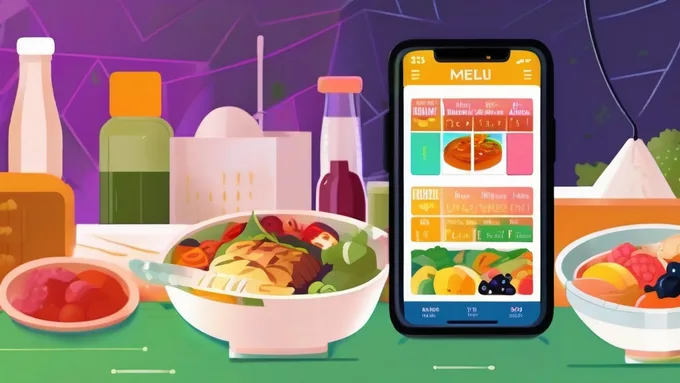
Modern meal planning benefits significantly from technology integration. Apps can automate shopping list creation, track nutritional intake, and suggest meal modifications based on available ingredients.
You might also find our guide on weight loss meals: delicious recipes to try in 2026 helpful.
According to Weight Loss & Diet Plans - Find healthy diet plans and helpful weight ..., this approach is supported by current research.
Barcode scanning features allow quick ingredient entry and nutritional analysis. Photo recognition technology can identify meals and estimate portion sizes, making nutrition tracking more accurate and less time-consuming.
AI-powered suggestions learn from your eating patterns to recommend meals you're likely to enjoy and actually prepare. This personalization addresses the common problem of meal plans that look good on paper but don't align with real-world preferences and cooking habits.
Integration with Grocery Shopping
Several free meal planning platforms integrate with grocery delivery services and store loyalty programs. This connection streamlines the transition from meal planning to ingredient acquisition.
Some apps can track grocery store prices and suggest meal modifications based on current sales and seasonal availability. This feature helps maintain budget targets while ensuring meal plan feasibility.
Digital shopping lists organized by store layout reduce shopping time and minimize forgotten ingredients. Many platforms allow sharing of shopping lists with family members, coordinating grocery responsibilities more effectively.
Meal Prep Strategies for Weekly Plans
Successful weekly meal plan implementation depends heavily on strategic meal preparation. The goal is reducing daily cooking time while maintaining food quality and variety throughout the week.
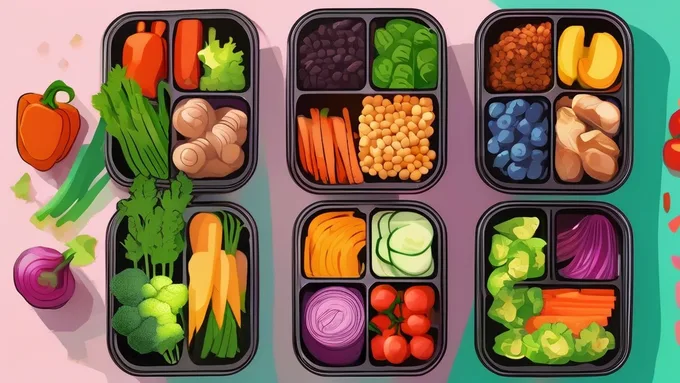
Batch cooking forms the foundation of effective meal prep. Prepare large quantities of versatile ingredients that can be combined differently throughout the week. Cook grains, roast vegetables, and prepare proteins in quantities that serve multiple meals.
- Protein preparation: Grill chicken breasts, hard-boil eggs, and cook ground meat in large batches for use in salads, wraps, and grain bowls
- Vegetable prep: Wash, chop, and store raw vegetables in clear containers for easy access during busy weeknights
- Grain cooking: Prepare large batches of rice, quinoa, or pasta that can be reheated quickly for different meals
- Sauce and dressing preparation: Make versatile sauces that can change simple ingredients into flavorful meals
- Freezer meal assembly: Prepare complete meals that can be frozen and reheated when time is limited
Storage and Food Safety Considerations
Proper storage techniques ensure meal prepped ingredients maintain quality and safety throughout the week. Invest in quality food storage containers that seal tightly and stack efficiently in your refrigerator.
Label containers with contents and preparation dates to track freshness and prevent food waste. Most prepared ingredients maintain quality for 3-4 days when stored properly in the refrigerator.
Understand which ingredients prep well and which are better prepared fresh. Leafy greens, for example, maintain better texture when washed and stored properly but shouldn't be dressed until serving.
Adapting Plans for Different Household Sizes
Weekly meal plans must scale appropriately for different household sizes and eating patterns. Single-person households face different challenges than families with multiple dietary preferences and schedules.
Solo meal planning often benefits from recipes that provide multiple servings, reducing cooking frequency while ensuring variety. Focus on ingredients that can be used in multiple ways throughout the week to prevent waste.
Family meal planning requires balancing adult nutritional needs with children's preferences and eating patterns. Build weekly menus around family-friendly base recipes that can be customized with different toppings or sides.
Managing Different Dietary Needs
Households with multiple dietary restrictions or preferences need flexible meal planning approaches. Create base meals that can be modified to accommodate different needs without requiring completely separate meal preparation.
For complete guidance on restrictive eating patterns, our no-carb meal planning guide provides strategies for managing very low carbohydrate intake while maintaining nutritional adequacy.
Consider batch cooking components rather than complete meals when household members have different dietary requirements. This approach allows customization while minimizing preparation time.
Troubleshooting Common Meal Planning Challenges
Even well-designed weekly meal plans encounter implementation challenges. Recognizing common problems and having backup strategies prevents meal planning abandonment when issues arise.
For more on this topic, see our guide on meal plans with no carbs: complete 2026 guide.
Schedule disruptions frequently derail meal plans. Build flexibility into your weekly menu by designating one or two nights as "flexible" meals that can be simple, quick options when unexpected events occur.
| Common Challenge | Quick Solution | Prevention Strategy |
|---|---|---|
| Missing ingredients | Substitute similar items or simplify recipe | Double-check shopping list before store trip |
| No time to cook | Use pre-prepped ingredients or simple assembly meals | Include 15-minute meal options in weekly plan |
| Food spoilage | Adjust meal order to use perishables first | Plan meals strategically based on ingredient shelf life |
| Meal fatigue | Add different sauces or seasonings to similar ingredients | Vary cooking methods and flavor profiles weekly |
Maintaining Long-term Consistency
Sustainable meal planning requires systems that adapt to changing schedules, preferences, and life circumstances. Avoid perfectionist approaches that become unsustainable when life gets busy.
Track which meals work well for your household and which create problems. Build a collection of reliable weekly meal plan templates that can be rotated to maintain variety without starting from scratch each week.
For additional support in maintaining consistent healthy eating habits, explore our complete guide to weekly meal planning for evidence-based strategies and practical implementation tips.
Regular evaluation and adjustment of your meal planning system ensures it continues meeting your needs as circumstances change. What works in busy seasons may need modification during more relaxed periods.
Advanced Meal Planning Strategies
Experienced meal planners can implement advanced strategies that further simplify the process while improving nutritional outcomes and reducing costs.
Seasonal meal planning takes advantage of peak produce availability and pricing. Plan quarterly menu rotations that align with seasonal ingredient availability, ensuring optimal flavor and value.
Cross-platform integration allows meal planning apps to communicate with fitness trackers, grocery delivery services, and nutrition databases. This connectivity creates seamless workflows that reduce manual data entry and improve accuracy.
Nutritional Optimization
Advanced meal planning considers micronutrient density alongside macronutrient balance. Use nutrition tracking tools to identify potential deficiencies and adjust weekly meal plans to address nutritional gaps.
Meal timing strategies can enhance athletic performance, weight management, and metabolic health. Plan weekly menus that align with exercise schedules and circadian rhythm optimization principles.
Consider anti-inflammatory ingredients and food combining principles when designing weekly meal plans. These approaches may provide additional health benefits beyond basic nutritional adequacy.
Free weekly meal planning resources have evolved significantly, offering sophisticated tools and guidance that rival expensive subscription services. The key lies in identifying quality sources that provide evidence-based recommendations rather than generic suggestions.
Success depends more on consistent implementation than perfect meal plan design. Start with simple resources from trusted organizations like the Mayo Clinic or USDA, then gradually incorporate technology tools that enhance rather than complicate your planning process. The investment in establishing effective meal planning systems pays dividends in improved health, reduced food costs, and decreased daily decision fatigue.
What You Need to Know About Weekly Meal Plans Free
How do I start creating my own weekly meal plans for free?
Kick off your meal planning journey by setting clear goals and using free resources. First, decide what you want to achieve-whether it's weight loss, muscle gain, or simply eating healthier. Then, explore free resources like government websites, and put your name on the BeCute early access list for the personalized side. Begin by listing your favorite meals and checking what ingredients you already have. Use a simple spreadsheet or a free app to organize your meals by day. Don’t forget to include snacks and drinks! With a little practice, you’ll find that meal planning saves time and reduces stress during the week.
Are free weekly meal plans worth it compared to paid ones?
Free meal plans can be just as effective as paid ones if you know where to look. Many free resources, like those from government health departments or reputable nutrition blogs, offer high-quality plans that cater to various dietary needs. Paid plans might offer more customization and support, but if you're disciplined and resourceful, free plans can meet your needs without costing a dime. AI insight and tracking are what a free plan usually lacks; BeCute is being built for that job and is not downloadable yet.
What are the best free resources for weekly meal plans in 2026?
In 2026, top free resources for meal plans include government health websites, digital platforms, and mobile apps. Websites like the USDA or NHS offer balanced meal plans that are backed by research. Digital platforms such as Pinterest or Reddit have communities sharing free meal plans and tips. Mobile apps cover personalized plans and nutrition tracking, and BeCute is our entry in that category, still being built rather than downloadable. These resources are free and cover a range of dietary preferences and goals.
What's the difference between meal planning apps and traditional meal planning methods?
Meal planning apps offer convenience and personalization that traditional methods can't match. While traditional methods involve pen, paper, and cookbooks, apps provide digital convenience with features like barcode scanning and meal recognition. BeCute is being built to tailor meal plans to your dietary needs and to track the nutrition without manual entry. Traditional methods might appeal to those who enjoy a hands-on approach, but apps streamline the process, saving time and reducing the likelihood of errors.
How can I plan meals for a family on a budget without spending a dime?
Planning meals for a family on a budget is doable with free resources and smart strategies. Start by using free meal planning templates available online, and add tracking later; BeCute is being built for the tracking half. Focus on affordable ingredients like beans, rice, and seasonal vegetables. Plan meals around sales and discounts, and buy in bulk when possible. Cooking in batches and using leftovers creatively can also stretch your budget further. With a bit of creativity and resourcefulness, you can provide nutritious meals for your family without breaking the bank.
FAQ
How much time should I spend on weekly meal planning?
Effective meal planning typically requires 30-60 minutes per week, including menu selection, shopping list creation, and basic meal prep. This initial time investment saves hours throughout the week by eliminating daily meal decisions and reducing cooking time.
For the money side of Weekly Meal Plans Free, the answer from us is that BeCute is free during early access, and free is a promise about launch rather than a product you can obtain today, and a figure like the 30-60 minutes above only means something once it is yours; the app is not yet on the App Store or Google Play.
Can free meal plans accommodate special dietary restrictions?
Yes, many government and medical organization resources provide specialized meal plans for diabetes, heart disease, gluten-free, and other dietary needs. While options may be more limited than paid services, quality free resources exist for most common dietary restrictions and medical conditions.
The restrictions Weekly Meal Plans Free deals with are an input rather than an afterthought in the personalized plans BeCute is being built to generate; the app is not yet on the App Store or Google Play.
How do I prevent food waste with weekly meal planning?
Plan meals strategically based on ingredient shelf life, using the most perishable items early in the week. Buy only what you need for planned meals, and include flexible "clean out the fridge" meals toward the end of the week to use remaining ingredients.
A week gets rewritten sooner or later, and on Weekly Meal Plans Free rewriting one without rewriting every meal in it is what BeCute is being built to handle; the app behind it is not yet on the App Store or Google Play, and what does work today is the free 5 meals a day schedule at becute.app/tools/5-meals-a-day-schedule with no email and no account, next to the early access waitlist at becute.app for the app.
What's the best way to meal plan for a family with different preferences?
Focus on customizable base meals that can be modified with different toppings, sauces, or sides. Taco bars, grain bowls, and pasta dishes work well because each family member can personalize their portion while sharing the same foundational ingredients.
Households turn up in Weekly Meal Plans Free, and a plan that follows one person's goals, preferences and restrictions is what BeCute is being built to produce; the app behind it is not yet on the App Store or Google Play.
Should I prep entire meals or just ingredients?
Ingredient prep typically works better than complete meal preparation for most households. Prepare versatile components like cooked grains, chopped vegetables, and proteins that can be combined differently throughout the week to maintain variety and freshness.
Meal prep is what Weekly Meal Plans Free turns on, and it is a habit BeCute is being built to support with plans, reminders and streaks rather than to replace; the app behind it is not yet on the App Store or Google Play.
How can I make meal planning work with an unpredictable schedule?
Build flexibility into your weekly meal plan by including several quick, simple meal options and keeping backup ingredients for emergency meals. Plan for 5-6 specific meals per week rather than every single meal, leaving room for schedule changes and spontaneous dining decisions.
The one thing BeCute has today for a reader of Weekly Meal Plans Free is a place to leave an email address; BeCute is not yet on the App Store or Google Play, and the early access waitlist at becute.app is what exists in the meantime.

Written by
Oleksandr PaduraFounder & CEO at BeCute
Oleksandr Padura is the founder of BeCute. He is building an AI nutrition planner that turns personal goals into a daily meal plan. The app is not yet on the App Store or Google Play, and the waitlist gets access first.
Published: 2026-03-24
Disclaimer: This article is for informational purposes only and is not a substitute for professional medical advice, diagnosis, or treatment. Always consult a qualified healthcare provider before making changes to your diet or health routine.