

Key Takeaways
- Protein costs more energy to digest than carbohydrate or fat.
- Effective weight loss meals contain 25-30g protein, 5-10g fiber, and healthy fats.
- Sunday meal prep in 2 hours supplies entire week of nutritious, grab-and-go options.
- Cost-effective meals under $4 per serving use bulk proteins, frozen vegetables, and canned beans.
- 400-calorie whole foods keep you satisfied for hours versus processed snacks lasting one hour.
Your weight loss journey doesn't require bland chicken and steamed broccoli on repeat. The most successful dieters in 2026 are those who've cracked the code on making weight loss meals that actually taste good while supporting their goals. Real food that satisfies your cravings while creating the caloric deficit needed for sustainable results.
The difference between temporary diet success and lasting transformation lies in meal planning that works with your lifestyle, not against it. Smart food choices combined with proper portion control create a foundation where weight loss becomes automatic rather than a daily struggle (PMC, 2021).
Join the early access waitlist and we will email you the day it launches.
Understanding the Science Behind Effective Weight Loss Meals
Your body responds to specific combinations of macronutrients in predictable ways. Protein-rich meals cost more energy to digest than carbohydrate or fat. According to the National Academies Dietary Reference Intakes, the acceptable range for adults is 45-65 percent of calories from carbohydrate, 20-35 percent from fat and 10-35 percent from protein. Fiber from vegetables and whole grains increases satiety while requiring energy to process (NIDDK).
The Caloric Deficit Formula
Weight loss happens when you consume fewer calories than you burn. But here's what most people miss: the quality of those calories matters enormously. A 400-calorie meal of salmon, quinoa, and roasted vegetables will keep you satisfied for hours, while 400 calories of processed snacks leaves you hungry within an hour.
| Meal Component | Calories per Serving | Satiety Rating | Prep Time |
|---|---|---|---|
| Grilled chicken breast (4 oz) | 185 | High | 15 minutes |
| Quinoa (1 cup cooked) | 222 | High | 20 minutes |
| Roasted broccoli (1 cup) | 55 | Medium | 25 minutes |
| Avocado (1/4 medium) | 80 | High | 2 minutes |
Macronutrient Balance for Weight Loss
The most effective weight loss meals contain 25-30 grams of protein, 5-10 grams of fiber, and healthy fats to slow digestion. This combination maintains stable blood sugar levels and prevents the energy crashes that trigger cravings (Nutrition.gov).
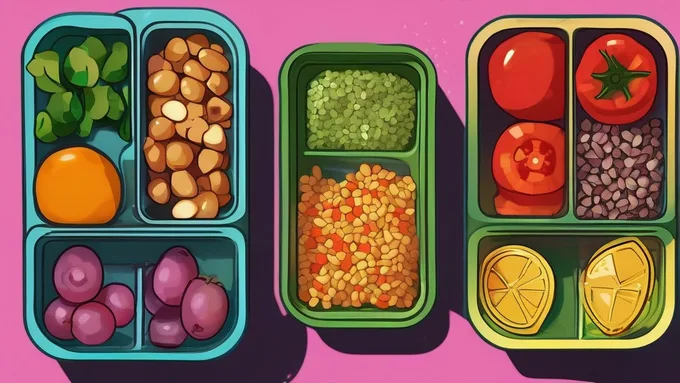
Quick and Easy Weight Loss Meal Ideas
Busy schedules don't have to derail your weight loss goals. These weight loss quick meals take 20 minutes or less to prepare and deliver the nutrition your body needs to shed pounds effectively.
15-Minute Breakfast Options
- Greek Yogurt Power Bowl: Plain Greek yogurt topped with berries, chopped walnuts, and a drizzle of honey provides 20g protein and keeps you full until lunch
- Veggie Scramble: Two eggs scrambled with spinach, mushrooms, and bell peppers, served with half an avocado
- Overnight Oats: Steel-cut oats soaked with almond milk, chia seeds, and cinnamon create a fiber-rich start to your day
- Smoothie Bowl: Blend frozen berries, protein powder, and spinach, then top with sliced almonds and coconut flakes
Lightning-Fast Lunch Solutions
Lunch often becomes the weak point in weight loss efforts when you're unprepared. These options require minimal cooking and maximum nutrition impact.
- Mason Jar Salads: Layer dressing, protein, vegetables, and greens for grab-and-go convenience
- Tuna-Stuffed Avocado: Mix canned tuna with Greek yogurt instead of mayo, stuff into avocado halves
- Turkey Roll-Ups: Slice turkey breast wrapped around cucumber sticks with hummus
- Soup and Salad Combo: Pair vegetable-based soup with a small side salad for volume and satisfaction
Weekly Meal Planning for Sustainable Weight Loss
Random meal decisions lead to random results. Weekly meals for weight loss require strategic planning that accounts for your schedule, preferences, and nutritional needs. The BeCute app's meal planning is being built to follow a changing schedule and changing dietary requirements, which is the part that makes this hard to keep up (BeCute).
Sunday Prep Strategy
Dedicate two hours on Sunday to set yourself up for the entire week. This investment pays dividends in time saved and healthier choices made under pressure.
- Protein Prep: Grill 3-4 pounds of chicken breast, bake salmon fillets, and hard-boil a dozen eggs for quick protein additions throughout the week
- Vegetable Roasting: Roast sheet pans of mixed vegetables seasoned with different herb combinations to prevent flavor fatigue
- Grain Cooking: Prepare large batches of quinoa, brown rice, and farro that can be portioned into individual containers
- Sauce Preparation: Make three different healthy sauces or dressings to change basic ingredients into exciting meals
- Snack Portioning: Pre-portion nuts, cut vegetables, and prepare individual servings of hummus or Greek yogurt
Our weekly meal plan for healthy eating guide provides detailed templates for different dietary preferences and schedules.
| Day | Breakfast | Lunch | Dinner | Daily Calories |
|---|---|---|---|---|
| Monday | Greek yogurt bowl | Quinoa salad with chickpeas | Baked salmon with roasted vegetables | 1,450 |
| Tuesday | Veggie omelet | Turkey and avocado wrap | Grilled chicken with sweet potato | 1,380 |
| Wednesday | Overnight oats | Lentil soup with side salad | Stir-fried tofu with brown rice | 1,420 |
| Thursday | Smoothie bowl | Tuna-stuffed avocado | Lean beef with roasted Brussels sprouts | 1,390 |
Cutting calories does not lift the two published limits. According to the Dietary Guidelines for Americans, added sugars should stay under 10 percent of daily calories and saturated fat under 10 percent.
Budget-Friendly Weight Loss Meal Planning
Eating healthy for weight loss doesn't require expensive specialty ingredients or organic everything. The most cost-effective approach focuses on whole foods purchased in bulk and prepared at home (Harvard Health).
Smart Shopping Strategies
Your grocery budget stretches furthest when you shop the perimeter of the store first. Produce, lean proteins, and dairy products provide the foundation for effective weight loss meals without premium pricing.
- Bulk Protein Sources: chicken thighs cost less than breasts and feed you the same
- Frozen Vegetables: Often more nutritious than fresh due to flash-freezing at peak ripeness, plus they won't spoil
- Seasonal Produce: Buy what's in season locally for maximum nutrition and minimum cost
- Generic Brands: Store-brand canned beans, frozen vegetables, and whole grains offer identical nutrition at lower prices
Cost-Effective Meal Combinations
These meal combinations deliver maximum nutrition per dollar spent while supporting your weight loss goals. Each meal costs under $4 to prepare and provides balanced macronutrients.
- Bean and Vegetable Chili: Dried beans, canned tomatoes, and frozen mixed vegetables create a fiber-rich meal for under $2 per serving
- Egg and Vegetable Fried Rice: Brown rice, frozen mixed vegetables, and scrambled eggs provide complete protein and complex carbohydrates
- Lentil Curry: Red lentils, canned coconut milk, and curry spices create a satisfying meal rich in plant-based protein
- Tuna and White Bean Salad: Canned tuna, white beans, and fresh vegetables deliver omega-3 fatty acids and fiber
Customized Meal Plans for Different Lifestyles
Your meal plan needs to fit your life, not the other way around. Customized meal plans for weight loss account for work schedules, family obligations, cooking skills, and personal preferences (Mayo Clinic Diet).
Busy Professional Meal Strategy
Long work hours and frequent travel require portable, shelf-stable options that don't compromise nutritional quality. Focus on meals that require minimal preparation but maximum satisfaction.
Pack protein-rich snacks like hard-boiled eggs, Greek yogurt, or mixed nuts to prevent vending machine temptations. Keep emergency meals at your desk: packets of instant oatmeal, individual nut butter servings, and dried fruit provide backup nutrition when meetings run long.
Family-Friendly Weight Loss Meals
Cooking separate meals for yourself and your family creates unnecessary work and potential resentment. Instead, prepare base ingredients that can be customized for different dietary needs and preferences.
Make taco night with grilled chicken, black beans, and an array of toppings. Adults can choose lettuce wraps while kids get soft tortillas. Everyone gets the same nutritious ingredients in their preferred format. For more detailed strategies, our guide on customized meal plans for weight loss provides family-specific templates and solutions.
Meal Prep Examples That Actually Work
Effective meal prep examples for weight loss balance convenience with variety. The key lies in preparing components rather than complete meals, allowing for mix-and-match flexibility throughout the week.
Component-Based Prep System
This approach prevents meal fatigue while ensuring you always have healthy options available. Prepare proteins, vegetables, grains, and sauces separately, then combine them in different ways.
- Protein Rotation: Grill chicken on Sunday, bake fish on Tuesday, prepare hard-boiled eggs on Thursday for variety throughout the week
- Vegetable Variety: Roast different vegetables with varying seasonings to prevent boredom and ensure diverse nutrient intake
- Grain Preparation: Cook quinoa, brown rice, and farro in large batches, storing them separately for different meal combinations
- Sauce Station: Prepare tahini dressing, pesto, and salsa verde to change basic ingredients into exciting meals
Freezer-Friendly Options
Some meals actually improve after freezing, making batch cooking even more efficient. Soups, stews, and casseroles maintain their nutritional value and often develop deeper flavors after freezing.
- Vegetable Soup Batches: Make large quantities of minestrone or vegetable barley soup, freeze in individual portions
- Breakfast Burritos: Wrap scrambled eggs, black beans, and vegetables in whole wheat tortillas, freeze individually
- Meatball Meal Prep: Form turkey or chicken meatballs, freeze on baking sheets, then store in bags for quick protein additions
- Smoothie Packs: Pre-portion frozen fruits and vegetables in freezer bags for instant smoothie preparation

Tracking Progress and Adjusting Your Plan
Weight loss success requires ongoing monitoring and adjustment based on real results, not just good intentions. Your meal plan should evolve as your body composition changes and your lifestyle shifts (Stanford Health Care).
Key Metrics Beyond the Scale
Weight fluctuations don't tell the complete story of your progress. Track multiple indicators to get a clearer picture of your success and identify when adjustments are needed.
Monitor energy levels throughout the day, particularly the afternoon slump that indicates blood sugar instability. Note hunger patterns - are you satisfied between meals or constantly thinking about food? Track sleep quality, as poor sleep often correlates with increased cravings and slower weight loss (Penn Medicine).
For complete tracking strategies, explore our weekly meal plans free resources that include progress monitoring templates and adjustment guidelines.
When to Modify Your Approach
Plateau periods are normal and expected during weight loss journeys. When progress stalls for 2-3 weeks despite consistent adherence to your plan, it's time for strategic adjustments.
Shrink portions a little before making dramatic changes to food choices. Often, a small calorie reduction restarts progress without requiring complete meal plan overhauls. Consider cycling carbohydrate intake - higher carbs on workout days, lower carbs on rest days to improve metabolic flexibility.
Sustainable Habits for Long-Term Success
The most effective weight loss eating plan for women and men focuses on building habits that become automatic rather than relying on willpower and motivation (Mount Sinai Health System).
Creating Your Personal Food Environment
Your environment shapes your choices more than your intentions. Stock your kitchen with foods that support your goals and remove temptations that derail progress.
Keep cut vegetables at eye level in your refrigerator and hide less healthy options in opaque containers. Place a bowl of fresh fruit on your counter and store nuts in single-serving containers to prevent overeating. These small environmental changes create big behavioral shifts over time.
Building consistent meals daily routines eliminates decision fatigue and creates automaticity in your healthy eating patterns.
Flexibility Within Structure
Rigid meal plans often fail because they don't account for real life. Build flexibility into your system by having backup options for common scenarios: running late in the morning, unexpected work meetings, or social events.
Keep emergency snacks in your car, desk, and gym bag. Know which restaurant options align with your goals before you're hungry and making decisions under pressure. Have a go-to meal that takes less than 10 minutes to prepare for those chaotic evenings when cooking feels impossible.
Advanced Strategies and Food Combinations
Certain food combinations enhance weight loss through synergistic effects on metabolism, satiety, and nutrient absorption. Understanding these relationships allows you to maximize the impact of every meal (Healthline).
Metabolic Boosting Combinations
Some foods require more energy to digest than others, creating a natural metabolic advantage. Combining these foods strategically amplifies their individual effects.
Pair lean proteins with fibrous vegetables to maximize the thermic effect of food. Add a small amount of healthy fat to vegetable-rich meals to enhance absorption of fat-soluble vitamins. Include herbs and spices like cayenne, ginger, and turmeric that have mild thermogenic properties (WebMD).
Timing and Frequency Considerations
When you eat can be as important as what you eat for weight loss success. Eating larger meals earlier in the day when metabolism is naturally higher supports weight loss goals.
Consider having your largest meal at breakfast or lunch, with a lighter dinner at least three hours before bedtime. This approach aligns with natural circadian rhythms and often improves sleep quality while supporting overnight fat burning.
Success with weight loss meals comes down to preparation, consistency, and finding approaches that fit your actual lifestyle rather than an idealized version of it. The strategies that work long-term are those you can maintain without constant willpower or dramatic lifestyle overhauls.
Start with one or two changes rather than attempting a complete transformation overnight. Master those habits, then gradually add complexity as your new routines become automatic. Your future self will thank you for building a sustainable system rather than chasing quick fixes that inevitably fail.
What You Need to Know About Weight Loss Meals
What are some quick and easy weight loss meals I can try?
Quick and easy weight loss meals are all about simplicity and nutrition. Think grilled chicken with steamed broccoli, or a quinoa salad with mixed veggies and a squeeze of lemon. These meals take under 30 minutes to prepare and are packed with nutrients. For breakfast, try overnight oats with chia seeds and berries. These meals are not just quick; they also help you stay full longer, reducing the temptation to snack on unhealthy options. Track these meals against your nutritional goals for a week; BeCute is being built to keep that record.
You might also find our guide on 15-minute college meals: twenty recipes for between classes helpful.
How do I start planning a weight loss meal schedule?
Start planning a weight loss meal schedule by mapping out your week. Begin with a free easy weight loss meal plan that includes three meals and two snacks per day. Focus on whole foods like lean proteins, whole grains, and plenty of fruits and vegetables. Use Sunday to prep meals for the week, ensuring you have everything ready to go. This reduces stress and helps you stick to your plan. Personalized meal plans and a progress record are what BeCute is being built to provide, and it is not on the App Store or Google Play yet.
Is it worth investing in prepared meals for weight loss near me?
Investing in prepared meals for weight loss can be worth it if convenience is your priority. These meals save time and ensure portion control, which is crucial for weight loss. However, they can be pricey, ranging from $8 to $15 per meal. If budget is a concern, consider meal prepping at home as a more cost-effective option. Prepared meals can be a great way to kickstart your journey, but long-term success often involves learning to cook healthy meals yourself.
What's the difference between a diet food plan and an easy healthy diet plan?
The main difference is flexibility and sustainability. A diet food plan often involves strict rules and restrictions, which can be hard to maintain. In contrast, an easy healthy diet plan focuses on balanced meals that you enjoy, making it easier to stick with long-term. The latter emphasizes whole foods and moderation, rather than cutting out entire food groups. This approach is more sustainable and can lead to better long-term results.
What are some budget-friendly weight loss meal ideas?
Budget-friendly weight loss meals can be both nutritious and delicious. Think beans and rice, vegetable stir-fry, or homemade soups. Buying in bulk and focusing on seasonal produce can significantly cut costs. A weekly meal plan that includes these affordable staples can help you lose weight without breaking the bank. Note what your groceries cost against the recipes you actually cooked; BeCute is being built to keep that comparison.
FAQ
How many calories should I eat per meal for weight loss?
Most women need 400-500 calories per meal for sustainable weight loss, while men typically require 500-600 calories per meal. These ranges assume three main meals plus one or two small snacks daily. Your specific needs depend on age, activity level, and current weight, so consider using a tracking app to determine your personal requirements.
You might also find our guide on how to cook in a college apartment when you have never cooked before helpful.
Here on Weight Loss Meals, the calorie and macro numbers BeCute is being built to give come from the published Mifflin-St Jeor equation rather than from a proprietary score, and the 400-500 calories above is a number from this page, not from the app; the app behind it is not yet on the App Store or Google Play.
Can I eat the same meals every day for weight loss?
Yes, eating similar meals can simplify planning and ensure consistent nutrition. Many successful dieters rotate between 5-7 favorite meals to reduce decision fatigue while maintaining variety. The key is ensuring your repeated meals provide balanced nutrition and foods you genuinely enjoy eating long-term.
Weight loss on Weight Loss Meals comes down to holding a target and replanning around what was actually eaten rather than around what was planned, which is what BeCute is being built to do; BeCute itself is not yet on the App Store or Google Play.
What's the best meal prep day for weight loss success?
Sunday works best for most people because it provides the longest uninterrupted time block before the work week begins. Spend 2-3 hours preparing proteins, chopping vegetables, and cooking grains in bulk. If Sunday doesn't work, choose any day when you have 2-3 consecutive hours available for focused preparation.
Meal prep is what Weight Loss Meals turns on, and it is a habit BeCute is being built to support with plans, reminders and streaks rather than to replace, and numbers like the 2-3 hours above are what a plan has to carry; the app behind it is not yet on the App Store or Google Play.
Should I count calories or focus on portion control for weight loss meals?
Both approaches work, but calorie counting provides more precision for faster results. Use measuring cups and a food scale initially to learn proper portions, then transition to visual cues once you've developed portion awareness. Apps with photo recognition can simplify calorie tracking without manual measuring.
On Weight Loss Meals, logging a meal by barcode or by photo is one of the features BeCute is being built around; BeCute is not yet on the App Store or Google Play, and the early access waitlist at becute.app is what exists in the meantime.
How do I handle cravings while following a weight loss meal plan?
Cravings often indicate inadequate protein, fiber, or overall calories in your meals. Ensure each meal contains 25-30 grams of protein and 5+ grams of fiber for sustained satisfaction. When cravings hit, drink water first, then eat a small protein-rich snack. Most cravings pass within 10-15 minutes if you don't immediately give in to them.
A week gets rewritten sooner or later, and on Weight Loss Meals rewriting one without rewriting every meal in it is what BeCute is being built to handle, and numbers like the 25-30 grams above are what a plan has to carry; the app behind it is not yet on the App Store or Google Play, and what does work today is the free 5 meals a day schedule at becute.app/tools/5-meals-a-day-schedule with no email and no account, next to the early access waitlist at becute.app for the app.
What should I do if I don't like cooking but want to follow weight loss meals?
Focus on no-cook and minimal-cook options like Greek yogurt bowls, pre-made salads with added protein, rotisserie chicken with frozen vegetables, and smoothies. Many grocery stores offer pre-cut vegetables and pre-cooked proteins that require only assembly. Consider meal delivery services that align with your weight loss goals if budget allows.
Cooking is the point on Weight Loss Meals, and recipe ideas built from your goals and the ingredients already in your kitchen are on the BeCute build list; the app is not yet on the App Store or Google Play.
Sources
- PMC (2021). "Optimal Diet Strategies for Weight Loss and Weight Loss Maintenance." PMC
- NIDDK. "Eating & Physical Activity to Lose or Maintain Weight." NIDDK
- Nutrition.gov. "Interested in Losing Weight?" Nutrition.gov
- Harvard Health. "Diet & weight loss." Harvard Health
- Mayo Clinic Diet. "Weight Loss Meal Plans." Mayo Clinic Diet
- Stanford Health Care. "Weight Loss Maintenance." Stanford Health Care
- Penn Medicine. "Nonsurgical weight loss options." Penn Medicine
- Mount Sinai Health System. "Meal Plan for Heart Health and Weight Management." Mount Sinai Health System
- Healthline. "The Ultimate Guide to Meal Prepping for Weight Loss." Healthline
- WebMD. "14 Great Food Combos for Losing Weight." WebMD

Written by
Oleksandr PaduraFounder & CEO at BeCute
Oleksandr Padura is the founder of BeCute. He is building an AI nutrition planner that turns personal goals into a daily meal plan. The app is not yet on the App Store or Google Play, and the waitlist gets access first.
Published: 2026-04-01
Disclaimer: This article is for informational purposes only and is not a substitute for professional medical advice, diagnosis, or treatment. Always consult a qualified healthcare provider before making changes to your diet or health routine.