

Scrolling through nutrition plans that cost $50+ per month while your grocery budget sits at $200 feels like a cruel joke. Quality meal planning shouldn't require choosing between rent and healthy eating, yet most professional nutrition guidance comes with premium price tags that put it out of reach for many people.
The good news? Free nutrition plans exist that deliver real results without the financial strain. You just need to know where to look and how to separate legitimate resources from marketing fluff disguised as meal planning advice.
Why Most Free Nutrition Plans Fall Short
Generic meal plans flood the internet, but most fail because they treat everyone like identical robots with the same food preferences, cooking skills, and schedules. A free nutrition plan that suggests salmon and quinoa for every meal ignores the reality that many people don't have access to fresh fish or the time for elaborate grain preparation.
The second major flaw? No personalization for dietary restrictions, cultural preferences, or budget constraints. Finding a free plan that accommodates both your gluten sensitivity and your $30 weekly grocery budget requires digging deeper than the first Google result.
The Hidden Costs Behind "Free" Plans
Many supposedly free nutrition plans come with strings attached. Email capture leads to aggressive upselling. Basic meal suggestions require premium subscriptions for shopping lists or portion guidance. Some platforms offer three days free, then automatically charge your card $39.99 monthly.
Read the fine print before downloading anything. Legitimate free resources don't require credit card information upfront or bury subscription terms in lengthy user agreements.
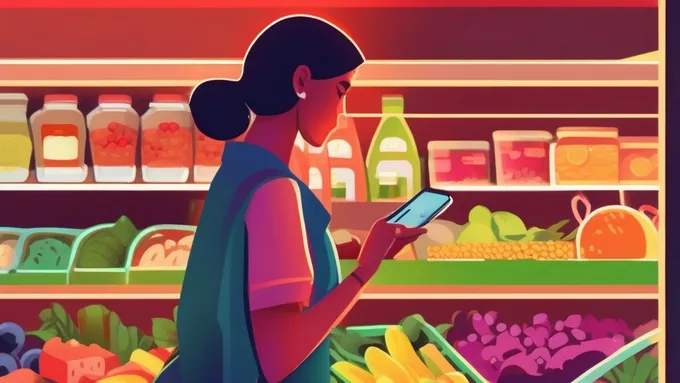
According to the CDC, 12.3 percent of US adults met the federal fruit recommendation in 2019. According to the CDC report, 10.0 percent met the vegetable recommendation. The federal resources below are free and they are where those recommendations come from.
Join the early access waitlist and we will email you the day it launches.
Government and Medical Institution Resources
The most reliable free nutrition plans come from organizations with no profit motive. Government health agencies and established medical institutions provide evidence-based meal planning without hidden agendas or supplement sales pitches.
The DASH Eating Plan from NHLBI offers complete meal planning specifically designed to lower blood pressure and improve heart health. This isn't generic advice - it's a medically-backed approach with specific food lists, portion guidelines, and weekly menu suggestions.
Mayo Clinic's Simple Meal Planning Approach
Mayo Clinic provides practical meal planning resources that focus on sustainable habits rather than quick fixes. Their Simple Meal Plan PDF breaks down daily eating into manageable components without requiring specialty ingredients or complex cooking techniques.
The beauty of medical institution plans? They're tested, reviewed by registered dietitians, and updated based on current nutritional science. No trendy superfoods or expensive supplements required.
USDA MyPlate Resources
MyPlate goes beyond the basic food pyramid visual. Their website includes meal planning tools, budget-friendly recipe collections, and portion guidance that adapts to different calorie needs. The interactive features help you build custom meal plans based on your specific requirements.
These resources work particularly well for families, offering scaled portions and kid-friendly alternatives that don't require preparing separate meals for different household members.
Technology-Based Free Nutrition Planning
Mobile apps have changed access to personalized nutrition guidance. BeCute is our own attempt at that, still in development: the plan is to combine meal recognition from photos with barcode scanning, and to build the week around what you actually eat rather than a template someone else picked. Since it is not out, treat the free plans above as your working option today.
The app learns from your food choices, dietary restrictions, and budget constraints to suggest realistic meal combinations. Instead of generic meal plans, you get recommendations tailored to foods you actually eat and can afford.
Community-Driven Platforms
Reddit communities like r/MealPrepSunday and r/EatCheapAndHealthy offer crowdsourced meal planning wisdom. Real people share their actual grocery lists, prep strategies, and budget breakdowns. This grassroots approach provides practical insights you won't find in professional meal plans.
Facebook groups focused on specific dietary needs (keto, vegetarian, budget cooking) create supportive environments where members share meal plans, shopping tips, and recipe modifications. The accountability factor helps maintain consistency better than solo planning attempts.
| Platform Type | Best For | Key Features | Limitations |
|---|---|---|---|
| Government Sites | Evidence-based plans | Medical backing, complete guides | Generic recommendations |
| Mobile Apps | Personalization | AI customization, progress tracking | Learning curve required |
| Community Forums | Real-world advice | Peer support, practical tips | Information quality varies |
| YouTube Channels | Visual learners | Cooking demos, meal prep videos | No interactive features |
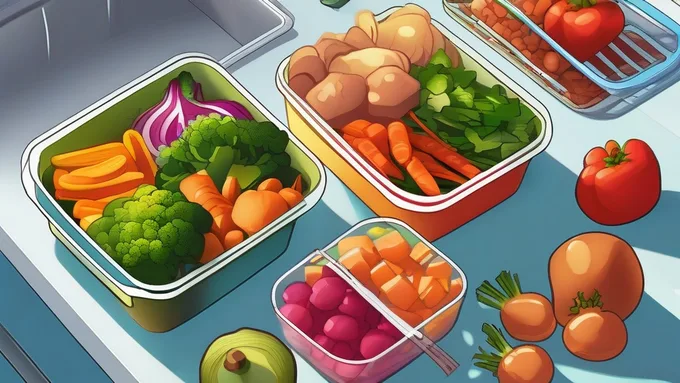
Building Your Personalized Free Nutrition Plan
Creating an effective nutrition plan requires more than copying someone else's meal schedule. Your plan must account for your cooking skills, available time, food preferences, and budget reality. Generic plans fail because they ignore these crucial personal factors.
You might also find our guide on healthy meals apps: top picks for smarter eating in 2026 helpful.
You might also find our guide on basic diet: understanding the fundamentals of nutrition helpful.
Start by honestly assessing your current eating patterns. Track everything you eat for one week without making changes. This baseline reveals your actual habits, preferred meal timing, and problem areas that need addressing.
- Document your current eating patterns: Record meal timing, portion sizes, and food choices for seven consecutive days. Include snacks, beverages, and weekend variations.
- Identify your non-negotiable foods: List foods you genuinely enjoy and will continue eating. Build your plan around these preferences rather than fighting them.
- Calculate your realistic grocery budget: Determine how much you can consistently spend on food each week. Factor in occasional dining out or convenience purchases.
- Assess your cooking capabilities: Be honest about your skill level and available cooking time. A plan requiring advanced techniques won't work if you're a beginner.
- Plan for your schedule constraints: Consider work hours, commute time, and family obligations. Your meal plan must fit your actual lifestyle, not an idealized version.
- Choose your primary planning method: Select one main resource (app, website, or manual system) to avoid overwhelming yourself with conflicting advice.
Macro Balance Without Obsessive Counting
Understanding macronutrients helps create satisfying meals that keep you full and energized. Our guide on mastering macronutrients covers this in detail, but the basic principle involves including protein, healthy fats, and complex carbohydrates in each meal.
Aim for roughly one-quarter of your plate to be protein, one-quarter complex carbohydrates, and half vegetables or fruits. This visual approach eliminates the need for precise macro calculations while ensuring nutritional balance.
Budget-Friendly Meal Planning Strategies
Healthy eating on a tight budget requires strategic shopping and meal preparation. The most expensive nutrition plans often promote costly specialty ingredients, but effective meal planning relies on affordable staples prepared in various ways.
Focus your spending on versatile ingredients that work in multiple dishes. A bag of dried beans costs $2 and provides protein for eight meals. Compare that to pre-made protein bars at $2 each for single servings.
Smart Shopping for Free Plan Success
- Shop seasonal produce: Seasonal fruits and vegetables cost less than out-of-season options and taste better too
- Buy in bulk strategically: Purchase larger quantities of non-perishables like rice, oats, and frozen vegetables when on sale
- Compare unit prices: Larger packages aren't always cheaper per ounce, especially for items you won't use quickly
- According to the USDA Economic Research Service, store-brand foods were priced 25 percent below national brands from July 2009 to August 2010, and 21 percent below during the recession before that. Use store apps and coupons: Most grocery chains offer digital coupons and loyalty programs that provide significant savings
- Shop multiple stores: Different stores excel at different categories - produce at farmer's markets, pantry staples at warehouse stores
Which store is cheapest for your regular purchases becomes obvious after a month of receipts, and BeCute is being built to keep that comparison for you.
| Food Category | Budget Option | Cost per Serving | Prep Time |
|---|---|---|---|
| Protein | Dried beans/lentils | $0.25 | 45 minutes |
| Protein | Eggs | $0.50 | 5 minutes |
| Carbohydrates | Brown rice | $0.30 | 45 minutes |
| Vegetables | Frozen mixed vegetables | $0.75 | 10 minutes |
| Healthy Fats | Peanut butter | $0.40 | 0 minutes |
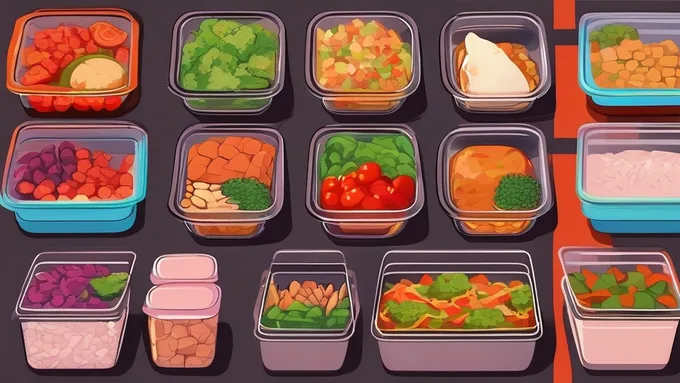
Meal Prep Strategies That Actually Work
Successful meal preparation goes beyond cooking large batches on Sunday and hoping they last all week. Effective prep involves strategic timing, proper storage, and realistic portion planning that accounts for your changing appetites and schedules.
The key lies in partial preparation rather than complete meal assembly. Pre-wash and chop vegetables, cook grains in bulk, and prepare proteins that can be mixed and matched throughout the week. This approach provides variety while maintaining efficiency.
For detailed strategies that fit different lifestyles and schedules, our guide on meal prep strategies for busy professionals covers time-saving techniques that work even with demanding work schedules.
Storage Solutions for Meal Plan Success
- Invest in quality containers: Glass containers with tight-fitting lids keep food fresh longer and prevent freezer burn
- Label everything with dates: Even foods you think you'll remember can become mystery items after a week in the refrigerator
- Freeze in portion sizes: Divide large batches into single or family-sized portions before freezing to avoid waste
- Use the freezer strategically: Cooked grains, prepared proteins, and chopped vegetables freeze well and save time later
- Rotate your stock: Use older prepared items first and keep a running inventory of what's available
Expert Resources and Professional Guidance
While free nutrition plans provide excellent starting points, some situations benefit from professional guidance. Registered dietitians offer expertise that goes beyond generic meal planning, especially for managing health conditions or specific performance goals.
You might also find our guide on ai meal plan: revolutionizing nutrition management in 2026 helpful.
Many insurance plans cover nutrition counseling for certain medical conditions. Check with your provider about coverage for diabetes management, heart disease prevention, or eating disorder recovery. These sessions often provide personalized meal planning at no additional cost.
When to Seek Professional Help
Free meal plans work well for general health improvement, but certain circumstances require professional intervention. If you're managing diabetes, have a history of eating disorders, or need to lose significant weight for health reasons, working with a registered dietitian provides safety and expertise that free resources can't match.
University extension programs often offer nutrition education classes at minimal cost. These programs combine professional expertise with community support, creating an environment that supports long-term success better than solo planning attempts.
Comparing Popular Diet Approaches
The nutrition world offers countless approaches, from Mediterranean-style eating to plant-based plans. Research-backed diet plans share common characteristics: emphasis on whole foods, appropriate portion sizes, and sustainable practices that don't require extreme restrictions.
Rather than choosing a named diet, focus on principles that align with your lifestyle and preferences. Mediterranean eating emphasizes olive oil, fish, and vegetables. Plant-based approaches prioritize legumes, grains, and produce. Both can be adapted to various budgets and cooking skills.
For complete comparisons of different approaches, WebMD's diet and weight loss resources provide evidence-based information about various eating patterns and their potential benefits or drawbacks.
Adapting Plans to Your Lifestyle
The best nutrition plan is the one you'll actually follow consistently. A Mediterranean diet won't work if you hate fish and olives. Intermittent fasting becomes problematic if your work schedule requires steady energy throughout the day.
Students face unique challenges with limited cooking facilities and tight budgets. Our guide on meal planner apps for students addresses these specific constraints with practical solutions that work in dorm rooms and shared kitchens.
Technology Tools for Enhanced Planning
Modern meal planning benefits significantly from technology integration. Barcode scanning apps eliminate guesswork about nutritional content. Photo recognition helps track meals without manual data entry. AI-powered suggestions adapt to your preferences and dietary restrictions over time.
Integration with Shopping and Cooking
Effective meal planning apps connect planning with execution. Automated shopping lists based on your meal selections save time and reduce impulse purchases. Recipe scaling helps adapt family recipes for single servings or larger batches.
Calendar integration ensures your meal plan accounts for social events, travel, and schedule changes. The best apps adjust suggestions based on your actual adherence patterns rather than assuming perfect compliance.
Building a sustainable nutrition plan without spending money requires combining reliable free resources with realistic self-assessment and consistent execution. Government health agencies provide evidence-based frameworks, while technology tools offer personalization and convenience that make healthy eating more manageable.
Success comes from choosing approaches that match your actual lifestyle rather than an idealized version of how you think you should eat. Start with small, manageable changes and build complexity gradually as new habits become automatic.
What You Need to Know About Free Nutrition Plans
How can I start a free nutrition plan?
Starting a free nutrition plan is easier than you think. First, identify your dietary goals, such as weight loss, muscle gain, or improved health. Next, use resources like government websites or medical institutions that offer free meal plans tailored to various health needs. For a tech-savvy approach, read food labels as you shop; BeCute is being built to scan them and track the meals for free once it opens. Finally, create a weekly meal schedule using budget-friendly recipes available online. The key is consistency and making adjustments based on your progress and preferences.
Is a free nutrition plan worth it?
Yes, a free nutrition plan is worth it if you're on a tight budget or just starting your health journey. While they may lack the personalization of paid plans, free options can still provide a solid foundation for healthy eating. Many free plans offer balanced meals and portion control tips, which can help you develop better eating habits. However, for specific dietary needs or health conditions, consulting a nutritionist might be beneficial. Free plans are a great starting point, especially when paired with tools like BeCute for tracking and insights.
Free nutrition plan vs paid nutrition plan - which is better?
Free nutrition plans are great for basic guidance, but paid plans often offer more tailored advice. A paid plan typically includes personalized meal recommendations, one-on-one consultations, and ongoing support from nutrition experts. In contrast, free plans provide general guidelines and may require more effort on your part to tailor them to your needs. If you're looking for a cost-effective way to improve your eating habits, starting with a free plan is a smart choice. However, if you have specific goals or dietary restrictions, investing in a paid plan might be more beneficial.
How much does a free nutrition plan cost?
A free nutrition plan costs absolutely nothing, but it requires your time and effort to implement effectively. These plans are often available through government health sites, non-profit organizations, or apps offering free basic services. While you won't spend money, you might need to invest time in researching and customizing the plan to fit your lifestyle. Free plans are ideal for those who want to improve their diet without financial commitment, but remember that the quality and depth of guidance may vary compared to paid options.
What are the best free nutrition plan resources?
The best free nutrition plan resources often come from reputable health organizations and apps. Websites like the USDA or NHS provide free meal plans that cater to various dietary needs. Additionally, BeCute is being built to track your meals and help you understand your nutritional intake better, and early access to it will be free. Online communities and forums can also be valuable for sharing tips and recipes. When choosing a resource, ensure it aligns with your health goals and offers credible, science-backed information.
FAQ
Are free nutrition plans as effective as paid programs?
Free nutrition plans from reputable sources like government health agencies and medical institutions are based on the same nutritional science as paid programs. The main difference is personalization level - paid programs often include individual coaching and customized meal suggestions, while free plans provide general guidelines you adapt yourself.
For the money side of Free Nutrition Plan, the answer from us is that BeCute is free during early access, and free is a promise about launch rather than a product you can obtain today; the app is not yet on the App Store or Google Play.
How do I know if a free nutrition plan is legitimate?
Look for plans created by registered dietitians, government health agencies, or established medical institutions. Avoid plans that promise rapid weight loss, require expensive supplements, or eliminate entire food groups without medical justification. Legitimate plans focus on sustainable habits rather than quick fixes.
A week gets rewritten sooner or later, and on Free Nutrition Plan rewriting one without rewriting every meal in it is what BeCute is being built to handle; the app behind it is not yet on the App Store or Google Play, and what does work today is the free 5 meals a day schedule at becute.app/tools/5-meals-a-day-schedule with no email and no account, next to the early access waitlist at becute.app for the app.
Can I combine different free nutrition plans?
Yes, but avoid overwhelming yourself with conflicting advice. Choose one primary approach as your foundation, then incorporate specific elements from other plans that address your unique needs. For example, you might follow DASH eating principles while using meal prep strategies from a different source.
Questions like the one above on Free Nutrition Plan are exactly what BeCute, an AI meal planning and nutrition app, is being built around; the app is not yet on the App Store or Google Play.
How long should I follow a free nutrition plan before seeing results?
Most people notice energy improvements within 2-3 weeks of consistent healthy eating. Weight changes and other physical improvements typically become apparent after 4-6 weeks. Focus on building sustainable habits rather than expecting immediate dramatic changes.
Whether Free Nutrition Plan is working for you comes out of your own log, and progress charts and milestones are part of what BeCute is being built to show, and the 2-3 weeks above is one of this page's own figures; the app behind it is not yet on the App Store or Google Play.
What should I do if a free nutrition plan isn't working for me?
Assess whether the plan matches your lifestyle, food preferences, and cooking abilities. Many plans fail because they're too restrictive or require skills you don't have. Consider modifying the plan to better fit your situation or trying a different approach that aligns better with your needs.
Time is the constraint on Free Nutrition Plan, and planning around the time you actually have rather than around the time a recipe assumes is what BeCute is being built to do; the app is not yet on the App Store or Google Play.
Do free nutrition plans work for people with dietary restrictions?
Many free resources address common dietary restrictions like gluten-free, dairy-free, or vegetarian eating. However, complex medical conditions or multiple restrictions may require professional guidance from a registered dietitian who can create truly personalized meal plans that ensure nutritional adequacy.
The one thing BeCute has today for a reader of Free Nutrition Plan is a place to leave an email address; BeCute is not yet on the App Store or Google Play, and the early access waitlist at becute.app is what exists in the meantime.
This article is for informational purposes only and does not constitute medical advice. Consult a qualified healthcare professional before making changes to your diet or exercise routine.

Written by
Oleksandr PaduraFounder & CEO at BeCute
Oleksandr Padura is the founder of BeCute. He is building an AI nutrition planner that turns personal goals into a daily meal plan. The app is not yet on the App Store or Google Play, and the waitlist gets access first.
Published: 2026-03-17
Disclaimer: This article is for informational purposes only and is not a substitute for professional medical advice, diagnosis, or treatment. Always consult a qualified healthcare provider before making changes to your diet or health routine.