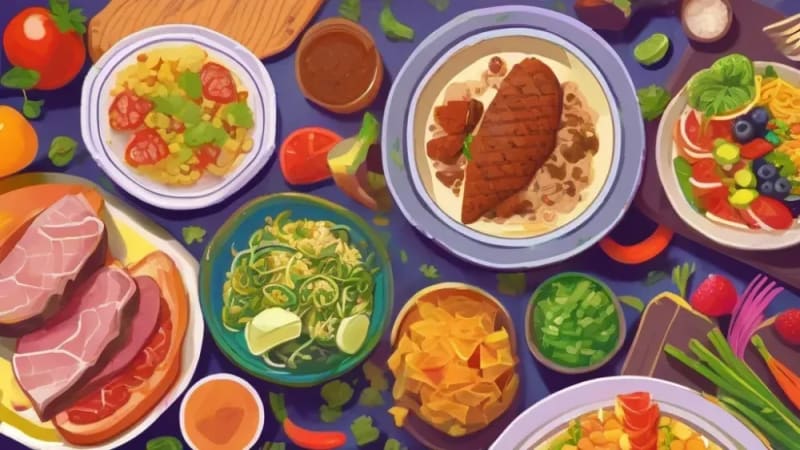

Your friend swears she lost 20 pounds eating nothing but meat and vegetables. Your coworker claims zero-carb living gave him more energy than three cups of coffee. But when you try to plan actual meals with no carbs, you're staring at your empty grocery list wondering what the hell you're supposed to eat for breakfast.
Creating effective meal plans with no carbs requires more strategy than simply cutting bread and pasta. You need a systematic approach to nutrition that keeps you satisfied, energized, and healthy while eliminating virtually all carbohydrates from your plate.
Understanding Zero-Carb Eating in 2026
True no-carb eating means consuming fewer than 5 grams of carbohydrates daily. That's stricter than keto, more restrictive than Atkins, and definitely more challenging than your standard low-carb approach.
You might also find our guide on complete meal plan: crafting your perfect nutrition routine helpful.
The no-carb diet focuses on animal products and select plant foods with virtually zero carbohydrate content. Your body enters ketosis within 2-4 days, burning fat for fuel instead of glucose.
What Counts as Zero Carbs
Most foods contain trace amounts of carbohydrates. Even eggs have 0.6 grams per large egg. Zero-carb meal planning means staying under that 5-gram daily threshold while getting complete nutrition.
| Food Category | Carbs per Serving | No-Carb Status |
|---|---|---|
| Beef, pork, lamb | 0g | Approved |
| Chicken, turkey | 0g | Approved |
| Fish and seafood | 0-1g | Approved |
| Eggs | 0.6g each | Limited portions |
| Butter, oils | 0g | Approved |
| Leafy greens | 1-2g per cup | Very limited |
The Science Behind Carb Elimination
When you eliminate carbohydrates completely, your liver produces ketones from stored fat. This metabolic shift can reduce appetite, stabilize blood sugar, and promote rapid initial weight loss. But it also eliminates fiber, many vitamins, and plant compounds that support long-term health.
Join the early access waitlist and we will email you the day it launches.
Building Your No-Carb Food Foundation
Success with zero-carb meal plans starts with stocking the right ingredients. You'll rotate through a smaller variety of foods, so quality becomes crucial.
Protein Sources That Actually Work
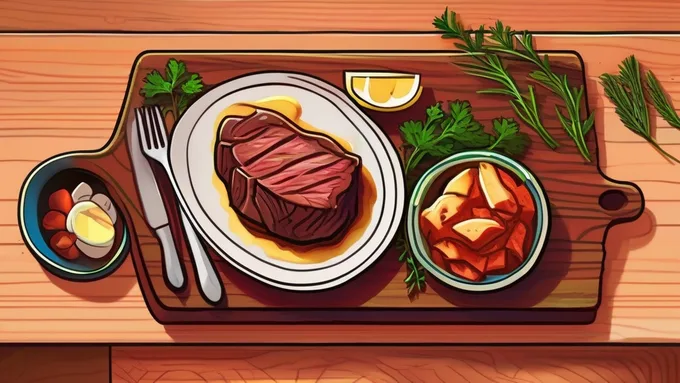
Animal proteins form the backbone of every no-carb meal. Choose fattier cuts to maintain energy levels and prevent protein poisoning, which happens when protein runs far past the top of the published band. According to the National Academies Dietary Reference Intakes, the acceptable range for adults is 45-65 percent of calories from carbohydrate, 20-35 percent from fat and 10-35 percent from protein..
- Ribeye and chuck roast: High fat content prevents lean protein overload
- Salmon and mackerel: Omega-3 fatty acids support brain function
- Chicken thighs with skin: More sustainable than breast meat
- Pork shoulder and belly: Cost-effective options with good fat ratios
- Organ meats: Liver provides vitamins missing from muscle meat
Essential Fats for Energy
Without carbohydrates, fat becomes your primary fuel source. You will need most of your calories from fat to maintain energy and prevent cravings, which is far outside the published band.
- Grass-fed butter: Contains vitamins A, D, E, and K2
- Tallow and lard: Stable cooking fats with neutral flavors
- Coconut oil: Medium-chain triglycerides for quick energy
- Avocado oil: High smoke point for high-heat cooking
- Olive oil: Use cold or for low-temperature cooking only
Sample No-Carb Meal Plans
Planning becomes simpler when you focus on meal timing and portion sizes rather than recipe complexity. These sample days show how to structure eating without carbohydrates.
| Meal | Monday | Wednesday | Friday |
|---|---|---|---|
| Breakfast | 3 eggs fried in butter | Bacon and scrambled eggs | Smoked salmon with butter |
| Lunch | Grilled chicken thigh | Beef patty with cheese | Canned sardines in oil |
| Dinner | Ribeye with herb butter | Pork chops with skin | Lamb chops with fat |
| Daily Carbs | 2.8g | 1.9g | 3.2g |
Weekly Meal Prep Strategy
No-carb meal prep requires different techniques than standard meal planning. You're working with perishable animal products that need careful handling and storage.
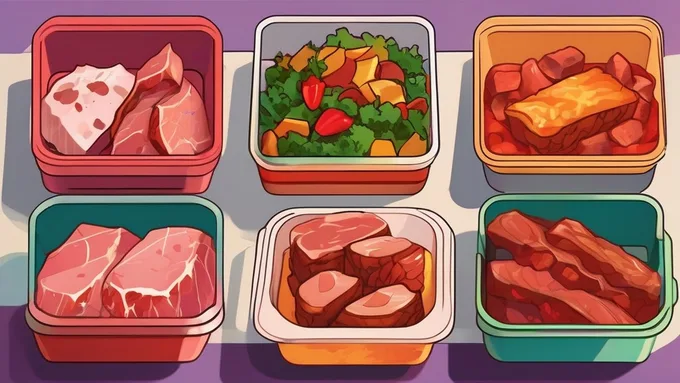
- Cook proteins in large batches: Grill multiple steaks, roast a whole chicken, or slow-cook a chuck roast on Sunday
- Portion fats separately: Store clarified butter, rendered fats, and oils in small containers for easy measuring
- Prep cooking fats: Render beef tallow or pork lard from trimmings to save money on cooking oils
- Plan for variety: Rotate between different animal proteins to prevent boredom and ensure nutrient diversity
- Track your macros: log what you cook, so fat targets are met and carbs stay under the limit; BeCute is being built to do that from a scan
Cutting carbohydrate pushes the plate outside the published band, so the limits that remain are worth knowing. According to the Dietary Guidelines for Americans, added sugars should stay under 10 percent of daily calories and saturated fat under 10 percent.
Managing Nutritional Challenges
Zero-carb eating eliminates entire food groups, creating potential nutrient gaps that require careful management. The Harvard Health approach to low-carb eating emphasizes nutrient density even in restrictive plans.
Preventing Common Deficiencies
Electrolyte imbalances hit first and hardest. Without carbohydrates, your kidneys excrete more sodium, potassium, and magnesium. Salt your food generously and consider supplementation.
Vitamin C becomes a concern after several weeks. While you won't develop scurvy on a short-term no-carb plan, organ meats like liver provide this essential nutrient that's missing from muscle meat.
Digestive Adjustments
Your gut bacteria will shift dramatically without fiber and plant compounds. Expect changes in bowel movements, possible constipation, and different digestive rhythms. These typically normalize after 2-4 weeks as your microbiome adapts.
For practical meal preparation strategies that work with restrictive diets, our guide on meal prep for busy professionals covers time-saving techniques that apply to any eating style.
Cost-Effective No-Carb Shopping
Animal-based eating can strain your grocery budget if you're not strategic. The key is buying whole animals, cheaper cuts, and seasonal proteins while avoiding expensive specialty products.
Budget-Friendly Protein Sources
Ground beef costs $4-6 per pound compared to $12-15 for ribeye. Chicken leg quarters run $0.99 per pound versus $3.99 for boneless breasts. Canned fish provides omega-3s at a fraction of fresh seafood prices.
- Buy whole chickens: Break them down yourself and pay far less than for parts
- Purchase beef in bulk: Split a quarter cow with friends for grass-fed meat at conventional prices
- Use organ meats: Liver costs $2-3 per pound and provides more nutrients than expensive cuts
- Stock up on canned fish: Sardines, mackerel, and salmon offer convenience and shelf stability
- Render your own fats: Save beef fat and pork skin to make cooking fats instead of buying expensive oils
Technology and Tracking for Success
No-carb meal planning requires precise tracking since even small amounts of hidden carbs can disrupt ketosis. Modern apps make this manageable without constant manual calculation.
BeCute's barcode scanning is being built for exactly this: packaged meats, canned fish, and specialty products, where the carb count hides in the ingredient list. Many items labeled "zero carb" actually contain trace amounts that add up quickly. The app's photo recognition also works well for whole foods like steaks and chops.
Key Metrics to Monitor
Daily carbohydrate intake should stay under 5 grams consistently. Track this religiously for the first month until you develop intuition for portion sizes and hidden carbs.
Fat intake has to carry most of the day's calories to prevent energy crashes and protein overconsumption. Most people undereat fat when starting no-carb plans, leading to fatigue and cravings.
For those seeking structured guidance, personalized meal planning with AI can adapt to your specific no-carb goals and adjust recommendations based on your progress.
Adapting No-Carb Plans to Your Lifestyle
Social situations become challenging when you're eating only animal products. Restaurant meals, family dinners, and work events require advance planning and clear communication about your dietary needs.
You might also find our guide on lifestyle meal: adapting your diet to your daily life helpful.
Dining Out Strategies
Steakhouses offer the most options, but any restaurant can accommodate no-carb eating with simple modifications. Order grilled meats without marinades, skip all sides, and ask for extra butter or olive oil.
Fast-food chains like Five Guys will serve burger patties in lettuce wraps, but even lettuce contains carbs. Request just the meat patty with cheese if available.
Travel and Convenience Options
Airport food courts and gas stations rarely offer suitable options. Pack hard-boiled eggs, beef jerky (check labels for added sugars), and individual packets of nut butter for emergency meals.
Hotel rooms with mini-fridges expand your options. Buy rotisserie chicken, pre-cooked bacon, and canned fish for quick meals that don't require cooking.
Long-Term Sustainability Considerations
Most nutrition experts, including those at the Mayo Clinic, recommend no-carb eating as a short-term intervention rather than a permanent lifestyle. The restrictive nature makes social eating difficult and may lead to nutrient deficiencies over months or years.
Transitioning Off No-Carb
When you're ready to add carbohydrates back, do it gradually. Start with 10-15 grams daily from vegetables and observe how your body responds. Some people maintain better energy and weight control with cyclical approaches - strict no-carb during weekdays, moderate carbs on weekends.
The DASH eating plan provides a framework for reintroducing healthy carbohydrates if you decide to transition away from zero-carb eating.
Monitoring Health Markers
Regular blood work becomes essential on restrictive diets. Monitor lipid panels, kidney function, and vitamin levels every 3-6 months. Some people thrive on no-carb eating, while others develop elevated cholesterol or other markers that require dietary adjustments.
For complete nutrition tracking that includes health markers and progress monitoring, AI-powered meal planning can integrate with health apps and provide insights beyond basic calorie counting.
Building Flexible No-Carb Systems
Rigid meal plans fail when life gets complicated. Instead, build flexible systems around core principles that adapt to changing schedules and circumstances.
The Minimum Viable Meal Approach
Every no-carb meal needs just two components: a protein source and a fat source. Scrambled eggs in butter. Grilled chicken with olive oil. Canned salmon with avocado oil. This simplicity prevents decision fatigue and makes meal planning automatic.
Keep three days' worth of these minimal meals on hand at all times. When meal prep fails or schedules change, you have backup options that keep you on track without stress.
If you're looking for structured support without the complexity, free nutrition plans can provide templates and guidance while you develop your own sustainable systems.
Successful no-carb meal planning comes down to preparation, flexibility, and honest assessment of your goals. The approach works well for short-term weight loss and metabolic reset, but requires careful attention to nutrition and sustainability for longer periods.
Start with a two-week trial to assess how your body responds, then adjust based on energy levels, social needs, and health markers. The most effective eating plan is one you can maintain consistently while supporting your overall health and life goals.
What You Need to Know About Meal Plans with No Carbs
How do I start a meal plan with no carbs?
To kick off a no-carb meal plan, focus on high-protein and fat-rich foods. Start by stocking up on meats, fish, eggs, and healthy fats like olive oil and avocados. Incorporate plenty of leafy greens and non-starchy vegetables. A record of your meals is what proves you stuck to the plan; BeCute is being built to keep it. Remember, preparation is key, so plan your meals ahead and keep your pantry stocked with no-carb essentials. This approach will help you avoid the temptation of carb-heavy foods and maintain your diet.
Are meal plans with no carbs worth it?
No-carb meal plans can be worth it if your goal is rapid weight loss or managing blood sugar levels. Many people report losing up to 10 pounds in the first two weeks. However, it's important to consider potential downsides like nutrient deficiencies and energy dips. Balancing your diet with adequate nutrients is crucial, so consult a nutritionist if you're unsure. The initial investment in high-quality protein and fats might be higher, but the health benefits can outweigh the costs in the long run.
What’s the difference between low-carb and no-carb diets?
The main difference between low-carb and no-carb diets is the amount of carbohydrates consumed. Low-carb diets typically allow for 20-50 grams of carbs per day, while no-carb diets aim for zero or minimal carbs. Low-carb diets offer more flexibility, making them easier to stick to long-term. No-carb diets are more restrictive and can lead to faster weight loss but may be harder to maintain. Choosing between the two depends on your personal goals and lifestyle preferences.
How much does a no-carb meal plan cost?
On average, a no-carb meal plan can cost around $50-$100 per week per person. This cost includes high-quality proteins like meat and fish, which are typically more expensive than carb-heavy foods. However, buying in bulk and focusing on seasonal produce can help reduce costs. The unit price on the shelf label finds the cost-effective cut today, and BeCute is being built to keep that comparison next to the macros.
What are some sample no-carb meals I can try?
Sample no-carb meals include grilled chicken with a side of sautéed spinach, a breakfast of scrambled eggs with smoked salmon, or a dinner of steak with roasted asparagus. Snacks could be cheese slices or a handful of nuts. These meals focus on proteins and healthy fats, providing energy without carbs. Experiment with different spices and herbs to keep your meals exciting and flavorful.
FAQ
How many carbs can I eat on a no-carb diet?
True no-carb diets limit carbohydrates to under 5 grams daily. This is stricter than keto (20-50g) or low-carb (50-100g). Even trace amounts in eggs, cheese, and seasonings count toward this limit, so careful tracking is essential. Under five grams a day is not a number anyone holds in their head, so it has to be read off the label. BeCute is being built around barcode scanning for that. It is not on the App Store or Google Play yet, so the early access list at becute.app is the only step available today.
For a page like Meal Plans with No Carbs, grams beat guesses, and counting protein and the rest of the macros off the label is one of the things BeCute is being built to do, and numbers like the 5 grams above are what a plan has to carry; the app is not yet on the App Store or Google Play.
Can I eat vegetables on a no-carb meal plan?
Most vegetables contain carbohydrates and don't fit strict no-carb plans. Even leafy greens like spinach contain 1-2 grams per cup. Some people include small amounts of lettuce or cucumber, but this technically moves you into very low-carb territory rather than true zero-carb. The gram count on a cup of greens is the whole argument here, and BeCute is being built to keep that running total visible rather than remembered.
A week gets rewritten sooner or later, and on Meal Plans with No Carbs rewriting one without rewriting every meal in it is what BeCute is being built to handle, and numbers like the 1-2 grams above are what a plan has to carry; the app behind it is not yet on the App Store or Google Play, and what does work today is the free 5 meals a day schedule at becute.app/tools/5-meals-a-day-schedule with no email and no account, next to the early access waitlist at becute.app for the app.
What happens if I accidentally eat carbs on a no-carb diet?
Small amounts of hidden carbs won't cause immediate harm but may disrupt ketosis temporarily. Your body typically returns to fat-burning within 24-48 hours. Don't stress over trace amounts, but try to identify the source to avoid future mistakes. Finding the source is easier when the day is already logged. That is the part BeCute is being built to make automatic, with a scan instead of a search.
Questions like the one above on Meal Plans with No Carbs are exactly what BeCute, an AI meal planning and nutrition app, is being built around, and the 24-48 hours above is one of this page's own figures; the app is not yet on the App Store or Google Play.
How long can I safely follow a no-carb meal plan?
Most nutrition experts recommend no-carb eating for short periods - typically 2-4 weeks. Longer periods may increase risks of nutrient deficiencies, kidney stress, and social isolation. Regular blood work and medical supervision become important for extended no-carb eating. A short block needs an end date and a record. BeCute is being built to hold the record, so the block is something you can count rather than estimate afterwards.
Whether Meal Plans with No Carbs is working for you comes out of your own log, and progress charts and milestones are part of what BeCute is being built to show, and the 2-4 weeks above is one of this page's own figures; the app behind it is not yet on the App Store or Google Play.
Do I need supplements on a no-carb diet?
Electrolyte supplements (sodium, potassium, magnesium) help manage the initial transition. Organ meats provide many nutrients missing from muscle meat, but some people benefit from vitamin C and fiber supplements. Discuss supplementation with a healthcare provider familiar with low-carb approaches.
A reader who lands on Meal Plans with No Carbs lands on a site for an app that does not exist yet: BeCute is being built by our team, and nothing here is software you can install; BeCute is not yet on the App Store or Google Play, and the early access waitlist at becute.app is what exists in the meantime.
Can I exercise while following no-carb meal plans?
Light to moderate exercise works well once you're adapted to burning fat for fuel, usually after 2-3 weeks. High-intensity activities may suffer initially as your body adjusts. Strength training helps preserve muscle mass, which is important when protein intake is high and carbs are eliminated. That balance has to stay visible every day, and BeCute is being built to keep the protein total updated from a scan or a photo rather than from memory.
Readers of Meal Plans with No Carbs ask when it opens, and we publish no launch date for BeCute because we do not have one, and a figure like the 2-3 weeks above only means something once it is yours; the app behind it is not yet on the App Store or Google Play.
What does a no carb diet plan actually look like across a week?
Animal protein and fat at every meal, with the carbohydrate total held under 5 grams a day - stricter than keto, which allows 20-50 grams. The sample days on this page land at 2.8g on Monday, 1.9g on Wednesday and 3.2g on Friday, and that is where the grams come from: eggs at 0.6g each, a cup of leafy greens at 1-2g, plus traces in cheese and seasonings. Ketosis follows within 2-4 days, and most nutrition experts cap the whole thing at 2-4 weeks rather than treating it as a permanent way to eat.
Everything in BeCute is free during early access, and on Meal Plans with No Carbs free means a promise about launch rather than a product to obtain today, and the 5 grams above is a number from this page, not from the app; the app is not yet on the App Store or Google Play.
This article is for informational purposes only and does not constitute medical advice. Consult a qualified healthcare professional before making changes to your diet or exercise routine.

Written by
Oleksandr PaduraFounder & CEO at BeCute
Oleksandr Padura is the founder of BeCute. He is building an AI nutrition planner that turns personal goals into a daily meal plan. The app is not yet on the App Store or Google Play, and the waitlist gets access first.
Published: 2026-03-17
Disclaimer: This article is for informational purposes only and is not a substitute for professional medical advice, diagnosis, or treatment. Always consult a qualified healthcare provider before making changes to your diet or health routine.