

Key Takeaways
- Keep protein inside the published band, from legumes, tofu and tempeh.
- Pair iron-rich foods with vitamin C sources to dramatically improve absorption rates.
- Dried lentils cost $0.15 per serving versus $3-4 for processed vegan meat alternatives.
- Cook grains and legumes in 2-3 hour Sunday prep sessions for week-long meal assembly.
- Target 0.8-1.2g protein per kilogram of body weight daily from varied plant sources.
Your stomach growls at 3 PM, you're staring into an empty fridge, and that bag of chips starts looking like a reasonable dinner option. Sound familiar? Without a solid vegan diet planner, plant-based eating turns into a daily scramble that often ends with expensive takeout or nutritionally incomplete meals.
The shift to veganism doesn't have to mean constant hunger, boring salads, or breaking your budget on specialty products. A well-structured approach transforms plant-based eating from overwhelming to effortless, ensuring you get complete nutrition while saving time and money.
Join the early access waitlist and we will email you the day it launches.
Understanding Plant-Based Nutrition Basics
Successful vegan meal planning starts with understanding which nutrients need extra attention. Protein combining doesn't require perfection at every meal, but variety throughout the day ensures you get all essential amino acids. Beans with rice, hummus with whole grain pita, or peanut butter on whole wheat bread create complete proteins naturally.
You might also find our guide on weekly diet meals: stay consistent with these tips helpful.
Vitamin B12 stands as the only nutrient you can't get reliably from plants. A daily supplement or fortified foods like nutritional yeast prevent deficiency. Iron absorption improves dramatically when you pair iron-rich foods like spinach or lentils with vitamin C sources like bell peppers or citrus fruits (Nutrition.gov).
Calcium comes from more than just dairy alternatives. Tahini, collard greens, and fortified plant milks provide substantial amounts. The key lies in tracking these nutrients consistently rather than hoping your random food choices add up correctly.
Essential Macronutrient Balance
Plant-based diets naturally run higher in carbohydrates and fiber, which isn't problematic unless you're not balancing with adequate protein and healthy fats. According to the National Academies Dietary Reference Intakes, the acceptable range for adults is 45-65 percent of calories from carbohydrate, 20-35 percent from fat and 10-35 percent from protein. On a plant-based plan the protein comes from legumes, tofu, tempeh and quinoa. Healthy fats from nuts, seeds, avocados and olive oil belong inside the published fat band.
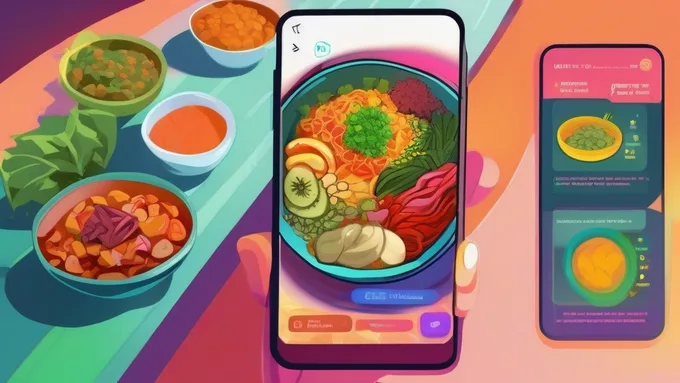
Barcode scanning is one of the features we are building into the BeCute app for exactly this, because plant macros are the part people misjudge while they are still learning which foods carry what. Meal recognition from a photo is the other half: the aim is to log a stir-fry or a grain bowl in one shot instead of entering every ingredient. Both are in development.
| Nutrient | Daily Target | Best Plant Sources | Absorption Tips |
|---|---|---|---|
| Protein | 0.8-1.2g per kg body weight | Lentils, chickpeas, tofu, tempeh, quinoa | Combine legumes with grains |
| Iron | 18mg (women), 8mg (men) | Spinach, pumpkin seeds, dark chocolate | Pair with vitamin C foods |
| Calcium | 1000-1200mg | Tahini, collard greens, fortified plant milk | Spread intake throughout day |
| Omega-3 | 1-2g ALA daily | Flaxseeds, chia seeds, walnuts | Grind flax for better absorption |
Building Your Weekly Vegan Diet Planner
Start with a simple framework rather than trying to plan perfect meals from day one. Pick one day each week for planning and prep work. Sunday afternoons work well because you can shop, chop vegetables, and cook grains in batches.
Base each meal around a protein source, add vegetables for nutrients and fiber, include a complex carbohydrate for energy, and finish with healthy fats for satisfaction. This formula prevents the common mistake of creating meals that leave you hungry an hour later.
- Choose your protein foundation: Select 2-3 protein sources for the week like lentils, tofu, and chickpeas. Buy these in bulk to save money.
- Plan around seasonal vegetables: Build meals around what's fresh and affordable. Winter squash in cold months, zucchini and tomatoes in summer.
- Prep your grains and legumes: Cook large batches of rice, quinoa, and dried beans on prep day. Store in portions for easy meal assembly.
- Create flexible meal templates: Buddha bowls, stir-fries, and grain salads use the same base ingredients arranged differently.
- Plan for snacks and emergencies: Keep nuts, fruit, and hummus available for between-meal hunger or busy days.
Sample 7-Day Meal Structure
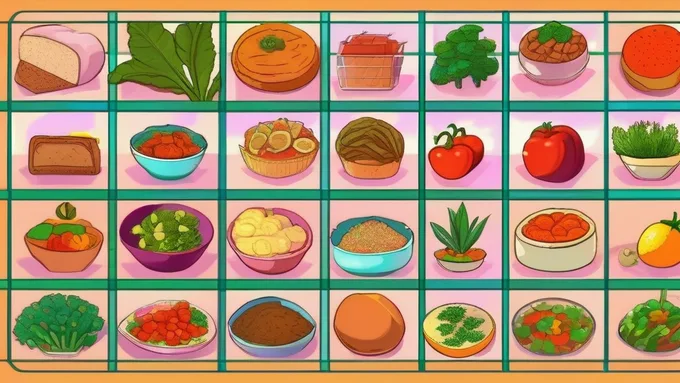
This template adapts to your preferences and seasonal ingredients while ensuring nutritional completeness. Each day includes approximately 60-80g protein from varied plant sources (PMC).
Monday through Wednesday focus on batch-cooked ingredients assembled into different meals. Thursday introduces fresh preparation to prevent boredom. Weekend meals allow for more elaborate cooking when you have extra time.
Smart Shopping and Budget Strategies
Vegan eating costs less than omnivorous diets when you focus on whole foods rather than processed alternatives. Dried beans cost under $2 per pound and provide multiple meals. A bag of lentils feeds you for a week at the price of a single restaurant meal.
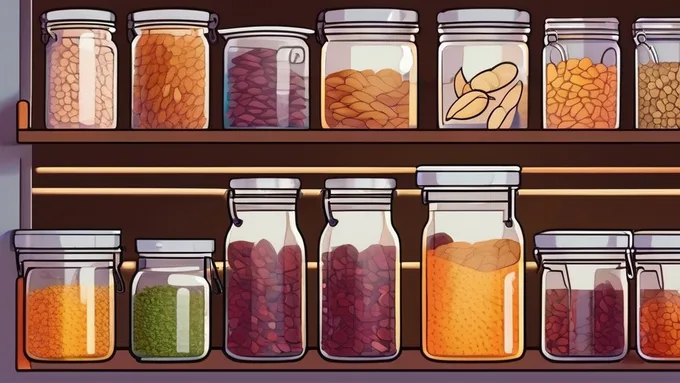
Shop the bulk bins for grains, legumes, nuts, and seeds. You will pay far less than for packaged versions and can buy exactly the quantities you need. Bring your own containers to reduce plastic waste and save even more money.
- Seasonal produce strategy: Buy vegetables when they're abundant and cheap, then freeze or preserve extras for later use
- Protein cost comparison: Dried lentils cost about $0.15 per serving versus $3-4 for processed vegan meat alternatives
- Bulk buying basics: Stock up on shelf-stable items like oats, rice, and canned tomatoes when they're on sale
- Frozen vegetable advantages: Often more nutritious than fresh produce that's traveled long distances, plus no waste from spoilage
- Generic brand wins: Store brands for basics like pasta, grains, and canned beans offer identical nutrition at lower prices
Track your grocery spending for the first month to identify where your money goes. Most people discover they're overspending on convenience items that could be made at home for a fraction of the cost.
Essential Pantry Staples
Stock these ingredients and you can create satisfying meals without frequent shopping trips. Focus your budget here rather than on expensive specialty products you'll use once.
| Category | Must-Have Items | Average Monthly Cost | Meal Applications |
|---|---|---|---|
| Grains | Brown rice, quinoa, oats, whole wheat pasta | $15-20 | Base for bowls, breakfast, side dishes |
| Legumes | Lentils, chickpeas, black beans, pinto beans | $12-18 | Protein source, soups, salads, burgers |
| Nuts/Seeds | Almonds, walnuts, chia seeds, flaxseeds | $20-25 | Snacks, smoothies, omega-3 source |
| Seasonings | Nutritional yeast, tahini, soy sauce, spices | $10-15 | Flavor enhancement, B vitamins |
Meal Prep Techniques That Actually Work
Forget Instagram-perfect meal prep containers that require hours of precise portioning. Effective vegan meal prep focuses on component cooking rather than complete meals. Cook ingredients that combine into multiple different dishes throughout the week.
Sunday prep sessions should take 2-3 hours maximum. Any longer and you'll abandon the system after a few weeks. Focus on the time-consuming elements like cooking grains and chopping vegetables, not assembling complete meals.
Roast multiple sheet pans of different vegetables seasoned with various spice blends. Mediterranean herbs on zucchini and bell peppers, curry powder on cauliflower and sweet potatoes, simple salt and pepper on broccoli and carrots. These become building blocks for different flavor profiles throughout the week.
The Component System
- Protein prep: Bake marinated tofu, cook a large pot of lentils, prepare chickpea salad for sandwiches
- Vegetable rotation: Raw vegetables for salads, roasted vegetables for warm dishes, steamed vegetables for quick sides
- Grain variety: Cook 2-3 different grains to prevent monotony - perhaps rice, quinoa, and farro
- Sauce collection: Prepare 2-3 different sauces or dressings that change the same ingredients into different cuisines
- Fresh elements: Keep herbs, avocados, and fresh vegetables to add brightness to prepped components
Store components separately rather than in complete meals. This prevents soggy vegetables and allows you to create different combinations based on your daily cravings. Tuesday's Mediterranean bowl becomes Thursday's Asian stir-fry using the same base ingredients with different seasonings.
Technology Tools for Plant-Based Success
The right apps change vegan meal planning from guesswork into a systematic approach. Beyond basic calorie counting, look for tools that understand plant-based nutrition and help you identify potential nutrient gaps.
Barcode scanning proves especially valuable for packaged plant-based products, which often have complex ingredient lists and varying nutritional profiles. The BeCute app is being built for exactly this: AI that recognizes complete dishes rather than single foods, so a lentil curry or a vegetable stir-fry can be logged as one thing.
Photo recognition technology has improved dramatically in 2026, accurately identifying mixed dishes and estimating portions. This eliminates the tedious process of logging each ingredient separately when you make a complex recipe.
Essential App Features for Vegans
Look for these specific capabilities when choosing nutrition tracking tools. Generic calorie counters often miss the nuances of plant-based eating (Harvard Health).
- Nutrient gap identification: Alerts when you're low on B12, iron, or other critical nutrients
- Recipe scaling: Adjusts ingredient quantities when you want to make larger or smaller batches
- Seasonal suggestions: Recommends meals based on what's in season and affordable in your area
- Batch cooking integration: Tracks component ingredients and helps you combine them into complete meals
- Budget tracking: Monitors grocery spending and suggests cost-effective ingredient substitutions
Handling Social Situations and Dining Out
Restaurant meals don't have to derail your plant-based eating plan. Most cuisines offer naturally vegan dishes or can easily modify existing menu items. Indian, Thai, Mediterranean, and Mexican restaurants typically have multiple plant-based options.
Call ahead or check online menus before meeting friends at restaurants. This prevents the awkward situation of arriving somewhere with no suitable options. Many restaurants now mark vegan items clearly or offer separate plant-based menus.
When attending social gatherings, offer to bring a substantial dish that can serve as your main meal if other options are limited. A hearty grain salad or bean-based dish ensures you won't go hungry while introducing others to delicious plant-based options.
Travel and Work Meal Strategies
Pack portable snacks that don't require refrigeration: nuts, dried fruit, energy bars made with whole ingredients. Airport and gas station options for vegans remain limited, so preparation prevents expensive poor choices.
For college students managing dining halls, our guide on dining hall hacks shows how to build nutritious meals from basic cafeteria ingredients. The salad bar becomes your best friend when you know how to combine ingredients effectively.
International students can find familiar ingredients and cooking methods in our international student cooking guide, which covers shopping for ingredients from home countries and adapting traditional recipes to available ingredients.
Plant-based or not, two limits are published for everyone. According to the Dietary Guidelines for Americans, added sugars should stay under 10 percent of daily calories and saturated fat under 10 percent.
Addressing Common Nutritional Concerns
The most frequent worry about vegan diets centers on protein adequacy, but this concern is largely unfounded when you eat varied whole foods. Plant proteins become complete when you consume different amino acid profiles throughout the day, which happens naturally with diverse eating (PMC).
Iron deficiency affects vegans more than meat-eaters, but strategic food combining prevents problems. Cast iron cooking increases iron content in foods, especially acidic dishes like tomato sauce. Vitamin C dramatically improves iron absorption, so add citrus to spinach salads or bell peppers to lentil dishes.
Omega-3 fatty acids require attention since plant sources provide ALA rather than the EPA and DHA found in fish. Ground flaxseeds, chia seeds, and walnuts supply ALA, which your body converts to EPA and DHA, though not as efficiently as direct sources. Consider algae-based supplements if you have specific health concerns.
Special Considerations for Active Individuals
Athletes and highly active people need more protein and calories, but plant-based diets support performance when planned correctly. The key lies in timing protein intake around workouts and ensuring adequate total calorie consumption.
Post-workout meals should combine protein and carbohydrates within 30 minutes of exercise. A smoothie with plant protein powder, banana, and nut butter provides ideal recovery nutrition. Whole food options include hummus with pita bread or chocolate soy milk with a handful of nuts.
For those managing health conditions, plant-based eating often supports treatment goals, but coordination with healthcare providers remains essential. The Stanford Health Care guidelines show how plant-based nutrition can support recovery during medical treatment.
Budget-Friendly Vegan Meal Planning
Eating vegan on a tight budget requires focusing on the most cost-effective protein and nutrient sources. Dried legumes, whole grains, and seasonal vegetables form the foundation of affordable plant-based eating.
A weekly grocery budget of $40-50 feeds one person well when you emphasize whole foods over processed alternatives. For students with severe budget constraints, our college meal plan guide demonstrates how to eat nutritiously for $40 per week without kitchen access.
Buy protein sources in bulk and cook large batches. A 5-pound bag of dried black beans costs under $5 and provides protein for weeks. Compare this to processed vegan meat alternatives that cost $4-6 per serving.
Cost-Effective Protein Sources
- Dried legumes: Lentils, chickpeas, and black beans cost $0.10-0.20 per serving when bought in bulk
- Tofu and tempeh: Asian grocery stores often sell these at half the price of regular supermarkets
- Peanut butter: Natural versions provide protein and healthy fats at reasonable cost
- Quinoa alternatives: Amaranth and millet offer similar nutrition at lower prices
- Seasonal nuts and seeds: Buy during harvest season and freeze for year-round use
Long-Term Success Strategies
Sustainable vegan eating develops gradually rather than through dramatic overnight changes. Start by replacing one meal per day with a plant-based option, then expand as your confidence and recipe collection grows.
Build flexibility into your meal planning system. Life happens, schedules change, and ingredients spoil. Having backup plans prevents the all-or-nothing mentality that leads many people to abandon healthy eating entirely.
Track your progress beyond just weight or calories. Note energy levels, mood changes, and how different foods make you feel. This creates intrinsic motivation that sustains long-term adherence better than external goals alone.
The approach outlined in our diet-free planning guide emphasizes building sustainable habits rather than following restrictive rules. This philosophy applies perfectly to plant-based eating - focus on adding nutritious foods rather than eliminating everything you enjoy.
Adapting Your Plan Over Time
Your nutritional needs and food preferences will evolve as you become more experienced with plant-based eating. What works in your first month might need adjustment after six months or a year.
Seasonal eating becomes more natural as you learn which vegetables taste best when, and your palate adapts to appreciate subtler flavors in whole foods. Many long-term vegans find they lose their taste for overly processed foods, making healthy choices easier over time.
Regular health check-ups help identify any nutritional adjustments needed. Blood tests can reveal whether your B12, iron, or vitamin D levels need attention before you experience symptoms of deficiency (WHO Europe).
Creating an effective vegan diet planner transforms plant-based eating from a daily challenge into an enjoyable, sustainable lifestyle. The key lies in focusing on whole foods, preparing components rather than complete meals, and using technology to track nutrients rather than just calories.
Success comes from building flexible systems that adapt to your schedule, budget, and preferences rather than following rigid meal plans that break down when life gets busy. With proper planning and the right tools, plant-based eating becomes both nutritionally complete and deeply satisfying.
What You Need to Know About Vegan Diet Planner
How do I start a vegan diet planner?
Starting a vegan diet planner is all about organization and variety. Begin by listing your favorite plant-based foods and aim to incorporate a mix of fruits, vegetables, grains, and legumes. A good rule of thumb is to plan meals that cover all essential nutrients, like protein, iron, and vitamin B12. Track your nutrition against your dietary needs for a week; BeCute is being built to keep that record. Also, consider prepping meals in advance to save time during the week. Start simple, and gradually add more complex recipes as you become comfortable with the lifestyle.
Is a vegan diet planner worth it?
Yes, a vegan diet planner is worth it for both health and convenience. Planning cuts the grocery bill by cutting impulse buys and waste. According to the USDA Economic Research Service, 31 percent of the available US food supply was lost at the retail and consumer levels in 2010. It also ensures you get a balanced diet, which is crucial for maintaining energy levels and overall health. Plus, with BeCute still being built, keep the plan and the adjustments in one note for now. The upfront effort of planning pays off in both time and money saved.
What is the difference between a vegan diet planner and a vegetarian healthy meal plan?
The main difference is the exclusion of animal products. A vegan diet planner focuses solely on plant-based foods, while a vegetarian healthy meal plan may include dairy and eggs. This means vegans need to be more mindful of getting enough protein, calcium, and vitamin B12 from plant sources. Both plans can be healthy, but a vegan diet requires more careful planning to ensure nutritional needs are met. These nutrients are the ones worth watching on a plant-based diet, and BeCute is being built to keep the running total.
How much does it cost to follow a vegan diet planner?
Following a vegan diet planner can be cost-effective, often saving you money compared to a meat-based diet. On average, you might spend around $25-$50 per week on groceries, depending on where you shop and the brands you choose. Buying in bulk and focusing on whole foods like beans, grains, and seasonal produce can significantly cut costs. Meal planning also helps avoid expensive last-minute takeout and reduces food waste.
What are some tips for creating a plant-based whole food meal plan?
Creating a plant-based whole food meal plan involves focusing on unprocessed foods. Start by filling your pantry with staples like oats, quinoa, lentils, and nuts. Plan meals around these ingredients, ensuring you have a balance of macronutrients. Incorporate a variety of colorful fruits and vegetables to cover your micronutrient needs. Batch cooking and freezing meals can save time and ensure you always have healthy options available. A weekly progress record is what tells you when to adjust the plan, and BeCute is being built to hold it.
FAQ
How much protein do I actually need on a vegan diet?
Most adults need 0.8-1.2 grams of protein per kilogram of body weight daily. For a 150-pound person, that's about 55-80 grams per day. Plant proteins provide all essential amino acids when you eat varied sources throughout the day - you don't need to combine proteins at every meal. Legumes, tofu, tempeh, quinoa, and nuts easily meet these requirements when included regularly in your meal plan (Mayo Clinic).
For a page like Vegan Diet Planner, grams beat guesses, and counting protein and the rest of the macros off the label is one of the things BeCute is being built to do, and numbers like the 0.8-1.2 grams above are what a plan has to carry; the app is not yet on the App Store or Google Play.
What's the most cost-effective way to meal prep as a vegan?
Focus on batch cooking versatile ingredients rather than complete meals. Cook large quantities of grains, legumes, and roasted vegetables that can be combined into different dishes throughout the week. Buy dried beans and lentils in bulk - they cost about $0.15 per serving compared to $3-4 for processed vegan alternatives. This component-based approach costs a fraction of pre-made vegan meals and feeds you better.
For the money side of Vegan Diet Planner, the answer from us is that BeCute is free during early access, and free is a promise about launch rather than a product you can obtain today, and a figure like the $0.15 above only means something once it is yours; the app is not yet on the App Store or Google Play.
How do I track nutrients like B12 and iron without getting obsessive?
Use a nutrition tracking app that flags potential deficiencies rather than trying to calculate everything manually. Check your weekly averages rather than daily perfection - if you're consistently low on iron, add more spinach, pumpkin seeds, or fortified cereals to your regular rotation. Take a B12 supplement since it's nearly impossible to get adequate amounts from plant foods alone. Monthly or quarterly blood tests can confirm you're on track without daily stress.
On Vegan Diet Planner, logging a meal by barcode or by photo is one of the features BeCute is being built around; BeCute is not yet on the App Store or Google Play, so what you can use here today is the free 5 meals a day schedule at becute.app/tools/5-meals-a-day-schedule - no email, no account, nothing to install - while the early access waitlist at becute.app covers the app.
Can I build muscle effectively on a plant-based diet?
Yes, plant-based diets support muscle building when you consume adequate protein and calories. Athletes need 1.2-1.7 grams of protein per kilogram of body weight, easily achievable through legumes, tofu, tempeh, and plant protein powders. The key is eating enough total calories and timing protein intake around workouts. Many successful bodybuilders and endurance athletes follow plant-based diets without performance compromises (Cleveland Clinic).
The restrictions Vegan Diet Planner deals with are an input rather than an afterthought in the personalized plans BeCute is being built to generate, and the 1.2-1.7 grams above is one of this page's own figures; the app is not yet on the App Store or Google Play.
What should I do if I'm always hungry on a vegan diet?
Hunger often indicates insufficient calories, protein, or healthy fats rather than a problem with plant-based eating itself. Add more calorie-dense foods like nuts, seeds, avocados, and tahini to your meals. Include protein at every meal and snack to maintain satiety. Many people underestimate how much they need to eat when switching from calorie-dense animal products to fiber-rich plant foods. Track your intake for a week to ensure you're meeting your caloric needs.
Questions like the one above on Vegan Diet Planner are exactly what BeCute, an AI meal planning and nutrition app, is being built around; the app is not yet on the App Store or Google Play.
How do I handle eating vegan when traveling or at restaurants?
Research restaurants beforehand using apps like HappyCow or by calling to ask about vegan options. Most cuisines have naturally plant-based dishes - think Indian dal, Thai vegetable curries, or Mediterranean grain salads. When traveling, pack non-perishable snacks like nuts, dried fruit, and energy bars. Many airports now have better plant-based options, but preparation prevents expensive poor choices. Don't be afraid to ask servers about ingredients or request simple modifications like holding cheese or using olive oil instead of butter.
Sooner or later Vegan Diet Planner runs into a restaurant menu, and a plan only survives one if it can be replanned, which is what BeCute is being built to do; BeCute itself is not yet on the App Store or Google Play.
Sources
- Nutrition.gov. "Eating Vegetarian." Nutrition.gov
- PMC. "Vegan diet: nutritional components, implementation, and effects on adults' health." PMC
- Harvard Health. "Want to try veganism? Here's how to get started." Harvard Health
- PMC. "The VegPlate for Sports: A Plant-Based Food Guide for Athletes." PMC
- Stanford Health Care. "Nutrition During Chemotherapy." Stanford Health Care
- WHO Europe. "Plant-based diets and their impact on health, sustainability and the environment." WHO Europe
- Mayo Clinic. "Vegetarian Meal Plan." Mayo Clinic
- Cleveland Clinic. "Going Vegan 101." Cleveland Clinic
- CDC. "My Food Diary." CDC
- FDA. "Labeling of Plant-Based Alternatives to Animal-Derived Foods: Draft Guidance for Industry." FDA

Written by
Oleksandr PaduraFounder & CEO at BeCute
Oleksandr Padura is the founder of BeCute. He is building an AI nutrition planner that turns personal goals into a daily meal plan. The app is not yet on the App Store or Google Play, and the waitlist gets access first.
Published: 2026-04-23
Disclaimer: This article is for informational purposes only and is not a substitute for professional medical advice, diagnosis, or treatment. Always consult a qualified healthcare provider before making changes to your diet or health routine.