

Key Takeaways
- Aim for 25-35 grams of daily fiber from whole foods, not supplements, for optimal digestion.
- Make nutrient-dense choices most of the time and stay flexible for the rest.
- Distribute protein evenly across meals throughout the day for better muscle maintenance and satiety.
- Traditional diets fail because they are built on restriction; habits last longer.
- Track baseline eating patterns for one week without judgment before making any dietary changes.
Your third diet attempt this year just crashed and burned. Again. The restrictive meal plan that promised quick results left you hungry, cranky, and ultimately back where you started. Here is the truth: traditional diets fail because they are built on deprivation, not on habits you can keep.
A diet free plan flips this approach entirely. Instead of eliminating foods or following rigid rules, you build lasting habits around balanced eating, mindful choices, and consistent nutrition. This isn't about avoiding structure-it's about creating a framework that works with your life, not against it.
Join the early access waitlist and we will email you the day it launches.
Why Traditional Diets Keep Failing You
Most diet plans operate on the same flawed premise: restrict calories severely, eliminate entire food groups, and rely on willpower to push through. Research consistently shows this approach backfires (PMC). Your metabolism adapts to lower calorie intake, hunger hormones surge, and cravings intensify.
The psychological impact hits just as hard. When you label foods as "forbidden," they become more appealing. One slip leads to guilt, which triggers the all-or-nothing mentality that derails progress. You're not lacking discipline-you're fighting against basic human biology.
The Restriction-Binge Cycle
Every restrictive diet follows the same pattern. Week one feels manageable. Week two brings intense cravings. By week three, you're planning your "cheat day." Then comes the inevitable binge, followed by guilt and the decision to start over Monday. This cycle damages your relationship with food and erodes confidence in your ability to maintain healthy habits.
Metabolic adaptation makes each attempt harder than the last. Your body becomes more efficient at storing calories and less responsive to dietary changes. Breaking free requires a completely different approach-one that works with your biology instead of against it.
Building Your Diet Free Foundation
A successful diet free plan starts with understanding what your body actually needs. The World Health Organization emphasizes that healthy eating patterns focus on nutrient density, not restriction. Your goal becomes nourishing your body consistently, not punishing it for past choices.
You might also find our guide on diet schedule: structuring your meals for success helpful.
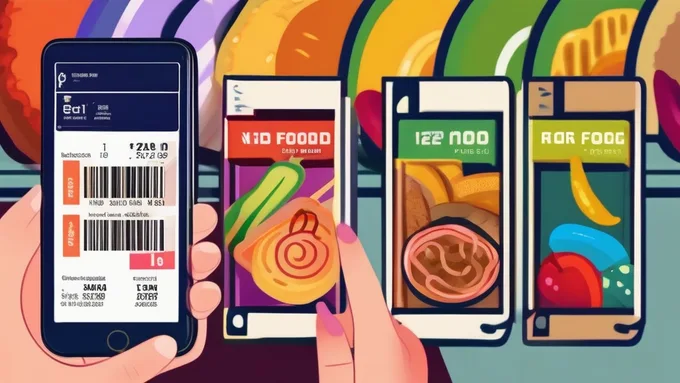
Start by tracking what you currently eat for one week without changing anything. Scan the barcode, photograph the plate: that is the baseline data BeCute is being built to collect, without the judgment that comes with a traditional food diary. Until it opens, the photo roll on your phone does the same job. You might discover you're already eating more vegetables than you thought, or that your afternoon energy crash correlates with skipping lunch.
Balance in Practice
Aim for nutrient-dense choices most of the time, and leave room for foods you enjoy that are not nutritionally optimal. According to the Dietary Guidelines for Americans, added sugars should stay under 10 percent of daily calories and saturated fat under 10 percent. This isn't a license to binge on weekends-it's permission to have birthday cake at your nephew's party without derailing your entire week.
The key lies in planning that room. If you know you're having dinner out Friday night, make intentional choices Thursday and Saturday. This prevents the restriction-binge cycle while maintaining overall balance.
Creating Your Personalized Eating Framework
Your framework needs to match your lifestyle, preferences, and health goals. The Mayo Clinic approach emphasizes personalization over one-size-fits-all solutions. Some people thrive with three structured meals, others prefer five smaller portions throughout the day.
- Assess your natural eating patterns: Are you hungriest in the morning or evening? Do you prefer larger meals or frequent snacking? Work with these tendencies rather than fighting them.
- Identify your non-negotiables: What foods or eating situations are most important to you? Maybe it's coffee with cream, weekend brunch with friends, or your grandmother's holiday cookies. Build your framework around these priorities.
- Plan for your weak spots: Everyone has times when healthy choices feel harder. Late-night stress eating, rushed morning breakfasts, or 3 PM vending machine visits. Create specific strategies for these predictable challenges.
- Set up your environment: Stock your kitchen with foods that support your goals. Keep cut vegetables visible in the fridge, portion nuts into small containers, and place a water bottle on your desk.
- Build in flexibility: Your framework should adapt to travel, social events, and busy weeks. Having backup plans prevents small disruptions from becoming major setbacks.
Meal Timing That Works
Forget rigid meal schedules that ignore your body's signals. Some people function best with intermittent fasting windows, others need consistent fuel every few hours. Pay attention to your energy levels and hunger cues throughout different eating patterns.
The Harvard Medical School approach suggests eating when you're moderately hungry and stopping when you're satisfied, not stuffed (Harvard Health). This takes practice if you're used to ignoring hunger signals or eating by the clock.
Smart Substitutions vs. Elimination
Instead of cutting out entire food categories, focus on upgrading your choices gradually. This approach feels less restrictive while improving your overall nutrition profile. Small changes compound over time without triggering the psychological rebellion that comes with strict elimination.
| Instead of Eliminating | Try This Upgrade | Why It Works |
|---|---|---|
| All carbs | Choose whole grains most of the time | Maintains satisfaction while adding fiber and nutrients |
| All fats | Prioritize olive oil, nuts, avocado | Supports hormone production and nutrient absorption |
| All sugar | Reduce added sugars, enjoy fruit freely | Satisfies sweet cravings while providing vitamins |
| All snacks | Pair carbs with protein or fat | Stabilizes blood sugar and increases satiety |
The Mediterranean diet exemplifies this upgrade approach. It doesn't forbid any foods but emphasizes whole grains, lean proteins, healthy fats, and plenty of vegetables. People following Mediterranean patterns report higher satisfaction and better long-term adherence than those on restrictive diets.
Practical Upgrade Strategies
Start with one meal or snack per day. If you typically grab a muffin and coffee for breakfast, try Greek yogurt with berries and a small handful of granola. You're still getting carbs and sweetness, but with added protein and fiber that will keep you satisfied longer.
For college students managing tight budgets and limited cooking facilities, our guide on vegan meal planning shows how to create nutritious meals for under $40 per week using only a microwave and mini-fridge.
Technology Tools for Sustainable Success
The right technology can simplify healthy eating without adding stress. Modern apps go beyond basic calorie counting to provide personalized insights and habit tracking that supports long-term behavior change.
BeCute's AI-powered food recognition is being built to read a photograph of your meal and return the nutrition behind it. Instead of manually entering every ingredient, you get complete data about your eating patterns, nutrient timing, and areas for improvement. The app learns your preferences and suggests realistic adjustments rather than dramatic overhauls.
Beyond Calorie Counting
Traditional calorie counting often becomes obsessive and unsustainable. Modern approaches focus on food quality metrics like fiber intake, protein distribution throughout the day, and micronutrient density. These indicators better predict long-term health outcomes than total calories alone.
- Fiber tracking: Aim for 25-35 grams daily from whole foods, not supplements
- Protein timing: Distribute intake evenly across meals for better muscle maintenance
- Hydration patterns: Monitor intake relative to activity level and climate
- Sleep correlation: Notice how food choices affect your energy and rest quality
- Stress eating triggers: Identify patterns between emotions and food choices
The key is using data to understand your patterns, not to judge your choices. When you notice you feel more energetic on days with higher vegetable intake, you're more likely to prioritize those foods naturally.
Mastering Social and Emotional Eating
Food connects us socially and provides emotional comfort. A sustainable eating plan acknowledges these roles instead of trying to eliminate them. The goal isn't to become a robot who only eats for fuel-it's to maintain awareness and choice in these situations.
Social eating challenges often derail diet attempts. You can't control restaurant menus or what your host serves at dinner parties, but you can control your approach. Eat a small protein-rich snack before social events to avoid arriving overly hungry. Focus on enjoying the company and conversation as much as the food.
Emotional Eating Strategies
Stress eating serves a biological purpose-your body craves quick energy when it perceives threat. Instead of fighting this instinct, work with it. Keep satisfying options available that won't leave you feeling worse afterward.
Create a pause between the emotional trigger and food choice. Ask yourself: "Am I physically hungry, or am I seeking comfort?" Both are valid needs, but they require different solutions. Physical hunger needs food. Emotional distress might need a phone call to a friend, a short walk, or ten minutes with a favorite playlist.
When you do choose food for emotional reasons, do it consciously. Sit down, eliminate distractions, and truly enjoy whatever you've chosen. This prevents the mindless consumption that often leads to overeating and subsequent guilt.
Refusing to diet is not the same as refusing to know the published numbers. According to the National Academies Dietary Reference Intakes, the acceptable range for adults is 45-65 percent of calories from carbohydrate, 20-35 percent from fat and 10-35 percent from protein.
Budget-Friendly Healthy Eating
Healthy eating doesn't require expensive superfoods or specialty products. Some of the most nutritious foods-beans, eggs, seasonal vegetables, whole grains-are also among the most affordable. The key is smart shopping and batch preparation that maximizes both nutrition and budget.
Plan your meals around sales and seasonal produce. Frozen vegetables often cost less than fresh and retain similar nutritional value. Buying proteins in bulk and portioning them for the freezer saves money and ensures you always have healthy options available.
| Food Category | Budget-Friendly Options | Cost per Serving | Prep Tips |
|---|---|---|---|
| Protein | Eggs, canned fish, dried beans | $0.50-$1.50 | Cook beans in batches, hard-boil eggs weekly |
| Vegetables | Frozen mixed, seasonal fresh, canned tomatoes | $0.75-$1.25 | Steam frozen, roast fresh in sheet pans |
| Grains | Brown rice, oats, whole wheat pasta | $0.25-$0.75 | Cook large batches, freeze portions |
| Healthy Fats | Olive oil, nuts, seeds | $0.50-$1.00 | Buy in bulk, store properly for freshness |
Students facing the choice between meal plans and cooking often underestimate the savings potential. Comparing meal plan costs to self-prepared meals reveals significant opportunities for both savings and better nutrition.
Meal Prep Without the Overwhelm
Effective meal prep doesn't mean spending entire Sundays in the kitchen. Focus on preparing components rather than complete meals. Cook a large batch of quinoa, roast several sheet pans of vegetables, and prepare a few protein options. During the week, you can combine these elements differently to avoid boredom.
For those with minimal kitchen access, microwave-only meal strategies prove that space limitations don't have to compromise nutrition quality.
Adapting Your Plan for Special Dietary Needs
Food allergies, intolerances, and medical conditions require modifications, but they don't prevent you from following a flexible, non-restrictive approach. The principles remain the same: focus on foods that nourish you, plan for your specific challenges, and avoid unnecessary restrictions beyond what your health requires.
The DASH eating plan demonstrates how medical dietary recommendations can be implemented flexibly. Originally designed for blood pressure management, DASH emphasizes fruits, vegetables, whole grains, and lean proteins without eliminating entire food groups.
Gluten-Free Without Deprivation
Celiac disease and gluten sensitivity require strict avoidance, but this doesn't mean your diet has to feel restrictive. Focus on naturally gluten-free whole foods rather than processed alternatives. Rice, quinoa, potatoes, fruits, vegetables, and most proteins are naturally gluten-free and more nutritious than packaged substitutes.
Students managing gluten-free eating on campus face unique challenges, but with proper planning, they can maintain both social connections and dietary requirements.
Managing Diabetes and Blood Sugar
Blood sugar management benefits from consistent meal timing and balanced macronutrients, but this doesn't require eliminating carbohydrates entirely. Pairing carbs with protein or healthy fats slows absorption and prevents spikes. Regular monitoring helps you understand how different foods affect your individual response.
- Consistent timing: Eat meals and snacks at roughly the same times daily
- Balanced plates: Include protein, healthy fat, and fiber with each meal
- Portion awareness: Use measuring tools initially to calibrate your visual estimates
- Activity correlation: Notice how exercise timing affects your blood sugar patterns

Long-Term Success Strategies
Sustainable eating plans evolve with your life circumstances. What works during a structured work-from-home period might not fit when you're traveling frequently or managing family responsibilities. Building adaptability into your approach prevents temporary disruptions from becoming permanent derailments.
The most successful people don't follow their eating plan perfectly-they recover quickly from disruptions. When you miss your usual workout or eat more dessert than planned, the next choice matters more than dwelling on the previous one. This resilience develops through practice, not perfection.
Tracking Progress Beyond the Scale
Weight fluctuates daily on hydration, hormones and a long list of other things that have nothing to do with health progress. Focus on metrics that reflect your overall well-being: energy levels, sleep quality, mood stability, and how your clothes fit.
The MIND diet research shows that dietary patterns supporting brain health often correlate with improved mood and cognitive function. These benefits appear weeks before any changes on the scale.
Keep a simple log of how you feel each day. Rate your energy, mood, and satisfaction with your food choices on a 1-10 scale. Over time, you'll notice patterns that help you make adjustments based on how you feel rather than arbitrary rules.
Common Pitfalls and How to Avoid Them
Even flexible eating plans have potential stumbling blocks. The most common mistake is trying to change everything at once. Your brain can only handle so many new habits simultaneously before decision fatigue sets in.
You might also find our guide on easy diet food: quick and nutritious options helpful.
Another trap is perfectionism disguised as flexibility. You might tell yourself you're not dieting, but then feel guilty about every less-than-optimal choice. True flexibility means accepting that some days you'll eat more processed food, skip vegetables, or choose convenience over nutrition-and that's completely normal.
Avoiding the All-or-Nothing Trap
Progress over perfection isn't just a motivational slogan-it's a practical strategy. When you inevitably have an off day, week, or month, the key is returning to your healthy patterns without dramatic overcorrection. Don't try to "make up for" indulgent weekends with restrictive Mondays.
Many people benefit from having specific strategies for high-risk situations. Business travel, holidays, stressful work periods, and family celebrations all present challenges to consistent eating. Plan ahead for these scenarios instead of hoping willpower will carry you through.
Research from multiple sources suggests that people who maintain weight loss long-term share common strategies: they eat breakfast regularly, weigh themselves frequently, stay physically active, and don't let small lapses become major reversals (Healthline).
Building a sustainable relationship with food takes time, patience, and self-compassion. The diet free approach isn't about abandoning structure-it's about creating systems that support your health without sacrificing your sanity or social life. When you focus on adding nutritious foods rather than eliminating favorites, you naturally crowd out less healthy options without feeling deprived.
Your eating plan should enhance your life, not control it. By prioritizing flexibility, personalization, and progress over perfection, you can develop habits that last decades rather than weeks. The goal isn't to eat perfectly-it's to eat well consistently, with room for all the foods and experiences that make life enjoyable.
What You Need to Know About Diet Free Plan
How do I start a diet free plan?
Starting a diet free plan is all about mindset and gradual changes. First, ditch the idea of strict calorie counting and focus on understanding your body's hunger cues. Begin by incorporating more whole foods like fruits, vegetables, and lean proteins into your meals. Track your food intake for two weeks and read it yourself; BeCute is being built to do that reading once it opens. This approach helps you make informed choices without the stress of traditional dieting. Remember, it's about building sustainable habits, not quick fixes.
Is a diet free plan worth it?
A diet free plan is worth it for long-term health and happiness. Unlike restrictive diets, this approach promotes a balanced relationship with food and reduces the risk of yo-yo dieting. The honest test of any eating pattern is whether it survives an ordinary bad week: a way of eating that bends around a late meeting, a birthday dinner or a holiday is still running a year later, while one that counts those days as failures usually is not, and the one still running is the only one that has had time to change anything. Plus, you'll enjoy meals more without the guilt, leading to better mental and physical well-being.
What is the difference between a diet free plan and a calorie control diet plan?
The main difference is flexibility and focus. A diet free plan emphasizes listening to your body's needs and making healthier choices without strict rules, while a calorie control diet plan focuses on counting calories to manage weight. With a diet free plan, you enjoy a more intuitive approach, which can be less stressful and more sustainable. Meanwhile, a calorie control diet can be effective for short-term goals but may not be as enjoyable or easy to maintain long-term.
How can I use technology to support my diet free plan?
Technology can be a game-changer for your diet free plan. BeCute is being built so that once it opens you will scan barcodes and recognize meals from photos, and get personalized nutrition insights from that. This helps you make informed choices without obsessing over calories. You can also use online communities and forums for support and inspiration. By leveraging technology, you can track progress, stay motivated, and enjoy a more personalized approach to healthy eating.
Can a diet free plan be budget-friendly?
Yes, a diet free plan can absolutely be budget-friendly. Focus on whole foods like grains, beans, and seasonal produce, which are often cheaper than processed foods. Planning meals in advance and buying in bulk can also save money. By avoiding expensive diet-specific products and focusing on simple, nutritious ingredients, you can embrace a healthier lifestyle without breaking the bank.
FAQ
How is a diet free plan different from intuitive eating?
While both approaches reject restrictive dieting, a diet free plan typically includes more structure and goal-oriented guidance. Intuitive eating focuses primarily on internal hunger and satiety cues, while a diet free plan might incorporate nutritional targets, meal timing, or health-specific modifications while maintaining flexibility and avoiding restriction.
For the money side of Diet Free Plan, the answer from us is that BeCute is free during early access, and free is a promise about launch rather than a product you can obtain today; the app is not yet on the App Store or Google Play.
Can I lose weight without following a traditional calorie-restricted diet?
Yes, weight loss can occur through improved food quality, better meal timing, increased physical activity, and addressing underlying factors like sleep and stress. Research shows that focusing on nutrient-dense foods often naturally reduces calorie intake without conscious restriction (WebMD). The key is creating sustainable habits rather than relying on willpower to maintain a calorie deficit.
Here on Diet Free Plan, the calorie and macro numbers BeCute is being built to give come from the published Mifflin-St Jeor equation rather than from a proprietary score; the app behind it is not yet on the App Store or Google Play.
What should I do when I have cravings for unhealthy foods?
First, assess whether you're physically hungry or seeking emotional comfort. If you're genuinely hungry, try satisfying the craving with a smaller portion alongside something nutritious. For emotional cravings, practice the pause technique-wait 10-15 minutes and engage in another activity. Often the craving will pass, but if it doesn't, enjoy the food mindfully without guilt.
Questions like the one above on Diet Free Plan are exactly what BeCute, an AI meal planning and nutrition app, is being built around, and the 10-15 minutes above is one of this page's own figures; the app is not yet on the App Store or Google Play.
How do I handle social situations that revolve around food?
Plan ahead by eating a small protein-rich snack before events to avoid arriving overly hungry. Focus on enjoying the social aspect rather than just the food. At restaurants, review menus online beforehand and decide on your order before arriving. Remember that one meal or event won't derail your overall progress.
Sooner or later Diet Free Plan runs into a restaurant menu, and a plan only survives one if it can be replanned, which is what BeCute is being built to do; BeCute itself is not yet on the App Store or Google Play.
Is it necessary to track everything I eat?
Tracking can be helpful initially to understand your patterns, but it shouldn't become obsessive or stressful. Many people benefit from periodic check-ins rather than daily logging. Use technology like food scanning apps to make tracking easier, and focus on trends rather than perfection. If tracking creates anxiety, prioritize mindful eating and body awareness instead.
On Diet Free Plan, logging a meal by barcode or by photo is one of the features BeCute is being built around; BeCute is not yet on the App Store or Google Play, so what you can use here today is the free 5 meals a day schedule at becute.app/tools/5-meals-a-day-schedule - no email, no account, nothing to install - while the early access waitlist at becute.app covers the app.
How long does it take to see results from a diet free approach?
Energy levels and mood often improve within 1-2 weeks of consistent healthy eating. Physical changes like better sleep, clearer skin, and improved digestion typically appear within 2-4 weeks. Weight changes, if that's a goal, usually become apparent after 4-6 weeks. Remember that sustainable approaches prioritize long-term health over rapid results, and benefits extend far beyond appearance.
Whether Diet Free Plan is working for you comes out of your own log, and progress charts and milestones are part of what BeCute is being built to show, and the 1-2 weeks above is one of this page's own figures; the app behind it is not yet on the App Store or Google Play.
Sources
- PMC (2021). "Optimal Diet Strategies for Weight Loss and Weight Loss Maintenance." PMC
- World Health Organization. "Healthy diet." WHO
- Mayo Clinic. "Free Personalized Diet Plan." Mayo Clinic Diet
- Harvard Health. "The Harvard Medical School 6-Week Plan for Healthy Eating." Harvard Health
- Cleveland Clinic. "Mediterranean Diet: Food List & Meal Plan." Cleveland Clinic
- NHLBI, NIH. "DASH Eating Plan." NHLBI
- Academy of Nutrition and Dietetics. "The MIND Diet." eatright.org
- Healthline. "The 9 Best Diet Plans: Sustainability, Weight Loss, and More." Healthline
- WebMD. "Weight Loss & Diet Plans." WebMD
- Penn Medicine. "Bariatric surgery and weight management." Penn Medicine

Written by
Oleksandr PaduraFounder & CEO at BeCute
Oleksandr Padura is the founder of BeCute. He is building an AI nutrition planner that turns personal goals into a daily meal plan. The app is not yet on the App Store or Google Play, and the waitlist gets access first.
Published: 2026-04-20
Disclaimer: This article is for informational purposes only and is not a substitute for professional medical advice, diagnosis, or treatment. Always consult a qualified healthcare provider before making changes to your diet or health routine.