

Key Takeaways
- Making food decisions when hungry leads to poor choices, so plan meals on Sunday instead.
- Three-tier system: 2-3 anchor meals, 3-4 assembly meals, 1-2 emergency meals weekly prevents decision fatigue.
- Put most of the grocery budget into whole foods and the rest into convenience items.
- Dedicate 2-3 hours Sunday prepping components (grains, proteins, vegetables) separately for flexible 5-7 day storage.
- Track 4 out of 7 planned meals weekly as success baseline, aim for five out of seven next week.
Your Monday morning starts with the same frantic scramble through your fridge, hoping to find something healthy that doesn't require a culinary degree to prepare. Sound familiar? The secret isn't willpower or expensive superfoods-it's having a solid system for weekly diet meals that works with your real life, not against it.
Planning seven days of nutritious meals doesn't require hours of Pinterest browsing or a pantry stocked like a gourmet market. What it does require is a strategic approach that combines practical meal prep, smart shopping, and the right tools to keep you accountable. Let's build that system from the ground up.
Join the early access waitlist and we will email you the day it launches.
Why Weekly Diet Meal Planning Beats Daily Food Decisions
Making food decisions when you are hungry leads to poor choices. That's not a willpower problem-it's a planning problem. When you map out your weekly healthy food choices in advance, you remove the emotional component from eating decisions.
Your brain uses the same mental energy to decide what to eat for lunch as it does to solve complex work problems. Decision fatigue is real, and it hits hardest around meal times. By front-loading these choices into a single planning session, you preserve mental bandwidth for everything else that matters in your day.
The NCBI research on family meal planning shows that structured approaches lead to more consistent nutrient intake and better long-term adherence to healthy eating patterns. But here's what the studies don't tell you: the magic happens in the execution, not just the planning.
The Psychology Behind Meal Planning Success
Your future self makes better food choices than your present hungry self. When you're satisfied and thinking clearly (usually Sunday afternoon), you naturally gravitate toward balanced, nutritious options. When you're stressed and starving at 6 PM on Wednesday, you grab whatever's fastest.
This isn't about perfection-it's about creating a default system that works most of the time. Even following your plan most of the week puts you ahead of people who wing it daily.
Building Your Weekly Easy Healthy Meal Plan Foundation
Start with your schedule, not your Pinterest board. Pull out your calendar and identify your three busiest days this week. These are your "easy meal" days where convenience trumps creativity. Mark your lightest day as "prep day"-this is when you'll do the heavy lifting.
The NHLBI DASH eating plan provides an excellent framework for balanced weekly nutrition. Their approach focuses on whole foods, controlled portions, and realistic meal combinations that don't require chef-level skills.
The Three-Tier Meal Planning System
Tier 1: Anchor Meals (2-3 per week) - These are your "cook once, eat twice" meals. Think large batch soups, casseroles, or grain bowls that improve with time.
Tier 2: Assembly Meals (3-4 per week) - Pre-prepped components you combine quickly. Grilled proteins + roasted vegetables + cooked grains.
Tier 3: Emergency Meals (1-2 per week) - Your backup plan for when life happens. Healthy frozen options or simple combinations like Greek yogurt with nuts and fruit.
| Meal Type | Prep Time | Cook Time | Best For |
|---|---|---|---|
| Anchor Meals | 15-20 min | 45-60 min | Weekends, meal prep days |
| Assembly Meals | 5-10 min | 10-15 min | Busy weeknights |
| Emergency Meals | 2-5 min | 5-10 min | Unexpected schedule changes |
Smart Shopping Strategies for Weekly Diet Success
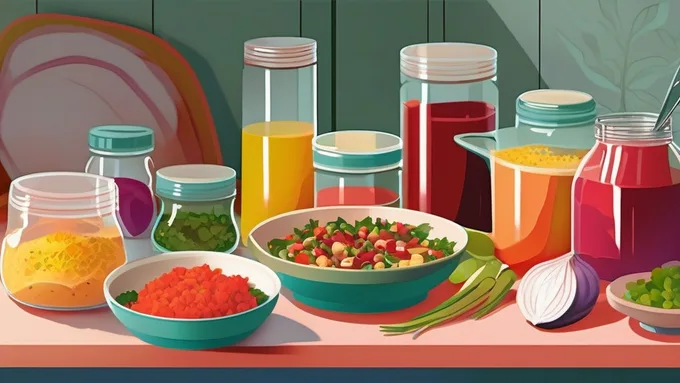
Your grocery list should read like a restaurant's prep list, not a random collection of ingredients. Group items by how you'll use them: proteins for the week, vegetables for roasting, grains for batch cooking, and emergency backup items.
Shop the perimeter first, then venture into the aisles with purpose. The FDA's daily value guidelines become your best friend when comparing packaged options. According to the FDA, 20 percent of the Daily Value or more per serving counts as high and 5 percent or less counts as low, so look for a high number on fibre, protein and vitamins and a low one on sodium and added sugars.
The Whole-Food Shopping Rule
Spend most of your budget on whole foods that do not need a nutrition label: fresh produce, lean proteins, whole grains and dairy. Reserve the rest for convenience items that save time without sacrificing nutrition: pre-cut vegetables, canned beans, frozen fruit.
Buy proteins in bulk when they're on sale, then portion and freeze immediately. A $15 family pack of chicken breasts becomes 6-8 individual meals when portioned correctly. Same strategy works for ground turkey, fish fillets, and even tofu.
- Produce: Buy what you'll prep within 2 days fresh, everything else frozen
- Proteins: Purchase 2-3 types per week to avoid flavor fatigue
- Grains: Stock pantry staples like quinoa, brown rice, and oats in bulk
- Fats: Olive oil, avocados, nuts, and seeds for satiety and flavor
- Seasonings: Invest in good spices-they change simple ingredients
Meal Prep That Actually Works in Real Life
Forget those Instagram-perfect meal prep photos with identical containers lined up like a military formation. Real meal prep is messier, more flexible, and way more sustainable. The goal isn't perfection-it's progress.
Dedicate 2-3 hours on your chosen prep day, but don't try to cook everything. Instead, focus on components that take the longest or are most tedious during busy weekdays. Cook grains, roast vegetables, and prepare proteins that reheat well.
The Mayo Clinic meal plans emphasize this component-based approach because it prevents food boredom while maintaining nutritional balance. You can mix and match prepped elements differently throughout the week.
The Sunday Power Hour System
- Start with grains: Get rice, quinoa, or farro cooking first since they take longest and require minimal attention
- Prep vegetables: Wash, chop, and roast 2-3 sheet pans of different vegetables while grains cook
- Cook proteins: Grill chicken, bake salmon, or prepare plant-based options using remaining oven space
- Prepare grab-and-go items: Portion nuts, wash fruit, make overnight oats for quick breakfasts
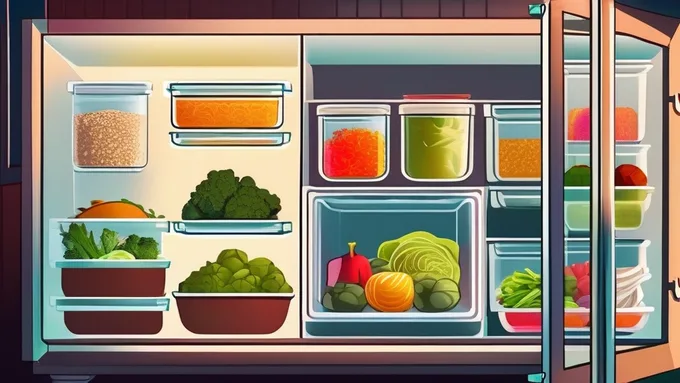
- Package strategically: Store components separately so you can mix and match throughout the week
Don't cook every single meal-that's a recipe for burnout. Instead, prep components that make weekday cooking faster. Pre-chopped onions, cooked grains, and marinated proteins can turn a 45-minute dinner into a 15-minute assembly job.
| Component | Storage Method | Shelf Life | Best Uses |
|---|---|---|---|
| Cooked Grains | Refrigerator containers | 5-7 days | Bowls, sides, breakfast |
| Roasted Vegetables | Glass containers | 4-5 days | Salads, wraps, sides |
| Cooked Proteins | Portioned containers | 3-4 days | Main dishes, salad toppers |
| Chopped Raw Vegetables | Airtight containers | 3-5 days | Snacks, quick cooking |
Tracking Progress Without Obsessing Over Numbers
The most successful people don't count every calorie, they track patterns. BeCute is being built to recognize your meals from photos with AI, so tracking will be as simple as snapping a picture. That is meant to remove the tedious logging that kills motivation for most people.
Focus on tracking consistency rather than perfection. Did you follow your planned meals four out of seven days this week? That's a win worth celebrating. Next week, aim for five out of seven.
The Cleveland Clinic's Mediterranean diet approach emphasizes this sustainable mindset. They recommend tracking adherence to healthy patterns rather than obsessing over individual nutrients or calories.
Key Metrics That Actually Matter
Instead of weighing every morsel, track these behavior-based metrics that predict long-term success:
- Meal prep completion: Did you complete your Sunday prep session?
- Planned vs. actual meals: How many planned meals did you actually eat?
- Emergency meal usage: Are you relying on backup options too often?
- Energy levels: How do you feel 2-3 hours after meals?
- Grocery budget adherence: Are you staying within your planned food budget?
BeCute's photo recognition feature is being built to learn your eating patterns and to spot when you're deviating from your planned meals. Instead of guilt-tripping you, it will suggest easy adjustments to get back on track without starting over.
According to the USDA Economic Research Service, store-brand foods were priced 25 percent below national brands from July 2009 to August 2010, and 21 percent below during the recession before that. That is the discount you can actually plan around.
Budget-Friendly Weekly Diet Meal Strategies
Eating healthy doesn't require a premium grocery budget, but it does require smart spending. The average American spends $7,729 annually on food, with $3,526 of that on dining out. Shifting just half of your restaurant budget to quality groceries transforms your weekly meal options.
Buy proteins when they're on sale and freeze portions immediately. A $20 investment in a food vacuum sealer pays for itself within a month when you can buy bulk proteins and prevent freezer burn.
The Johns Hopkins sample meal plans demonstrate how to create nutritionally complete meals using affordable, accessible ingredients. Their approach focuses on versatile staples that work across multiple recipes.
Cost-Effective Protein Rotation
Rotate between three protein categories to balance cost and nutrition: budget-friendly options (eggs, beans, canned fish), mid-range choices (chicken thighs, ground turkey), and occasional splurges (salmon, grass-fed beef). This prevents both budget fatigue and taste boredom.
Eggs deserve special mention-at roughly $0.25 per egg, they're one of the most cost-effective complete proteins available. Master three egg-based meals (scrambles, frittatas, hard-boiled for salads) and you've solved protein for breakfast and lunch at minimal cost.
For plant-based options, our vegan diet planner guide shows how to create complete protein combinations using beans, grains, and vegetables that cost significantly less than animal proteins.
Adapting Your Plan for Different Lifestyles
Your meal planning system needs to flex with your life, not fight against it. A college student's approach differs drastically from a parent juggling kids' schedules or a professional traveling frequently for work.
The Stanford Health Care nutrition resources emphasize this personalized approach, noting that sustainable eating patterns must align with individual circumstances, preferences, and constraints.
Meal Planning for Busy Professionals
When your schedule changes weekly, focus on portable, office-friendly meals that don't require heating. Mason jar salads, grain bowls, and protein-packed snacks become your foundation. Invest in quality food storage containers that won't leak in your bag.
For those juggling unpredictable schedules, our diet schedule guide provides flexible timing strategies that work with varying daily routines.
Family-Friendly Weekly Planning
Planning meals for multiple people with different preferences requires strategic compromise. Build meals around flexible bases-tacos, pasta, stir-fries-where each person can customize their plate. Keep kid-friendly proteins and vegetables on rotation while introducing new foods gradually.
Batch cook family favorites on weekends, then use weeknights for simple assembly meals. A slow cooker or Instant Pot becomes invaluable for busy families who need hands-off cooking methods.

Overcoming Common Weekly Meal Planning Obstacles
The biggest meal planning killer isn't lack of recipes-it's unrealistic expectations. You don't need to become a meal prep influencer to eat well consistently. You just need systems that work when motivation runs low.
Food boredom hits around week three of any new eating pattern. Combat this by rotating through different cuisine styles rather than different individual recipes. Week one might focus on Mediterranean flavors, week two on Asian-inspired dishes, week three on Mexican-influenced meals.
When Life Disrupts Your Plan
Your meal plan will get derailed. Accept this reality and build flexibility into your system. Keep backup meals that require zero prep-canned soup with added protein, pre-made salad kits with nuts, or frozen meals that meet your nutritional standards.
The Penn Medicine food access guidelines remind us that perfect nutrition isn't accessible to everyone all the time. The goal is consistent improvement, not perfection.
Students facing budget constraints can find practical solutions in our college meal planning guide, which shows how to maintain nutrition on $40 per week without kitchen access.
- Sick days: Keep easy-to-digest options like bone broth, bananas, and rice on hand
- Travel weeks: Research restaurant options in advance, pack portable snacks
- Busy periods: Double down on simple assembly meals and healthy convenience foods
- Social events: Plan lighter meals around known indulgences, don't skip meals entirely
- Budget crunches: Focus on affordable staples like eggs, beans, seasonal produce
Technology Tools That Actually Help
The right apps can simplify meal planning without adding complexity to your routine. Look for tools that integrate multiple functions-planning, shopping, tracking-rather than juggling separate apps for each task.
The app learns your preferences over time, suggesting meal combinations that align with your goals and taste preferences. When you're planning next week's meals, it can recommend options based on what you've enjoyed and what nutrients you might be missing.
Essential Features for Meal Planning Apps
Skip apps that require manual entry for every ingredient-you won't stick with them long-term. Instead, prioritize tools with barcode scanning, photo recognition, and smart suggestions based on your history.
Integration matters more than individual features. An app that connects meal planning with grocery lists and nutrition tracking saves time and reduces friction in your weekly routine.
For those seeking simple, nutritious options without complex preparation, our easy diet food guide covers quick meal solutions that work with busy schedules.
Making Your System Sustainable Long-Term
The best meal planning system is the one you'll still be using six months from now. This means building in flexibility, allowing for imperfection, and focusing on progress over perfection.
Start small-plan just three meals for your first week. Master those, then gradually expand. Trying to overhaul your entire eating pattern overnight leads to overwhelm and abandonment of the system.
The Mount Sinai heart-healthy meal planning guide emphasizes this gradual approach, noting that sustainable dietary changes happen through consistent small improvements rather than dramatic overhauls.
Building Habits That Stick
Link meal planning to existing habits you already maintain consistently. If you always do laundry on Sunday, plan meals while clothes are washing. If you review your calendar every Friday, add next week's meal planning to that routine.
Track your system adherence, not just your food intake. Did you complete your weekly planning session? Did you prep components as scheduled? These process metrics predict long-term success better than daily food logs.
Building a sustainable weekly diet meal system isn't about finding the perfect recipes or achieving Instagram-worthy meal prep containers. It's about creating realistic routines that work with your actual life, not the life you wish you had. Start with one week, focus on components rather than complete meals, and use technology to reduce friction rather than add complexity.
Your future self will thank you for the time invested in building these systems now. Every Sunday planning session saves multiple weekday decisions, every prep hour prevents multiple convenience food purchases, and every tracked meal teaches you something about your patterns and preferences.
Sources
- NCBI (2017). "Methods and design of a 10-week multi-component family meals intervention." PMC
- NHLBI, NIH. "A Week With the DASH Eating Plan." NHLBI
- FDA. "Daily Value on the Nutrition and Supplement Facts Labels." FDA
- Mayo Clinic. "Weight Loss Meal Plans." Mayo Clinic Diet
- Cleveland Clinic. "Mediterranean Diet: Food List & Meal Plan." Cleveland Clinic
- Johns Hopkins Medicine. "Sample Meal Plans." Johns Hopkins
- Stanford Health Care. "Nutritional Resources for Patients." Stanford Health Care
- Penn Medicine. "Healthy food access." Penn Medicine
- Mount Sinai. "Meal Plan for Heart Health and Weight Management." Mount Sinai
- World Health Organization. "Healthy diet." WHO
What You Need to Know About Weekly Diet Meals
How do I start a weekly diet meal plan?
Starting a weekly diet meal plan is easier than you think! Begin by identifying your dietary goals-whether it's weight loss, muscle gain, or just eating healthier. Choose a variety of foods that meet these goals and plan meals around them. Track your calorie intake against your nutritional needs for a week; BeCute is being built to keep that count. Make a shopping list based on your plan and stick to it when you hit the grocery store. Finally, set aside a few hours each week for meal prep to save time and reduce stress during busy weekdays.
Is meal planning really worth the effort?
Absolutely, meal planning is worth the effort! It cuts the grocery bill by cutting impulse purchases and waste. According to the USDA Economic Research Service, 31 percent of the available US food supply was lost at the retail and consumer levels in 2010. Plus, it helps you stick to your dietary goals by providing structured meals, reducing the temptation to order takeout. By planning your meals, you also save time during the week, as you won't have to decide what to eat every day. With BeCute still being built, keep the plan and the adjustments in one note; the app is meant to take that over once it opens.
What’s the difference between weekly diet meals and daily meal planning?
Weekly diet meals offer a big-picture approach, while daily meal planning focuses on immediate choices. Planning weekly helps you see your nutritional intake over a longer period, making it easier to balance your diet. It also saves time and reduces stress by minimizing daily decision-making. In contrast, daily meal planning can be more flexible but often leads to last-minute unhealthy choices. A weekly plan helps you stay consistent and aligned with your health goals.
How can I make weekly diet meals on a budget?
Making weekly diet meals on a budget is totally doable! Start by planning meals around sales and seasonal produce, which is where the fresh-item savings are. Buy in bulk for staples like grains and legumes, and consider frozen fruits and vegetables, which are often cheaper and just as nutritious. Note your spending and your intake in the same place, which is where the value shows up. BeCute is being built to keep both numbers.
What are some easy healthy meals for a weekly plan?
Easy healthy meals for a weekly plan include options like grilled chicken with quinoa and veggies, chickpea salads, and stir-fried tofu with brown rice. These meals are not only nutritious but also quick to prepare, often taking less than 30 minutes. Incorporate a variety of proteins, whole grains, and colorful vegetables to keep your meals balanced and interesting. Prepping ingredients in advance can make these meals even more convenient to whip up during the week.
FAQ
How many meals should I prep at once for the week?
Start with prepping components for 4-5 meals rather than complete meals. Cook a large batch of grains, roast 2-3 types of vegetables, and prepare 2 protein options. This gives you flexibility to mix and match throughout the week without eating identical meals daily. Complete meal prep works better for lunches than dinners, where variety matters more.
Meal prep is what Weekly Diet Meals turns on, and it is a habit BeCute is being built to support with plans, reminders and streaks rather than to replace, and numbers like the 4-5 meals above are what a plan has to carry; the app behind it is not yet on the App Store or Google Play, and what does work today is the free 5 meals a day schedule at becute.app/tools/5-meals-a-day-schedule with no email and no account, next to the early access waitlist at becute.app for the app.
What's the best day to do weekly meal planning and prep?
Sunday works best for most people because it provides a natural weekly reset and you're typically less rushed than on weekdays. However, choose whatever day gives you 2-3 uninterrupted hours. Some people prefer Saturday morning or even Wednesday evening to break up the week. Consistency matters more than the specific day you choose.
If Weekly Diet Meals has you comparing tools, compare them on what they do today, and what BeCute has today is not an app; the app is not yet on the App Store or Google Play, so the early access waitlist at becute.app is all there is to join today.
How do I prevent meal prep food from getting soggy or losing flavor?
Store components separately rather than assembling complete meals. Keep dressings and sauces in small containers, store crispy elements like nuts separately, and don't mix wet and dry ingredients until you're ready to eat. Use glass containers when possible, and add fresh elements like herbs or citrus just before eating to brighten flavors.
Weight loss on Weekly Diet Meals comes down to holding a target and replanning around what was actually eaten rather than around what was planned, which is what BeCute is being built to do; BeCute itself is not yet on the App Store or Google Play.
Should I count calories when planning weekly diet meals?
Count for a stretch, then stop counting and keep the plan. Two or three weeks of honest logging tells you what your usual portions actually contain, and that is information you cannot guess from looking at a plate. After that the number stops teaching you anything new and the counting itself becomes the thing you quit, which takes the meal plan down with it. Switch to the metric this guide is built on: how many of the seven planned meals you actually ate. Four out of seven is the baseline worth celebrating, five out of seven is next week's target, and that number survives a bad week in a way a calorie total never does. Keep counting only when something specific depends on it, a competition weight or a target a dietitian set with you, and even then track one thing rather than everything. If food has ever been a difficult subject for you, skip the counting entirely and plan by plate composition instead. The adherence number gets you the same result without the daily audit.
Here on Weekly Diet Meals, the calorie and macro numbers BeCute is being built to give come from the published Mifflin-St Jeor equation rather than from a proprietary score; the app behind it is not yet on the App Store or Google Play.
What should I do when I don't feel like eating my planned meals?
Build flexibility into your system with 1-2 "wildcard" meals each week where you can deviate from the plan. Keep healthy backup options available-frozen meals that meet your standards, simple combinations like Greek yogurt with fruit, or ingredients for quick scrambled eggs. The goal is progress, not perfection, so don't abandon the entire system over one off-plan meal.
Questions like the one above on Weekly Diet Meals are exactly what BeCute, an AI meal planning and nutrition app, is being built around; the app is not yet on the App Store or Google Play.
How much should I budget for healthy weekly meal planning?
Plan to spend $50-75 per person per week for quality ingredients, with most of it going to fresh produce, proteins and whole grains. This might seem higher than your current grocery budget, but factor in reduced dining out and food waste. Buy proteins on sale and freeze portions, choose seasonal produce, and invest in pantry staples like olive oil and spices that improve multiple meals.
For the money side of Weekly Diet Meals, the answer from us is that BeCute is free during early access, and free is a promise about launch rather than a product you can obtain today, and a figure like the $50-75 above only means something once it is yours; the app is not yet on the App Store or Google Play.

Written by
Oleksandr PaduraFounder & CEO at BeCute
Oleksandr Padura is the founder of BeCute. He is building an AI nutrition planner that turns personal goals into a daily meal plan. The app is not yet on the App Store or Google Play, and the waitlist gets access first.
Published: 2026-04-25
Disclaimer: This article is for informational purposes only and is not a substitute for professional medical advice, diagnosis, or treatment. Always consult a qualified healthcare provider before making changes to your diet or health routine.