

Key Takeaways
- Students cooking regularly spend less on food than those dining out, per research cited.
- Stock 5 basic seasonings-salt, pepper, garlic powder, paprika, Italian seasoning-to transform bland meals.
- Glass storage containers maintain leftover safety for 3-4 days refrigerated or 2-3 months frozen.
- Start Week 1 with knife, cutting board, one pan, utensils, and containers under $200.
- Keep fridge at 40°F or below and freezer at 0°F to prevent bacterial growth.
Moving into your first college apartment means freedom from dining hall mystery meat and the ability to cook real food. But staring at an empty kitchen can feel overwhelming when you're already juggling tuition costs, textbooks, and rent. The good news? You don't need a $2,000 kitchen makeover to eat well and stay healthy.
Setting up a functional college apartment kitchen requires strategic thinking about what you'll actually use versus what looks impressive on Instagram. With the right college apartment kitchen essentials, you can prepare nutritious meals, track your nutrition goals, and build healthy eating habits that'll serve you long after graduation.
Join the early access waitlist and we will email you the day it launches.
Essential Cooking Equipment for College Apartments
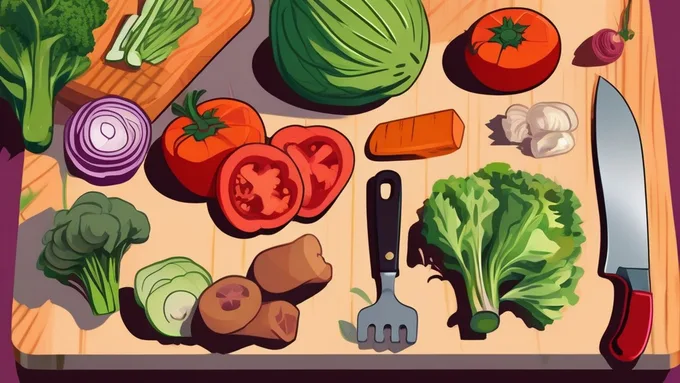
Start with versatile pieces that handle multiple cooking methods. A quality chef's knife and cutting board form the foundation of any functional kitchen. Skip the knife block sets - one 8-inch chef's knife does nearly all the cutting better than five mediocre knives.
Your stovetop needs just two pans: a 10-12 inch nonstick skillet and a 3-quart saucepan with lid. The skillet handles eggs, stir-fries, and protein cooking, while the saucepan manages pasta, rice, and soups. Add a sheet pan for roasting vegetables and baking - it's the most versatile piece you'll own.
Must-Have Small Appliances
A rice cooker transforms your meal prep game. Beyond perfect rice, it steams vegetables, cooks quinoa, and even makes oatmeal. The microwave isn't just for reheating - it quickly steams vegetables and defrosts proteins safely.
Consider a mini food processor if you plan to cook regularly. It chops vegetables in seconds, makes sauces, and handles tasks that would take 15 minutes by hand. The BeCute app is being built to plan meals from what you actually cook, which is the honest way to find out which appliances earn their counter space. It is not out yet, so two weeks of notes on what you cooked answer the same question.
| Equipment Category | Essential Items | Approximate Cost |
|---|---|---|
| Cookware | Nonstick skillet, saucepan with lid, sheet pan | $60-80 |
| Knives & Prep | Chef's knife, cutting board, can opener | $40-60 |
| Small Appliances | Rice cooker, microwave, toaster | $100-150 |
| Storage | Glass containers, measuring cups, mixing bowls | $30-50 |
Food Storage Solutions That Actually Work
Glass containers with tight-fitting lids change meal prep and leftovers. Unlike plastic, they don't absorb odors, stain, or warp in the microwave. Buy a set of 4-6 containers in various sizes - they stack efficiently and transition from fridge to microwave to dishwasher.
Invest in proper measuring tools: dry measuring cups, liquid measuring cup, and measuring spoons. Accurate measurements matter more in baking, but they're crucial for tracking nutrition when you're monitoring calorie intake or following specific dietary requirements.
Pantry Organization Essentials
Airtight containers keep staples fresh and prevent pest problems common in college housing. Transfer rice, pasta, flour, and cereal into clear containers - you'll see when supplies run low and ingredients stay fresher longer.
A simple spice rack or magnetic spice containers maximize limited cabinet space. Start with basics: salt, pepper, garlic powder, paprika, and Italian seasoning. These five seasonings change bland ingredients into flavorful meals without requiring extensive culinary knowledge.
Budget-Friendly Kitchen Setup Strategies
Thrift stores and garage sales offer quality cookware at fraction of retail prices. Cast iron skillets, vintage mixing bowls, and basic utensils function perfectly regardless of age. Avoid anything with damaged nonstick coating or deep scratches, but solid pieces can serve you through college and beyond.
Dollar stores stock surprisingly useful kitchen basics: measuring cups, mixing bowls, storage containers, and basic utensils. The quality won't win awards, but they'll handle daily use until you can afford upgrades. Focus your budget on items that directly impact food safety and cooking performance.
Smart Shopping Timeline
Don't buy everything at once. Start with absolute essentials for your first month, then add items as you discover cooking preferences. This prevents buyer's remorse and helps you understand which tools you actually reach for regularly.
- Week 1 Priority: Knife, cutting board, one pan, basic utensils, and storage containers
- Month 1 Additions: Rice cooker, sheet pan, measuring tools, and spice basics
- Semester 2 Upgrades: Small appliances, additional storage, and specialized tools based on cooking habits
- Year 2 Investments: Quality upgrades for frequently used items and expansion pieces
Research shows that students who cook regularly develop better nutritional habits and spend less on food compared to those relying primarily on dining out (The effect of culinary interventions). Building cooking skills during college creates lifelong healthy eating patterns.
Food Safety Fundamentals for Student Kitchens
College apartments often have older appliances and shared spaces that require extra attention to food safety. A food thermometer ensures proteins reach safe internal temperatures - especially important when cooking for roommates or dealing with unfamiliar equipment.
You might also find our guide on how to cook in a college apartment when you have never cooked before helpful.
The World Health Organization's five keys to food safety apply directly to student living situations: keep clean, separate raw and cooked foods, cook thoroughly, keep food at safe temperatures, and use safe water and raw materials (WHO Food Safety Guidelines). These principles prevent foodborne illness that can derail academic performance.
Temperature Control Essentials
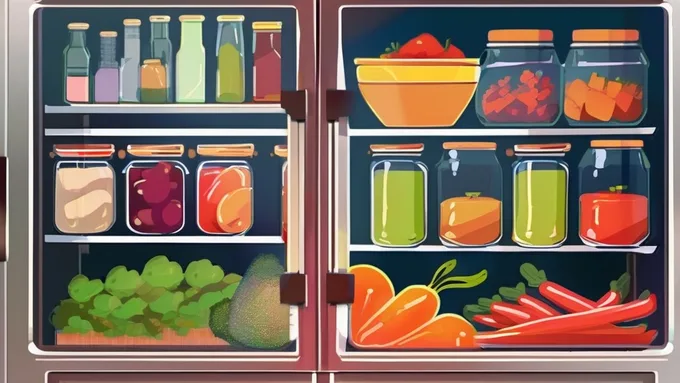
Refrigerator thermometers help monitor food storage safety, particularly important in older units common in student housing. Keep your fridge at 40°F or below and freezer at 0°F. Room temperature storage works for many pantry staples, but perishables require proper cold storage to prevent bacterial growth.
Learn proper leftover storage timing: most cooked foods stay safe for 3-4 days refrigerated or 2-3 months frozen. Label containers with dates - your future hungry self will thank you when deciding whether that pasta is still good.
According to the USDA Economic Research Service, store-brand foods were priced 25 percent below national brands from July 2009 to August 2010, and 21 percent below during the recession before that. In a first kitchen that is the single biggest lever on the bill.
Healthy Eating Setup for College Success
Stock your kitchen with ingredients that support both academic performance and long-term health. Whole grains like brown rice, quinoa, and oats provide sustained energy for long study sessions. Frozen vegetables offer convenience and nutrition without the pressure of using fresh produce before it spoils.
Protein sources should include both shelf-stable and fresh options. Canned beans, eggs, Greek yogurt, and frozen chicken provide flexibility for meal planning. The key is having options that work with your schedule - some days you'll have time for elaborate meal prep, others you need something ready in five minutes.
Smart Pantry Staples
Build your pantry around ingredients that work in multiple recipes. Olive oil, canned tomatoes, garlic, and onions form the base for countless healthy meals. These versatile ingredients help you create variety without buying specialized items that might expire before use.
- Grains: Brown rice, quinoa, whole wheat pasta, oats
- Proteins: Eggs, canned beans, frozen chicken, Greek yogurt
- Vegetables: Frozen mixed vegetables, canned tomatoes, fresh onions, garlic
- Healthy Fats: Olive oil, nuts, seeds, avocados
- Flavor Enhancers: Herbs, spices, lemon juice, vinegar
For students managing specific health conditions, proper kitchen setup becomes even more critical. Those with diabetes benefit from having tools to prepare consistent, balanced meals that help manage blood sugar levels (American Diabetes Association). Having the right equipment makes healthy choices easier when you're stressed or short on time.
Meal Planning and Prep Equipment
Successful meal planning starts with proper storage and prep tools. A set of mixing bowls in various sizes handles everything from salad prep to marinating proteins. Nesting bowls save precious cabinet space while providing flexibility for different cooking tasks.
Invest in quality food storage that transitions from prep to serving to storage. Glass containers work in the microwave, look presentable if you're eating directly from them, and stack efficiently in small refrigerators. This versatility matters when you're living in limited space with minimal dishes.
Time-Saving Prep Tools
A vegetable peeler and grater expand your fresh produce options without requiring advanced knife skills. Pre-cutting vegetables for the week becomes manageable with proper tools, and fresh ingredients typically offer better nutrition and flavor than processed alternatives.
For complete meal planning strategies that work with basic kitchen equipment, expert dietitian plans provide evidence-based approaches to nutrition that adapt to student budgets and schedules. These professional strategies help you make the most of limited kitchen resources.
| Prep Category | Essential Tools | Time Saved Per Week |
|---|---|---|
| Vegetable Prep | Sharp knife, cutting board, peeler | 2-3 hours |
| Protein Prep | Meat thermometer, tongs, marinating containers | 1-2 hours |
| Grain Cooking | Rice cooker, measuring cups, storage containers | 3-4 hours |
| Storage & Reheating | Glass containers, labels, freezer bags | 1-2 hours |
Special Dietary Considerations
Students with food allergies need additional kitchen considerations beyond basic equipment. Cross-contamination prevention requires separate cutting boards, utensils, and storage containers for allergen-free foods. The Mayo Clinic recommends dedicated preparation areas and thorough cleaning protocols for households managing food allergies (Mayo Clinic Allergy Prevention).
You might also find our guide on nutrition meals: top picks for a balanced diet helpful.
Vegan students benefit from specific equipment that maximizes plant-based nutrition. A high-powered blender creates smoothies and sauces, while a good vegetable steamer preserves nutrients in fresh produce. For budget-conscious plant-based eating, complete vegan meal plans show how to maintain proper nutrition without expensive specialty products.
Digestive Health Support
Proper kitchen setup supports digestive health through food preparation methods and ingredient choices. Steaming vegetables preserves fiber content better than boiling, while having tools for preparing fiber-rich foods helps maintain regular digestion. Natural remedies for digestive issues often involve simple preparation methods that basic kitchen equipment can handle (Medical News Today Digestive Health).
Students focused on fitness and muscle building need equipment that supports higher protein intake and meal timing. For those combining academics with regular exercise, high-protein meal prep strategies demonstrate how basic kitchen equipment can support athletic performance and recovery.

Quick Meal Solutions for Busy Students
Between classes, work, and studying, college students need kitchen setups that support rapid meal preparation. Having the right tools makes the difference between grabbing expensive convenience food and preparing something nutritious in the same time frame.
A well-organized spice collection transforms simple ingredients into varied, flavorful meals. Instead of buying expensive pre-made sauces, basic seasonings let you create different flavor profiles from the same base ingredients. Garlic powder, cumin, and paprika can make rice and beans taste completely different from Italian herbs and parmesan.
15-Minute Meal Equipment
Speed cooking requires specific tools that reduce preparation and cooking time. A microwave-safe steamer bag cooks vegetables in 3-4 minutes. Pre-cooked grains from your rice cooker reheat in 60 seconds. Having cooked proteins portioned and frozen means you're always 5 minutes away from a complete meal.
For students who need reliable quick meal solutions that don't sacrifice nutrition, 15-minute college meal strategies provide tested recipes that work with basic equipment and minimal prep time.
- Instant Options: Pre-cooked grains, frozen vegetables, canned beans
- Quick Proteins: Eggs, Greek yogurt, pre-cooked chicken strips
- Flavor Boosters: Hot sauce, lemon juice, herbs, garlic powder
- Assembly Tools: Sharp knife, microwave-safe dishes, can opener
Technology Integration for Modern College Kitchens
Tracking what comes out of that kitchen is how you find out which foods and prep methods actually work for you. Barcode scanning is one of the first things we are building into the BeCute app: the goal is a fast log for packaged ingredients and a workable estimate for homemade meals, so a heavy exam month does not wipe out your eating habits. The app is in development, and a notes app on your phone covers the same ground until then.
Photo recognition technology helps students learn proper portion sizes and nutritional balance. When you're cooking with basic equipment and limited experience, having AI assistance to identify whether your meals meet nutritional targets provides valuable feedback for developing cooking skills.
Digital Meal Planning
Integrating meal planning apps with your physical kitchen setup creates efficiency that saves both time and money. Digital grocery lists based on planned meals prevent overbuying perishables, while recipe scaling helps you cook appropriate portions for your living situation.
The visual component of modern food tracking helps students understand the connection between ingredient choices and nutritional outcomes. Seeing the fiber content of different vegetable preparations or protein density of various cooking methods reinforces healthy cooking habits through immediate feedback.
Your college apartment kitchen doesn't need restaurant-quality equipment to support healthy eating and academic success. Focus on versatile, quality basics that handle multiple cooking methods and grow with your developing culinary skills. The initial investment in proper tools pays dividends through better nutrition, lower food costs, and cooking confidence that serves you well beyond graduation.
Remember that building a functional kitchen is an ongoing process. Start with essentials, learn what you actually use, then invest in upgrades and additions based on your real cooking patterns. With thoughtful planning and the right tools, your small apartment kitchen becomes the foundation for lifelong healthy eating habits.
What You Need to Know About College Apartment Kitchen Essentials
What are the must-have kitchen essentials for a college apartment?
For a college apartment, start with the basics: a set of pots and pans, a sharp chef's knife, a cutting board, and a few mixing bowls. These essentials will cover most of your cooking needs. Add in a spatula, a can opener, and a measuring cup to round out your starter kit. These items are versatile and can handle a wide range of recipes, making them indispensable for any college student. Don't forget to include a microwave and a toaster for quick meals. With these essentials, you'll be ready to tackle everything from simple breakfasts to more elaborate dinners.
How much should I budget for setting up a college apartment kitchen?
Setting up a college apartment kitchen can cost anywhere from $100 to $300, depending on your choices. If you're on a tight budget, prioritize second-hand stores or look for sales at big-box retailers. You can often find quality items at a fraction of the price. Consider investing in a few high-quality items like a good knife or a durable pan, as these will last longer and improve your cooking experience. Remember, you don't need to buy everything at once; start with the essentials and add more as you go.
What's the difference between a college kitchen starter kit and regular kitchen supplies?
A college kitchen starter kit is typically more compact and budget-friendly compared to regular kitchen supplies. It focuses on multi-functional items that save space and money, such as a single pot that can be used for boiling, sautéing, and steaming. Regular kitchen supplies might include specialized gadgets and appliances that aren't necessary for a college setup. The goal of a starter kit is to provide the essentials without overwhelming your limited space or budget.
How do I start setting up my first apartment kitchen?
Begin setting up your first apartment kitchen by listing the essentials you need, like pots, pans, and utensils. Prioritize items that you'll use frequently and that fit your cooking style. Shop smart by looking for sales or second-hand options to save money. Once you have the basics, put your name on the BeCute early access list; the app is being built for meal planning and nutrition tracking and is not downloadable yet. This will ensure you make healthy choices right from the start.
Is investing in kitchen gadgets for a college apartment worth it?
Investing in kitchen gadgets for a college apartment can be worth it if you choose wisely. Focus on multi-use gadgets like a blender that can double as a food processor, or a rice cooker that also steams vegetables. These can save you time and effort, making cooking more enjoyable and efficient. However, avoid single-use gadgets that take up space and aren't essential. Remember, the goal is to make cooking easier without cluttering your limited space.
FAQ
What's the minimum budget needed for a functional college apartment kitchen?
You can set up a basic functional kitchen for $200-300 if you shop strategically. This covers essential cookware, basic appliances, storage containers, and initial pantry staples. Prioritize versatile pieces like a good knife, one quality pan, and proper food storage. Build your collection gradually rather than buying everything at once.
For the money side of College Apartment First Kitchen Setup, the answer from us is that BeCute is free during early access, and free is a promise about launch rather than a product you can obtain today, and a figure like the $200-300 above only means something once it is yours; the app is not yet on the App Store or Google Play.
How much kitchen space do I actually need for meal prep?
A 2-foot counter section and access to a stovetop and refrigerator provides enough space for basic meal preparation. Vertical storage solutions and stackable containers maximize limited cabinet space. Many students successfully meal prep using just a rice cooker, one pan, and proper storage containers.
Meal prep is what College Apartment First Kitchen Setup turns on, and it is a habit BeCute is being built to support with plans, reminders and streaks rather than to replace; the app behind it is not yet on the App Store or Google Play, and what does work today is the free 5 meals a day schedule at becute.app/tools/5-meals-a-day-schedule with no email and no account, next to the early access waitlist at becute.app for the app.
What kitchen equipment helps with healthy eating on a tight schedule?
A rice cooker, sharp knife, and good storage containers form the core of quick healthy meal preparation. Pre-cooking grains and chopping vegetables when you have time creates building blocks for fast assembly meals. Having proper storage means leftovers stay fresh and safe longer.
Cooking is the point on College Apartment First Kitchen Setup, and recipe ideas built from your goals and the ingredients already in your kitchen are on the BeCute build list; the app is not yet on the App Store or Google Play.
Should I buy expensive kitchen equipment as a college student?
Invest in quality for items you'll use daily - a good chef's knife and one versatile pan are worth the extra cost. For occasional-use items, basic versions work fine until you determine your long-term cooking preferences. Focus your budget on food safety essentials like proper storage and temperature control.
Anyone working through College Apartment First Kitchen Setup ends up with a list, and BeCute is being built to generate that list out of the plan itself instead of having it typed out by hand a second time; the app behind it is not yet on the App Store or Google Play.
How do I maintain food safety in a shared college apartment kitchen?
Label and date all stored food, clean surfaces thoroughly after each use, and maintain proper refrigerator temperatures. Use separate cutting boards for raw meat and other ingredients. When sharing kitchen space, establish cleaning schedules and food storage protocols with roommates to prevent cross-contamination.
Readers who arrive at College Apartment First Kitchen Setup usually cook in a small kitchen on a small budget, and BeCute is being built for them as much as for anyone else; BeCute itself is not yet on the App Store or Google Play.
What's the best way to organize a small college apartment kitchen?
Maximize vertical space with shelf organizers and magnetic storage solutions. Keep frequently used items within easy reach and store similar items together. Use clear containers for pantry staples so you can see inventory levels. Designate specific areas for food prep, cooking, and cleaning to maintain organization in limited space.
If College Apartment First Kitchen Setup has you comparing tools, compare them on what they do today, and what BeCute has today is not an app; the app is not yet on the App Store or Google Play, so the early access waitlist at becute.app is all there is to join today.
Sources
- PubMed Central (2023). "Image Viewer." PubMed Central
- Garcia, A.L. et al. (2020). "The effect of culinary interventions (cooking classes) on dietary intake and food behavior of adults: A systematic review and meta-analysis." PMC
- World Health Organization (2023). "Five keys to safer food." WHO
- Mayo Clinic (2023). "Allergy-proof your home." Mayo Clinic
- American Diabetes Association (2023). "Better Choices for Life." ADA
- Medical News Today (2023). "Home remedies to relieve constipation naturally." Medical News Today

Written by
Oleksandr PaduraFounder & CEO at BeCute
Oleksandr Padura is the founder of BeCute. He is building an AI nutrition planner that turns personal goals into a daily meal plan. The app is not yet on the App Store or Google Play, and the waitlist gets access first.
Published: 2026-04-14
Disclaimer: This article is for informational purposes only and is not a substitute for professional medical advice, diagnosis, or treatment. Always consult a qualified healthcare provider before making changes to your diet or health routine.