

Key Takeaways
- Eat 300-500 calories above maintenance across 4-5 meals daily for consistent muscle gain.
- Target 0.8-1.2 grams protein per pound of body weight, distributed across meals.
- A 150-pound person needs 2,700-3,200 daily calories for steady muscle growth without excess fat.
- Consume 25-30 grams protein per meal maximum, because your body can only process that amount.
- Overnight oats with protein powder deliver 520 calories and 35 grams protein per serving.
Your gym buddy gains muscle effortlessly while you're stuck spinning your wheels, eating the same three meals and wondering why the scale won't budge. The difference isn't genetics or supplements - it's strategic meal prep for weight gain that turns eating into a systematic approach to building muscle.
Smart weight gain requires eating 300-500 calories above your maintenance level consistently, but most people fail because they wing it. They eat massive dinners, skip breakfast, and wonder why they can't sustain the surplus needed for muscle growth. Proper meal prep solves this by distributing those extra calories across planned, nutrient-dense meals that support your training goals.
Eating more does not mean eating outside the band. According to the National Academies Dietary Reference Intakes, the acceptable range for adults is 45-65 percent of calories from carbohydrate, 20-35 percent from fat and 10-35 percent from protein.
Join the early access waitlist and we will email you the day it launches.
Understanding Your Weight Gain Calorie Targets
Weight gain happens when you consistently eat more calories than you burn. But throwing random food at the problem won't build the muscle you want. Quality weight gain requires hitting specific macronutrient targets while maintaining a moderate calorie surplus.
You might also find our guide on meal prep healthy food: a beginner's guide helpful.
Most active individuals need 16-18 calories per pound of body weight to maintain their current weight. For weight gain, add 300-500 calories to this baseline. A 150-pound person would target 2,700-3,200 calories daily for steady muscle gain without excessive fat accumulation.
Protein Requirements for Muscle Growth
Protein drives muscle protein synthesis, the process that builds new muscle tissue. Target 0.8-1.2 grams per pound of body weight, distributed across 4-5 meals throughout the day. This means a 150-pound person needs 120-180 grams of protein daily.
Your body can only process about 25-30 grams of protein for muscle building in a single meal. Eating 60 grams at dinner won't compensate for skipping protein at breakfast and lunch. Consistent distribution matters more than total amount.
Carbs and Fats for Energy and Hormones
Carbohydrates fuel your workouts and replenish muscle glycogen. Aim for 2-3 grams per pound of body weight, focusing on complex carbs like oats, rice, and sweet potatoes. These provide sustained energy without the crashes that come from simple sugars.
Healthy fats support hormone production, including testosterone, which directly impacts muscle growth. Target 0.3-0.5 grams per pound of body weight from sources like nuts, olive oil, avocados, and fatty fish.
Essential Foods for Weight Gain Meal Prep
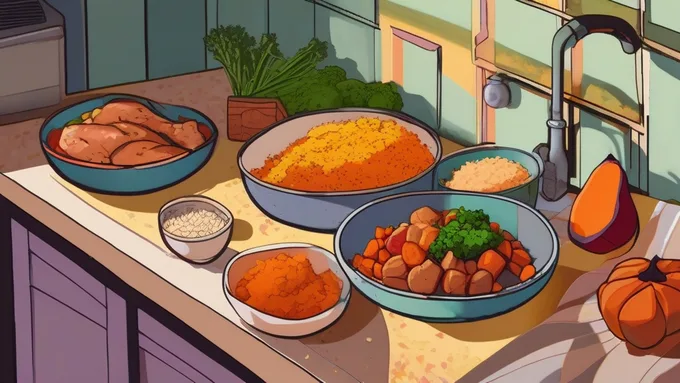
Building an effective nutrition plan for weight gain starts with selecting calorie-dense, nutrient-rich foods that store well and taste good reheated. These ingredients form the foundation of your weekly meal prep routine.
| Food Category | Best Options | Calories per 100g | Prep Tips |
|---|---|---|---|
| Proteins | Chicken thighs, ground turkey, salmon, eggs | 165-250 | Cook in batches, season differently |
| Carbs | Brown rice, quinoa, sweet potatoes, oats | 130-380 | Make large portions, freeze extras |
| Fats | Nuts, olive oil, avocado, nut butters | 580-884 | Add fresh, don't pre-mix |
| Vegetables | Broccoli, spinach, bell peppers, carrots | 25-45 | Roast with olive oil for extra calories |
Calorie-Dense Protein Sources
Chicken breast gets all the attention, but chicken thighs contain more calories and stay moist when reheated. Ground turkey (85/15 lean-to-fat ratio) provides 240 calories per 100 grams compared to 165 for chicken breast. Salmon delivers healthy omega-3 fats along with high-quality protein.
Eggs work perfectly for meal prep - hard-boiled for grab-and-go options or scrambled in muffin tins for portable breakfast portions. One large egg contains 70 calories and 6 grams of complete protein.
Complex Carbohydrates That Store Well
Brown rice and quinoa provide sustained energy and reheat beautifully. Cook large batches on Sunday and portion into containers. Sweet potatoes roast in bulk and add natural sweetness to meals while delivering complex carbs and fiber.
Oats aren't just for breakfast. Overnight oats with protein powder, nuts, and fruit create calorie-dense meals you can grab from the fridge. One cup of dry oats provides 300 calories and can be prepared five different ways for variety.
Weekly Meal Prep Strategy for Weight Gain
Successful meal prep for weight gain requires a systematic approach that goes beyond cooking chicken and rice. You're building a system that consistently delivers the calories and nutrients your muscles need to grow.
- Calculate your daily targets: Determine your maintenance calories and add 300-500. Break this into 4-5 meals with specific calorie and protein goals for each.
- Plan your menu: Choose 2-3 protein sources, 2-3 carb sources, and variety of vegetables. This prevents boredom while keeping prep manageable.
- Shop strategically: Buy proteins in bulk when on sale and freeze portions. Purchase grains and legumes in large quantities to reduce per-serving costs.
- Prep in phases: Cook proteins first while grains simmer. Roast vegetables while proteins rest. Use every burner and your oven simultaneously.
- Store properly: Glass containers prevent flavors from mixing. Label everything with contents and date. Freeze meals you won't eat within 4 days.
Sample 3-Day Rotation Menu
Variety prevents meal prep burnout while maintaining consistent nutrition. This rotation provides different flavor profiles using similar ingredients, reducing shopping complexity while keeping meals interesting.
Day 1 - Mediterranean: Grilled chicken with quinoa, roasted vegetables, and olive oil. Greek yogurt with nuts and honey for snacks.
Day 2 - Asian-inspired: Teriyaki salmon with brown rice and steamed broccoli. Hard-boiled eggs with everything bagel seasoning.
Day 3 - Mexican-style: Ground turkey with sweet potato, black beans, and avocado. Protein smoothie with banana and almond butter.
Easy Meals for Weight Gain That Actually Taste Good
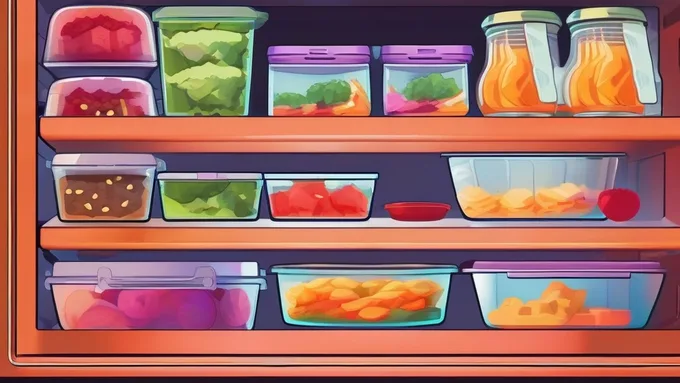
The biggest meal prep mistake is prioritizing convenience over flavor. Bland food leads to skipped meals, which derails your weight gain goals. These recipes prove that healthy weight gainer meals can be both delicious and practical.
High-Calorie Breakfast Options
Protein-packed overnight oats combine 1/2 cup oats, 1 scoop protein powder, 1 tablespoon almond butter, 1/2 banana, and 1 cup milk for 520 calories and 35 grams of protein. Make five jars on Sunday for grab-and-go breakfasts all week.
Breakfast burritos freeze beautifully and reheat in minutes. Scrambled eggs with cheese, black beans, and avocado wrapped in a large tortilla provides 450 calories. Make a dozen, wrap individually, and freeze for up to 3 months.
Lunch and Dinner Combinations
The power bowl formula simplifies meal prep while maximizing nutrition. Start with 1 cup cooked grain, add 6 ounces protein, 1/2 cup roasted vegetables, 1/4 avocado, and 2 tablespoons nuts or seeds. This base provides 600-700 calories and adapts to any flavor profile.
Sheet pan meals cook everything simultaneously with minimal cleanup. Chicken thighs with sweet potatoes and Brussels sprouts drizzled in olive oil creates a complete meal. One pan feeds you for three days and requires just 15 minutes of active prep time.
Strategic Snacks and Add-Ons
Snacks bridge the gap between meals without requiring cooking skills. Trail mix with nuts, dried fruit, and dark chocolate provides concentrated calories. A 1/4 cup serving delivers 170 calories and healthy fats that support hormone production.
Smoothies pack serious calories in liquid form. Blend 1 cup milk, 1 banana, 2 tablespoons peanut butter, 1 scoop protein powder, and 1/4 cup oats for 580 calories. Drink this between meals, not as meal replacements.
Budget-Friendly Weight Gain Meal Prep
Quality weight gain doesn't require expensive supplements or premium ingredients. Smart shopping and strategic cooking can keep your food costs under $10 per day while hitting your calorie and protein targets.
| Protein Source | Cost per Pound | Protein per Dollar | Best Purchase Strategy |
|---|---|---|---|
| Chicken thighs | $1.99 | 45g | Family packs, freeze portions |
| Ground turkey | $3.49 | 26g | Buy on sale, cook and freeze |
| Eggs | $2.50/dozen | 30g | 18-count packages for better value |
| Canned salmon | $2.99 | 32g | Stock up during sales |
Bulk Buying Strategies
Rice, oats, and dried beans cost pennies per serving when purchased in bulk. A 20-pound bag of brown rice provides 80 servings for under $20. Store in airtight containers to maintain freshness and prevent pests.
Frozen vegetables often cost less than fresh and retain their nutritional value. A 2-pound bag of frozen broccoli costs $2 and provides 8 servings. Steam in the microwave directly from frozen - no thawing required.
Maximizing Your Food Dollar
Shop sales and build your meal plan around discounted proteins. When chicken thighs drop to $0.99 per pound, buy 10 pounds and freeze in meal-sized portions. This strategy can cut your protein costs in half.
Generic brands provide identical nutrition at lower costs. According to the USDA Economic Research Service, store-brand foods were priced 25 percent below national brands from July 2009 to August 2010, and 21 percent below during the recession before that. The money saved adds up quickly when buying in bulk.
BeCute is being built to track your food costs alongside nutrition data. Scan barcodes to log both calories and spending, and the app will point you to the most cost-effective foods for your weight gain goals.
Meal Prep Tools and Storage Solutions
The right equipment transforms meal prep from a chore into an efficient system. You don't need expensive gadgets, but a few key tools make the process faster and more enjoyable.
Essential Prep Equipment
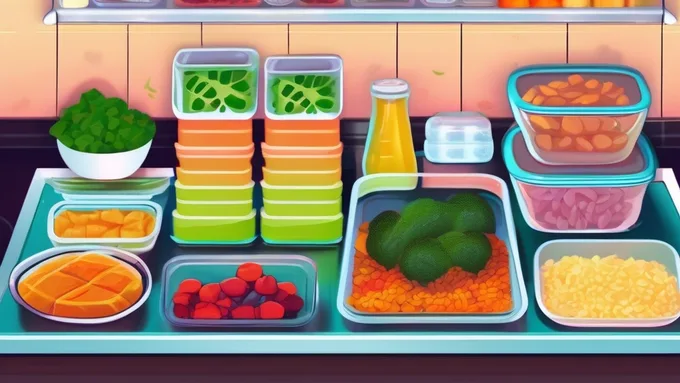
Glass containers with tight-fitting lids prevent flavor transfer and microwave safely. Invest in various sizes: large containers for bulk ingredients, medium for complete meals, and small for sauces and add-ons. Pyrex and Anchor Hocking offer reliable options under $30 for a complete set.
A digital food scale ensures accurate portions and helps track calories precisely. Measuring cups work for liquids, but weighing solid foods provides better accuracy. A basic model costs $15 and pays for itself by preventing food waste.
Storage and Organization Systems
Label everything with contents and date using masking tape and a permanent marker. This prevents mystery containers and helps rotate food properly. Cooked proteins last 4 days refrigerated, grains last 5 days, and most vegetables stay fresh for a week.
Freezer organization extends your meal prep timeline. Flat-pack cooked proteins in freezer bags to save space. Portion smoothie ingredients into individual bags for quick blending. Soups and stews freeze beautifully in quart containers.
For students living in dorms with limited cooking facilities, our microwave-only meal plan provides practical solutions for weight gain without a full kitchen. The strategies adapt to any cooking situation.
Timing Your Meals for Maximum Muscle Growth
When you eat matters almost as much as what you eat for weight gain. Strategic meal timing supports your training schedule and maximizes muscle protein synthesis throughout the day.
Pre and Post-Workout Nutrition
Eat a balanced meal 2-3 hours before training to fuel your workout without causing digestive discomfort. This meal should contain 25-30 grams of protein and 40-50 grams of carbs. Greek yogurt with berries and granola fits perfectly.
Post-workout meals should be consumed within 2 hours of training to improve recovery. Research shows this window isn't as critical as once believed, but consistent post-workout nutrition supports better results (PMC).
Evening Meals for Overnight Recovery
Your body repairs and builds muscle while you sleep, making dinner crucial for weight gain. Include slow-digesting proteins like Greek yogurt or cottage cheese to provide amino acids throughout the night. A bedtime snack with 20-30 grams of protein supports overnight muscle protein synthesis.
Casein protein powder mixed with milk creates a thick, pudding-like consistency that satisfies late-night cravings while delivering sustained protein release. Add a tablespoon of almond butter for extra calories and healthy fats.
Tracking Progress and Adjusting Your Plan
Successful weight gain requires monitoring both your body composition and your food intake. Weekly weigh-ins and progress photos provide objective feedback on whether your meal prep strategy is working.
Using Technology to Stay Consistent
Food tracking apps eliminate guesswork from weight gain meal prep. BeCute is being built to recognize meals from photos with AI, which will keep logging quick even with complex meal prep combinations. The app is planned to learn your eating patterns and suggest adjustments when you're falling short of your targets.
Barcode scanning simplifies tracking packaged foods and ingredients. Scan your protein powder, oats, and other staples once, and the app remembers the nutrition data for future meals. This feature proves especially valuable for college students managing tight budgets, as detailed in our vegan meal plan guide.
Adjusting Based on Results
Aim for 0.5-1 pound of weight gain per week. Faster gains often mean excess fat accumulation, while slower progress suggests insufficient calories. If you're not gaining weight after 2 weeks, add 200 calories daily and reassess.
Body composition matters more than scale weight alone. Take progress photos and measurements to track muscle growth versus fat gain. If your waist measurement increases faster than your chest or arms, reduce calories slightly and increase training intensity.
Students balancing weight gain with academic demands can benefit from the structured approach outlined in our high-protein meal prep guide, which addresses the unique challenges of building muscle while managing a busy schedule.
Common Meal Prep Mistakes to Avoid
Even well-intentioned meal prep can sabotage your weight gain goals if you fall into these common traps. Learning from others' mistakes saves time, money, and frustration.
The Bland Food Trap
Eating the same unseasoned chicken and rice every day leads to meal prep burnout within two weeks. Variety in seasonings transforms basic ingredients into exciting meals. Keep curry powder, everything bagel seasoning, and Italian herbs on hand to create different flavor profiles from identical base ingredients.
Batch cooking doesn't mean batch seasoning. Cook plain proteins and grains, then season individual portions differently. This approach provides variety without multiplying your prep time.
Inadequate Calorie Distribution
Many people prep perfect dinners but skip breakfast or rely on coffee for lunch. This pattern makes hitting daily calorie targets nearly impossible. Distribute your calories evenly across 4-5 meals rather than loading up at dinner.
Liquid calories bridge gaps between solid meals without requiring prep work. Milk with meals, smoothies between training sessions, and protein shakes as snacks add 300-500 calories daily with minimal effort.
Poor Storage Leading to Food Waste
Improper storage turns meal prep into an expensive mistake. Cooked proteins stored in the freezer without proper wrapping develop freezer burn within a month. Use freezer-safe bags and remove excess air to maintain quality for up to 3 months.
Don't prep vegetables too far in advance. Cut vegetables lose nutrients and develop poor texture after 3-4 days. Prep proteins and grains on Sunday, but cut fresh vegetables mid-week for better quality meals.
For those seeking complete meal planning support, our review of the best meal planning apps compares features and functionality to help you choose the right digital tools for your weight gain journey.
Successful meal prep for weight gain transforms random eating into a systematic approach that consistently delivers the calories and nutrients your muscles need to grow. The key lies in finding the balance between convenience and variety while maintaining foods you actually enjoy eating.
Start with simple recipes and basic equipment, then expand your system as you develop confidence and preferences. Your future self will thank you for building these habits now, when the compound effects of consistent nutrition become visible in both your physique and your relationship with food.
What You Need to Know About Meal Prep for Weight Gain
How do I start meal prepping for weight gain?
Start meal prepping for weight gain by calculating your daily calorie needs and planning meals around that number. You need to eat 300-500 more calories than your maintenance level to gain weight effectively. Begin by listing calorie-dense foods like nuts, avocados, and lean proteins. Then, plan your meals for the week, ensuring each meal is balanced with carbs, proteins, and fats. Track your intake and adjust as needed; BeCute is being built to keep that count once it opens. Start small with prepping 2-3 meals per week and gradually increase as you become more comfortable.
What are the best foods to include in a nutrition plan for weight gain?
The best foods for a nutrition plan focused on weight gain are calorie-dense and nutrient-rich. Foods like whole grains, lean meats, nuts, seeds, and dairy products are excellent choices. For instance, a cup of quinoa has around 220 calories and offers a good mix of protein and carbs. Include healthy fats like olive oil and avocados, which pack a punch with over 200 calories per avocado. These foods not only help you gain weight but also provide essential nutrients for muscle growth.
Is meal prep for weight gain worth the cost?
Yes, meal prep for weight gain can be cost-effective and worth the investment. While the initial cost might seem high due to bulk buying, it saves money in the long run. Purchasing ingredients like rice, oats, and chicken in bulk can significantly reduce your weekly grocery bill. Plus, preparing meals at home is generally cheaper than eating out. Investing in meal prep also ensures you control what goes into your meals, making it easier to meet your calorie and nutrition goals.
What is the difference between weight gainer meals and regular meals?
Weight gainer meals are specifically designed to be higher in calories and nutrients compared to regular meals. They often include larger portions and calorie-dense ingredients like nuts, oils, and whole grains. For example, a weight gainer meal might include a larger serving of pasta with added cheese and olive oil, providing 600-800 calories, whereas a regular meal might be around 400-500 calories. The goal is to provide the extra calories needed for muscle growth without compromising nutritional quality.
What are some easy meals for weight gain that taste good?
Easy meals for weight gain that taste good include options like chicken stir-fry with brown rice, peanut butter banana smoothies, and beef tacos with avocado. A chicken stir-fry can be prepared in under 30 minutes and offers around 500 calories per serving. Smoothies are a quick option, packing in 400-600 calories with ingredients like bananas, peanut butter, and protein powder. These meals are not only calorie-rich but also flavorful, making it easier to stick to your weight gain plan.
FAQ
How many calories should I add for healthy weight gain?
Add 300-500 calories above your maintenance level for steady weight gain of 0.5-1 pound per week. This moderate surplus promotes muscle growth while minimizing fat accumulation. Calculate your maintenance calories by multiplying your body weight by 16-18, then add the surplus based on your activity level and weight gain goals.
Here on Meal Prep for Weight Gain, the calorie and macro numbers BeCute is being built to give come from the published Mifflin-St Jeor equation rather than from a proprietary score, and the 300-500 calories above is a number from this page, not from the app; the app behind it is not yet on the App Store or Google Play.
Can I meal prep for weight gain without a full kitchen?
Absolutely. Microwave cooking, electric kettles, and mini fridges provide enough functionality for effective meal prep. Focus on foods that require minimal cooking like overnight oats, pre-cooked proteins, canned beans, and frozen vegetables. Many high-calorie foods like nuts, dried fruits, and protein powders require no cooking at all.
Meal prep is what Meal Prep for Weight Gain turns on, and it is a habit BeCute is being built to support with plans, reminders and streaks rather than to replace; the app behind it is not yet on the App Store or Google Play, and what does work today is the free 5 meals a day schedule at becute.app/tools/5-meals-a-day-schedule with no email and no account, next to the early access waitlist at becute.app for the app.
How long do meal prepped foods stay fresh?
Cooked proteins last 4 days refrigerated and 3 months frozen. Grains and legumes stay fresh for 5 days in the fridge. Raw cut vegetables maintain quality for 3-4 days, while whole vegetables last over a week. Always label containers with dates and use the "first in, first out" principle to prevent waste.
Whether Meal Prep for Weight Gain is working for you comes out of your own log, and progress charts and milestones are part of what BeCute is being built to show, and the 4 days above is one of this page's own figures; the app behind it is not yet on the App Store or Google Play.
What's the best protein distribution for muscle growth?
Aim for 25-30 grams of protein per meal, distributed across 4-5 meals daily. This pattern optimizes muscle protein synthesis better than consuming large amounts in fewer meals. Your body can only use about 30 grams per meal for muscle building, making consistent distribution more effective than total daily amount alone.
For a page like Meal Prep for Weight Gain, grams beat guesses, and counting protein and the rest of the macros off the label is one of the things BeCute is being built to do, and numbers like the 25-30 grams above are what a plan has to carry; the app is not yet on the App Store or Google Play.
Should I count calories or just eat more food?
Tracking calories initially helps establish proper portion sizes and ensures you're eating enough for weight gain. Many people overestimate their food intake and wonder why they're not gaining weight. Use a food tracking app for 2-3 weeks to learn appropriate portions, then you can eat more intuitively while maintaining your weight gain trajectory.
On Meal Prep for Weight Gain, logging a meal by barcode or by photo is one of the features BeCute is being built around, and the 2-3 weeks above is one of this page's own figures; BeCute is not yet on the App Store or Google Play, and the early access waitlist at becute.app is what exists in the meantime.
How do I prevent meal prep burnout?
Rotate between 2-3 different meal themes weekly and vary your seasonings dramatically. Prep components rather than complete meals - cook plain proteins and grains, then mix and match with different vegetables and sauces throughout the week. This approach provides variety without multiplying your prep time or complexity.
Weight loss on Meal Prep for Weight Gain comes down to holding a target and replanning around what was actually eaten rather than around what was planned, which is what BeCute is being built to do; BeCute itself is not yet on the App Store or Google Play.
Sources
- PMC. "Home Meal Preparation: A Powerful Medical Intervention." PMC
- CDC. "Weight Gain During Pregnancy | Maternal Infant Health." CDC
- Nutrition.gov. "Printable Materials and Handouts." Nutrition.gov
- Medical News Today. "Bodybuilding meal plan: Nutrition, weekly plan, and food list." Medical News Today

Written by
Oleksandr PaduraFounder & CEO at BeCute
Oleksandr Padura is the founder of BeCute. He is building an AI nutrition planner that turns personal goals into a daily meal plan. The app is not yet on the App Store or Google Play, and the waitlist gets access first.
Published: 2026-04-23
Disclaimer: This article is for informational purposes only and is not a substitute for professional medical advice, diagnosis, or treatment. Always consult a qualified healthcare provider before making changes to your diet or health routine.