
Your morning coffee gets cold while you scramble to find something healthy for lunch. Sound familiar? The gap between wanting to eat well and actually making it happen isn't about willpower-it's about creating a lifestyle meal approach that works with your reality, not against it.
Most people fail at healthy eating because they try to force rigid meal plans into chaotic schedules. But what if your diet could adapt to your life instead of the other way around? That's exactly what lifestyle meal planning delivers: flexible, sustainable eating patterns that bend without breaking when life gets messy.
Understanding Lifestyle Meal Planning
Lifestyle meal planning starts with one simple truth: your eating pattern should match your living pattern. A night-shift nurse needs different meal timing than a 9-to-5 office worker. A traveling salesperson requires different prep strategies than someone working from home.
The Mayo Clinic's healthy lifestyle recipes emphasize this adaptability principle. Their approach recognizes that sustainable nutrition comes from building habits around your existing routines, not replacing your entire life.
Traditional meal planning fails because it assumes everyone has the same schedule, kitchen setup, and food preferences. Lifestyle meal planning flips this script. It asks: What does your typical Tuesday look like? When do you actually have time to cook? What foods do you genuinely enjoy eating?
The Three Pillars of Lifestyle Meal Success
Every successful lifestyle meal plan rests on three foundations: timing flexibility, ingredient adaptability, and preparation scalability. Timing flexibility means your meals work whether you eat lunch at noon or 3 PM. Ingredient adaptability lets you swap proteins or vegetables based on what's available or on sale. Preparation scalability means you can cook for one person or six without completely changing your approach.
Think of it like a wardrobe capsule but for food. You have core items that mix and match seamlessly, creating variety without complexity.
Join the early access waitlist and we will email you the day it launches.
Building Your Personal Lifestyle Meal Framework
Start by mapping your actual eating patterns for one full week. Not what you think you should eat, but what you actually consume and when. This reality check reveals your true lifestyle meal needs.
Most people discover they eat the same 10-12 meals repeatedly. That's not boring-that's efficient. Your brain craves routine in food choices to free up decision-making energy for more important things.
Identifying Your Meal Timing Windows
Your body runs on natural hunger cycles that align with your daily activities. Some people wake up ravenous and need substantial breakfast. Others can't stomach food until 10 AM. Neither approach is wrong-they're just different lifestyle meal patterns.
Document your natural hunger peaks over five days. Notice when you feel genuinely hungry versus when you eat out of habit or boredom. This data becomes the foundation for timing your lifestyle meals.
The NHLBI's Therapeutic Lifestyle Changes program emphasizes this individualized approach to meal timing, showing how personal schedules impact nutritional success.
Creating Your Core Meal Templates
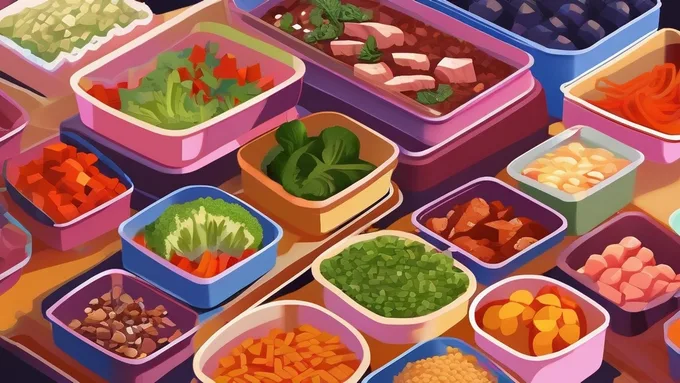
Design three flexible meal templates: quick assembly, moderate prep, and batch cooking. Quick assembly meals take under 10 minutes and require minimal cooking-think Greek yogurt with nuts and fruit or avocado toast with an egg. Moderate prep meals need 20-30 minutes but create satisfying, complete dishes. Batch cooking produces multiple portions that reheat well throughout the week.
Each template should include a protein source, vegetables, and a satisfying carbohydrate or healthy fat. This combination keeps blood sugar stable and hunger satisfied for 3-4 hours.
Practical Implementation Strategies
The difference between meal planning that works and meal planning that fails comes down to implementation. You need systems that function even when you're tired, stressed, or running late.
- Start with one meal: Pick either breakfast or lunch and perfect that routine before adding complexity. Most people succeed faster by mastering breakfast first since morning routines are typically more predictable.
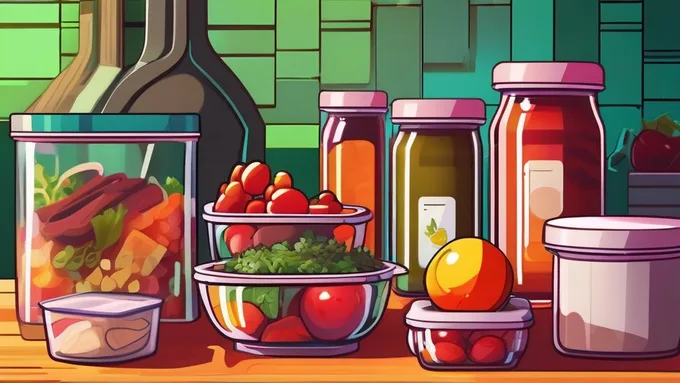
- Create ingredient stations: Organize your pantry and fridge so healthy choices are visible and accessible. Keep washed vegetables at eye level, pre-portion nuts and seeds, and store whole grains in clear containers.
- Develop backup plans: Identify three emergency meals you can make with pantry staples. These save you from ordering takeout when your original plan falls apart.
- Build prep rhythms: Choose one day per week for ingredient preparation. This doesn't mean cooking everything-just washing vegetables, cooking grains, and portioning proteins.
- Use technology strategically: barcode scanning and an intake record are what show which meals actually satisfy you and which ones leave you hungry an hour later, and BeCute is being built around both.
Adapting to Schedule Changes
Life doesn't follow meal plans. Business trips, sick kids, and unexpected overtime happen. Your lifestyle meal system needs built-in flexibility for these disruptions.
Create portable meal options that travel well and don't require refrigeration for several hours. Hard-boiled eggs, nuts, fruit, and whole grain crackers form the foundation of travel-friendly eating. These foods provide sustained energy without the blood sugar crashes that come from airport or convenience store options.
Nutrition Balance in Lifestyle Meals
Balanced nutrition doesn't require perfect meals-it requires balanced patterns over time. Your Monday breakfast doesn't need to contain every nutrient if your overall week provides variety and completeness.
For more on this topic, see our guide on meal plans with no carbs: complete 2026 guide.
Focus on getting protein at every meal, vegetables at least twice daily, and whole grains or starchy vegetables for sustained energy. The specific foods matter less than hitting these broad categories consistently.
Micronutrient Density Strategies
Some foods deliver exceptional nutritional value for their calories. Dark leafy greens, colorful vegetables, lean proteins, and whole grains form the backbone of nutrient-dense lifestyle meals. But you don't need to eat kale every day to be healthy.
Rotate through different colored vegetables weekly. This week might feature red peppers, tomatoes, and strawberries. Next week could emphasize orange carrots, sweet potatoes, and oranges. This rotation ensures varied nutrient intake without requiring detailed nutritional analysis.
For complete guidance on balanced eating patterns, our free nutrition plan guide provides detailed meal templates that adapt to different dietary preferences and restrictions.
| Meal Type | Prep Time | Key Components | Best For |
|---|---|---|---|
| Quick Assembly | 5-10 minutes | Pre-cooked protein, raw vegetables, healthy fats | Busy mornings, unexpected hunger |
| Moderate Prep | 20-30 minutes | Fresh cooking, multiple components, balanced macros | Weekend meals, dinner preparation |
| Batch Cooking | 60-90 minutes | Large quantities, freezer-friendly, complete meals | Weekly prep sessions, busy week preparation |
Managing Special Dietary Needs
Lifestyle meal planning adapts easily to dietary restrictions or preferences. Whether you're following a low-carb approach, managing food allergies, or choosing plant-based options, the core principles remain the same: build flexible templates around foods you enjoy and can prepare consistently.
For those exploring carbohydrate-restricted eating, our no-carb meal planning guide offers specific strategies for maintaining energy and satisfaction without traditional starches.
Technology Integration for Lifestyle Meals
Smart technology can eliminate much of the mental overhead that makes healthy eating feel overwhelming. The key is choosing tools that simplify rather than complicate your routine.
Barcode scanning apps let you quickly log packaged foods without typing or searching databases. Photo recognition technology can identify and track whole foods like fruits and vegetables. But the real power comes from pattern recognition-apps that learn your preferences and suggest meals based on your actual eating history.
AI-Powered Meal Suggestions
The variety of lifestyle diets available today can feel overwhelming, but AI technology helps cut through the noise by focusing on what actually works for your specific situation.
Modern nutrition apps analyze your food logs to identify patterns you might miss. Maybe you're consistently hungry two hours after certain breakfast combinations, or perhaps you eat more vegetables when they're prepared in specific ways. This data-driven approach takes the guesswork out of meal planning.
BeCute's AI is being built to learn from your scanning and photo logs and to suggest meals that match your taste preferences, dietary restrictions, and schedule constraints. Instead of generic meal plans, the recommendations will come from foods you actually eat and enjoy.
Weekly Planning and Preparation Systems
Successful lifestyle meal planning happens in weekly cycles, not daily decisions. Sunday planning sessions set you up for five days of effortless eating.
You might also find our guide on meals daily: establishing a routine for better health helpful.
Start each planning session by checking your calendar. Late meetings, social events, and travel days all impact your meal needs. A week with three dinner meetings requires different preparation than a week of home-cooked dinners.
Our weekly meal planning guide breaks down this process step-by-step, showing how to create sustainable routines that actually stick.
Grocery Shopping Efficiency
Shop your meal plan, not your impulses. Create a standard grocery list organized by store layout-produce first, then proteins, pantry staples, and frozen items last. This prevents backtracking and reduces the temptation to grab unnecessary items.
Buy versatile ingredients that work across multiple meals. Chicken thighs can become stir-fry protein, salad topping, or soup base. Bell peppers work in omelets, grain bowls, and roasted vegetable medleys. This flexibility reduces food waste and simplifies shopping.
| Food Category | Weekly Staples | Versatility Rating | Storage Tips |
|---|---|---|---|
| Proteins | Eggs, chicken thighs, canned fish, Greek yogurt | High | Use eggs within 3 weeks, freeze extra proteins |
| Vegetables | Spinach, bell peppers, onions, carrots | High | Wash and prep immediately, store properly |
| Grains/Starches | Rice, oats, sweet potatoes, quinoa | Medium | Cook large batches, refrigerate portions |
| Healthy Fats | Avocados, nuts, olive oil, seeds | Medium | Buy nuts in bulk, store in airtight containers |
Meal Prep Without Burnout
Meal prep doesn't mean spending entire Sundays cooking. It means preparing components that make weekday meals faster and healthier. Cook grains in large batches. Wash and chop vegetables when you get home from shopping. Pre-portion snacks into grab-and-go containers.
The goal is reducing daily decision fatigue, not eliminating all cooking. Fresh elements added to prepped components often taste better than fully prepared meals that sit in the fridge for days.
Personalizing Your Approach
The most effective lifestyle meal plan is the one you'll actually follow long-term. This requires honest assessment of your preferences, constraints, and goals.
Some people thrive on variety and get bored eating similar meals repeatedly. Others find comfort in routine and prefer consistent options. Neither approach is superior-they're just different personality types that require different strategies.
For detailed guidance on creating truly personalized approaches, our AI-powered personalized meal planning article explores how technology can adapt to your unique preferences and lifestyle patterns.
Adjusting for Life Phases
Your lifestyle meal needs change as your life changes. New parents need different strategies than empty nesters. College students have different constraints than retirees. Career transitions, health changes, and seasonal variations all impact your optimal eating patterns.
Build flexibility into your system from the start. What works in summer might not work in winter. Your meal timing might shift with daylight saving time or new work schedules. The Best Life Diet approach reviewed by WebMD emphasizes this adaptability as crucial for long-term success.
Social and Cultural Considerations
Food is social, and your lifestyle meal plan needs to account for family preferences, cultural traditions, and social eating situations. The goal isn't to isolate yourself from food-centered social activities-it's to participate mindfully while maintaining your health goals.
- Family Integration: Choose base meals that satisfy everyone, then add individual modifications. Taco night works for various dietary needs with different protein and topping options.
- Cultural Traditions: Honor important food traditions while adapting preparation methods for better nutrition. Traditional dishes can often be lightened without losing their cultural significance.
- Social Flexibility: Plan for restaurant meals and social events by eating lighter earlier in the day or choosing healthier options when available.
- Holiday Strategies: Develop specific plans for holiday seasons when normal routines get disrupted by travel, celebrations, and special foods.
Troubleshooting Common Challenges
Even the best-designed lifestyle meal plan hits obstacles. The difference between temporary setbacks and complete abandonment lies in having solutions ready before problems arise.
Time constraints top the list of meal planning challenges. When you're running late, healthy choices often lose to convenient ones. Combat this by identifying your personal time crunch triggers and preparing specific solutions.
Managing Food Boredom
Eating the same foods repeatedly can lead to meal fatigue, but variety doesn't require completely different meals every day. Small changes create the perception of variety while maintaining preparation efficiency.
Rotate seasonings and sauces to change basic ingredients. Chicken and vegetables become Mediterranean with olive oil and herbs, Asian with soy sauce and ginger, or Mexican with cumin and lime. Same prep work, different flavors.
- Seasonal Swaps: Change vegetables based on what's in season and at peak flavor. Summer tomatoes and zucchini give way to fall squash and Brussels sprouts.
- Cooking Method Variety: Roast vegetables one week, steam them the next, or try grilling for different textures and flavors.
- Spice Rotation: Keep several spice blends on hand-Italian herbs, curry powder, taco seasoning, and everything bagel seasoning can change basic proteins and vegetables.
- Texture Changes: Alternate between smooth and crunchy elements. Add nuts to salads one day, seeds the next, or switch between creamy and chunky nut butters.
Budget Management Strategies
Healthy eating doesn't require expensive ingredients, but it does require smart shopping. Focus your budget on nutrient-dense whole foods rather than processed health products that promise convenience.
Frozen vegetables often provide better nutrition than fresh ones that have traveled long distances or sat in storage. Canned fish offers affordable protein with omega-3 fatty acids. Dried beans and lentils cost pennies per serving while providing fiber and plant protein.
Buy proteins when they're on sale and freeze individual portions. Purchase seasonal produce at peak availability when prices drop. Generic brands of pantry staples like oats, rice, and canned tomatoes offer the same nutrition as name brands at lower cost.
Creating a sustainable lifestyle meal approach takes initial effort, but the payoff extends far beyond nutrition. When healthy eating becomes automatic rather than effortful, you free up mental energy for other important aspects of your life. The goal isn't perfection-it's creating a system that works with your reality while supporting your health goals.
Your lifestyle meal plan should feel like a natural extension of your daily routine, not a constant battle against your preferences and schedule. Start small, build gradually, and remember that the best meal plan is the one you'll actually follow consistently over months and years, not just weeks.
What You Need to Know About Lifestyle Meal
How do I start planning a lifestyle meal?
Start planning a lifestyle meal by identifying your dietary goals and preferences. First, assess your current eating habits and determine what changes you want to make, such as reducing sugar or increasing protein intake. Next, create a meal plan that includes a variety of foods from all food groups to ensure balanced nutrition. Track your meals and adjust your plan as needed; BeCute is being built to keep that record for you. Begin with simple recipes and gradually incorporate more complex dishes as you become comfortable. Remember, the key is consistency, so aim to stick to your plan for at least a month to see noticeable changes.
What is the difference between a lifestyle meal and a diet?
A lifestyle meal focuses on long-term eating habits, while a diet often targets short-term weight loss. Lifestyle meals are about creating sustainable eating patterns that fit into your daily life, emphasizing balance and variety. In contrast, diets typically have strict rules and may eliminate entire food groups, which can be hard to maintain. Lifestyle meals encourage flexibility and personalization, allowing you to enjoy your favorite foods in moderation. This approach is more likely to lead to lasting health benefits compared to the temporary results of most diets.
Are lifestyle meals worth the effort?
Lifestyle meals are definitely worth the effort if you want lasting health improvements. Unlike fad diets, lifestyle meals focus on sustainable changes that can lead to better energy levels, improved mood, and long-term weight management. By investing time in planning and preparing balanced meals, you can reduce the risk of chronic diseases and enhance your overall well-being. Plus, personalized nutrition insight and a progress record are what BeCute is being built to provide, though the app is not out yet.
How much does it cost to maintain a lifestyle meal plan?
Maintaining a lifestyle meal plan can cost as little or as much as you choose, depending on your food preferences and shopping habits. On average, you might spend around $50 to $100 per week on groceries if you focus on whole foods and seasonal produce. Buying in bulk and planning meals around sales can help reduce costs. While it may seem more expensive than fast food initially, investing in nutritious foods can save you money on healthcare in the long run. Plus, budget-friendly choices come from knowing what the week already cost, and BeCute is being built to keep that number visible.
What are some healthy lifestyle plans for meals?
Healthy lifestyle plans for meals include incorporating a variety of nutrient-dense foods into your diet. Start with a balanced plate: half filled with fruits and vegetables, a quarter with lean proteins, and a quarter with whole grains. Mediterranean and DASH diets are popular examples of healthy lifestyle plans, emphasizing whole foods, healthy fats, and limited processed foods. Customize your plan to suit your tastes and nutritional needs, and keep a record against your health goals; BeCute is being built to take that record over.
FAQ
How long does it take to establish a lifestyle meal routine?
Most people need 3-4 weeks to establish new meal patterns, but you'll likely see benefits within the first week. Start with one meal-usually breakfast-and add complexity gradually. The key is consistency rather than perfection during this establishment period.
Keeping a plan is harder than writing one, and for readers of Lifestyle Meal the daily tracking, streaks and reminders are what BeCute is being built to carry, and numbers like the 3-4 weeks above are what a plan has to carry; BeCute itself is not yet on the App Store or Google Play.
Can lifestyle meal planning work with dietary restrictions?
Absolutely. The flexible framework adapts easily to any dietary needs, whether medical restrictions like celiac disease or personal choices like vegetarianism. Focus on foods you can eat rather than those you can't, and build variety within your acceptable options.
The restrictions Lifestyle Meal deals with are an input rather than an afterthought in the personalized plans BeCute is being built to generate; the app is not yet on the App Store or Google Play.
What if my schedule changes frequently?
Irregular schedules actually benefit most from lifestyle meal planning because the system builds in flexibility from the start. Create meal options for different scenarios-quick options for busy days, portable meals for travel, and simple assembly meals for low-energy periods.
Time is the constraint on Lifestyle Meal, and planning around the time you actually have rather than around the time a recipe assumes is what BeCute is being built to do; the app is not yet on the App Store or Google Play.
How do I handle social eating situations?
Plan ahead when possible by checking restaurant menus or eating a small snack before social events. Focus on enjoying the social aspect rather than stressing about perfect food choices. One meal won't derail your overall pattern if you return to your routine afterward.
Sooner or later Lifestyle Meal runs into a restaurant menu, and a plan only survives one if it can be replanned, which is what BeCute is being built to do; BeCute itself is not yet on the App Store or Google Play.
Is meal prep necessary for lifestyle meal success?
Some preparation helps, but extensive meal prep isn't mandatory. Focus on preparing components rather than complete meals-wash vegetables when you buy them, cook grains in batches, and keep healthy snacks portioned and ready. Even 20 minutes of weekly prep makes a significant difference.
Meal prep is what Lifestyle Meal turns on, and it is a habit BeCute is being built to support with plans, reminders and streaks rather than to replace, and numbers like the 20 minutes above are what a plan has to carry; the app behind it is not yet on the App Store or Google Play.
How do I know if my lifestyle meal plan is working?
Success indicators include stable energy throughout the day, reduced food stress and decision fatigue, and the ability to maintain your eating pattern during busy or challenging periods. Weight changes might occur, but consistent energy and reduced food anxiety are more reliable measures of a sustainable system.
The one thing BeCute has today for a reader of Lifestyle Meal is a place to leave an email address; BeCute is not yet on the App Store or Google Play, so what you can use here today is the free 5 meals a day schedule at becute.app/tools/5-meals-a-day-schedule - no email, no account, nothing to install - while the early access waitlist at becute.app covers the app.
This article is for informational purposes only and does not constitute medical advice. Consult a qualified healthcare professional before making changes to your diet or exercise routine.

Written by
Oleksandr PaduraFounder & CEO at BeCute
Oleksandr Padura is the founder of BeCute. He is building an AI nutrition planner that turns personal goals into a daily meal plan. The app is not yet on the App Store or Google Play, and the waitlist gets access first.
Published: 2026-03-21
Disclaimer: This article is for informational purposes only and is not a substitute for professional medical advice, diagnosis, or treatment. Always consult a qualified healthcare provider before making changes to your diet or health routine.