
Key Takeaways
- Moderate 300-500 calorie daily deficits preserve muscle mass better than aggressive restrictions.
- Distribute 1,500 calories across four eating occasions: 350-400 breakfast, 400-450 lunch, 150-200 snack, 450-500 dinner.
- Target protein at the top of the published band-roughly 140g daily on a 1,500-calorie plan.
- Sunday meal prep in 2-3 hours creates mix-and-match components lasting 4-5 days refrigerated.
- Restaurant meals contain 200-300 more calories than homemade versions of identical dishes.
Your metabolism doesn't care about your good intentions. It responds to precise calorie inputs, consistent meal timing, and the quality of nutrients you provide. A well-structured calorie controlled diet meal plan removes guesswork from weight management while ensuring your body gets exactly what it needs to function at peak performance.
You might also find our guide on 5 meals a day diet plan: optimize your energy in 2026 helpful.
Most people approach calorie control like throwing darts blindfolded. They estimate portions, skip meals when busy, then wonder why their energy crashes at 3 PM. The difference between successful long-term weight management and another failed diet attempt lies in creating systematic, repeatable meal patterns that align with your specific caloric needs.
Join the early access waitlist and we will email you the day it launches.
Understanding Your Caloric Sweet Spot
Before diving into meal plans, you need your personal calorie target. This isn't the generic 2,000-calorie recommendation plastered on nutrition labels. Your actual needs depend on age, gender, activity level, muscle mass, and metabolic health. Men typically require 2,200-2,800 calories daily, while women need 1,800-2,200 calories for maintenance.
Creating a deficit requires subtracting 300-500 calories from your maintenance level. Research shows that moderate deficits produce better adherence rates and preserve muscle mass compared to aggressive restrictions (NCBI, 2021). A 1,500-calorie plan works well for many women seeking weight loss, while men often succeed with 1,800-2,000 calories.
Macro Distribution That Works
Your calorie budget needs strategic allocation across macronutrients. Protein belongs at the top of the published band to maintain muscle mass during weight loss. According to the National Academies Dietary Reference Intakes, the acceptable range for adults is 45-65 percent of calories from carbohydrate, 20-35 percent from fat and 10-35 percent from protein. Carbohydrates provide energy and brain fuel for the rest. Healthy fats fill what is left, for hormone production and nutrient absorption.
For a 1,500-calorie plan, this translates to roughly 140g protein, 170g carbohydrates, and 50g fat daily. These aren't rigid rules but starting points you can adjust based on your body's response and personal preferences.
Building Your 7-Day Calorie Controlled Foundation
Successful calorie controlled diet meals follow predictable patterns while offering enough variety to prevent boredom. Each day should include three main meals plus one planned snack, distributed evenly throughout your waking hours.
| Meal | Calories | Protein (g) | Timing |
|---|---|---|---|
| Breakfast | 350-400 | 25-30 | 7-8 AM |
| Lunch | 400-450 | 30-35 | 12-1 PM |
| Snack | 150-200 | 10-15 | 3-4 PM |
| Dinner | 450-500 | 35-40 | 6-7 PM |
This framework provides structure while maintaining flexibility. Some days you might prefer a larger lunch and smaller dinner. The key is staying within your daily calorie target while meeting protein minimums at each meal.
Sample Day Breakdown
Here's what 1,500 calories looks like in practice:
Breakfast (380 calories): Two eggs scrambled with spinach, one slice whole grain toast, and half an avocado. This combination provides sustained energy and 24g protein to kickstart your metabolism.
Lunch (420 calories): Grilled chicken breast (4 oz) over mixed greens with cherry tomatoes, cucumber, and 2 tbsp olive oil vinaigrette. Add 1/3 cup quinoa for complex carbohydrates.
Snack (180 calories): Greek yogurt (3/4 cup) with berries and a sprinkle of granola. This provides probiotics and keeps hunger at bay during the afternoon energy dip.
Dinner (480 calories): Baked salmon (5 oz) with roasted sweet potato and steamed broccoli. Season with herbs and lemon for flavor without added calories.
Mastering Calorie Meal Prep Strategies
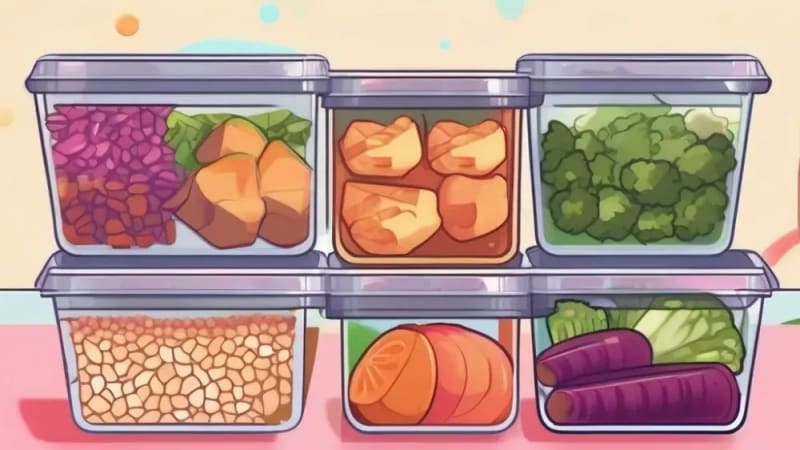
Effective calorie meal prep transforms good intentions into consistent results. Dedicate 2-3 hours each Sunday to prepare components that assemble quickly throughout the week. This isn't about eating identical meals seven days straight but creating mix-and-match elements.
- Protein prep first: Grill chicken breasts, bake fish fillets, and hard-boil eggs. Season each protein differently to create variety.
- Batch cook grains: Prepare brown rice, quinoa, and sweet potatoes in large quantities. These store well and provide consistent carbohydrate sources.
- Wash and chop vegetables: Pre-cut bell peppers, carrots, and cucumbers for quick snacks. Roast sheet pans of mixed vegetables for easy dinner sides.
- Portion snacks immediately: Divide nuts, seeds, and dried fruit into single-serving containers. This prevents mindless overeating from large packages.
- Prepare emergency meals: Keep frozen vegetables, canned beans, and pre-cooked proteins on hand for days when meal prep falls short.
Smart Storage Solutions
Glass containers with tight-fitting lids maintain food quality better than plastic alternatives. Invest in various sizes: large containers for batch-cooked grains, medium ones for protein portions, and small containers for sauces and dressings.
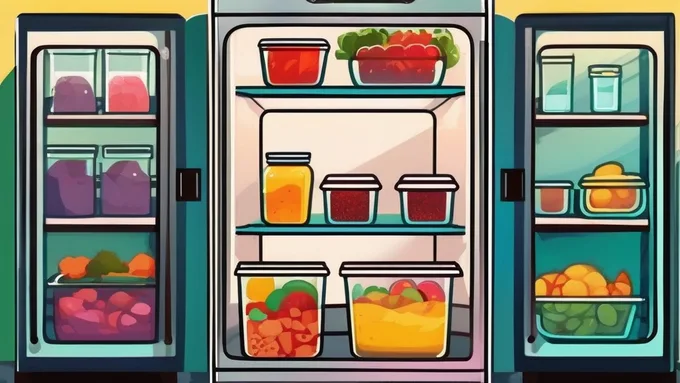
Label everything with contents and preparation date. Most prepped foods stay fresh for 4-5 days in the refrigerator. Freeze portions you won't use within that timeframe to prevent waste and maintain food safety.
Technology Tools for Precision Tracking
Manual calorie counting works until life gets busy. Modern food tracking apps cut the guesswork by scanning barcodes and recognizing meals from photos. BeCute is the one we are building, and the design is straightforward: read the pattern in what you log, then suggest a change you would actually keep, tied to your goals rather than a default target. It is in development.
The app's photo recognition feature proves especially valuable during meal prep sessions. Snap pictures of your prepared containers, and it calculates calories automatically. This creates a visual meal database you can reference when assembling daily meals from prepped components.
Digital tracking also reveals patterns you might miss otherwise. Maybe you consistently undereat protein at breakfast or consume too many calories from beverages. These insights help fine-tune your meal plan for better results.
Beyond Basic Calorie Counting
Advanced tracking includes monitoring micronutrients, meal timing, and hunger levels. Rate your satisfaction after each meal on a 1-10 scale. Meals scoring below 7 need adjustment either in portion size, macronutrient balance, or food choices.
Pay attention to energy levels throughout the day. Consistent crashes at specific times often indicate poor meal timing or inadequate protein intake. Your tracking data helps identify these patterns and make targeted improvements.
Handling Common Meal Planning Obstacles
Even the best-laid meal plans face real-world challenges. Business dinners, family gatherings, and travel disrupt routine eating patterns. Success comes from having flexible strategies rather than rigid rules.
Restaurant meals typically contain 200-300 more calories than homemade versions of the same dishes. When dining out, request dressings and sauces on the side, choose grilled over fried proteins, and consider sharing entrees or boxing half for later.
| Situation | Challenge | Solution |
|---|---|---|
| Business lunch | Limited menu options | Review menu online, choose grilled protein + vegetables |
| Family dinner | High-calorie traditional foods | Eat smaller portions, fill up on salad first |
| Travel day | Airport/gas station food | Pack protein bars, nuts, and fruit |
| Late work night | Skipped meal prep | Keep frozen meals under 400 calories as backup |
Social Eating Strategies
Food-centered social events don't have to derail your progress. Eat a small protein-rich snack before parties to avoid arriving hungry. Focus on socializing rather than the buffet table. Choose one special treat rather than sampling everything available.
Stick to the plan most of the time and leave room for special occasions. This prevents the all-or-nothing mentality that leads to giving up after a single indulgent meal.
Counting calories does not suspend the two published limits. According to the Dietary Guidelines for Americans, added sugars should stay under 10 percent of daily calories and saturated fat under 10 percent.
Budget-Friendly Calorie Control
Effective meal planning doesn't require expensive ingredients or specialty products. Eggs, chicken thighs, ground turkey, dried beans, and seasonal vegetables provide excellent nutrition at reasonable prices. A week's worth of meals for one person typically costs $40-60 when focusing on whole foods.
According to Jenny Craig Diet Review: Cost, Foods, Benefits, and More - WebMD, this approach is supported by current research.
According to A 1,500-Calorie Diet: Food Lists, Meal Plan and More - Healthline, this approach is supported by current research.
Buy proteins in bulk when on sale and freeze individual portions. Frozen vegetables often cost less than fresh while maintaining similar nutritional value. Generic brands of staples like oats, rice, and canned tomatoes offer significant savings without quality compromise.
For students managing tight budgets, our college meal planning guide shows how to eat well for $40 weekly, even without kitchen access. Many principles apply regardless of dietary preferences.
Seasonal Shopping Strategies
Align your meal plans with seasonal produce to maximize both nutrition and savings. Summer squash, berries, and tomatoes cost significantly less during peak season. Winter root vegetables like sweet potatoes and carrots provide hearty, affordable options during colder months.
Join warehouse stores or buying clubs to purchase non-perishables in bulk. Split large quantities with friends or family if storage space is limited. This works especially well for items like nuts, seeds, and whole grains that store well long-term.
Adapting Plans for Different Goals
Your calorie controlled meal plan should evolve with changing goals and circumstances. Athletes need more carbohydrates around training sessions. People with sedentary jobs might benefit from higher protein ratios to maintain muscle mass.
The DASH eating plan provides an excellent framework for those managing blood pressure alongside weight goals. This approach emphasizes fruits, vegetables, whole grains, and lean proteins while limiting sodium and processed foods.
For individuals following plant-based lifestyles, our vegan diet planner guide offers complete strategies for meeting calorie and protein targets without animal products.
Active Lifestyle Modifications
Regular exercisers need additional calories to fuel workouts and recovery. Add 200-300 calories on training days, primarily from carbohydrates consumed 1-2 hours before exercise. Post-workout meals should emphasize protein for muscle repair.
Those focused on strength training benefit from our high-protein meal prep strategies, which detail timing and portion strategies for muscle building goals.

Long-Term Success Principles
Sustainable meal planning requires systems that adapt to life changes rather than rigid rules that break under pressure. Build flexibility into your approach by having backup meal options, learning to adjust portions based on hunger cues, and developing cooking skills that make healthy eating enjoyable rather than a chore.
The American Heart Association recommends focusing on overall eating patterns rather than individual foods or nutrients (American Heart Association). This perspective helps maintain motivation during temporary setbacks and prevents perfectionist thinking that often leads to giving up entirely.
Track progress through multiple metrics beyond just weight. Energy levels, sleep quality, workout performance, and mood all improve with consistent nutrition. These non-scale victories often provide more motivation than numbers on a scale, especially during plateaus.
Building Lasting Habits
Start with small, manageable changes rather than overhauling your entire diet overnight. Add one serving of vegetables to existing meals before attempting complete meal replacements. Master one new cooking technique each month to expand your healthy recipe repertoire gradually.
Our meal timing guide provides detailed strategies for establishing consistent eating patterns that support your body's natural rhythms and energy needs throughout the day.
Creating an effective calorie controlled diet meal plan requires initial planning effort but pays dividends in simplified daily decisions and consistent results. By focusing on whole foods, preparing components in advance, and using technology to track progress, healthy eating becomes automatic rather than a constant struggle.
The key lies in finding the sweet spot between structure and flexibility that matches your lifestyle and preferences. Start with the frameworks outlined here, then adjust based on your body's response and changing circumstances. Sustainable weight management isn't about perfect adherence to rigid rules but developing systems that support your health goals long-term.
Sources
- NCBI (2021). "The Effect of Meal Replacement on Weight Loss According to Calorie." PubMed
- NHLBI (2024). "DASH Eating Plan." National Heart, Lung, and Blood Institute
- American Heart Association (2024). "Diet and Lifestyle Recommendations." American Heart Association
What You Need to Know About Calorie Controlled Diet Meal Plan
How do I start a calorie controlled diet meal plan?
Starting a calorie controlled diet meal plan is all about setting a clear daily calorie target. First, calculate your Total Daily Energy Expenditure (TDEE) using online calculators that factor in age, weight, height, and activity level. Once you know your TDEE, aim to consume fewer calories than you burn if weight loss is your goal. Begin by planning a 7-day meal plan with balanced macronutrients. Read the label on the packet and write the numbers down for a week. BeCute is being built to take that step over with a barcode scan once it opens. Start with simple meals and gradually incorporate more complex recipes as you get comfortable. Remember, consistency is key, so stick to your plan and adjust as needed based on your progress.
Is a calorie controlled diet meal plan worth it?
Yes, a calorie controlled diet meal plan is worth it for effective weight management. By monitoring your calorie intake, you can create a sustainable eating pattern that aligns with your health goals. A systematic review of 22 weight-loss studies found a consistent association between self-monitoring, meaning food records, activity logs and self-weighing, and how much weight people lost, while the authors call the evidence weak because nearly all the samples were white women and almost all the data was self-reported (Burke, Wang and Sevick, Journal of the American Dietetic Association, 2011). Read it as a reason to keep a record rather than a promise about the scale. It also helps you understand portion sizes and make healthier food choices. While it may require some effort initially, the long-term benefits of improved health and weight control make it worthwhile. Plus, personalized nutrition insight is what BeCute is being built to give, and it is not on the App Store or Google Play yet.
What is the difference between calorie controlled diet meals and regular meals?
Calorie controlled diet meals are specifically designed to meet a set calorie limit, while regular meals may not consider calorie content. In a calorie controlled meal, each ingredient is measured to ensure it fits within your daily calorie goal. This often involves portion control and selecting nutrient-dense foods to maximize nutrition without exceeding calorie limits. Regular meals, on the other hand, might include larger portions and higher calorie ingredients without regard to a specific calorie target. The key difference lies in the intentionality and precision of calorie controlled meals to support specific dietary goals.
How much does a calorie controlled diet meal plan cost?
The cost of a calorie controlled diet meal plan can vary widely, but it can be budget-friendly with smart planning. On average, you might spend between $50 to $100 per week on groceries, depending on your location and food preferences. Buying in bulk, choosing seasonal produce, and planning meals around sales can help reduce costs. While pre-packaged calorie controlled meals can be more expensive, preparing your own meals at home is often more economical. Utilizing the unit price on the shelf label finds the cheaper option today, and BeCute is being built to keep that comparison for you later.
What are some effective calorie meal prep strategies?
Effective calorie meal prep strategies revolve around planning, portioning, and consistency. Start by dedicating a few hours each week to plan and prepare your meals. Choose recipes that align with your calorie goals and batch cook to save time. Use portion control containers to ensure each meal meets your calorie requirements. Incorporate a variety of proteins, vegetables, and whole grains to keep meals balanced and satisfying. Label each meal with its calorie content for easy tracking. Meal prep ideas and a progress record keep the target in sight, and BeCute is being built to hold both once it opens.
FAQ
How many calories should I eat per day for weight loss?
Most women need 1,200-1,500 calories daily for weight loss, while men typically require 1,500-1,800 calories. This creates a moderate deficit of 300-500 calories below your maintenance level. Going below 1,200 calories can slow metabolism and make long-term adherence difficult. Calculate your specific needs based on age, activity level, and current weight rather than using generic recommendations.
Here on Calorie Controlled Diet Meal Plan, the calorie and macro numbers BeCute is being built to give come from the published Mifflin-St Jeor equation rather than from a proprietary score, and the 1,200-1,500 calories above is a number from this page, not from the app; the app behind it is not yet on the App Store or Google Play.
Can I eat the same meals every day on a calorie controlled plan?
Yes, meal repetition can simplify planning and ensure consistent results. Many successful dieters eat similar breakfasts and lunches daily while varying dinner options. This reduces decision fatigue and makes grocery shopping easier. However, include different colored vegetables and rotate protein sources weekly to ensure adequate micronutrient intake.
A week gets rewritten sooner or later, and on Calorie Controlled Diet Meal Plan rewriting one without rewriting every meal in it is what BeCute is being built to handle; the app behind it is not yet on the App Store or Google Play, and what does work today is the free 5 meals a day schedule at becute.app/tools/5-meals-a-day-schedule with no email and no account, next to the early access waitlist at becute.app for the app.
What happens if I go over my daily calorie limit?
One day over your calorie target won't derail your progress. Weight loss occurs through weekly and monthly calorie deficits, not daily perfection. If you exceed your limit, simply return to your regular plan the next day without restricting further. Consistent adherence to your plan most days produces better results than perfect days followed by complete abandonment.
A reader who lands on Calorie Controlled Diet Meal Plan lands on a site for an app that does not exist yet: BeCute is being built by our team, and nothing here is software you can install; BeCute is not yet on the App Store or Google Play, and the early access waitlist at becute.app is what exists in the meantime.
Should I count calories from vegetables and fruits?
Yes, all foods contain calories that contribute to your daily total. However, non-starchy vegetables like leafy greens, broccoli, and peppers are so low in calories that slight measurement errors won't impact results significantly. Focus precision on calorie-dense foods like oils, nuts, grains, and proteins where small portions pack substantial calories.
On Calorie Controlled Diet Meal Plan, logging a meal by barcode or by photo is one of the features BeCute is being built around; BeCute is not yet on the App Store or Google Play, and the early access waitlist at becute.app is what exists in the meantime.
How do I handle cravings while following a calorie controlled diet?
Cravings often indicate inadequate protein, fiber, or sleep rather than true hunger. Ensure each meal contains 25-30g protein and plenty of vegetables to maintain satiety. When cravings strike, drink water first and wait 10 minutes. If hunger persists, choose a planned snack from your meal plan rather than random foods that might exceed your calorie budget.
Questions like the one above on Calorie Controlled Diet Meal Plan are exactly what BeCute, an AI meal planning and nutrition app, is being built around, and the 10 minutes above is one of this page's own figures; the app is not yet on the App Store or Google Play.
Is it better to eat frequent small meals or three larger meals?
Meal frequency matters less than total daily calories and personal preference. Some people thrive on three substantial meals, while others prefer five smaller portions. Choose the pattern that best controls your hunger and fits your schedule. A meta-analysis of 15 controlled trials first found an apparent body-composition benefit from eating more often, then showed on sensitivity analysis that the entire effect came from one single study, which is the authors' reason for saying the benefit should be read with circumspection (Schoenfeld, Aragon and Krieger, Nutrition Reviews, 2015). Total calories and protein are what carry the result; the number of meals is a scheduling decision.
If Calorie Controlled Diet Meal Plan has you comparing tools, compare them on what they do today, and what BeCute has today is not an app; the app is not yet on the App Store or Google Play, so the early access waitlist at becute.app is all there is to join today.

Written by
Oleksandr PaduraFounder & CEO at BeCute
Oleksandr Padura is the founder of BeCute. He is building an AI nutrition planner that turns personal goals into a daily meal plan. The app is not yet on the App Store or Google Play, and the waitlist gets access first.
Published: 2026-04-27
Disclaimer: This article is for informational purposes only and is not a substitute for professional medical advice, diagnosis, or treatment. Always consult a qualified healthcare provider before making changes to your diet or health routine.