

Your last diet attempt lasted exactly four days before you found yourself stress-eating pizza at midnight. Sound familiar? The problem isn't your willpower-it's that most people approach diet planning backward, focusing on restrictions instead of building sustainable systems that actually work with their lifestyle.
Creating a diet plan that sticks requires more than good intentions and a Pinterest board full of kale smoothies. You need a strategic framework that accounts for your schedule, preferences, budget, and real-world challenges. The good news? With the right approach and modern tools, you can build a nutrition plan that feels less like punishment and more like a natural part of your day.
Understanding Your Starting Point
Before you plan a single meal, you need honest data about where you're starting. Most people skip this step and wonder why their diet plan falls apart within a week.
Track your current eating patterns for three full days without changing anything. Write down everything-the handful of almonds at 3 PM, the cream in your coffee, that bite of your coworker's birthday cake. This baseline gives you real information instead of the idealized version of your eating habits that exists in your head.
A food tracking habit starts with barcodes and photographs of the plate, which is what BeCute is being built around. The AI recognition technology captures details you'd normally forget, like cooking oils and condiments that add hidden calories. After three days, you'll see patterns: maybe you eat well during the day but lose control after 8 PM, or perhaps you're actually not eating enough protein to feel satisfied.
Identifying Your Personal Triggers
Look beyond the food itself to understand your eating triggers. Do you reach for snacks when you're bored, stressed, or tired? Are you actually hungry at 2 PM, or is it just habit? Do social situations derail your eating plans?
These patterns matter more than the specific foods you choose. A diet plan that doesn't account for your stress-eating tendencies or your weekly happy hour with friends is doomed from the start.
Setting Realistic Goals
Forget the dramatic transformation photos. Sustainable weight loss happens at 1-2 pounds per week, not 10 pounds in two weeks. If you're looking to lose 30 pounds, plan for 4-6 months, not 6 weeks.
Set process goals alongside outcome goals. Instead of just "lose 20 pounds," add "eat protein at every meal" or "prep lunches on Sunday." Process goals give you daily wins and build the habits that create long-term results.

Before you pick a split, know the band it has to sit inside. According to the Dietary Guidelines for Americans, added sugars should stay under 10 percent of daily calories and saturated fat under 10 percent.
Join the early access waitlist and we will email you the day it launches.
Building Your Macronutrient Foundation
Your body needs three macronutrients in specific ratios to function optimally: protein, carbohydrates, and fats. Getting these ratios right eliminates most of the guesswork around portion sizes and hunger management.
Start with protein-aim for 0.8-1 gram per pound of body weight if you're active, or 0.6-0.8 grams if you're sedentary. A 150-pound person needs roughly 120-150 grams of protein daily. This isn't just for muscle building; protein keeps you full longer and requires more energy to digest than carbs or fats.
| Macronutrient | Grams per Pound Body Weight | Primary Function |
|---|---|---|
| Protein | 0.8-1.2g | Muscle maintenance, satiety |
| Carbohydrates | 1.5-2.5g | Energy, brain function |
| Fats | 0.3-0.5g | Hormone production, nutrient absorption |
Timing Your Macronutrients
When you eat matters almost as much as what you eat. Protein timing throughout the day maintains steady blood sugar and prevents the 4 PM energy crash that sends you hunting for vending machine snacks.
Eat your largest carbohydrate portions around your workouts or earlier in the day when you need energy. Save lighter, protein-rich meals for evening when your body shifts toward recovery mode.
Creating Your Weekly Meal Structure
The most successful diet plans follow consistent patterns. Your brain loves routine, and decision fatigue is real-the fewer food choices you have to make each day, the more likely you'll stick to your plan.
Design a flexible template rather than rigid meal plans. Maybe you always have eggs for breakfast, a grain bowl for lunch, and lean protein with vegetables for dinner. The specific ingredients can vary, but the structure stays the same.
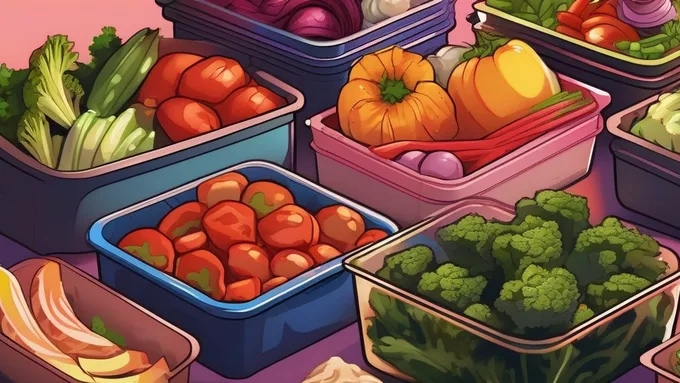
- Choose your prep day: Pick one day weekly for grocery shopping and meal prep. Sunday works for most people, but choose whatever day gives you 2-3 uninterrupted hours.
- Plan your protein sources: Decide on 2-3 protein options for the week. Chicken thighs, ground turkey, and canned salmon are versatile and budget-friendly choices.
- Select your carbohydrate base: Choose 1-2 grains or starches to prep in bulk. Sweet potatoes, brown rice, and quinoa store well and pair with multiple proteins.
- Pick your vegetables: Choose vegetables that can be prepared multiple ways. Bell peppers work raw in salads, roasted with dinner, or sautéed with eggs.
- Plan your snacks: Prepare 2-3 snack options that combine protein and fiber. Greek yogurt with berries, apple slices with almond butter, or hard-boiled eggs with vegetables.
- Schedule your cooking time: Block specific times for prep work. Two hours on Sunday can set you up for the entire week.
The Power of Batch Cooking
Cook proteins in large batches using different seasonings. Grill chicken with Mediterranean herbs, bake another batch with Mexican spices, and poach a third portion plain for salads. This variety prevents boredom while minimizing cooking time.
Roast multiple sheet pans of vegetables with different flavor profiles. Toss one pan with olive oil and Italian herbs, another with coconut oil and curry powder. These become the foundation for different meals throughout the week.
Smart Grocery Shopping Strategies
Your diet plan succeeds or fails in the grocery store. Shop with a detailed list organized by store section to avoid impulse purchases and ensure you have everything needed for your planned meals.
Shop the perimeter first-produce, meat, dairy-then venture into the center aisles for pantry staples. This strategy naturally emphasizes whole foods over processed options.
Budget-Friendly Protein Sources
Protein doesn't have to break your budget. Eggs cost roughly $0.25 each and provide complete amino acid profiles. Chicken thighs cost half the price of breasts and stay moist during meal prep. Canned fish offers convenience and omega-3 fatty acids at a fraction of fresh seafood prices.
- Eggs: $3-4 per dozen, versatile for any meal
- Chicken thighs: $1.50-2.00 per pound, higher fat content prevents drying out
- Ground turkey: $3-4 per pound, leaner than beef but more affordable than chicken breast
- Canned salmon: $2-3 per can, no prep required
- Greek yogurt: $1 per serving, doubles as ingredient and snack
- Lentils and beans: $1-2 per pound dried, excellent fiber and plant protein
Seasonal Shopping Tips
Buy produce in season for better prices and peak nutrition. Frozen vegetables often contain more nutrients than fresh options that traveled long distances. Stock up on frozen berries, broccoli, and spinach-they're pre-washed and ready to use.
Technology Tools for Diet Success
The right apps and tools can change diet planning from a chore into an automated system. Modern AI-powered platforms learn your preferences and adapt recommendations based on your progress and changing needs.
Food tracking apps have evolved beyond simple calorie counting. Modern healthy meal apps use photo recognition to identify foods and portions, making logging effortless. The BeCute app, for example, is being built to scan barcodes and read meals from photos, so the manual entry that makes most people quit tracking is not part of it.
Look for apps that provide personalized insights rather than generic advice. The best platforms analyze your eating patterns and suggest specific adjustments. If you consistently feel hungry at 3 PM, the app might recommend adding more protein to lunch or adjusting your meal timing.
Using AI for Meal Planning
AI meal planning tools can generate shopping lists, suggest recipe modifications based on your dietary preferences, and even predict which meals you're most likely to enjoy based on your past choices. AI meal planning technology in 2026 has become sophisticated enough to account for seasonal ingredient availability, budget constraints, and cooking skill level.
These tools excel at solving the "what's for dinner" problem that derails many diet plans. Instead of standing in your kitchen at 6 PM with no plan, you have personalized meal suggestions based on what's already in your pantry.
Handling Social Situations and Dining Out
Restaurant meals and social events don't have to sabotage your diet plan. The key is having strategies ready before you're faced with a menu full of tempting options.
Research restaurant menus in advance. Most chains publish nutritional information online, and many independent restaurants post menus on their websites. Decide what you'll order before you arrive, when you're not influenced by hunger or social pressure.
Follow the "plate method" when dining out: fill half your plate with vegetables, one quarter with lean protein, and one quarter with complex carbohydrates. This visual guide works at any restaurant without requiring detailed nutritional calculations.
Party and Event Strategies
Eat a small protein-rich snack before attending parties or events. This prevents you from arriving hungry and overindulging in appetizers or desserts. Greek yogurt with berries or a hard-boiled egg provides enough protein to stabilize your blood sugar.
Bring a healthy dish to share. This ensures you have at least one option that fits your eating plan, and you'll often find others grateful for a nutritious choice among typical party foods.
- Survey the spread first: Walk around and see all options before filling your plate
- Use smaller plates: If available, choose smaller plates to naturally control portions
- Focus on protein and vegetables: Fill up on these first, then add small portions of other foods
- Stay hydrated: Often we mistake thirst for hunger at social events
- Plan for one indulgence: Choose one special treat rather than sampling everything
Monitoring Progress and Making Adjustments
Your diet plan isn't set in stone. Successful long-term weight management requires regular assessment and adjustments based on your results and changing lifestyle needs.
Track multiple metrics beyond the scale. Take body measurements, progress photos, and note energy levels and sleep quality. The scale can fluctuate 2-5 pounds daily based on water retention, hormones, and digestion, but other metrics provide a clearer picture of your progress.
Review your plan weekly. What worked well? What felt difficult or unsustainable? Maybe you discovered that you need more carbohydrates around your workouts, or that you prefer larger lunches and lighter dinners. These insights help you refine your approach.
When to Adjust Your Calorie Intake
If you've been following your plan consistently for 2-3 weeks without seeing progress, it's time to make adjustments. Your metabolism adapts to reduced calorie intake, so you may need to create a larger deficit or add more physical activity.
Conversely, if you're losing weight too quickly (more than 2 pounds per week after the first week), you may be under-eating. Rapid weight loss often includes muscle loss, which slows your metabolism long-term.
| Progress Indicator | Ideal Range | Action if Outside Range |
|---|---|---|
| Weekly weight loss | 1-2 pounds | Adjust calories by 200-300 |
| Energy levels | Stable throughout day | Review meal timing and macros |
| Hunger between meals | Mild to moderate | Increase protein or fiber |
| Sleep quality | 7-9 hours, restful | Check evening meal timing |

Building Long-Term Habits
The most effective diet plan is one you can follow for months and years, not just weeks. This means building habits that become automatic rather than relying on constant willpower and motivation.
Start with one small change and master it before adding another. Maybe you begin by eating protein at breakfast every day. Once that feels natural (usually 2-4 weeks), add another habit like preparing vegetables for the week on Sunday.
Focus on habit stacking-linking new behaviors to existing routines. If you already drink coffee every morning, use that as a trigger to take your vitamins or prepare your lunch. These connections help new habits stick faster.
Creating Your Food Environment
Your environment shapes your choices more than willpower. Keep healthy snacks visible and convenient while storing less healthy options out of sight. If you have to walk to the pantry and open a container to get chips, you're less likely to mindlessly snack.
Prep healthy options to be more convenient than unhealthy ones. Wash and cut vegetables immediately after grocery shopping. Keep hard-boiled eggs, Greek yogurt, and nuts easily accessible. When you're tired or stressed, you'll reach for whatever requires the least effort.
For detailed strategies on creating sustainable eating patterns, our guide on balanced diet plans for weight loss covers evidence-based approaches that work long-term. The Mayo Clinic's personalized diet planning approach also provides excellent frameworks for sustainable eating patterns.
Common Pitfalls and How to Avoid Them
Most diet plans fail for predictable reasons. Understanding these common mistakes helps you build defenses against them before they derail your progress.
You might also find our guide on simply eating: how to simplify your diet in 2026 helpful.
The biggest mistake is making too many changes at once. You decide to eat perfectly, exercise daily, meal prep every Sunday, and give up alcohol-all starting Monday. This approach overwhelms your willpower and sets you up for failure.
Another common pitfall is the "all-or-nothing" mindset. You eat a donut at the office and decide the day is ruined, so you might as well order pizza for dinner. One imperfect choice doesn't negate your entire plan. Get back on track with your next meal, not your next Monday.
Dealing with Plateaus
Weight loss plateaus are normal and expected. Your body adapts to reduced calories and increased activity. When progress stalls, resist the urge to dramatically cut calories or add hours of cardio.
Instead, try calorie cycling-eat at maintenance calories for 1-2 days per week while maintaining your deficit on other days. This can help reset hormones that regulate hunger and metabolism. The DASH eating plan approach emphasizes this type of flexible, sustainable framework.
Consider changing your exercise routine or meal timing. Your body adapts to consistent patterns, so small changes can jumpstart progress. Maybe try intermittent fasting a few days per week or swap your usual cardio for strength training.
Managing Cravings and Emotional Eating
Cravings aren't a sign of weakness-they're often signals from your body about nutritional needs or emotional states. Sweet cravings might indicate you need more protein or sleep. Salty cravings could mean you're dehydrated or stressed.
Before giving in to a craving, drink a large glass of water and wait 10 minutes. Often, what feels like hunger is actually thirst or boredom. If you're still genuinely hungry, eat something protein-rich first, then reassess whether you still want the original craved food.
For complete meal planning strategies that address these challenges, evidence-based meal planning approaches can provide additional frameworks. Personalized meal planning tools can also help you identify patterns in your cravings and suggest healthier alternatives.
Building a sustainable diet plan isn't about finding the perfect combination of foods or following someone else's rigid rules. It's about creating a flexible system that works with your lifestyle, preferences, and goals. The most successful approaches combine evidence-based nutrition principles with practical strategies that account for real-world challenges like busy schedules, social events, and changing motivation levels.
Remember that your diet plan will evolve as you learn what works for your body and lifestyle. What matters most is starting with a solid foundation and making consistent small improvements over time. Sustainable weight loss approaches emphasize this gradual, habit-based method over dramatic short-term changes. With the right tools, realistic expectations, and a willingness to adjust as needed, you can create eating patterns that support your health goals for years to come.
What You Need to Know About Creating a Diet Plan
How do I start creating a diet plan?
Kick off your diet plan by assessing your current eating habits and setting clear goals. First, track what you eat for a week to understand your baseline. Then, decide on your goals-whether it's weight loss, muscle gain, or maintaining health. Read food labels and note what they say; BeCute is being built to turn that into personalized nutrition insight. Once you know where you stand, calculate your daily caloric needs using an online calculator or app. From there, plan your meals around your macronutrient needs, ensuring a balance of proteins, carbs, and fats. Start with simple changes, like adding more vegetables or swapping sugary drinks for water. Remember, consistency is key, so aim for small, sustainable changes rather than drastic overhauls.
What is the difference between a diet plan and a nutrition plan?
A diet plan is typically focused on weight management, while a nutrition plan emphasizes overall health. Diet plans often target specific goals like weight loss or muscle gain, outlining specific foods and portion sizes to achieve those goals. In contrast, a nutrition plan takes a holistic approach, focusing on nutrient-rich foods to support overall health and well-being. It considers factors like vitamins, minerals, and dietary diversity. While both plans can overlap, a nutrition plan is more about long-term health benefits, whereas a diet plan is often more immediate and goal-oriented. For best results, integrate both approaches to create a balanced eating plan for weight loss and health.
How much does it cost to create a diet plan?
Creating a diet plan can cost anywhere from free to hundreds of dollars, depending on your approach. If you DIY, using free online resources, you can create a plan at no cost, and BeCute early access will be free while the app is being built. However, if you opt for a personalized plan from a dietitian, expect to pay between $50 to $200 per session. Meal delivery services offering pre-made diet plans can range from $10 to $15 per meal. Keep in mind that investing in a well-structured diet plan can save you money in the long run by reducing healthcare costs and improving your overall quality of life. Consider your budget and health goals when deciding how much to invest.
Is it worth it to make a diet plan?
Making a diet plan is worth it for achieving your health goals and maintaining long-term well-being. A well-structured diet plan helps you stay organized, reduces decision fatigue, and ensures you're getting the nutrients you need. Surveyed against people who never plan, French adults who planned their meals were more likely to meet national dietary guidelines and to eat a wider range of foods, and less likely to be obese, with odds ratios of 1.13, 1.25 and 0.79 for women respectively; the paper is careful to say that no causation can be read into those numbers (Ducrot et al., International Journal of Behavioral Nutrition and Physical Activity, 2017). Plus, having a plan can save you time and money by reducing food waste and unnecessary grocery trips. With BeCute still being built, track your progress in whatever you have and adjust as needed; the app is meant to take that over. Ultimately, a diet plan is a small investment in your future health and happiness.
How do I plan my meals for a week?
Planning your meals for a week involves a few simple steps to ensure variety and balance. Start by setting aside time each week to plan. Choose a mix of proteins, carbs, and fats for each meal, aiming for a colorful plate. Use a calendar or app to map out breakfast, lunch, dinner, and snacks. Consider batch cooking or prepping ingredients in advance to save time. Make a grocery list based on your meal plan to avoid impulse buys. Don't forget to account for leftovers and dining out. Adjust your plan as needed based on your schedule and preferences. With practice, meal planning becomes a seamless part of your routine.
FAQ
How many calories should I eat to lose weight?
A safe calorie deficit is 500-750 calories below your maintenance level, which typically results in 1-1.5 pounds of weight loss per week. Most women need 1,200-1,500 calories for weight loss, while men usually need 1,500-1,800 calories. Use an online calculator to estimate your baseline needs, then subtract 500 calories as a starting point. A calculator gives the starting number, and the log tells you whether it was right. BeCute is being built to keep that log from a barcode scan or a photo of the plate instead of manual entry.
Here on How to Create a Diet Plan, the calorie and macro numbers BeCute is being built to give come from the published Mifflin-St Jeor equation rather than from a proprietary score, and the 500-750 calories above is a number from this page, not from the app; the app behind it is not yet on the App Store or Google Play.
Should I count macros or just calories?
Both approaches work, but tracking macros often leads to better results because it ensures you're getting adequate protein and nutrients. Start with calories if you're new to tracking, then add macro targets once logging becomes habitual. Pick a split inside the published band and hold it. According to the National Academies Dietary Reference Intakes, the acceptable range for adults is 45-65 percent of calories from carbohydrate, 20-35 percent from fat and 10-35 percent from protein. Entering macros by hand is where the habit usually dies, and that is the problem BeCute is being built to remove. It is not on the App Store or Google Play yet, so the early access list at becute.app is the only thing to join today.
For a page like How to Create a Diet Plan, grams beat guesses, and counting protein and the rest of the macros off the label is one of the things BeCute is being built to do, and numbers like the 45-65 percent above are what a plan has to carry; the app is not yet on the App Store or Google Play.
How long does it take to see results from a new diet plan?
You'll notice changes in energy and digestion within 3-5 days. Scale changes typically appear after 1-2 weeks, but can be delayed by water retention and hormonal fluctuations. Take measurements and progress photos since these often show changes before the scale moves.
Whether How to Create a Diet Plan is working for you comes out of your own log, and progress charts and milestones are part of what BeCute is being built to show, and the 3-5 days above is one of this page's own figures; the app behind it is not yet on the App Store or Google Play.
What should I do if I mess up my diet plan?
Get back on track with your very next meal-don't wait until tomorrow or Monday. One off-plan meal won't derail your progress, but the guilt and "all-or-nothing" thinking can. Plan for imperfection and have strategies ready for getting back on course quickly. One off-plan meal matters less than a broken record. Once BeCute opens, the next meal will be one photo away from being back in the log.
A week gets rewritten sooner or later, and on How to Create a Diet Plan rewriting one without rewriting every meal in it is what BeCute is being built to handle; the app behind it is not yet on the App Store or Google Play, and what does work today is the free 5 meals a day schedule at becute.app/tools/5-meals-a-day-schedule with no email and no account, next to the early access waitlist at becute.app for the app.
Can I eat out while following a diet plan?
Absolutely. Research menus in advance, use the plate method (half vegetables, quarter protein, quarter carbs), and don't arrive hungry. Many restaurants offer grilled proteins and steamed vegetables, and you can always ask for modifications like dressing on the side. Restaurant plates are the hardest to log, and photo recognition is the feature BeCute is being built around for exactly that case.
Sooner or later How to Create a Diet Plan runs into a restaurant menu, and a plan only survives one if it can be replanned, which is what BeCute is being built to do; BeCute itself is not yet on the App Store or Google Play.
How often should I adjust my diet plan?
Review weekly and make small adjustments based on your results and how you feel. If you're losing 1-2 pounds per week and have good energy, stick with your current plan. If progress stalls for 2-3 weeks, consider adjusting calories by 200-300 or changing your meal timing. Weekly review works best when the week is already written down. BeCute is being built to keep that week in one place, so the adjustment is a reading rather than a guess.
The one thing BeCute has today for a reader of How to Create a Diet Plan is a place to leave an email address, and a figure like the 1-2 pounds above only means something once it is yours; BeCute is not yet on the App Store or Google Play, and the early access waitlist at becute.app is what exists in the meantime.
This article is for informational purposes only and does not constitute medical advice. Consult a qualified healthcare professional before making changes to your diet or exercise routine.

Written by
Oleksandr PaduraFounder & CEO at BeCute
Oleksandr Padura is the founder of BeCute. He is building an AI nutrition planner that turns personal goals into a daily meal plan. The app is not yet on the App Store or Google Play, and the waitlist gets access first.
Published: 2026-03-18
Disclaimer: This article is for informational purposes only and is not a substitute for professional medical advice, diagnosis, or treatment. Always consult a qualified healthcare provider before making changes to your diet or health routine.