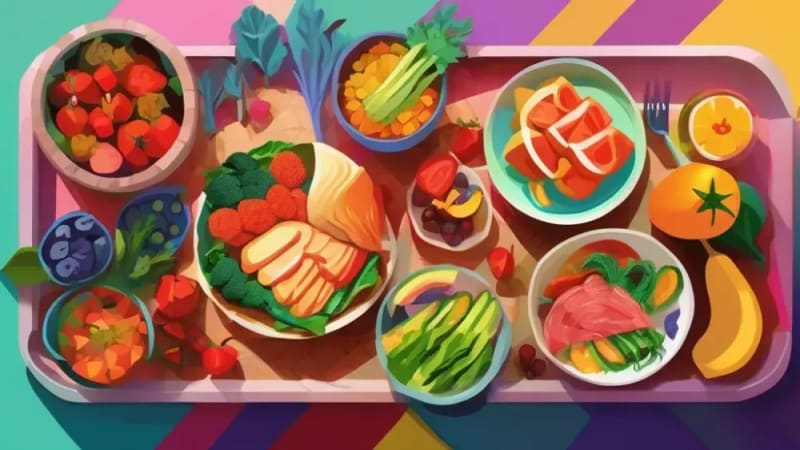

Your doctor says you need to eat better. Your energy crashes every afternoon. You've tried three different diets this year, and none stuck. Sound familiar? The problem isn't your willpower-it's that you're trying to wing it without a proper nutritionist food plan.
Creating a sustainable nutrition eating plan requires more than good intentions and generic advice. You need specific strategies, realistic portions, and tools that adapt to your actual life. Here's how registered dietitians build meal plans that work in 2026, plus the technology that makes healthy eating effortless rather than exhausting.
Why Most Food Plans Fail (And How to Fix It)
Most people try one diet after another for years. Yet the weight comes back once the diet stops. The culprit? Most plans treat food like math instead of addressing the real barriers to healthy eating.
Generic meal plans ignore your schedule, taste preferences, and cooking skills. They assume you have unlimited time for meal prep and a pantry stocked with specialty ingredients. Real life doesn't work that way.
The Three Pillars of Sustainable Nutrition
Flexibility over perfection means your plan works whether you're traveling, stressed, or celebrating. Personalization over trends ensures the foods fit your lifestyle and health goals. Education over restriction teaches you to make informed choices rather than following rigid rules.
The Mayo Clinic's approach to meal planning emphasizes these same principles, focusing on sustainable changes rather than quick fixes.
Common Planning Mistakes
Planning too many new recipes at once overwhelms your routine. Most people can successfully integrate 2-3 new meals per week maximum. Start smaller than you think necessary.
Ignoring your natural eating patterns sets you up for failure. If you're not hungry until 10 AM, don't force yourself into a 7 AM breakfast routine. Work with your body's signals, not against them.
Join the early access waitlist and we will email you the day it launches.
Building Your Personalized Nutritionist Food Plan
Professional nutritionists start with your current eating patterns before making changes. This assessment reveals which habits support your goals and which ones sabotage your progress.
Track your current intake for one week without changing anything. Note energy levels, hunger patterns, and how different foods make you feel. This baseline data guides every decision in your new plan.
Macronutrient Distribution
Your ideal macro split depends on your activity level, health goals, and metabolic health. According to the National Academies Dietary Reference Intakes, the acceptable range for adults is 45-65 percent of calories from carbohydrate, 20-35 percent from fat and 10-35 percent from protein. Sedentary adults often feel better with slightly higher protein and moderate carbs.
| Activity Level | Daily Focus |
|---|---|
| Sedentary | Steady energy, satiety |
| Moderately Active | Recovery, performance |
| Very Active | Fuel, endurance |
Portion Control Without Measuring
Use your hand as a built-in measuring tool. Your palm determines protein portions, your cupped hand measures carbs, your thumb gauges fats, and your fist sizes vegetable servings. This method travels anywhere and requires zero equipment.
For more detailed guidance on nutrition fundamentals, our guide on basic diet principles covers macronutrient balance and portion strategies in depth.
Weekly Meal Planning Strategy
Successful meal planning follows a predictable rhythm. Choose one day each week for planning and shopping-Sunday works well for most people. Spend 30 minutes reviewing your schedule, selecting recipes, and creating your grocery list.
- Review your calendar: Identify busy days that need simple meals, social events that affect your eating schedule, and days when you have time for cooking.
- Plan around anchor meals: Choose 3-4 reliable recipes you enjoy and can prepare easily. Build variety around these foundation meals.
- Batch similar ingredients: If you're chopping onions for one recipe, chop extra for the week. Cook grains in larger quantities and use them across multiple meals.
- Create backup options: Keep frozen vegetables, canned beans, and quick-cooking proteins on hand for days when your original plan falls apart.
- Schedule prep time: Block 1-2 hours for washing vegetables, cooking grains, and portioning snacks. This investment saves 20-30 minutes daily.
Smart Grocery Shopping
Shop the perimeter first, where fresh produce, dairy, and proteins live. The middle aisles contain more processed options-not off-limits, but not your primary focus.
Buy versatile ingredients that work in multiple recipes. Sweet potatoes can be roasted, mashed, or added to soups. Greek yogurt works for breakfast, snacks, and as a sour cream substitute.
Technology Tools for Modern Meal Planning
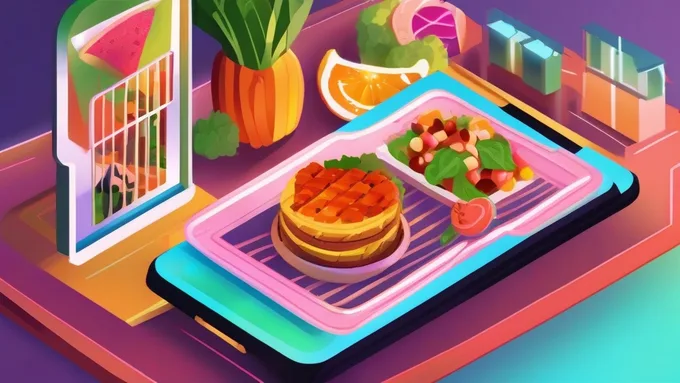
The right apps change meal planning from tedious to effortless. BeCute is our take on that, still in development: barcode scanning for packaged food and photo recognition for the homemade half, so one log covers both. Until it is out, a nutritionist's printed plan plus a notebook does the same job with more friction.
The app's AI learns your preferences over time, suggesting meals based on your history and nutritional goals. Instead of manually calculating macros, you scan your plate and get instant feedback on whether you're meeting your targets.
Barcode Scanning Benefits
Scanning eliminates guesswork about packaged foods. You'll discover hidden sugars in seemingly healthy products and find better alternatives without spending hours reading labels. The database is one of the largest in the category, covering everything from local brands to restaurant chains.
Photo recognition technology identifies individual ingredients in mixed dishes. Snap a picture of your stir-fry, and the app breaks down the vegetables, protein, and sauce components automatically.
Two limits sit outside anyone's personal plan. According to the Dietary Guidelines for Americans, added sugars should stay under 10 percent of daily calories and saturated fat under 10 percent.
Budget-Friendly Nutrition Planning
Healthy eating doesn't require expensive superfoods or organic everything. Focus your budget on nutrient-dense staples: dried beans cost $1-2 per pound and provide more protein than most meat. Frozen vegetables keep their nutritional value and cost less than fresh.
Buy proteins on sale and freeze them in meal-sized portions. A whole chicken costs less per pound than boneless breasts and provides multiple meals. Use the bones for stock-free nutrition that adds flavor to grains and soups.
Cost-Effective Protein Sources
- Eggs: $2-3 per dozen provides 12 servings of complete protein
- Dried lentils: $1.50 per pound yields 8 servings with fiber and iron
- Canned fish: $1-2 per serving delivers omega-3s and convenience
- Greek yogurt: $4-5 per large container offers 15-20g protein per serving
- Peanut butter: $3-4 per jar provides healthy fats and plant protein
Seasonal Shopping Strategy
Plan meals around seasonal produce to maximize nutrition and minimize costs. Winter squash, root vegetables, and citrus fruits peak in colder months. Summer brings abundant berries, stone fruits, and leafy greens at lower prices.
The National Institutes of Health meal planning guide includes seasonal eating tips and budget-conscious strategies for healthy nutrition.
Meal Prep Techniques That Actually Work
Forget spending entire Sundays cooking. Smart meal prep focuses on components, not complete meals. Cook a large batch of quinoa, roast three different vegetables, and grill several chicken breasts. Mix and match throughout the week for variety.
Prep vegetables immediately after shopping. Wash lettuce, chop bell peppers, and slice cucumbers while they're fresh. Store them properly-herbs in water, cut vegetables in airtight containers-and they'll stay crisp for days.
Container Strategy
Glass containers prevent staining and retain heat better than plastic. Invest in various sizes: small ones for sauces and dressings, medium for individual portions, and large for family-style meals.
Mason jars work perfectly for layered salads. Dressing on the bottom, sturdy vegetables next, grains in the middle, and greens on top. Shake before eating for instant, fresh salad.
| Food Category | Prep Method | Storage Time | Best Containers |
|---|---|---|---|
| Cooked Grains | Cool completely, portion | 5-7 days | Glass with tight lids |
| Raw Vegetables | Wash, chop, dry thoroughly | 3-5 days | Breathable containers |
| Cooked Proteins | Cool quickly, slice if needed | 4-5 days | Airtight glass |
| Prepared Salads | Layer strategically | 3-4 days | Mason jars |
Adapting Your Plan for Special Dietary Needs
Food allergies, intolerances, and medical conditions require careful planning but don't have to limit variety. Focus on naturally compliant foods rather than processed substitutes whenever possible.
Gluten-free eating centers around rice, quinoa, potatoes, and naturally gluten-free grains. Dairy-free options include coconut milk, almond milk, and nutritional yeast for cheesy flavor. Plant-based proteins come from beans, lentils, tofu, and tempeh.
Managing Multiple Restrictions
When dealing with multiple dietary needs, start with foods that meet all requirements and build from there. A rice bowl with roasted vegetables and tahini dressing works for gluten-free, dairy-free, and vegan needs simultaneously.
For complete meal planning that accommodates various dietary preferences, check out our personalized meal plan guide, which covers customization strategies for different health goals and restrictions.
Tracking Progress and Making Adjustments
Your nutritionist food plan should evolve as your needs change. Monthly check-ins help identify what's working and what needs adjustment. Are you consistently skipping breakfast? Maybe you're not naturally a morning eater. Constantly craving sweets after lunch? Your midday meal might lack protein or healthy fats.
Energy levels, sleep quality, and mood provide better feedback than the scale alone. Weight fluctuates daily due to hydration, sodium intake, and hormonal changes. Focus on how you feel and how your clothes fit over time.
When to Modify Your Plan
- Boredom sets in: Rotate 2-3 new recipes into your routine monthly
- Schedule changes: Adjust meal timing and prep strategies for new work or family demands
- Seasonal shifts: Embrace warming soups in winter, cooling salads in summer
- Health goals evolve: Training for a race requires different nutrition than maintaining weight
- Budget constraints: Economic changes might shift your protein sources or shopping patterns
The best diet plans for sustainability share common features: flexibility, personalization, and realistic expectations rather than rigid rules.
Advanced Strategies for Long-Term Success
After mastering the basics, advanced techniques fine-tune your approach. Meal timing affects energy and performance-eating larger meals earlier in the day often improves metabolism and sleep quality.
Intermittent fasting works well for some people but isn't necessary for health. If you naturally prefer two larger meals over three smaller ones, honor that preference rather than forcing conventional meal patterns.
Using AI for Smarter Nutrition
Modern nutrition apps use artificial intelligence to provide insights impossible with traditional tracking. AI meal planning technology analyzes your eating patterns and suggests improvements based on your specific goals and preferences.
The technology identifies nutrient gaps you might miss manually. If you're consistently low in iron, the app suggests iron-rich foods you actually enjoy rather than generic recommendations.
Social and Environmental Factors
Your eating environment influences food choices more than willpower. Keep healthy snacks visible and convenient. Store less nutritious options in opaque containers or less accessible locations.
Social eating presents challenges and opportunities. Suggest restaurants with healthy options when dining out. Bring a nutritious dish to potlucks. Most people appreciate having healthier choices available.
For those seeking cost-effective nutrition guidance, free nutrition plan resources provide quality meal planning strategies without the expense of private consultation.
The Dukan diet approach demonstrates how structured phases can work for some people, though most nutritionists recommend more flexible, sustainable methods for long-term success.
Building a nutritionist food plan that actually works requires patience, experimentation, and the right tools. Start with small changes, use technology to eliminate guesswork, and adjust based on real feedback from your body and lifestyle. The goal isn't perfection-it's creating sustainable habits that support your health for decades, not just weeks.
Your relationship with food should enhance your life, not complicate it. With proper planning and smart tools, healthy eating becomes automatic rather than effortful, freeing your mental energy for more important decisions.
What You Need to Know About Nutritionist Food Plan
How do I start a nutritionist food plan?
Kickstarting a nutritionist food plan is all about setting clear goals and understanding your dietary needs. First, identify your health objectives, whether it's weight loss, muscle gain, or simply eating healthier. Next, consult with a nutritionist to tailor a plan that fits your lifestyle and nutritional requirements. They can help you understand portion sizes, nutrient balance, and meal timing. BeCute is being built to simplify that by tracking your food intake and returning personalized insight, and it is not out yet. Finally, start small by incorporating one or two changes at a time, like adding more veggies or reducing sugar intake, to make the transition smoother and more sustainable.
You might also find our guide on simply eating: how to simplify your diet in 2026 helpful.
What’s the difference between a nutritionist food plan and a regular diet?
A nutritionist food plan is personalized and science-backed, while a regular diet often follows generic guidelines. Nutritionist plans are tailored to your specific health goals, dietary needs, and lifestyle, ensuring a balanced intake of nutrients. In contrast, regular diets may not consider individual differences and can sometimes lead to nutrient deficiencies or imbalances. A nutritionist food plan also involves ongoing support and adjustments, making it more adaptable and effective in the long run. Plus, a record of your progress is what makes personalization possible, and BeCute is being built to keep it.
How much does a nutritionist food plan cost?
The cost of a nutritionist food plan can vary widely, typically ranging from $50 to $200 per session. Some nutritionists offer package deals that can reduce the per-session cost. Additionally, there are online platforms and apps that provide similar services at a lower price, sometimes as low as $10 per month. While this might seem like a significant investment, consider the long-term health benefits and potential savings on medical bills. Remember, a well-structured nutrition plan can prevent health issues and improve your quality of life, making it a worthwhile investment for many.
Is a nutritionist food plan worth it for weight loss?
Yes, a nutritionist food plan is highly effective for weight loss because it offers personalized guidance and accountability. Unlike fad diets, a nutritionist plan is tailored to your body's needs, ensuring you lose weight safely and sustainably. It focuses on nutrient-rich foods that keep you full and energized, reducing the temptation to overeat. Plus, with BeCute still being built, track your progress in whatever you use today and make the adjustments from what it shows. This personalized approach not only helps you shed pounds but also teaches you healthy eating habits for long-term success.
What are some budget-friendly nutrition planning tips?
Budget-friendly nutrition planning is all about smart shopping and meal prepping. Start by planning your meals for the week and creating a shopping list to avoid impulse buys. Opt for seasonal produce and bulk items, which are often cheaper. Cooking in batches and freezing portions can save both time and money. Consider plant-based proteins like beans and lentils, which are cost-effective alternatives to meat. Lastly, note your spending and intake so the plan stays inside the budget; BeCute is being built to keep both numbers.
FAQ
How long does it take to create an effective nutritionist food plan?
Most people need 2-4 weeks to establish a working meal plan. The first week involves tracking current habits, the second week introduces gradual changes, and weeks 3-4 focus on refining portions and timing. Don't expect perfection immediately-sustainable plans develop through consistent small adjustments.
Nothing on this page, Nutritionist Food Plan, is medical advice: BeCute is being built by software engineers, with no nutritionist on staff and no medical review board, and a figure like the 2-4 weeks above only means something once it is yours; BeCute itself is not yet on the App Store or Google Play.
Should I count calories or focus on food quality instead?
Both approaches have merit depending on your goals. Weight loss often requires calorie awareness, while general health improvement can focus on food quality. The most successful plans combine both-choosing nutrient-dense foods within appropriate portions for your activity level and goals.
Here on Nutritionist Food Plan, the calorie and macro numbers BeCute is being built to give come from the published Mifflin-St Jeor equation rather than from a proprietary score; the app behind it is not yet on the App Store or Google Play.
What's the biggest mistake people make when starting a new eating plan?
Changing too much too quickly leads to overwhelm and abandonment. Most people try to overhaul their entire diet overnight instead of making 1-2 sustainable changes per week. Start with adding one vegetable serving daily or replacing one processed snack with a whole food option.
Plenty of people start at Nutritionist Food Plan, and getting started is the part BeCute is being built to make short: one plan, one list, one target; the app is not yet on the App Store or Google Play, and the early access waitlist at becute.app is the only way in before launch.
How do I handle social situations that don't fit my meal plan?
Flexibility prevents social isolation and plan abandonment. Eat a small, protein-rich snack before events to avoid arriving hungry. Focus on portion control rather than food avoidance. One meal won't derail your progress-consistency over time matters more than perfection at every occasion.
Sooner or later Nutritionist Food Plan runs into a restaurant menu, and a plan only survives one if it can be replanned, which is what BeCute is being built to do; BeCute itself is not yet on the App Store or Google Play.
Is meal prep necessary for a successful nutrition plan?
Meal prep helps but isn't mandatory. Some people thrive with Sunday batch cooking, while others prefer daily fresh preparation. The key is having a system-whether that's prepped containers, a well-stocked pantry, or reliable backup options for busy days.
Meal prep is what Nutritionist Food Plan turns on, and it is a habit BeCute is being built to support with plans, reminders and streaks rather than to replace; the app behind it is not yet on the App Store or Google Play.
How often should I update my meal plan?
Review your plan monthly and make seasonal adjustments quarterly. Your needs change with activity levels, schedule shifts, and health goals. A plan that worked in winter might need modification for summer activities or travel seasons. Regular evaluation prevents boredom and ensures continued progress.
A week gets rewritten sooner or later, and on Nutritionist Food Plan rewriting one without rewriting every meal in it is what BeCute is being built to handle; the app behind it is not yet on the App Store or Google Play, and what does work today is the free 5 meals a day schedule at becute.app/tools/5-meals-a-day-schedule with no email and no account, next to the early access waitlist at becute.app for the app.
This article is for informational purposes only and does not constitute medical advice. Consult a qualified healthcare professional before making changes to your diet or exercise routine.

Written by
Oleksandr PaduraFounder & CEO at BeCute
Oleksandr Padura is the founder of BeCute. He is building an AI nutrition planner that turns personal goals into a daily meal plan. The app is not yet on the App Store or Google Play, and the waitlist gets access first.
Published: 2026-03-17
Disclaimer: This article is for informational purposes only and is not a substitute for professional medical advice, diagnosis, or treatment. Always consult a qualified healthcare provider before making changes to your diet or health routine.