
Your grandmother probably never counted macros, tracked calories, or worried about whether her breakfast was "keto-friendly." Yet somehow, she maintained a healthier relationship with food than most people today. The difference? She understood basic diet principles without getting lost in the noise of trendy eating plans and complicated nutrition rules.
A basic diet isn't about restriction or following the latest Instagram influencer's meal plan. It's about building sustainable eating habits using fundamental nutrition principles that have worked for decades. Whether you're trying to lose weight, gain energy, or simply feel better in your own skin, mastering these basics creates the foundation for long-term success.
What Makes a Basic Diet Effective
The most effective basic diet focuses on whole foods rather than processed alternatives. Your plate should contain foods your great-grandmother would recognize: vegetables, fruits, lean proteins, whole grains, and healthy fats. These foods provide essential nutrients without added sugars, preservatives, or artificial ingredients that can disrupt your body's natural hunger signals.
You might also find our guide on personalized meal plan: tailor your nutrition in 2026 helpful.
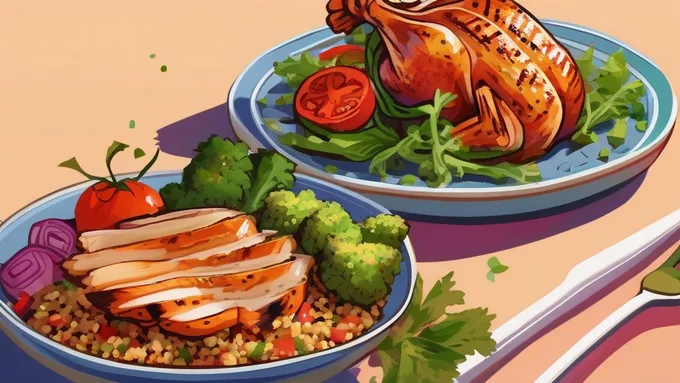
Real nutrition happens when you eat foods in their most natural state. A baked sweet potato delivers more vitamins and fiber than sweet potato chips. Grilled chicken breast provides complete protein without the sodium and additives found in processed deli meat. Fresh berries contain antioxidants and natural sugars that your body can process efficiently.
The National Institutes of Health nutrition guidelines emphasize this whole-food approach, recommending that adults fill half their plate with fruits and vegetables at each meal.
Building Your Foundation Foods
Start with these foundation foods that should appear in your kitchen weekly:
- Lean proteins: chicken breast, fish, eggs, Greek yogurt, beans, lentils
- Complex carbohydrates: quinoa, brown rice, oats, sweet potatoes
- Healthy fats: avocados, nuts, olive oil, seeds
- Vegetables: leafy greens, broccoli, bell peppers, carrots
- Fruits: berries, apples, bananas, citrus fruits
These foods provide the macronutrients and micronutrients your body needs to function properly. They also tend to be more filling than processed foods, which helps with natural portion control.
Join the early access waitlist and we will email you the day it launches.
Understanding Basic Diet Macronutrients
Every food you eat contains some combination of three macronutrients: protein, carbohydrates, and fats. Understanding how these work together helps you make better food choices without obsessing over exact numbers.
Protein builds and repairs muscle tissue, keeps you full between meals, and requires more energy to digest than other macronutrients. Aim for a palm-sized portion of protein at each meal. This might be a chicken breast, a cup of Greek yogurt, or a serving of beans.
Carbohydrates provide quick energy for your brain and muscles. The key is choosing complex carbohydrates that release energy slowly rather than simple sugars that cause energy spikes and crashes. A fist-sized portion of brown rice, quinoa, or sweet potato works well.
Healthy fats support hormone production, help absorb fat-soluble vitamins, and keep you satisfied. A thumb-sized portion of nuts, a quarter of an avocado, or a tablespoon of olive oil provides adequate healthy fats for most meals.
The Plate Method for Balanced Nutrition
Skip the complicated calculations and use the plate method instead. Fill half your plate with vegetables, one quarter with lean protein, and one quarter with complex carbohydrates. Add a small portion of healthy fats, and you've created a balanced meal.
This visual approach works because it naturally controls portions while ensuring you get a variety of nutrients. You can't go wrong when vegetables take up the most space on your plate. For detailed information about improving these ratios, our guide on mastering macronutrients covers the science behind protein, carbohydrate, and fat requirements.
| Macronutrient | Primary Function | Best Sources | Portion Guide |
|---|---|---|---|
| Protein | Muscle building and repair | Chicken, fish, eggs, beans | Palm-sized portion |
| Carbohydrates | Energy production | Quinoa, sweet potatoes, oats | Fist-sized portion |
| Fats | Hormone support, satiety | Avocado, nuts, olive oil | Thumb-sized portion |
Creating Your Basic Diet Meal Plan
Meal planning removes the daily stress of deciding what to eat while ensuring you have nutritious options ready. Start simple with a weekly meal planning routine that takes about 30 minutes each Sunday.
Choose three breakfast options, four lunch options, and five dinner options that you can rotate throughout the week. This provides variety without overwhelming your decision-making capacity. Write down your choices and create a corresponding grocery list.
The Mayo Clinic's simple meal plan approach demonstrates how basic planning can lead to significant health improvements without complicated restrictions.
Sample Daily Basic Diet Structure
- Breakfast: Combine protein with complex carbs and healthy fats. Try Greek yogurt with berries and almonds, or scrambled eggs with spinach and whole grain toast.
- Mid-morning snack: Keep it simple with an apple and a small handful of nuts, or carrot sticks with hummus.
- Lunch: Use the plate method with a large salad, lean protein, and a small portion of quinoa or brown rice.
- Afternoon snack: Choose protein-rich options like Greek yogurt or a hard-boiled egg to maintain energy levels.
- Dinner: Focus on vegetables as the star, with protein and a small portion of complex carbs as supporting players.
This structure provides steady energy throughout the day without the blood sugar spikes that come from processed foods or irregular eating patterns.
Basic Diet Shopping and Budget Tips
Eating healthy doesn't require expensive superfoods or specialty ingredients. Focus your budget on nutrient-dense basics rather than processed convenience foods. A bag of dried beans costs less than a dollar and provides multiple servings of protein and fiber.
Shop the perimeter of the grocery store first, where fresh produce, meat, and dairy products are typically located. These whole foods provide more nutrition per dollar than processed items in the center aisles. Frozen vegetables and fruits are just as nutritious as fresh options and often cost less.
Buy proteins in bulk when they're on sale and freeze portions for later use. A whole chicken costs significantly less per pound than individual pieces and can provide meals for several days. Ground turkey, eggs, and canned fish offer affordable protein options that store well.
Smart Shopping Strategies
- Seasonal produce: Buy fruits and vegetables when they're in season for better prices and flavor
- Generic brands: Store brands often contain identical ingredients at lower costs
- Bulk bins: Purchase grains, nuts, and seeds from bulk bins to save money and reduce packaging
- Weekly sales: Plan your protein choices around what's on sale that week
- Frozen options: Stock frozen vegetables and fruits for convenient, affordable nutrition
Technology can help simplify your shopping and meal planning process. Scanning barcodes while you shop is the fastest way to check nutrition on packaged foods before they go in the cart.
Meal Preparation for Basic Diet Success
Spend two hours on Sunday preparing components for the week ahead. This batch cooking approach saves time during busy weekdays and ensures you always have healthy options available.
Cook large batches of grains like quinoa, brown rice, or farro. Roast several sheet pans of different vegetables. Grill or bake multiple protein portions. Wash and chop raw vegetables for quick salads and snacks.
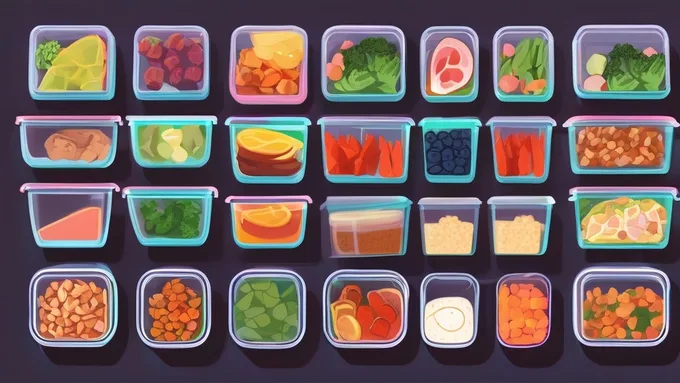
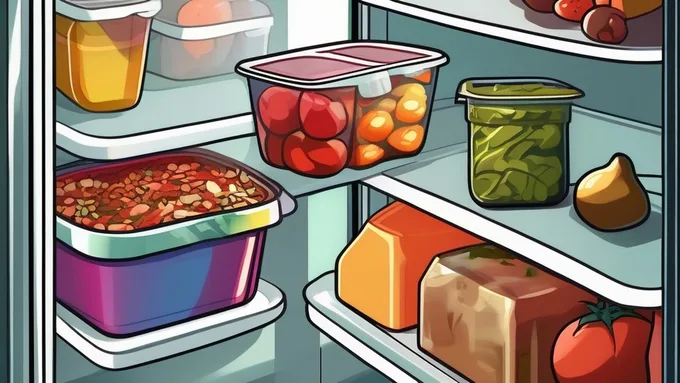
Store prepared components in glass containers that you can grab throughout the week. Mix and match different combinations to create varied meals without starting from scratch each time. For complete strategies that fit any schedule, check out our meal prep guide for busy professionals.
Essential Prep Tasks
These weekly prep tasks set you up for success:
- Protein preparation: Grill chicken breasts, hard-boil eggs, cook a pot of beans
- Grain cooking: Prepare quinoa, brown rice, or your preferred whole grain
- Vegetable prep: Wash lettuce, chop bell peppers, roast root vegetables
- Snack portioning: Divide nuts, cut vegetables, prepare individual yogurt parfaits
- Sauce making: Prepare simple dressings and marinades for the week
| Food Category | Prep Method | Storage Time | Usage Ideas |
|---|---|---|---|
| Proteins | Grill, bake, or slow cook | 3-4 days | Salads, grain bowls, wraps |
| Grains | Cook in large batches | 5-7 days | Side dishes, breakfast bowls |
| Vegetables | Wash, chop, roast | 3-5 days | Snacks, salads, stir-fries |
| Fruits | Wash, portion | 2-3 days | Snacks, smoothies, breakfast |
Tracking Your Basic Diet Progress
Monitoring your eating habits helps identify patterns and areas for improvement. You don't need to count every calorie, but paying attention to how different foods make you feel provides valuable insights.
Keep a simple food and mood journal for two weeks. Note what you eat, when you eat it, and how you feel afterward. This helps you identify foods that give you energy versus those that make you sluggish or uncomfortable.
Modern technology makes tracking easier than ever. The BeCute app is being built to recognize meals from photos with AI, which will take the tedious process of manual food logging out of the way. Once it opens you will scan your plate, and the app will name the individual food items and their nutritional content.
Key Metrics to Monitor
Focus on these meaningful indicators rather than just weight:
- Energy levels: Notice when you feel most alert and energized throughout the day
- Sleep quality: Track how your eating patterns affect your sleep
- Hunger patterns: Observe how long different meals keep you satisfied
- Mood stability: Note connections between certain foods and mood changes
- Physical performance: Monitor how your diet affects exercise and daily activities
Common Basic Diet Mistakes and Solutions
The biggest mistake people make with basic diet principles is trying to change everything at once. Your brain resists dramatic changes, which is why most restrictive diets fail within a few weeks. Instead, focus on one improvement per week.
Another common error is eliminating entire food groups unnecessarily. Unless you have a medical condition requiring specific restrictions, your basic diet should include a variety of foods. The Healthline healthy eating guide emphasizes balance over elimination.
Many people also underestimate the importance of hydration. Drinking adequate water supports digestion, helps control hunger, and maintains energy levels. Aim for half your body weight in ounces of water daily.
Troubleshooting Common Challenges
- Lack of time: Start with simple swaps like choosing whole grain bread or adding vegetables to existing meals.
- Budget constraints: Focus on affordable staples like beans, eggs, seasonal produce, and frozen vegetables.
- Family resistance: Introduce changes gradually and involve family members in meal planning and preparation.
- Social situations: Plan ahead for restaurants and social events by checking menus or eating a small snack beforehand.
- Cravings: Address nutrient deficiencies that might trigger cravings, and allow occasional treats in moderation.
Adapting Your Basic Diet for Different Goals
The beauty of basic diet principles is their flexibility. Whether you want to lose weight, gain muscle, or simply maintain your current health, the fundamentals remain the same while portions and timing may vary.
You might also find our guide on top 5 meal prep apps you need to try in 2026 helpful.
For weight loss, emphasize vegetables and lean proteins while reducing portion sizes of carbohydrates and fats. For muscle gain, increase protein intake and add more complex carbohydrates around workout times. For maintenance, focus on consistency and listening to your body's hunger and fullness cues.
Students often need budget-friendly options that don't require extensive cooking skills. Our meal planner guide for students shows how to eat well on a tight budget using simple preparation methods.
Some people prefer structured approaches like the ketogenic diet, which emphasizes fats and proteins while limiting carbohydrates. The WebMD keto guide explains how this approach works, though it's more restrictive than basic diet principles.
Personalizing Your Approach
Consider these factors when adapting basic diet principles:
- Activity level: More active individuals need additional carbohydrates for energy
- Age and gender: Nutritional needs vary based on life stage and biological factors
- Health conditions: Diabetes, heart disease, or other conditions may require modifications
- Food preferences: Work with foods you enjoy rather than forcing yourself to eat things you dislike
- Cultural background: Incorporate traditional foods and cooking methods that connect you to your heritage
If you're looking for structured meal plans without the expense, explore options in our free nutrition plan guide, which shows how to access quality meal planning resources without breaking your budget.
Building healthy eating habits doesn't require complicated rules or expensive supplements. The most sustainable approach focuses on whole foods, balanced meals, and consistent habits that fit your lifestyle. Start with small changes, track what works for your body, and gradually build the foundation for long-term health.
Technology can support your journey without replacing common sense. Use apps and tools to make healthy choices easier, but remember that the best diet is one you can maintain for years, not weeks.
What You Need to Know About Basic Diet
How much does following a basic diet cost?
Following a basic diet typically costs between $50 and $100 per week, depending on your location and food preferences. This cost includes purchasing whole foods like fruits, vegetables, grains, and lean proteins, which are the staples of a basic diet. By planning meals and buying in bulk, you can reduce costs significantly. A note of what each shop trip cost keeps the budget and the diet in the same view, and BeCute is being built to keep it for you. Remember, investing in a basic diet can save you money in the long run by reducing health-related expenses.
Is a basic diet worth it for weight loss?
Yes - a basic diet is worth it for weight loss because it focuses on whole, unprocessed foods that are naturally lower in calories. By prioritizing nutrient-dense foods, you can create a calorie deficit necessary for weight loss without feeling deprived. A basic diet encourages balanced meals that keep you full longer, reducing the temptation to snack on high-calorie, low-nutrient foods. Additionally, a weekly progress record is what keeps the plan honest, and BeCute is being built to hold it.
Basic diet vs keto diet - which is better?
The basic diet is better for long-term health and sustainability, while the keto diet may offer rapid weight loss but can be hard to maintain. A basic diet emphasizes a balanced intake of carbohydrates, proteins, and fats, providing essential nutrients and energy. In contrast, the keto diet restricts carbs significantly, which can lead to nutrient deficiencies and is challenging to follow long-term. If you're looking for a sustainable lifestyle change, the basic diet is the way to go. However, if you have specific short-term weight loss goals, the keto diet might be an option, but consult a healthcare professional first.
How do I start a basic diet?
To start a basic diet, begin by planning your meals around whole foods like vegetables, fruits, lean proteins, and whole grains. Create a weekly meal plan and shopping list to ensure you have all the necessary ingredients. Focus on portion control and balanced meals, aiming for a mix of macronutrients in each meal. Track your food intake and your progress in whatever you have today; BeCute is being built to take that over once it opens. Start small by incorporating one or two healthy meals a day and gradually increase as you become more comfortable with the diet.
What are common mistakes people make on a basic diet?
Common mistakes on a basic diet include not consuming enough variety, overeating healthy foods, and neglecting portion sizes. People often assume that if a food is healthy, they can eat unlimited amounts, which can lead to weight gain. Another mistake is not planning meals, resulting in reliance on convenience foods that may not align with the diet's principles. To avoid these pitfalls, ensure you include a wide range of foods in your diet, pay attention to portion sizes, and plan your meals ahead of time. A food record is what exposes these common errors, and BeCute is being built to keep it from a scan or a photo.
FAQ
What foods should I eat on a basic diet?
Focus on whole foods like vegetables, fruits, lean proteins, whole grains, and healthy fats. Choose foods your grandmother would recognize: chicken, fish, eggs, beans, quinoa, sweet potatoes, leafy greens, berries, nuts, and olive oil. These provide essential nutrients without processed additives.
Questions like the one above on Basic Diet are exactly what BeCute, an AI meal planning and nutrition app, is being built around; the app is not yet on the App Store or Google Play.
How much should I eat on a basic diet?
Use the plate method: fill half your plate with vegetables, one quarter with lean protein, and one quarter with complex carbohydrates. Add a thumb-sized portion of healthy fats. This visual approach naturally controls portions while ensuring balanced nutrition.
A reader who lands on Basic Diet lands on a site for an app that does not exist yet: BeCute is being built by our team, and nothing here is software you can install; BeCute is not yet on the App Store or Google Play, so what you can use here today is the free 5 meals a day schedule at becute.app/tools/5-meals-a-day-schedule - no email, no account, nothing to install - while the early access waitlist at becute.app covers the app.
Can I lose weight following basic diet principles?
Yes, basic diet principles support healthy weight loss by emphasizing nutrient-dense foods that keep you full and satisfied. Focus on vegetables and lean proteins while reducing processed foods and added sugars. The key is creating a sustainable eating pattern rather than following restrictive rules.
Weight loss on Basic Diet comes down to holding a target and replanning around what was actually eaten rather than around what was planned, which is what BeCute is being built to do; BeCute itself is not yet on the App Store or Google Play.
How do I meal prep for a basic diet?
Spend two hours on Sunday batch-cooking proteins, grains, and vegetables. Store components separately in glass containers, then mix and match throughout the week. Prepare hard-boiled eggs, grill chicken breasts, cook quinoa, and chop vegetables for quick meal assembly.
Meal prep is what Basic Diet turns on, and it is a habit BeCute is being built to support with plans, reminders and streaks rather than to replace; the app behind it is not yet on the App Store or Google Play.
What's the difference between a basic diet and other diet plans?
A basic diet focuses on fundamental nutrition principles using whole foods, while other diet plans often have specific restrictions or rules. Basic diet principles are flexible and sustainable, emphasizing balance rather than elimination of food groups.
If Basic Diet has you comparing tools, compare them on what they do today, and what BeCute has today is not an app; the app is not yet on the App Store or Google Play, so the early access waitlist at becute.app is all there is to join today.
How much does it cost to follow a basic diet?
A basic diet can be very affordable since it emphasizes whole foods over processed items. Beans, eggs, seasonal produce, and frozen vegetables provide excellent nutrition at low cost. Focus your budget on nutrient-dense staples rather than expensive specialty products.
For the money side of Basic Diet, the answer from us is that BeCute is free during early access, and free is a promise about launch rather than a product you can obtain today; the app is not yet on the App Store or Google Play.
This article is for informational purposes only and does not constitute medical advice. Consult a qualified healthcare professional before making changes to your diet or exercise routine.

Written by
Oleksandr PaduraFounder & CEO at BeCute
Oleksandr Padura is the founder of BeCute. He is building an AI nutrition planner that turns personal goals into a daily meal plan. The app is not yet on the App Store or Google Play, and the waitlist gets access first.
Published: 2026-03-17
Disclaimer: This article is for informational purposes only and is not a substitute for professional medical advice, diagnosis, or treatment. Always consult a qualified healthcare provider before making changes to your diet or health routine.