

Key Takeaways
- Aim for 80-120 grams of protein a day - that is 25-35 grams at each of three meals, plus a small snack.
- Portion sizes shrink to 3 ounces of protein - roughly a deck of cards - per meal on GLP-1.
- Limit healthy fats to 5-10 grams per meal since slow digestion already delayed by medication.
- Cook vegetables instead of eating raw; soft textures digest better with reduced stomach emptying.
- Skip high-fiber whole foods initially; refined grains and pasta work better during medication adjustment.
You're taking GLP-1 medication-Ozempic, Wegovy, Mounjaro, or similar-and suddenly your relationship with food has fundamentally changed. That appetizer you used to demolish? Now it sits untouched. A full dinner feels impossible. But here's the catch: reduced appetite doesn't mean reduced nutrition needs. Your body still demands protein, vitamins, and minerals to function well, heal properly, and maintain muscle. The real challenge isn't eating less; it's eating smarter when your hunger signals have basically vanished.
What you eat on GLP-1 matters far more than how much you eat, because your medication is already controlling portion size. The food you choose determines whether you're supporting long-term health or creating nutritional gaps that catch up with you months later. This guide walks you through exactly what that looks like in practice-real meals, real portions, real strategies you can implement today.
Join the early access waitlist and we will email you the day it launches.
Understanding GLP-1 and Appetite Changes
How your body actually responds
GLP-1 receptor agonists work by slowing gastric emptying-meaning food stays in your stomach longer-and signaling fullness to your brain faster than normal. You're legitimately not hungry the way you used to be. This is the point. But it also means that old eating patterns (eating until full, large plated portions, snacking throughout the day) no longer work as anchors for deciding what and how much to eat (National Institutes of Health, 2024).
That also creates a dangerous trap. If you're not paying attention to what you're consuming, you can survive on 800 calories of crackers and cheese just as easily as 800 calories of salmon and vegetables. Your appetite control is automatic; your nutritional quality is not.
Why protein becomes non-negotiable
When you're eating significantly less food volume, protein density becomes the difference between preserving muscle and losing it. The joint advisory from the American College of Lifestyle Medicine, the American Society for Nutrition, the Obesity Medicine Association and The Obesity Society puts protein during active weight reduction at 1.2-1.6 grams per kilogram of body weight per day, and notes that "setting an absolute protein target of 80-120 g/day may enhance adherence while ensuring adequate intake" (Obesity Pillars, 2025). Spread over three meals and a snack, 80-120 grams a day is 25-35 grams of protein per meal. It is an orientation figure, not a prescription - your prescriber sets your number.
High-protein meals also trigger more satiety hormones, creating a positive feedback loop with your medication. Your reduced appetite works harder when you're eating foods that already make you feel full.
Building High-Protein Meals for Small Portions
The protein-first framework
Stop thinking about meals as "plate combinations." Start thinking about them as protein + flavor + micronutrients. Pick your protein first. Everything else serves that protein.
- Animal proteins: Grilled chicken breast (35g per 100g), Atlantic salmon (25g per 100g), Greek yogurt (20g per 7oz), eggs (6g each), lean ground turkey (22g per 100g)
- Plant proteins: Lentils (9g per half cup cooked), firm tofu (15g per 3.5oz), tempeh (19g per 3oz), chickpeas (12g per cup cooked)
- Convenience proteins: Canned tuna (20g per can), cottage cheese (25g per cup), protein powder (20-30g per serving)
Here's what actually matters: pick one from any category and build around it. A 3-ounce salmon fillet (about the size of a deck of cards-this is your new portion reference) gives you 25g protein and requires minimal appetite. That's one meal handled.
Pairing proteins with flavor-dense foods
Since your portions are smaller, every bite needs to count emotionally and nutritionally. Bland protein tastes like punishment. Flavorful protein tastes like actual food.
- Olive oil and butter: 1-2 teaspoons per meal for cooking. This adds minimal volume, maximum satisfaction, and supports fat-soluble vitamin absorption
- Herbs and spices: Fresh cilantro, basil, smoked paprika, cumin, garlic powder, lemon zest. Zero calories, infinite flavor complexity
- Fermented or acidic additions: Sauerkraut, kimchi, hot sauce, lime juice, vinegar-based dressings. These aid digestion and make small portions feel more substantial
- Textured elements: Crushed nuts, seeds, crispy vegetable chips. Texture creates satisfaction disproportionate to volume
A 3-ounce grilled chicken thigh with chimichurri sauce, microgreens, and a scatter of toasted pepitas tastes like an actual meal you chose. Same protein as a plain chicken breast, infinitely more satisfaction.
Foods That Work, Foods That Don't
What to prioritize
Not all foods digest equally on GLP-1. Your stomach empties more slowly than usual, which means heavy, high-fiber foods can trigger nausea or extreme fullness for hours. Here's what actually works:
- Lean, tender proteins that digest easily: Fish, poultry, soft tofu, ground meats. These move through your slower-emptying stomach without causing distress.
- Well-cooked or soft vegetables: Roasted carrots, steamed broccoli, sautéed spinach, mashed cauliflower. Raw vegetables are harder to digest in small portions. Cook them.
- Refined grains and lower-fiber options: White rice, pasta, bread, regular oatmeal. Counterintuitive? Yes. But high-fiber foods (whole wheat, beans, seeds) are harder to digest on GLP-1. Save them for when your tolerance improves.
- Healthy fats in small amounts: Olive oil, avocado, nuts, fatty fish. Fat slows digestion (which you already have slower), so portion control here is real. Shoot for 5-10 grams per meal.
- Hydrating foods: Broths, soups, foods with high water content. These move easily and keep you hydrated without forcing volume.
What to minimize or avoid
These aren't "forbidden foods"-they're foods that work against both GLP-1 physiology and effective eating on reduced appetite:
- High-fat, heavy foods: Fried foods, cream-based dishes, fatty cuts of meat. Delayed gastric emptying + high fat = prolonged fullness and often nausea. Save these for special occasions and test in tiny portions first.
- High-fiber whole foods: Beans, lentils, whole wheat bread, chia seeds, brown rice. Fiber + slow stomach = bloating and potential nausea. You can eat some, but start small and go slow (Healthline, 2024).
- Sugary or ultra-processed foods: Candy, soda, refined pastries, processed snacks. These trigger nausea, blood sugar crashes, and don't provide satiety. You're on medication to reduce appetite-don't fight it with foods that make you feel worse.
- Alcohol: Especially carbonated drinks and high-sugar cocktails. Alcohol slows gastric emptying further and can trigger nausea. If you drink, stick to small amounts of wine or spirits with water.
- Extremely spicy foods: Can trigger nausea in sensitive individuals. Test cautiously.
The pattern here isn't "healthy vs. unhealthy" in the traditional sense. It's "compatible with how your stomach currently functions" vs. "likely to make you feel terrible" (Medical News Today, 2024).
Sample GLP-1 Meal Ideas
Breakfast options (small portions, high protein)
Many people on GLP-1 find breakfast optional because they're not hungry. If you eat it, protein matters more than carbs here:
- 2 scrambled eggs + 1 slice toast + butter + fresh berries (roughly 20g protein)
- 3-4oz Greek yogurt + 1 tablespoon granola + honey drizzle (roughly 20g protein)
- 1 cup oatmeal cooked in water + 1/4 cup chopped almonds + cinnamon (roughly 12g protein-add a side of cottage cheese if needed)
- Protein smoothie: 1 scoop protein powder + 1/2 cup milk + 1/2 banana (roughly 25g protein)
- Turkey sausage (2 links) + avocado slice + small piece of fruit (roughly 18g protein)
Skip the massive breakfasts. You won't finish them, and you'll feel stuffed for 6 hours.
Lunch and dinner builds (the workhorses)
These are your main protein sources. Follow this simple structure: 3-4oz protein + 1 cup cooked vegetable + 1/2 to 1 cup grain or starch:
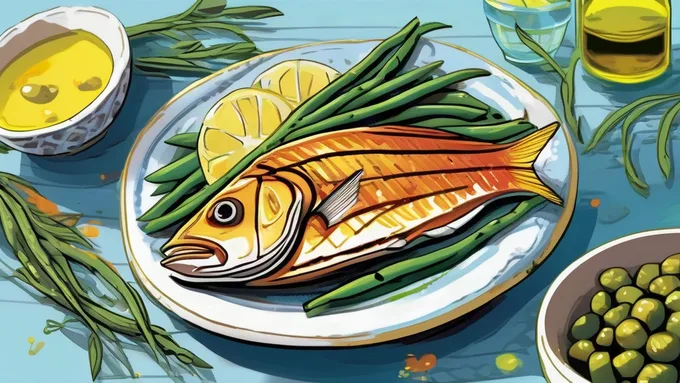
- Salmon bowl: 3oz grilled salmon + 1 cup steamed broccoli + 1/2 cup white rice + drizzle of soy sauce + sesame seeds
- Chicken and greens: 3.5oz grilled chicken breast + 2 cups sautéed spinach (wilted down significantly) + small baked potato with butter
- Ground turkey tacos: 3oz seasoned ground turkey + 1 small corn tortilla + shredded cabbage + lime crema (1 tablespoon sour cream + lime juice)
- Soft tofu stir-fry: 3.5oz silken tofu + 1 cup cooked mixed vegetables (carrots, snap peas, mushrooms) + 1/2 cup white rice + light soy-ginger sauce
- Baked tilapia: 3.5oz white fish + 1 cup roasted cauliflower + small sweet potato + lemon butter sauce
- Tender pasta: 3oz ground beef + 3/4 cup cooked pasta + marinara sauce + parmesan + side salad with light dressing
These aren't "diet foods"-they're actual meals that you'd eat whether or not you had appetite issues. The difference is portion size and intentional preparation.
Snacks (when needed)
Most people on GLP-1 don't snack because they're not hungry. But if you do need something:
- String cheese + 5 almonds
- 1/4 cup hummus + 3-4 baby carrots
- 2 tablespoons peanut butter + apple slice
- Greek yogurt (3-4oz) + honey
- Protein shake (if you skipped a meal)
Notice the pattern: all of these include protein and are smaller than you'd typically eat. If you're not hungry, don't force food.
Meal Planning and Tracking on GLP-1
The shift from eating by appetite to eating by nutrition means you need a system. This is where technology actually matters. Tracking what you eat-especially protein intake-prevents the nutritional gaps that sneak up on you weeks or months into treatment (Harvard T.H. Chan School of Public Health, 2024).
Setting up your tracking system
You don't need to count every calorie obsessively-GLP-1 already handles appetite suppression. But you do need to track protein, micronutrients, and food quality. Here's how:
- Choose a food tracking app that includes barcode scanning. A scanner reads the label for you instead of making you type the entry, and that friction is what kills tracking when you are already eating small portions and cannot afford guessing. Barcode scanning is the part BeCute is being built around, but it is not yet on the App Store or Google Play, so for this week pick a shipped app that already has it.
- Set a daily protein target: 80-120g total. That is 25-35g at each of three meals, plus a small snack to close the gap. Log protein specifically-it's the macro that matters most on GLP-1.
- Log meals at time of eating, not later. You'll forget what you actually ate (especially when portions are tiny) if you wait until evening.
- Note how you feel after eating. GLP-1 side effects vary wildly. Tracking nausea, satisfaction, energy levels next to what you ate reveals personal patterns. Some people handle whole wheat fine; others feel terrible. Your data is personal.
- Review weekly, not daily. You're looking for patterns in protein intake and how certain foods affect you, not obsessing over daily calorie variance.
The goal is awareness, not restriction. Your medication already restricts. You're just making sure the restriction lands on quality nutrition, not accidental deficiencies.
Step one above says pick a shipped app, so here is the short list. Free meal planning apps for college students lines the free ones up side by side; it is written for students, but the barcode and planning parts work the same on GLP-1. BeCute is the one there with nothing to install yet, and the early access list is what it has instead of a download button.
Weekly meal planning structure
For detailed strategies on building sustainable meal plans, our guide on complete meal plan crafting covers this in detail with step-by-step frameworks. But specifically for GLP-1:
Pick three proteins you like. Pick three vegetable sides you'll eat. Pick two starches. Rotate combinations throughout the week. This removes decision fatigue while keeping meals interesting. Example rotation:
- Monday: Chicken + broccoli + rice
- Tuesday: Salmon + carrots + pasta
- Wednesday: Ground turkey + spinach + sweet potato
- Thursday: Chicken + green beans + rice
- Friday: Tilapia + zucchini + white rice
- Saturday/Sunday: Experiment or eat out (with awareness)
Repeat the same basic rotation every two weeks. Your brain knows what to expect. You buy the same ingredients. Cooking becomes automatic. This matters when you're managing appetite suppression and nausea-you don't need meal decisions to be hard on top of everything else.
Managing GLP-1 Side Effects Through Food
Nausea and food tolerance
About 30-40% of people on GLP-1 experience nausea, especially in the first weeks or after dose increases. Food choices directly impact this (Stanford Healthcare, 2024).
When you're nauseous:
- Eat smaller, more frequent meals. 3-4 small meals beat 2 large ones. Even if you only eat a few bites per sitting, spreading it throughout the day prevents the "too full" feeling that triggers nausea.
- Prioritize cold or room-temperature foods. Hot foods have more aroma, which can trigger nausea. Cold protein (rotisserie chicken from the fridge, Greek yogurt, cold canned fish) works better for many people.
- Drink broth or electrolyte drinks between meals. Not water alone-sodium and minerals help. Salty bone broth, coconut water, or electrolyte supplements prevent dehydration without forcing solid food volume.
- Ginger and lemon help. Ginger tea, lemon water, lemon on food. These are mild but have real anti-nausea properties for some people.
Nausea usually improves after the first 2-4 weeks. If it doesn't, talk to your prescribing doctor about dose timing or dose reduction.
Constipation and diarrhea
Slowed digestion causes constipation for some people; others swing the other direction. The fix isn't fiber supplements-it's hydration and food choice.
For constipation: Drink more water (aim for 3+ liters daily), include small amounts of prune juice, eat well-cooked vegetables, include natural fat (olive oil, avocado), and move your body. High-fiber whole foods will make this worse initially; wait until digestion normalizes.
For diarrhea: Stick to refined grains, well-cooked vegetables, clear broths, and lean proteins. Add a pinch of salt to your water. Avoid sugar alcohols (found in "diet" foods) and artificial sweeteners, which trigger diarrhea in sensitive people.
Small portions do not move the published band, they only make it harder to hit. According to the National Academies Dietary Reference Intakes, the acceptable range for adults is 45-65 percent of calories from carbohydrate, 20-35 percent from fat and 10-35 percent from protein.
Protein Adequacy Without Overcomplicating
Real numbers for real people
You've heard "high protein" in context of fitness. On GLP-1, it's different. You're not building muscle; you're preserving it while losing weight. This requires slightly different math.
Your baseline is the same 80-120 grams a day. The advisory writes the target the long way as 1.2-1.6 grams per kilogram of body weight per day during active weight reduction, and offers the flat 80-120 g/day version as the one that "may enhance adherence" (Obesity Pillars, 2025). At a high body weight the per-kilogram arithmetic runs above 120, which is one of the things worth asking your prescriber about. Broken up, 80-120 grams is 25-35 at each of three meals plus a snack of 10-15.
But here's the practical reality: measuring exact protein is tedious and unnecessary. A 3-4oz portion of any animal protein gives you 20-30 grams. Pair that with a dairy item or plant protein, and you're at 25-35g per meal. Done.
Track protein for 3-5 days using an app, note the totals, and you'll internalize what "enough" looks like. Then you can stop tracking and just follow the visual/weight portions.
Plant-based protein on GLP-1
Plant proteins work fine if you manage digestion carefully. Tofu is easier to digest than beans initially. Tempeh (fermented soy) is more digestible than whole beans. Protein powder (pea, hemp, rice) works if you're not hungry for solid food.
If you're vegetarian or vegan, you'll need slightly larger portions of plant protein to hit the same gram total (since plant proteins are less protein-dense than animal ones). A cup of lentils cooked down gives you roughly 18g protein but with significant fiber-eat a quarter cup instead of a full serving, pair it with rice to lower the fiber impact, and monitor your digestion.
Mixture strategies work well: 2-3oz tempeh + small portion of quinoa + sautéed vegetables gives you 20-25g protein with better digestion than beans alone.
Building Sustainable Habits on GLP-1
Avoiding the rebound trap
Here's what nobody talks about: GLP-1 is temporary medication. If you lose 50 pounds on Ozempic while eating frozen pizzas in small portions, you'll regain 50 pounds when you stop the medication and return to your old eating patterns. The goal isn't to white-knuckle through GLP-1 taking. It's to actually learn to eat differently-genuinely prefer different foods and portions-so when the medication ends, you stay where you landed (Academy of Nutrition and Dietetics, 2024).
For more on this topic, see our guide on meal plan benefits: transform your health in 2026.
This means: eat foods you actually like, not "diet foods." Pay attention to what tastes genuinely satisfying in smaller portions. When you taste quality salmon with lemon and herbs, you'll prefer it to fast food eventually. That's the shift that sticks.
Why food quality compounds over time
Small portions of nutrient-dense food beat large portions of empty calories-but the benefit multiplies over months. Better protein intake means better muscle retention, better energy, better workout recovery if you exercise. Better micronutrient intake means better skin, better digestion, clearer thinking. These aren't dramatic overnight changes. They're the compound interest of eating well.
Track your energy levels, mood, workout performance, and how you feel in your clothes over 8-12 weeks. That's the real measure of whether your food choices on GLP-1 are working.
Community and accountability
You're in a weird middle ground: you're losing weight, so people expect you to be thrilled. But if you're not eating well, you'll feel exhausted, moody, and potentially develop nutritional deficiencies. Share your eating approach with someone-a partner, friend, or online community focused on GLP-1 and nutrition. Having someone ask "did you hit your protein today?" creates accountability without judgment.
For a broader framework on sustainable meal planning and habit formation, the weekly meal plan guide for healthy eating in 2026 covers practical tracking and habit-building strategies that work whether or not you're on GLP-1.
Practical Budget Tips for GLP-1 Eating
Small portions mean lower grocery bills overall, but cheap proteins and vegetables are different. Since you're eating less volume, the quality of what you do eat is the best investment.
- Eggs are cheap protein: $0.15-0.25 per egg, roughly 6g protein each. Buy in bulk. Cook ahead.
- Canned fish costs less than fresh: A can of salmon or tuna runs $1-3 and lasts multiple meals. Buy six cans, rotate them through the week.
- Ground turkey is cheaper than chicken breast: Shop sales, buy 2-3 pounds, portion and freeze. Ground turkey is cheaper than breast meat most weeks.
- Frozen vegetables cost less and last longer: No prep, no waste, same nutrients as fresh, often cheaper. Buy bulk frozen broccoli, carrots, mixed vegetables.
- Rice and pasta in bulk are incredibly cheap: Buy 5-10 pound bags. You'll eat less volume, so a big bag lasts weeks.
Your actual budget may drop a long way from pre-GLP-1 levels, simply because the portions are smaller. Use that savings to upgrade quality within categories-grass-fed ground beef instead of conventional, wild salmon instead of farmed-rather than trying to eat as much as you used to.
For more detailed cost breakdowns and meal planning efficiency, the college meal plan comparison article includes exact cost calculations and prep-time strategies that apply to anyone cooking for one or two people on a budget.
What you eat on GLP-1 is the intersection of appetite suppression and deliberate nutrition. Your medication handles appetite. You handle quality. In 2026, this means using tools that remove friction-barcode scanning apps, meal planning templates, community forums-to make the nutritional choice the easy choice. The first few weeks feel strange because eating tiny portions is still a mental adjustment. By week 4-6, eating 3 ounces of quality salmon with vegetables and feeling genuinely satisfied becomes normal. That's when you know it's working.
The point of GLP-1 isn't to suffer through a modified diet for months, then rebound when you stop medication. It's to use the window of reduced appetite to actually reprogram what and how much you genuinely want to eat. That requires being intentional about every meal-tracking protein, choosing foods that make you feel good, and building habits that outlast the medication. It's more work upfront. It's also the only approach that sticks.
Daily Protein Target: 80-120g
Daily protein target on GLP-1 medication: 80-120 grams. This range spans three main meals plus one or two small snacks. The low end (80g) preserves lean muscle during rapid weight loss. The high end (120g) supports muscle maintenance if you're also strength training.
Protein breakdown by meal
- Breakfast: 25-35 grams
- Lunch: 25-35 grams
- Dinner: 25-35 grams
- Snack 1: 10-15 grams
- Snack 2 (optional): 10-15 grams
Three meals plus one snack lands between 85 and 120 grams, so the target is met before the second snack. The second snack is for days when a meal came in short. The sample day below shows both: 96 grams through the first snack, 116 with the second.
Sample one-day GLP-1-friendly menu
| Meal | Dish | Protein |
|---|---|---|
| Breakfast | 2 scrambled eggs + 3oz cottage cheese | 24g |
| Lunch | 4oz grilled chicken breast + 1 cup steamed broccoli + 1/2 cup white rice | 32g |
| Dinner | 3.5oz baked salmon + 1 cup roasted cauliflower + small sweet potato | 26g |
| Snack 1 | 4oz Greek yogurt + 1 tablespoon chia seeds | 14g |
| Snack 2 | 3oz canned tuna with lemon and black pepper | 20g |
| Daily total | 116g |
High-protein snacks in small portions
- Hard-boiled egg: 1 large egg, 6g protein, 50 calories
- Turkey roll-ups: 2oz sliced turkey breast + 1 tablespoon cream cheese, 12g protein
- Shelled edamame: 1/2 cup, 9g protein
- Smoked salmon on cucumber: 2oz smoked salmon over 4-5 cucumber rounds, 12g protein
- Beef jerky: 1oz (2-3 pieces), 9g protein-chew slowly to test tolerance
- Ricotta with cinnamon: 1/4 cup, 7g protein
What You Need to Know About What to Eat on GLP-1
What should I eat on GLP-1 for weight loss?
Focus on high-protein, small portion meals to maximize weight loss on GLP-1. Protein helps keep you full longer, which is crucial when your appetite is reduced. Think lean meats like chicken or turkey, fish, eggs, and plant-based proteins like tofu or legumes. Pair these with fiber-rich veggies like broccoli or spinach to keep your meals balanced. Track protein in whatever shipped app you already have, so you can see whether you actually hit the number instead of guessing at it. If your appetite fades as the day goes on, put the bigger serving earlier, so a dinner you end up skipping does not cost you the day's total. BeCute is being built to do that counting for you.
Is a high-protein meal plan on GLP-1 worth it?
Yes, a high-protein meal plan is definitely worth it on GLP-1. Protein not only helps with satiety but also supports muscle maintenance during weight loss. Eating 25-35 grams of protein per meal is what keeps the daily total near 80-120 when every portion is small. That is the combination that protects muscle mass while the weight comes off. Plus, high-protein foods are often nutrient-dense, providing essential vitamins and minerals.
How do I start a high-protein meal plan on GLP-1?
Start by planning meals around protein-rich foods and tracking your intake. Begin your day with a protein-packed breakfast like Greek yogurt or eggs. For lunch and dinner, focus on lean proteins like chicken, fish, or legumes, paired with vegetables. Snacks can include nuts or a protein shake. Scanning labels instead of typing entries is what keeps this going on a low-appetite day, and that is the part BeCute will take over. It has not shipped to the App Store or Google Play, so for now use a tracker that already scans.
What's the difference between an Ozempic meal plan and a regular diet?
An Ozempic meal plan is specifically tailored to complement the appetite-suppressing effects of GLP-1 medications. Unlike a regular diet, it emphasizes high-protein, small portion meals to ensure you get enough nutrients while eating less. This approach helps manage hunger and supports weight loss more effectively than a standard diet. It’s about quality over quantity, focusing on nutrient-dense foods that keep you full longer.
What foods should I avoid on GLP-1?
Avoid high-sugar, high-fat, and highly processed foods while on GLP-1. These foods can counteract the appetite-suppressing effects and lead to unnecessary calorie intake. Steer clear of sugary snacks, fried foods, and fast food. Instead, focus on whole foods like fruits, vegetables, lean proteins, and whole grains. These choices support your weight loss goals and help you feel better overall.
FAQ
How much protein do I actually need per day on GLP-1?
Aim for 80-120 grams daily, depending on your body weight and activity level. This breaks down to roughly 25-35 grams per meal across three or four eating occasions. Since you're eating significantly smaller portions, protein density matters more than total volume. A 3.5-ounce portion of salmon gets you 25g protein in roughly 2-3 bites. Track for a few days to see where you land, then adjust. That target has to be counted rather than felt, and on a small appetite every gram is worth finding. BeCute is being built to count them off the barcode instead of from memory.
Nothing on this page, What to Eat on GLP-1, is medical advice: BeCute is being built by software engineers, with no nutritionist on staff and no medical review board, and a figure like the 80-120 grams above only means something once it is yours; BeCute itself is not yet on the App Store or Google Play.
Can I eat carbs on GLP-1, or should I go low-carb?
You can absolutely eat carbs. There's no requirement to go keto or ultra-low-carb. The difference on GLP-1 is that you're eating smaller portions, so refined carbs (white rice, pasta, bread) digest more easily than whole grains initially. Start with refined carbs, then gradually reintroduce whole grains as your digestion stabilizes. The amount matters less than the quality and how your body tolerates it. A quarter cup of pasta plus 3 ounces of protein works fine. A whole box of pasta doesn't, obviously.
For a page like What to Eat on GLP-1, grams beat guesses, and counting protein and the rest of the macros off the label is one of the things BeCute is being built to do, and numbers like the 3 ounces above are what a plan has to carry; the app is not yet on the App Store or Google Play.
What if I feel nauseous after eating?
Nausea usually means you ate too much, too quickly, or a food that doesn't agree with you. Eat smaller amounts, slow down, and track which foods trigger it. Protein, refined carbs, and vegetables typically work well. Heavy fats, high fiber, and fried foods often trigger nausea. If nausea persists even with careful food choices, contact your prescribing doctor about dose timing or dose adjustments. Working out which food triggered it is the whole diagnosis, and it only works if the log is written the same day. BeCute is being built to make that log a scan rather than a chore.
Questions like the one above on What to Eat on GLP-1 are exactly what BeCute, an AI meal planning and nutrition app, is being built around; the app is not yet on the App Store or Google Play.
Do I need to exercise while on GLP-1?
Exercise isn't required, but it's strongly recommended. Diet alone (even with GLP-1) results in some muscle loss during weight loss. Adding resistance training 2-3 times weekly and walking helps preserve muscle. Protein + exercise + GLP-1 is the combination that produces the best long-term outcome. That said, you don't need to hit the gym intensely. Bodyweight resistance at home works fine.
A reader who lands on What to Eat on GLP-1 lands on a site for an app that does not exist yet: BeCute is being built by our team, and nothing here is software you can install; BeCute is not yet on the App Store or Google Play, so what you can use here today is the free 5 meals a day schedule at becute.app/tools/5-meals-a-day-schedule - no email, no account, nothing to install - while the early access waitlist at becute.app covers the app.
What happens to my metabolism after I stop GLP-1?
Your appetite returns to normal. Your metabolic rate doesn't drop significantly if you've maintained muscle through protein and exercise. The key is that you've spent 6-12 months learning to eat different foods in smaller portions and actually preferring them. If you stop the medication still eating primarily processed food, you'll regain weight. If you've genuinely shifted to preferring quality protein, vegetables, and moderate portions, you'll maintain much of the loss.
Readers of What to Eat on GLP-1 ask when it opens, and we publish no launch date for BeCute because we do not have one, and a figure like the 6-12 months above only means something once it is yours; the app behind it is not yet on the App Store or Google Play.
Can I drink alcohol on GLP-1?
Small amounts are fine, but alcohol impairs judgment around food (so you might eat more than intended) and can trigger nausea when combined with delayed gastric emptying. Wine and spirits are better choices than beer and sugary cocktails. Test cautiously in small amounts and note how you feel. Many people find they need significantly less alcohol to feel the effects on GLP-1, so go lower than you normally would. Whatever you decide, note it next to the food, because the pattern only shows up when both sit in one place. BeCute is being built to keep the food half of that off the barcode; the way in is the early access list on the home page at becute.app, and your first personalized plan is waiting on the day BeCute opens - free during early access, no credit card.
What goes in the glass comes up on What to Eat on GLP-1, and BeCute is being built around food, plans and habits rather than around drink advice; BeCute itself is not yet on the App Store or Google Play.
Sources
- American College of Lifestyle Medicine, American Society for Nutrition, Obesity Medicine Association, The Obesity Society (2025). "Nutritional priorities to support GLP-1 therapy for obesity: a joint Advisory." Obesity Pillars, doi 10.1016/j.obpill.2025.100181
- Harvard T.H. Chan School of Public Health (2024). "Diet, exercise still important when taking weight-loss medication." Harvard
- Stanford Healthcare (2024). "Diarrhea Nutrition Tips." Stanford Healthcare
- Academy of Nutrition and Dietetics (2024). "GLP-1 Medications and Disordered Eating: Understanding the Health Risks." Academy of Nutrition and Dietetics
- Healthline (2024). "GLP-1 Diet: Foods to Eat and Foods to Avoid." Healthline
- Medical News Today (2024). "Wegovy, Ozempic: What diet should you follow when taking GLP-1 drugs?" Medical News Today

Written by
Oleksandr PaduraFounder & CEO at BeCute
Oleksandr Padura is the founder of BeCute. He is building an AI nutrition planner that turns personal goals into a daily meal plan. The app is not yet on the App Store or Google Play, and the waitlist gets access first.
Published: 2026-08-19
Disclaimer: This article is for informational purposes only and is not a substitute for professional medical advice, diagnosis, or treatment. Always consult a qualified healthcare provider before making changes to your diet or health routine.